Best Beginner Turntable (2026): 3 Picks That Won’t Wreck Your Records
The cute all-in-one suitcase players are exactly what you should not buy, their heavy tonearms and cheap needles quietly grind down the records you are paying for. A real beginner turntable protects your vinyl and sounds dramatically better. Here are three that do it right, from a true budget pick to an audiophile deck.
HobbyStack may earn a commission from links on this page at no extra cost to you. Our picks are chosen on merit; the commission helps fund the research.
- Avoid all-in-one suitcase players — heavy tonearms and ceramic cartridges damage records over time.
- You need a phono preamp somewhere: a built-in one (budget decks have it) plugs into powered speakers; without one you need an amp/receiver with a phono input.
- A proper counterweighted tonearm and a replaceable cartridge are the difference between protecting and ruining your records.
- Automatic decks start/stop the record for you; manual decks sound a touch better and cost less for the quality — both are fine.

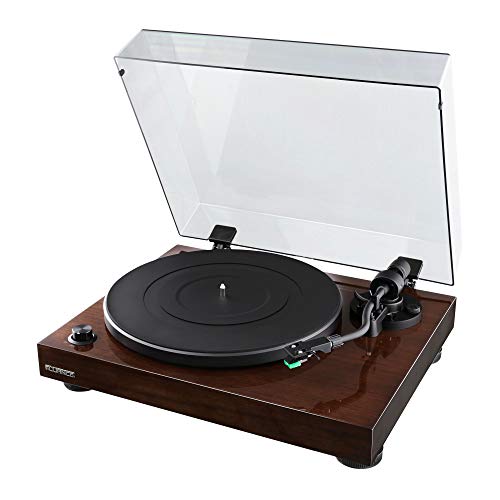

The single most important thing about a beginner turntable is that it treats your records gently. A proper deck has a balanced, counterweighted tonearm that sets the correct downforce, and a decent replaceable cartridge (the needle assembly). Cheap suitcase players skip both — they slap a fixed, heavy ceramic cartridge on an unadjusted arm, which drags across your grooves and wears them out. The records cost more than the player; protect them.
The other thing to sort out is the phono preamp. A turntable's signal is tiny and needs a special boost. Budget decks (like the AT-LP60X) build the preamp in, so you can plug straight into powered speakers. Step up and you often get a switchable built-in preamp, or you pair the deck with an amp/receiver that has a 'phono' input. Lastly, belt-drive decks (most here) isolate motor noise well and suit listening; direct-drive is for DJs who need torque. Automatic vs. manual is just convenience — automatics lift the arm at the end, manuals sound marginally better for the money.
 Best budget turntable
Audio-Technica AT-LP60X
The deck to buy when you just want to play records properly without spending much. It is fully automatic (it starts, plays, and returns the arm for you), the belt drive keeps things quiet, and the built-in switchable preamp means it works straight into powered speakers or a receiver. A genuine, record-safe turntable at an entry price.
What's good
- Fully automatic — beginner-proof
- Built-in switchable preamp
- Quiet belt drive
- Trusted brand, record-safe
What's not
- Entry cartridge with limited upgrade path
- Lightweight plinth picks up some vibration
 Best for most beginners
Fluance RT81
The deck the vinyl community recommends to graduating beginners. A heavy engineered-wood plinth kills vibration, the included Audio-Technica AT95E cartridge punches well above its price, and the switchable built-in preamp keeps it flexible. It sounds noticeably better than entry decks and gives you a real upgrade path. The sweet spot of price and performance.
What's good
- Excellent Audio-Technica AT95E cartridge included
- Heavy wood plinth resists vibration
- Switchable built-in preamp
- Clear upgrade path (cartridge, etc.)
What's not
- Manual operation (you cue the arm yourself)
- Pricier than entry decks
 Best to grow into
Pro-Ject Debut Carbon EVO
The deck for someone who already knows they are in deep. A one-piece carbon-fiber tonearm, a quality Sumiko Rainier cartridge, a heavy damped platter, and adjustable feet add up to genuinely audiophile sound. There is no built-in preamp, so you pair it with a phono-input amp — a sign it expects a real system. Buy-once, keep-for-years territory.
What's good
- Carbon-fiber tonearm and quality cartridge
- Genuinely audiophile sound
- Heavy, well-damped build
- A deck you keep for years
What's not
- No built-in preamp — needs a phono input/amp
- Premium price; manual setup
Those all-in-one Crosley-style players look charming and cost little, but they are the fastest way to ruin a record collection: a heavy, fixed ceramic cartridge on an unadjusted tonearm drags across the grooves and wears them out permanently. Even the cheapest pick here protects your records far better.
Which to buy: want to play records safely for the least money, straight into powered speakers? The AT-LP60X. Want a real step up in sound with room to upgrade? The Fluance RT81 is the community favorite. Already building a proper hi-fi and want audiophile sound? The Pro-Ject Debut Carbon EVO — just remember it needs a separate phono preamp.
Before you buy
If you do not have an amp/receiver, get a deck with a built-in preamp (budget/recommended picks) and a pair of powered speakers.
Belt-drive is right for listening; you only need direct-drive if you plan to DJ and scratch.
Replace the stylus every ~1,000 hours of play — a worn needle damages records.
Set the deck on a level, solid surface away from your speakers to avoid feedback and skips.
Turntable questions
Why shouldn’t I buy a cheap all-in-one record player?
Do I need a separate preamp?
Belt-drive or direct-drive?
Automatic vs. manual turntable?
What speakers do I need with a turntable?
How often do I replace the needle (stylus)?
For most beginners the Fluance RT81 is the pick — a great cartridge, a vibration-killing build, and a real upgrade path. Just want to play records safely and cheaply? The Audio-Technica AT-LP60X. Already building a hi-fi and chasing sound? The Pro-Ject Debut Carbon EVO. Whatever you do, skip the suitcase players — your records will thank you.
Ready to actually do it?
The first collecting vinyl records quest takes an evening, and it tells you whether the gear was worth it better than any review can.
Start Collecting Vinyl RecordsThe HobbyStack editorial team researches each guide using practitioner communities, published resources, and direct input from active hobbyists. Every guide is reviewed for accuracy before publication and updated when practices change.
About our editorial process →More gear guides
All guides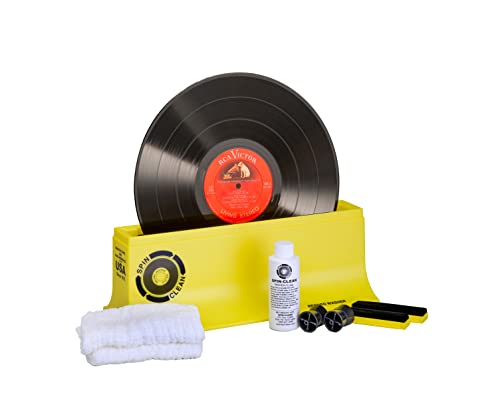
Best Record Cleaning Kit for Beginners (2026): 3 Real Picks
Clean records sound better and last longer, full stop: dust and grime in the grooves cause the crackle and pop people blame on vinyl itself, and they grind against your stylus over time. The question is how deep you want to go. A simple brush-and-fluid kit handles everyday dust; a wet-bath washer deep-cleans thrift finds and neglected records; a cleaning machine does it fastest and best. Here are three good options across the range, plus the one habit that matters more than any of them.

Best Beginner Fountain Pen (2026): A Japanese Fine Is Not a European Fine
The most common first disappointment with a fountain pen is a line that comes out narrower than expected, and it is not a fault. Japanese nibs are ground finer than European ones at the same letter, so a Pilot Fine is roughly a Lamy Extra Fine. Knowing that before you order decides whether the pen feels right.

Best Fountain Pen Ink (2026): Almost Everything Is Safe, and a Few Things Are Not
The pleasant surprise about fountain pen ink is that a bottle costs less than a decent lunch and lasts a year or more, so this is a hobby where experimenting is genuinely cheap. The unpleasant surprise is that two categories of ink will wreck a pen permanently, and one of them is sold in the same shop aisle.

Best Archival Document Boxes (2026): Ordinary Cardboard Destroys Paper
Paper stored in an ordinary cardboard box browns at the edges and goes brittle, and the box is the cause. Wood pulp cardboard carries acid and lignin, both of which migrate into whatever they touch and keep working for decades. The damage is slow, invisible for years, and completely preventable for about the price of the box you were going to use.

Best Archival Brushes (2026): Soft, Dry, and Always Away From the Spine
The first rule of cleaning a book is that you almost never use water. Surface dirt comes off dry, with a soft wide brush and patience, and anything wet risks tidelines, cockling and lifting the very ink you were trying to save. The brush is the tool that does most of the real work.

Best Bottling Wand (2026): Fill to the Brim, Then Let It Drop
A bottling wand looks like a length of tube with a valve on the end, and the clever part is what happens when you lift it out. You fill the bottle right to the brim, and withdrawing the wand removes exactly its own volume, leaving the correct headspace every time without measuring anything.