Best Record Cleaning Kit for Beginners (2026): 3 Real Picks
Clean records sound better and last longer, full stop: dust and grime in the grooves cause the crackle and pop people blame on vinyl itself, and they grind against your stylus over time. The question is how deep you want to go. A simple brush-and-fluid kit handles everyday dust; a wet-bath washer deep-cleans thrift finds and neglected records; a cleaning machine does it fastest and best. Here are three good options across the range, plus the one habit that matters more than any of them.
HobbyStack may earn a commission from links on this page at no extra cost to you. Our picks are chosen on merit; the commission helps fund the research.
- Dirty grooves cause the crackle. Most 'vinyl noise' is dust and grime, not the record itself, cleaning genuinely helps.
- Match the tool to the job: a brush for everyday dust, a wet bath for thrift finds, a machine for speed and depth.
- The cheapest habit matters most: a carbon-fiber brush before every play removes the dust that causes surface noise.
- Never use household cleaners or paper towels. They scratch and leave residue; use record-safe fluid and microfiber.
 Big Fudge Vinyl Record Cleaning Kit (4-in-1)Everyday dust and keeping records clean$25Check price
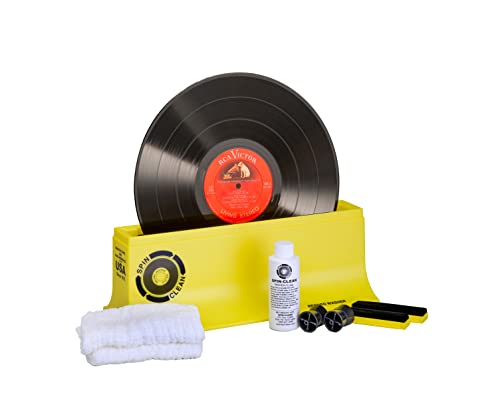 Our pickSpin-Clean Record Washer SystemDeep-cleaning used and thrift-store records$80Check price
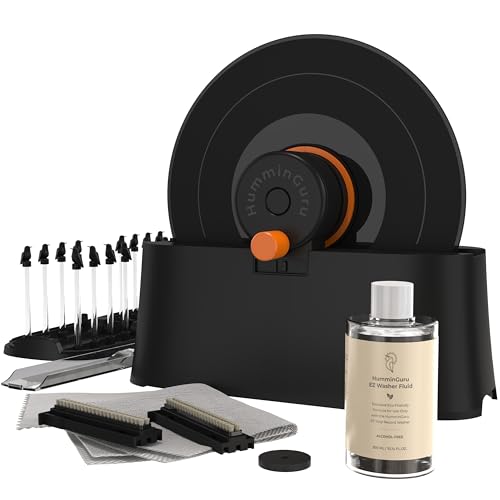 HumminGuru EZ Record WasherThe deepest, fastest clean with least effort$100Check price
It helps to understand what you're cleaning off. A record groove is a tiny valley the stylus rides, and dust, static-attracted lint, and old grime sit in that valley causing the pops and crackle most people blame on vinyl as a format. Worse, that debris grinds between the stylus and the groove wall every play, wearing both. So cleaning does two things: it makes records sound clearly better right now (less surface noise), and it protects your records and stylus over time. The tools scale with the job. For everyday dust, a carbon-fiber or velvet brush plus a little record-safe fluid wiped along the grooves is enough, and doing it before every play is the highest-value habit in the hobby. For records that are actually dirty, thrift-store finds, garage-sale hauls, anything neglected, a wet bath physically lifts caked grime out of the grooves in a way a dry brush can't. And at the top, a cleaning machine does the deep clean fastest and most consistently. The one rule throughout: never use household cleaners, alcohol on the label, or paper towels, which scratch and shed.
So choose by how dirty your records are and how much cleaning you'll do. If you mostly buy new or clean records and just need to keep dust down, an affordable brush-and-fluid kit covers everyday maintenance and is the essential starting point for any collection. If you buy used records, and most collectors do, a wet-bath washer like the Spin-Clean is the classic answer: you spin each record through a fluid bath with brushes that scrub both sides at once, and it transforms grubby thrift finds for a modest price. And if you clean a lot of records and want the deepest, fastest result, a cleaning machine spins, cleans, and helps dry them with far less effort and a more thorough clean. Whichever you buy, keep a cheap carbon-fiber brush by the turntable and use it before every play, because that daily habit does more for your sound than any deep clean.
 Best budget start
Big Fudge Vinyl Record Cleaning Kit (4-in-1)
The essential everyday kit, and the right place to start for any collection. The Big Fudge 4-in-1 gives you the tools for routine cleaning: a velvet brush and record-safe fluid for wiping grime along the grooves, a carbon-fiber brush for the quick dust-off before every play, and a microfiber cloth, all in one tidy package for the price of a single record. It handles the everyday dust and light grime that cause most surface noise, and the carbon-fiber brush alone, used before each play, is the single highest-value habit in vinyl. It's a well-known, well-reviewed kit that does exactly what routine record care needs. The catch is that a wipe-and-brush kit can't deep-clean a genuinely dirty thrift find the way a wet bath can, that caked grime needs a soak. But for keeping clean records clean and dust down, it's all most listeners need, and it's cheap.
What's good
- Everything for everyday care in one kit
- Carbon-fiber brush for the before-every-play habit
- Record-safe fluid and velvet brush for light grime
- Costs about the price of one record
What's not
- Can't deep-clean caked-on grime like a wet bath
- Manual wiping, slower for a big collection
 Best for most people
Spin-Clean Record Washer System
The kit most collectors should own, because most collectors buy used records, and a wet bath is what actually cleans them. The Spin-Clean is a simple, beloved system: fill the basin with water and its cleaning fluid, drop a record into the slot between two brushes, and spin it a few turns by hand so both sides scrub at once, then dry it with the included cloths. It physically lifts caked grime and grunge out of the grooves in a way no dry brush can, which is exactly what a grubby thrift-store or garage-sale find needs, and the difference in a dirty record's sound afterward is dramatic. It needs no power and lasts for years. It costs more than a brush kit and takes a couple of minutes per record, but for anyone building a collection from used records, it's the single best-value deep-clean you can buy, and it pays for itself in records rescued. For most vinyl fans, this is the one to get.
What's good
- Wet bath scrubs both sides at once
- Transforms dirty used and thrift records
- No power needed, lasts for years
- Best-value real deep clean
What's not
- A couple of minutes of hand-spinning per record
- Records need drying after
 Best for big collections
HumminGuru EZ Record Washer
The step up for someone cleaning a lot of records who wants the deepest, most consistent result with the least effort. The HumminGuru EZ is a powered cleaning machine: you add fluid and water, set the record in, and it does the washing for you with an anti-static finish, delivering a more thorough, repeatable clean than hand-washing and taking the manual work out of the loop. For a large collection, or for someone who deep-cleans regularly, that consistency and speed matter, and the anti-static result helps keep dust from settling straight back on. It's a genuine appliance for the serious collector. The trade-offs are the obvious ones: it's the most expensive option here, and it's more machine than someone with a small, mostly-clean collection needs. But if you're cleaning stacks of records and want the best result with the least labor, it's the buy-once answer. Starting small? The Spin-Clean does a superb job for far less.
What's good
- Powered wash for the deepest, most consistent clean
- Anti-static finish keeps dust from resettling
- Far less effort than hand-washing
- Ideal for large or growing collections
What's not
- Most expensive option here
- More machine than a small collection needs
Windex, rubbing alcohol on the label, dish soap, and paper towels all damage records: they strip or scratch the vinyl, leave residue in the grooves, or shed lint. Only ever use record-safe fluid and a soft velvet or microfiber cloth or brush. And keep alcohol-based fluids off the paper label. The right fluid costs little and is the only safe way to wet-clean vinyl.
Before you buy
Brush before every play. A carbon-fiber brush pass is the cheapest, highest-value habit in vinyl.
Wet-clean used records before their first play; thrift finds carry grime a dry brush can't lift.
Only use record-safe fluid and microfiber or velvet, never household cleaners or paper towels.
Store records upright in inner sleeves so they don't re-attract dust and static.
Common questions
Does cleaning records actually improve the sound?
What's the best way to clean a really dirty used record?
Can I use rubbing alcohol or household cleaners on records?
How often should I clean my records?
For most collectors, the Spin-Clean is the one to buy: a wet bath is what actually cleans the used records most of us collect, and it transforms grubby finds for a modest price. A brush-and-fluid kit like Big Fudge is the essential everyday starting point (and everyone should own a carbon-fiber brush), and the HumminGuru machine is worth it if you clean a lot of records. Whatever you use, brush before every play and never reach for household cleaners.
Ready to actually do it?
The first collecting vinyl records quest takes an evening, and it tells you whether the gear was worth it better than any review can.
Start Collecting Vinyl RecordsThe HobbyStack editorial team researches each guide against manufacturer specifications, published resources and practitioner sources. Every product is checked for availability and described against its current listing before publication, and prices are re-checked when guides are updated.
About our editorial process →More gear guides
All guides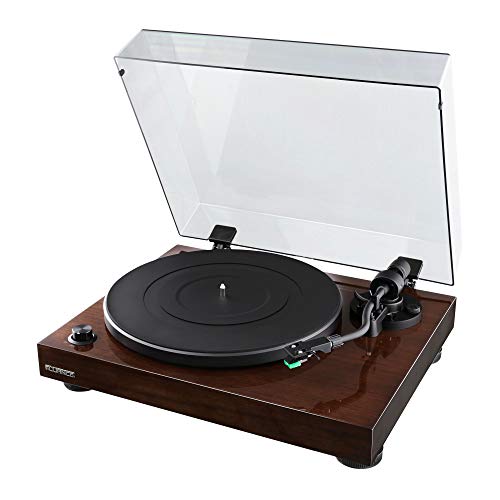
Best Beginner Turntable (2026): 3 Picks That Won’t Wreck Your Records
The cute all-in-one suitcase players are exactly what you should not buy, their heavy tonearms and cheap needles quietly grind down the records you are paying for. A real beginner turntable protects your vinyl and sounds dramatically better. Here are three that do it right, from a true budget pick to an audiophile deck.

Best Phono Preamp (2026): A Cartridge Puts Out a Thousandth of Line Level
Plug a turntable straight into a normal input and you get something thin, quiet and strangely trebly. That is not a fault. A cartridge outputs a few thousandths of a volt against the one or two volts a line input expects, and records are deliberately cut with the bass reduced, so something has to put both back.

Best Beginner Fountain Pen (2026): A Japanese Fine Is Not a European Fine
The most common first disappointment with a fountain pen is a line that comes out narrower than expected, and it is not a fault. Japanese nibs are ground finer than European ones at the same letter, so a Pilot Fine is roughly a Lamy Extra Fine. Knowing that before you order decides whether the pen feels right.

Best Fountain Pen Ink (2026): Almost Everything Is Safe, and a Few Things Are Not
The pleasant surprise about fountain pen ink is that a bottle costs less than a decent lunch and lasts a year or more, so this is a hobby where experimenting is genuinely cheap. The unpleasant surprise is that two categories of ink will wreck a pen permanently, and one of them is sold in the same shop aisle.

Best Fountain Pen Paper (2026): Feathering Is a Paper Problem, Not a Pen Problem
A new fountain pen that writes a furry, spreading line on office paper is not faulty. Copier paper is barely sized, so wet ink wicks along the fibres and spreads outward from the stroke. The same pen on properly sized paper lays a crisp line, and nothing about the pen changed.

Best Archival Document Boxes (2026): Ordinary Cardboard Destroys Paper
Paper stored in an ordinary cardboard box browns at the edges and goes brittle, and the box is the cause. Wood pulp cardboard carries acid and lignin, both of which migrate into whatever they touch and keep working for decades. The damage is slow, invisible for years, and completely preventable for about the price of the box you were going to use.