Best Beginner Crochet Hooks (2026): 3 Picks
A beginner crochet hook set gives you the common sizes (roughly 2mm to 6mm) in one case so you never have to guess which one your yarn needs. The one thing that actually matters starting out is a comfortable grip and a smooth hook head, because a hook that snags or cramps your hand is the fastest way to quit. Metal shafts with a soft rubber handle are the easy default.
HobbyStack may earn a commission from links on this page at no extra cost to you. Our picks are chosen on merit; the commission helps fund the research.
- A set is worth it over single hooks, so you always have the size your yarn calls for.
- The grip matters more than the brand. A soft rubber handle keeps your hand from cramping on long sessions.
- Sizes 4mm to 6mm cover most beginner yarn and patterns, so start there if you buy singles.
- A cheap set is genuinely fine to learn on. You do not need to spend a lot to start.
 Coopay Ergonomic Crochet Hook Set (2mm-6mm)Learning the basics without spending much$8Check price
 Our pickClover Amour Crochet Hook Set (10 Sizes)Most beginners who want one set to keep$49Check price
 Tulip Etimo Rose Crochet Hook Set (8 Sizes)People who crochet often and want the nicest grip$117Check price
Start by thinking about grip, not price. The most common beginner complaint is a sore hand after 30 minutes, and that almost always comes down to a thin, hard handle. A set with a soft rubber or cushioned grip fixes it, and every pick here has one. If you already know your hands cramp easily or you have any joint pain, that is the spec to prioritize over everything else.
Next, get a set instead of single hooks. Patterns call for a specific hook size, and once you start swapping yarn weights you will want a few sizes on hand. A set covering about 2mm to 6mm handles almost anything a beginner picks up, and having them all in one labeled case saves a lot of second-guessing. Sizes are marked on the handle, but the number can rub off on cheaper sets over time, so a printed size on the shaft is a nice bonus.
Finally, do not overthink the upgrade. A budget aluminum set with a rubber grip is genuinely fine to learn on, and plenty of people crochet for years on one. Spending more gets you a smoother hook head, a nicer grip shape, and better durability, which you will appreciate once you are crocheting most days. But it is not needed to start, and buying the expensive set first will not make your stitches better. Learn on something cheap, then upgrade if and when you feel the difference.
 Best budget pick
Coopay Ergonomic Crochet Hook Set (2mm-6mm)
A genuinely fine set to learn on, with soft grips and all the common sizes for around the price of a couple skeins of yarn.
What's good
- Very cheap, so low risk if crochet does not stick
- Soft rubber grips are easy on the hand
- Covers all the common beginner sizes
- Often ships with stitch markers and a case
What's not
- Hook heads are a little rougher than pricier sets
- Printed size numbers can wear off over time
 Best for most beginners
Clover Amour Crochet Hook Set (10 Sizes)
The one most people land on. The grip is comfortable, the hook heads are smooth, and the color-coded sizes make it easy to grab the right one.
What's good
- Smooth hook head that rarely snags yarn
- Comfortable, warm-to-the-touch grip
- Color-coded handles make sizes easy to spot
- Holds up well to daily use
What's not
- Costs more than a basic aluminum set
- Grip shape is a little slim for some large hands
 Best premium pick
Tulip Etimo Rose Crochet Hook Set (8 Sizes)
The treat-yourself set. The cushioned grip and highly polished hooks feel great over long sessions, and it comes with handy extras.
What's good
- Cushioned grip is the most comfortable of the three
- Very smooth, polished hook heads
- Comes with yarn needles, scissors, and a nice case
- Excellent build quality that lasts
What's not
- The most expensive option here
- Overkill if you are only crocheting occasionally
You do not need a fancy set to make nice stitches. Your hook does not do the work, your hands do. A smooth cheap hook and an expensive one make the same stitch, so the pricier pick just buys comfort and durability, not skill.
Before you buy
Check the yarn you want to use first. Most beginner yarn lists a hook size on the label, usually in the 4mm to 6mm range, so make sure your set covers it.
Look for a soft rubber or cushioned grip. Skip all-metal hooks with no handle if you plan to crochet for more than a few minutes at a time.
Pick a set with a case. Loose hooks get lost fast, and a labeled case saves you from measuring sizes later.
If your hands cramp or ache, prioritize grip comfort over the size count. A 9-hook set that feels good beats a 12-hook set that does not.
Crochet hook questions beginners actually ask
What size crochet hook should a beginner start with?
Do I need an ergonomic hook, or is a plain metal one fine?
Is a hook set better than buying single hooks?
Are metal or plastic crochet hooks better for learning?
For most beginners, the Clover Amour 10-piece set is the easy call. It has smooth hooks, a comfortable grip, and every size you will reach for, and it is the set most people keep using for years. If money is tight, the Coopay set is genuinely fine to learn on, and the Tulip Etimo Rose is the one to get if you already know you will be crocheting a lot.
Ready to actually do it?
The first crocheting quest takes an evening, and it tells you whether the gear was worth it better than any review can.
Start CrochetingThe HobbyStack editorial team researches each guide against manufacturer specifications, published resources and practitioner sources. Every product is checked for availability and described against its current listing before publication, and prices are re-checked when guides are updated.
About our editorial process →More gear guides
All guides
Best Beginner Knitting Needles (2026): 3 Picks
The needle that fits your first project matters more than the brand. Most beginners should start with a single pair of size US 8 (5mm) straight needles in bamboo, since bamboo grips the yarn and slows dropped stitches. A cheap starter set covers more sizes for less money, and an interchangeable circular set is the thing to grow into once you know you're sticking with it.

Best Beginner Embroidery Kits (2026): 3 Starter Kits Worth Buying
A beginner embroidery kit is a box that has everything you need to start stitching in one go: a hoop, floss, needles, fabric, and usually a pattern already printed on the cloth. The one spec that actually matters for a first kit is whether the fabric comes stamped with a pattern, because tracing your own design is the thing most people give up on before they even start.
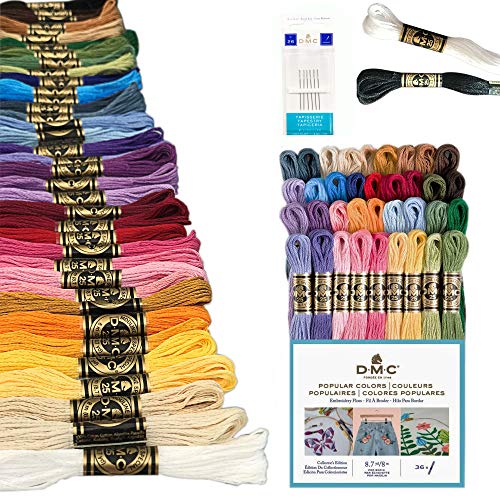
Best Embroidery Floss (2026): Six Strands, and You Rarely Use All Six
A skein of embroidery floss is six loosely twisted strands, and almost every pattern asks you to pull some of them out before you start. Stitching with all six because that is how it came off the shelf is the single most common beginner mistake, and it is why beginner work looks lumpy where it should look smooth.

Best Embroidery Hoop (2026): Drum-Tight Fabric Is the Whole Job
A hoop has one job: hold the fabric tight enough that your stitches sit where you put them. A hoop that slips lets the fabric sag, and a sagging ground gives you uneven tension, puckered stitches and a finished piece that will not lie flat. Almost every hoop complaint is really a grip complaint.

Best Embroidery Scissors (2026): Sharp All the Way to the Tip
Embroidery scissors do one job that ordinary scissors cannot: cut a single thread flush against the fabric without nicking it. That needs blades sharp right to the very point, meeting cleanly with no gap. It is a surprisingly demanding specification, and it is why a good small pair costs more than a large pair of household scissors.

Best Fabric Scissors (2026): Why You Never Cut Paper With Them
Fabric scissors are the tool most likely to be ruined by the person who owns them, usually within a month, usually by cutting paper. Fabric is soft and slippery, so shears rely on a very fine edge to catch and slice rather than push — and paper is abrasive enough to take that edge off in a few cuts. Everything else about choosing a pair follows from protecting that edge.