Best Telescope Eyepieces for Beginners (2026): 3 Real Picks
Almost every beginner telescope ships with one or two cheap eyepieces, and upgrading them is the single biggest improvement you can make without buying a new scope. The eyepiece decides your magnification, how wide a view you get, and how comfortable it is to actually look through, and the bundled ones are usually the part the manufacturer saved money on. One thing to understand first: magnification is not a number you should chase. It comes from your telescope's focal length divided by the eyepiece's, and going too high just gives you a big, dim, blurry image. Here is what to buy and why.
HobbyStack may earn a commission from links on this page at no extra cost to you. Our picks are chosen on merit; the commission helps fund the research.
- Magnification = your telescope's focal length ÷ the eyepiece's. A 10mm in a 1000mm scope gives 100x.
- There is a ceiling, and it is lower than you think. Roughly 50x per inch of aperture; beyond it the image just gets dim and mushy.
- Check your barrel size. Almost all beginner scopes take 1.25 inch eyepieces, but confirm before ordering.
- Eye relief matters if you wear glasses. Short eye relief means pressing your eye to the lens, which is miserable.
 Starboosa 1.25-Inch Telescope Eyepiece Set (4mm, 10mm, 20mm)Replacing the one poor eyepiece your scope came with$31Check price
 Our pickCelestron AstroMaster Telescope Accessory KitOne purchase that covers finding, magnifying and the Moon$80Check price
 Celestron Eyepiece, Barlow & Filter Telescope Accessory Kit (1.25")Someone who knows they are staying with observing$220Check price
The number that actually governs what you see is not written on the eyepiece box. Magnification is your telescope's focal length divided by the eyepiece's focal length, so a 10mm eyepiece in a 1000mm telescope gives 100x, and the same eyepiece in a 500mm scope gives 50x. That means a "good" eyepiece is only good relative to your telescope, and it is why the marketing numbers on cheap bundles ("675x!") are meaningless. Every telescope also has a practical ceiling, roughly fifty times its aperture in inches, set by physics and by the atmosphere. Push past it and you are magnifying blur: the image gets larger, dimmer and softer, and finding anything becomes hard because the field of view shrinks. This is the most common beginner disappointment, and it is caused by chasing magnification rather than by owning a bad telescope.
So the useful thing to own is a small spread rather than one extreme. A low-power eyepiece (a longer focal length, say 25mm to 32mm) gives a wide, bright view and is what you actually use to find things and to look at large objects like star clusters and the Moon in full. A medium one is your general workhorse. A higher-power eyepiece is for the Moon's craters and the planets on a steady night, and you will use it less often than you expect, because atmospheric turbulence ruins high magnification more evenings than not. That is the argument for a set rather than a single upgrade. If you wear glasses, look at eye relief too: short eye relief means putting your eye almost against the glass, which is uncomfortable and makes it hard to hold a steady view, and long-eye-relief designs solve it.
 Best cheap upgrade
Starboosa 1.25-Inch Telescope Eyepiece Set (4mm, 10mm, 20mm)
The cheapest genuinely useful upgrade to a beginner telescope. Most starter scopes arrive with one mediocre eyepiece, and having three focal lengths instead is a bigger practical change than any single premium piece, because it lets you do the thing that actually works: find your target at low power with a wide view, then swap up. The 20mm is the one you will use most, for locating objects and for wide views of the Moon and clusters; the 10mm is a sensible general-purpose step; the 4mm is the planetary option and, honestly, the one you will use least, because on many beginner scopes it pushes past the useful magnification ceiling and the image goes soft. That is not a fault of the set so much as physics. The optics are basic, so expect a narrower apparent field and less edge sharpness than a quality eyepiece, and eye relief is short enough to be awkward with glasses. But for the price it turns a one-eyepiece telescope into a usable instrument, and that is the whole job.
What's good
- Three focal lengths, so you can find low and then magnify
- Cheapest meaningful upgrade over a bundled eyepiece
- Standard 1.25 inch fits almost every beginner scope
- The 20mm alone justifies it for finding objects
What's not
- Basic optics: narrow field, softer at the edges
- Short eye relief, awkward if you wear glasses
 Best for most people
Celestron AstroMaster Telescope Accessory Kit
The sensible one-purchase upgrade, because it covers the three things a beginner actually runs into. You get additional eyepieces for a proper spread of magnifications, a Barlow lens that doubles the power of whichever eyepiece it is paired with (so a small set behaves like a larger one), and filters, including the one nobody expects to need. A near-full Moon through even a modest telescope is genuinely dazzling, bright enough to leave you blinking, and a moon filter turns it from uncomfortable into detailed, which is the difference between glancing and observing. Celestron is a mainstream astronomy brand rather than a generic seller, and the build reflects that: better coatings, better contrast, sharper across more of the field than a budget set. The trade-offs are the price step, and that the Barlow is most useful on scopes with the focal length to support it, so on a short scope you may find the highest combinations unusable on all but the steadiest nights. For most people upgrading a first telescope, this is the right bundle.
What's good
- Covers low, medium and high power in one purchase
- Barlow effectively doubles your usable magnifications
- Moon filter fixes glare people do not anticipate
- Mainstream astronomy brand, better coatings and contrast
What's not
- A clear price step over a basic eyepiece set
- Highest Barlow combinations are unusable on unsteady nights
 Best full kit
Celestron Eyepiece, Barlow & Filter Telescope Accessory Kit
The kit for someone who has been out a few times, knows they enjoy it, and wants to stop thinking about eyepieces. It carries a full spread of focal lengths rather than three, plus a Barlow and a set of colour filters, in a fitted case that matters more than it sounds: eyepieces live outdoors in the dark, and fumbling loose ones in the cold is how they get dropped or dewed. The colour filters are the part beginners are least sure about and they are genuinely useful on planets, where a light filter can lift detail out of a low-contrast surface like Jupiter's belts or Mars. The honest caveats: this is a serious price step, and it is more eyepieces than a modest beginner telescope can meaningfully use, since your scope's aperture sets a magnification ceiling no eyepiece can raise. If you own a small starter scope, the mid kit above is the better fit and you will not notice the difference. If you have a capable telescope and observe regularly, this is the one that stops you buying piecemeal.
What's good
- Full spread of focal lengths, no piecemeal buying later
- Colour filters genuinely lift planetary detail
- Fitted case, which matters when working in the dark
- Mainstream brand optics throughout
What's not
- Significant price step over the standard kit
- More magnification than a small starter scope can use
A telescope's useful limit is roughly fifty times its aperture in inches, so a 4 inch scope tops out near 200x on a good night. Past that you are enlarging blur: dimmer, softer, and much harder to keep anything in view. The atmosphere sets the real limit most evenings, which is why experienced observers spend most of their time at low and medium power and treat high magnification as an occasional treat when the air is steady.
Before you buy
Work out your magnifications before buying: telescope focal length divided by eyepiece focal length.
Find objects at low power first, then swap to a shorter eyepiece. Hunting at high power rarely works.
Buy a moon filter early. A near-full Moon through any telescope is genuinely uncomfortable without one.
If you wear glasses, prioritise long eye relief over a wider field.
Common questions
How do I work out what magnification an eyepiece gives?
What eyepiece should I use to find things?
Why does my telescope look worse at high magnification?
Will any eyepiece fit my telescope?
If your telescope came with one poor eyepiece, the Starboosa set is the cheapest change that makes it usable, mostly because the 20mm lets you actually find things. For most people upgrading a first scope, the Celestron AstroMaster kit is the right single purchase, since the Barlow stretches a small set and the moon filter solves a problem nobody anticipates. The full Celestron kit is for someone with a capable telescope who observes regularly. Whatever you buy, remember your scope's aperture, not the eyepiece, sets the ceiling.
Ready to actually do it?
The first astronomy quest takes an evening, and it tells you whether the gear was worth it better than any review can.
Start AstronomyThe HobbyStack editorial team researches each guide against manufacturer specifications, published resources and practitioner sources. Every product is checked for availability and described against its current listing before publication, and prices are re-checked when guides are updated.
About our editorial process →More gear guides
All guides
Best Beginner Telescope 2026: 3 Honest Picks for First-Time Buyers
Orion Telescopes shut down in 2025, so half the 'best telescope' guides online are stale. Here's a fresh take on the three telescopes worth buying as a beginner in 2026, including the one that lets your phone do the hardest part for you.

Best Binoculars for Astronomy (2026): Start Here, Not With a Telescope
The standard advice in astronomy is to buy binoculars before a telescope, and it is right. A cheap telescope is usually a wobbly mount holding a small lens, and it shows you less than a decent pair of binoculars while being far harder to point. Binoculars are also the thing you keep using afterwards — even people with serious telescopes reach for them first.
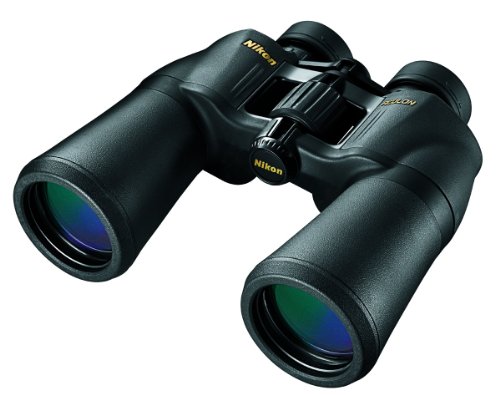
Best Binoculars for Stargazing 2026: Nikon Aculon vs Celestron Cometron vs SkyMaster
You don't need a telescope to start stargazing: for most beginners, a good pair of binoculars is the smarter first buy. Here are three honest picks for the night sky, from a forgiving budget pair to a deep-sky aperture monster, with the two numbers that actually decide which is right for you.
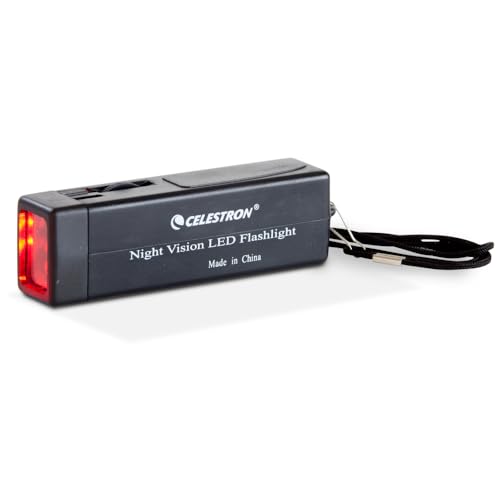
Best Red Light for Stargazing (2026): Protecting 30 Minutes of Night Vision
Dark adaptation takes about thirty minutes and one careless glance at a phone screen to undo. That is the entire argument for a red light: not that red is magic, but that your eyes recover from it far faster than from white. Almost every stargazing session that "was not very good" was actually a session where someone kept checking their phone.

Best Binoculars for Birdwatching (2026): Why 8x42 Is the Sweet Spot
For birdwatching, one pair of numbers matters more than any brand: 8x42. That is 8x magnification (easy to hold steady, with a wide view to find birds) and a 42mm lens (bright enough for shade and dawn). Get that spec and you are most of the way there. Here are three good 8x42 binoculars, from a superb-value first pair to premium glass you grow into.

Best Beginner Fishing Rod and Reel Combo 2026: Spinning Setups That Just Work
For your first setup, a matched spinning rod-and-reel combo is the right call: it's pre-balanced, forgiving to cast, and gets you fishing without choosing parts you don't understand yet. Here are three combos that punch above their price, from a near-indestructible classic to a saltwater-ready upgrade.