Best Dust Mask for Urban Exploration (2026): N95 Is the Floor
Derelict buildings contain things you cannot see and should not breathe: silica from crumbling concrete, mould spores, bird and rodent droppings, and in anything built before the 1980s, quite possibly asbestos. A mask is the cheapest piece of kit in this hobby and the only one that addresses a risk you will not notice until decades later. What it protects you from depends entirely on the rating and the fit.
HobbyStack may earn a commission from links on this page at no extra cost to you. Our picks are chosen on merit; the commission helps fund the research.
- N95 filters at least 95% of airborne particles. That is the minimum worth wearing, and a cloth mask is not a substitute.
- P100 filters 99.97% and resists oil-based particles. Worth it in heavy dust and old buildings.
- Fit beats rating. Air takes the easiest path, and a gap at the nose bypasses the filter entirely.
- Facial hair breaks the seal. A beard means no respirator seals properly, whatever you buy.
- No respirator makes asbestos safe to disturb. If you suspect it, leave.
 3M 8511 N95 (valved)Occasional trips$27Check price
 Our pickMoldex 7001 Half MaskMost people$26Check price
 3M 7502 Half FacepieceRegular or heavy exposure$35Check price
What the ratings mean
The letter describes oil resistance and the number describes filtration efficiency.
N — not oil resistant. R — somewhat resistant. P — oil proof.
95 — filters at least 95% of airborne particles at the hardest-to-catch size. 99 — 99%. 100 — 99.97%.
So N95 filters 95% of non-oil particles, and P100 filters 99.97% including oil-based aerosols. In a derelict building the relevant hazards are mostly dust, silica and mould, which N-rated filters handle — but P100 buys a real margin and costs little more.
What none of these numbers describe is gases and vapours. Particulate filters do nothing about solvent fumes, sewer gas or carbon monoxide, which need chemical cartridges or, far more sensibly, not being there.
A cloth or surgical mask is not on this scale at all. Neither is rated for particulate protection, and wearing one in dust mostly provides reassurance.
Fit is most of the protection
A respirator only works if the air is forced through the filter. Air will take any easier route, so a gap of a few millimetres at the bridge of the nose or along the cheek means you are breathing largely unfiltered air while wearing a mask that looks correct.
The standard check is a user seal check: put the mask on, cover the filter surfaces with your palms, and breathe in. The mask should pull slightly against your face and hold. Breathe out and it should push gently outward without air escaping round the edges. If you feel a jet of air anywhere, reposition and try again.
Two things reliably break the seal. Facial hair — even a few days' stubble prevents a proper seal, and this is not something you can compensate for. And the wrong size, since half-mask respirators come in small, medium and large for a reason.
Glasses can also interfere at the nose bridge. Check the seal with them on, because that is how you will be wearing it.
 Best for occasional trips
3M 8511 N95 Respirator Mask
A properly rated N95 disposable with an exhalation valve, which is the meaningful feature at this level — the valve lets warm, moist breath out instead of trapping it against your face, so the mask stays comfortable over hours rather than becoming a wet nuisance in twenty minutes. Genuinely rated rather than a decorative dust mask, so it filters at least 95% of airborne particles. The limitations are the usual disposable ones: it is single-use in practice, the seal is less positive than a moulded half mask, and the valve means it protects you but does not protect others from you. Fine for occasional trips into moderately dusty places. Buy a box, not one.
What's good
- Genuine N95 rating, not a dust mask
- Exhale valve keeps it comfortable for hours
- Cheap and packable
- No maintenance
What's not
- Effectively single-use
- Less positive seal than a moulded mask
- Valve does not protect others from you
- No option to upgrade the filter
 Best for most people
Moldex 7001 Reusable Half Mask Respirator
A reusable half mask, and the step up from disposables is real in two ways. The moulded facepiece seals far more positively than a folded disposable, which matters because fit is most of the protection. And the filters swap, so you can fit P100 particulate filters for heavy dust or change to a different cartridge if you need to — you are buying a platform rather than a single mask. It is light for a half mask and comfortable enough to keep on. The trade-offs are that it needs cleaning and storing properly, filters are a running cost, and it comes in sizes, so getting the wrong one undoes the main advantage. Check the size chart before ordering.
What's good
- Positive, repeatable seal
- Swappable filters including P100
- Light and comfortable for a half mask
- Cheaper per use than disposables over time
What's not
- Sized — the wrong size defeats the point
- Filters are a running cost
- Needs cleaning and dry storage
- Bulkier to carry than a disposable
 Best for heavy exposure
3M 7502 Half Facepiece Reusable Respirator
The same reusable half-mask idea with the widest filter and cartridge range available, which is the actual reason to choose it. If you regularly go into places with heavy particulate loads, or you want the option of organic vapour cartridges as well as P100 particulate filters, this platform covers essentially everything and the parts are stocked everywhere. The facepiece is comfortable and the seal is excellent. It costs a little more than the mid pick and the difference in day-to-day use is small — the value is in the range of filters you can fit, not in better protection out of the box. Buy it if you expect your needs to change; otherwise the mid pick does the same job.
What's good
- Widest filter and cartridge range
- Excellent, well-proven seal
- Parts available everywhere
- Comfortable for long wear
What's not
- Little day-one advantage over the mid pick
- Sized, like any half mask
- Cartridges add cost and bulk
- Still no protection against gases without the right cartridge
Asbestos was used in insulation, ceiling tiles, floor tiles and pipe lagging in buildings up to the 1980s and later in some places. Disturbing it releases fibres that no half mask reliably protects against, and the harm appears decades later. If you see friable lagging, damaged ceiling tiles or unidentified fibrous insulation, the correct response is to leave — not to put a better mask on.
What a mask does not cover
Respirators address one hazard. Derelict buildings have several, and the mask can create a false sense of safety about the rest.
Oxygen deficiency. Basements, tanks and sealed rooms can hold air with too little oxygen to stay conscious in. A filter does not add oxygen — it filters what is there.
Gases. Carbon monoxide, sewer gas and solvent vapours pass straight through particulate filters. Some are odourless.
Structure. Rotten floors, unstable stairs and open shafts are the things that actually injure people in these buildings, and no PPE addresses them.
Lead paint dust is a particulate, so a P100 does help — but it settles on clothing and hands, so wash before eating.
The mask is the cheapest sensible precaution. It is not the reason a place is safe to enter.
Before you buy
N95 is the minimum. P100 filters are a small upgrade for a real margin.
Check the size chart on any reusable mask — fit is most of the protection.
Do a seal check every time you put it on, with your glasses on.
A beard means no respirator seals. That is a hard constraint, not a preference.
Store a reusable mask clean and dry, not loose in a bag.
Respirator questions
What does N95 actually mean?
Is a cloth or surgical mask good enough?
How do I know my respirator fits?
Will a mask protect me from asbestos?
Wear something rated, and make it fit. The Moldex 7001 is the right buy for most people — a proper seal, swappable P100 filters, and cheaper per use than disposables within a few trips. The 3M 8511 N95 is fine for occasional visits and easy to carry. The 3M 7502 is worth it if you want the widest filter range. Do a seal check every time, and remember the mask does nothing about bad floors, low oxygen or asbestos.
Ready to actually do it?
The first urban exploration quest takes an evening, and it tells you whether the gear was worth it better than any review can.
Start Urban ExplorationThe HobbyStack editorial team researches each guide against manufacturer specifications, published resources and practitioner sources. Every product is checked for availability and described against its current listing before publication, and prices are re-checked when guides are updated.
About our editorial process →More gear guides
All guides
Best Beginner Hiking Backpack 2026: Osprey Daylite vs Talon vs Atmos
The right hiking backpack depends on one number: how long you plan to be out. Day hike → 20–30L. Overnight → 33–45L. Multi-day → 50–65L. Get the volume wrong and you're either cramming gear into too little space or hauling empty weight all day. Here are three Osprey packs, each sized for a different stage of hiking, that will outlast your beginner phase.

Best Beginner Hiking Boots 2026: Merrell Moab 3 vs Salomon X Ultra 4
Your first hiking boots need to do three things: not blister you, stay dry on wet trails, and grip technical terrain. The Merrell Moab 3 Waterproof checks all three for around $130. Here are three real boots: a non-waterproof breathable option, the waterproof all-rounder, and a stiffer upgrade for rocky terrain, each with a confirmed Amazon link.
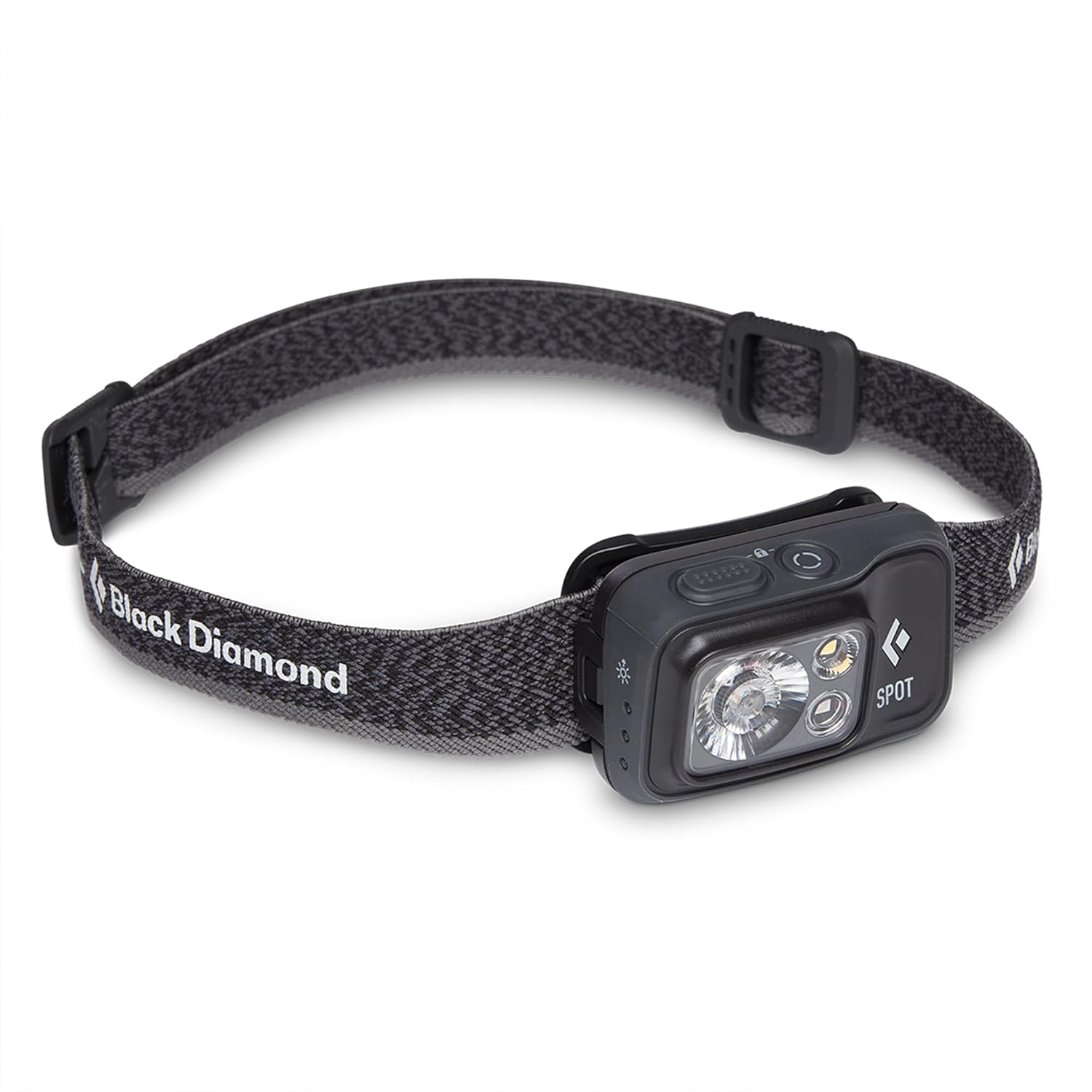
Best Beginner Hiking Headlamp 2026: GearLight vs Black Diamond vs Petzl
A headlamp is not optional: it belongs in your pack on every hike, even day hikes. Trailhead emergencies, slower-than-planned descents, and headlamp-only summit attempts all happen. The question is which one to bring. Here are three picks across the price spectrum: a sub-$25 backup pair, the consensus day-hiking lamp, and Petzl's rechargeable powerhouse for longer days.
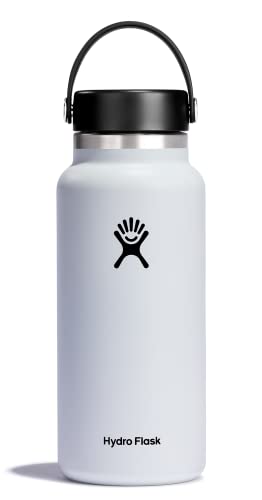
Best Beginner Hiking Water Bottle 2026: Nalgene vs Hydro Flask vs CamelBak
Dehydration is the most common cause of early hike turnarounds and trail emergencies. The solution is simple: carry enough water and actually drink it. Here are three hydration options: the indestructible trail standard, the insulated bottle that keeps drinks cold all day, and the hands-free reservoir system for longer and hotter hikes.

Best Beginner Trekking Poles 2026: Black Diamond Trail vs Distance Z
Trekking poles reduce knee impact by up to 25% on descents and add meaningful stability on uneven terrain. They're not optional once you start hiking with a loaded pack or doing technical descents. Here are three pairs: a no-frills starter, the consensus day-hiking pair, and a folding carbon option for hikers who want minimum weight.

Best Handheld GPS for Hiking (2026): 3 Rugged Picks That Work Off-Grid
A handheld GPS is rugged, reliable backcountry navigation that keeps working where your phone gives up: no cell signal needed, sunlight-readable screens, and batteries that last days, not hours. The choice comes down to whether you also want satellite SOS messaging for safety. Here are three good ones, all from Garmin, from a simple trail unit to a do-everything device with an emergency beacon.