Best Fabric Marking Tools (2026): Marks That Come Out Again
Every marking tool is a trade between two failure modes: a mark that disappears before you have sewn it, and a mark that will not come out afterwards. There is no tool that avoids both on every fabric, which is why experienced sewers own several and always test on a scrap first. The one that ruins a garment is usually the one nobody tested.
HobbyStack may earn a commission from links on this page at no extra cost to you. Our picks are chosen on merit; the commission helps fund the research.
- Always test on a scrap of the actual fabric, from the same piece, before marking a garment.
- Chalk brushes off easily — good for quick cutting lines, bad for anything you handle a lot.
- Water-erasable pens make crisp lines that last, and need washing out rather than brushing.
- Never press over an erasable mark. Heat can set some inks permanently.
- Mark on the wrong side wherever the construction allows it.
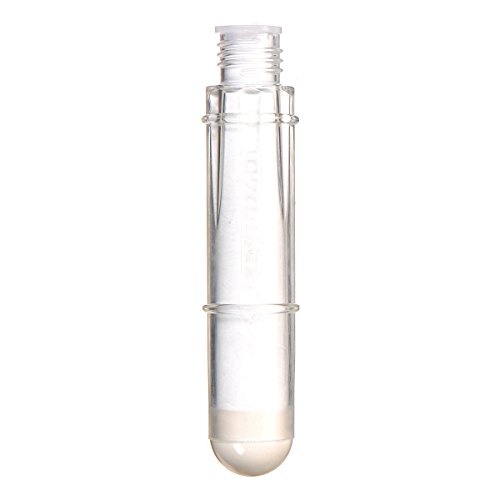 Clover Chaco Liner (pen style)Fine chalk lines$6Check price
 Our pickDritz Marking Chalk Wheel KitMost people$14Check price
 Prym Aqua Trick Marker + water penMarks that must last$22Check price
The three kinds, and what each fails at
Chalk — loose powder or a compressed wedge. Shows well on dark fabric, brushes off easily, and costs almost nothing. Its failure is the same as its virtue: it brushes off, including while you are handling the piece. Fine for cutting lines you use in the next ten minutes, unreliable for darts you will sew tomorrow.
Water-erasable ink makes a crisp, precise line that survives handling and comes out with water. Its failure is heat: press over it before removing and some inks set permanently. It can also reappear later if not thoroughly rinsed rather than dabbed.
Air-erasable ink fades on its own within a day or so. Excellent for quick marks, useless if you leave the project in a drawer for a week — and it can vanish mid-project on a humid day.
Nobody sensible owns only one. Chalk for cutting, ink for construction marks that need to survive.
Why testing on scrap is not optional
The same pen behaves differently on cotton, silk, wool and synthetics, and differently again on dyed versus undyed cloth. On some fabrics a water-erasable mark rinses out completely; on others it leaves a faint ring where the water spread the dye slightly.
So the rule: cut a scrap from the same piece — not a similar fabric, the same one — mark it, leave it as long as your project will take, then remove the mark the way you intend to. Ten minutes now against a ruined garment later.
Two specific hazards worth knowing. Heat sets some inks, so never press over a mark you have not removed. And some marks reappear weeks later as residue oxidises, which is why rinsing thoroughly beats dabbing at a spot.
On anything precious — silk, a wool coat, anything you cannot replace — mark inside the seam allowance where it will never be seen, or use tailor's tacks instead.
 Best fine chalk line
Clover 4722 Refill Pen Style Chaco Liner
A pen-shaped dispenser that lays down a narrow line of loose chalk powder through a small serrated wheel, which is a meaningfully finer line than a chalk wedge can manage. That precision matters for things like dart legs and notches where a fat chalk line introduces its own error. It brushes off cleanly, so there is very little risk of a permanent mark, and it refills rather than being replaced. The flip side of brushing off cleanly is that it also brushes off accidentally — carry the piece across the room a few times and the line fades. Use it for marks you will cut or sew shortly, not for ones that need to survive a week in a project bag.
What's good
- Genuinely fine line for chalk
- Brushes off cleanly — low risk
- Refillable
- Very cheap
What's not
- Rubs off with handling
- Not for marks that must last
- Powder can spill if dropped
- Less visible on pale fabric
 Best for most people
Dritz 662 Marking Chalk Wheel Kit,Purple
A chalk wheel with refills, and the wheel is what makes it better than a chalk pencil for long lines: it rolls a continuous even line along a ruler without dragging or skipping, and it does not need sharpening every few minutes. The kit format means several colours, which matters more than it sounds — you need something that shows on both dark and pale fabric, and one colour never does both. Refillable, so the running cost is negligible. It is still chalk, with chalk's weakness: it will rub off if the piece is handled a lot before you sew. For most garment sewing, where you cut and construct within a session or two, that is a fair trade for how quick and low-risk it is.
What's good
- Rolls a long even line without skipping
- Several colours for dark and pale fabric
- Refillable, negligible running cost
- No sharpening
What's not
- Still rubs off with handling
- Wheel can skip on very textured fabric
- Bulkier than a pen
- Not for marks that must last days
 Best for marks that must last
Prym Aqua Trick Marker Extra fine + Water Pen
Water-erasable ink with a companion water pen for removing it, and the pairing is the point — a fine water applicator lifts a line precisely without soaking the whole panel, which is what causes the faint rings people complain about. The mark itself is crisp and stays put through handling, so it suits construction marks you need days later: dart points, pocket placements, buttonhole positions. The rules are firm. Never press over an unremoved mark, because heat can set some inks permanently, and rinse rather than dab so no residue is left to reappear. Test on a scrap of the same fabric first, every time. Used properly it is the most reliable marking here; used carelessly it is the one that ruins a garment.
What's good
- Crisp line that survives handling
- Water pen removes precisely, not by soaking
- Right for marks needed days later
- Very visible on most fabrics
What's not
- Heat can set the ink permanently
- Can reappear if not rinsed properly
- Must be tested on every new fabric
- Most expensive here
Heat sets some erasable inks permanently, and an iron over an unremoved line can turn a temporary mark into part of the garment. Remove marks before pressing that area, and if you are unsure whether a particular pen is heat-safe on a particular fabric, that is exactly what the scrap test is for.
Tailor's tacks, when nothing else is safe
On fabrics where you do not trust any mark — silk, fine wool, anything pale and precious — the traditional answer is a tailor's tack: a loop of contrasting thread stitched loosely through both layers at the point you need, then snipped so a tuft remains on each piece.
It adds no chemicals and no residue, works on any fabric, and marks both layers at once, which is genuinely useful for darts.
It is slower, and the tacks pull out if handled roughly. But it is the only marking method that carries no risk at all of a permanent stain, which is why couture workrooms still use it on the expensive stuff.
Before you buy
Test on a scrap of the actual fabric, and leave it as long as your project will take.
Own both: chalk for cutting lines, ink for marks that must survive.
Buy a colour that shows on your fabric — one colour never covers dark and pale.
Mark the wrong side wherever construction allows.
On anything precious, use tailor's tacks instead.
Fabric marking questions
What is the best way to mark fabric?
Will fabric marker come out of my fabric?
Chalk or a marking pen?
How do I mark delicate or expensive fabric?
Own two: chalk for cutting lines and an erasable pen for marks that must survive handling. The Dritz chalk wheel is the right everyday tool — it rolls a long even line, refills for pennies, and carries almost no risk. Add the Prym water-erasable pen for darts and placements you sew days later, and respect the two rules: never press over an unremoved mark, and rinse rather than dab. And test on a scrap of the actual fabric, every time.
Ready to actually do it?
The first garment construction quest takes an evening, and it tells you whether the gear was worth it better than any review can.
Start Garment ConstructionThe HobbyStack editorial team researches each guide against manufacturer specifications, published resources and practitioner sources. Every product is checked for availability and described against its current listing before publication, and prices are re-checked when guides are updated.
About our editorial process →More gear guides
All guides
Best Beginner Sewing Machine 2026: Brother vs Janome vs Singer
The first sewing machine is the difference between sewing as a satisfying hobby and sewing as the thing you tried for a month. Here's how to pick a beginner machine that actually works, plus the brands and models to skip.

Best Fabric Shears for Beginners (2026): 3 Real Picks
There is one rule that matters more than which shears you buy: they never touch paper. Paper dulls a fabric blade fast, and a dull blade stops cutting cloth and starts pushing it, so your line wanders and the edge frays. That single habit separates shears that stay sharp for years from a pair that feels cheap within a month, and it is why sewers guard their fabric scissors and label them. Beyond that, the choices are simple: length, weight, and whether the handle suits your hand. Here are three good pairs and who each is actually for.

Best Seam Ripper (2026): The Tool That Saves the Garment
Unpicking is not a sign of failure; it is most of sewing. Every fitted garment involves stitching something, trying it, and taking it apart again, and the tool that does that badly will put a hole in fabric you have already cut and cannot replace. A seam ripper is two pounds of insurance on a project worth considerably more.

Best Sewing Machine Needles (2026): The Cheapest Fix for Bad Stitching
Skipped stitches, puckering, snapping thread and a machine that suddenly sounds wrong are almost always the needle, and almost never the machine. Needles are consumable — they blunt, bend a fraction and develop burrs long before they look damaged — and most people sewing badly are sewing with a needle that should have been binned months ago.

Best Thread Snips (2026): The Scissors You Keep Beside the Machine
Trimming a thread with dressmaking shears means picking up something heavy, opening it wide, and getting a blade near fabric you have just spent an hour sewing. Small scissors live beside the machine, open barely at all, and cut the thread where it leaves the seam. It is a tiny tool that changes the rhythm of sewing more than its price suggests.

Best Beginner Weaving Loom (2026): 3 Rigid-Heddle Looms to Start On
For learning to weave, the loom to start on is a rigid-heddle loom. It is simple, affordable, and quick to set up compared to a big floor loom, and you can weave real scarves, towels, and cloth on it within a day. The main choices are size, brand, and whether it folds. All three picks here are proper rigid-heddle looms from the two names weavers trust, from a complete starter kit to a folding loom you grow into.