Best Locking Carabiners (2026): The Rating On the Spine Assumes One Direction
The kilonewton figure stamped on a carabiner is measured one way: along the spine, with the gate shut. Load it across its minor axis, or with the gate held open by a sling or a rock, and the real strength falls to a fraction of that number. Almost every carabiner failure is a loading problem rather than a quality problem.
HobbyStack may earn a commission from links on this page at no extra cost to you. Our picks are chosen on merit; the commission helps fund the research.
- The kN rating is spine-to-spine with the gate closed. Nothing else.
- Cross-loading across the minor axis can cut strength by two thirds or more.
- Screwgate is cheap and you must remember to lock it. Auto-locking locks itself.
- Keylock noses do not snag. Hooked noses catch on slings and bolt hangers.
- Retire anything dropped from height, deeply grooved, or with a sticking gate.


What the numbers actually mean
Every certified carabiner carries three figures, usually as small pictograms on the spine.
- Major axis, an arrow along the length. This is the big number, typically 20 to 30 kN, measured spine-to-spine with the gate closed. The Petzl Am D here is rated 27 kN.
- Minor axis, an arrow across the width. Usually 7 to 10 kN. This is cross-loading.
- Gate open, typically 6 to 9 kN.
The gap between those is the whole safety story. A carabiner rated 27 kN along the spine may hold only 8 kN across it, and about the same with the gate held open. That is not a defect; it is how the shape works. Load passes along the spine because the spine is the solid side.
So the failure modes are positional, not material.
Cross-loading happens when a carabiner rotates so the load runs across it rather than along it — very commonly where a belay device or a sling twists in the basket. Many belay carabiners carry a captive bar or a rubber keeper specifically to stop this rotation.
Gate-open loading happens when a gate is pressed against rock, or a stiff sling holds it ajar, or vibration flutters it. A carabiner with its gate open is a hook.
Nose-hooking is when the nose catches on a bolt hanger or a sling and takes the load on the tip. This is what the keylock nose exists to prevent: a smooth notchless nose that cannot hook, instead of the traditional hooked nose with a pin.
Locking mechanism and shape
Screwgate is a sleeve you turn by hand. It is simple, cheap, lightweight, has nothing to seize up, and it is only locked if you remember to lock it. For anchors and rigging where you check everything deliberately, it is excellent. For a belay carabiner you handle constantly under stress, the fact that it can be left unlocked is the argument against it.
Auto-locking mechanisms lock themselves when released. Petzl's names are worth knowing because they come up constantly: Twist-Lock (twist only), Triact-Lock (lift then twist), Ball-Lock (push a button then twist). More actions means harder to open by accident, and harder to open with cold or gloved hands.
Then shape, which decides what it is for.
- Pear or HMS, wide at the top. The width accommodates a Munter hitch and lets a belay device sit properly. The BD RockLock here is the large version of this and is a belay and rappel carabiner.
- Asymmetric D, the most common shape. It pushes the load toward the spine, which is why it gives the best strength for the weight. The Petzl Am D is this, at 70 to 75 grams for 27 kN.
- Oval, symmetrical. It is weaker than a D for the same weight, and you choose it anyway because the uniform shape stops gear shifting inside it. That makes it the shape for pulleys, aid climbing and racking, where predictable position matters more than strength.
For canyoneering specifically, add water and grit to all of this. Sand works into screw threads and auto-locking mechanisms alike, so anything that goes in a canyon gets rinsed in fresh water, and a gate that grinds is telling you something.
 Best for belay and rappel
BLACK DIAMOND RockLock Screwgate Locking Belay/Rappelling Carabiner, Black
Black Diamond's largest locking carabiner, and the size is the point: a wide pear shape gives a belay device or a Munter hitch room to sit properly instead of being pinched into a corner. The keylock nose has no notch, so it cannot hook on a sling or a bolt hanger. The ergonomic spine and screwgate work one-handed even with gloves on. Being a screwgate, it is only locked when you have locked it.
What's good
- Wide pear shape suits belay devices and Munter hitches
- Keylock nose cannot snag on slings or hangers
- Works one-handed with gloves
- Cheapest of the three
What's not
- Screwgate must be locked manually every time
- Large and heavy for racking
- No captive bar to prevent cross-loading
- Threads pick up canyon grit
 Best for devices and lanyards
PETZL, AM'D Carabiner, Black, Screw-Lock
An asymmetrical D rated to 27 kN on the major axis at only 70 to 75 grams, which is an excellent strength-to-weight figure and comes from the shape pushing load onto the spine. The D profile naturally guides a belay device, descender or positioning lanyard into the correct orientation rather than letting it wander. A keylock nose and smooth interior prevent snagging. Available in several locking mechanisms, so check which you are ordering.
What's good
- 27 kN at 70-75 g is excellent strength to weight
- D shape guides devices into correct orientation
- Keylock nose and smooth interior resist snagging
- Offered in screw, twist, triact and ball locks
What's not
- Narrower basket than a pear for Munter hitches
- Multiple lock versions make ordering confusing
- Black finish is harder to inspect for wear
- Dearer than the RockLock
 Best for pulleys and racking
Black Diamond Oval Keylock Carabiner, Black
A symmetrical oval, which is deliberately the weakest shape per gram and chosen anyway for one reason: the uniform profile means whatever you clip into it stays where you put it instead of sliding to one end. That predictability is what pulleys, aid climbing and tidy racking need. A keylock nose keeps it snag-free and the large interior takes a lot of gear. It is not the carabiner to buy first.
What's good
- Uniform shape stops clipped gear shifting
- Right choice for pulleys and aid climbing
- Large carrying capacity for racking
- Keylock nose, so snag-free
What's not
- Weaker per gram than an asymmetric D
- Wrong first carabiner for most people
- Dearest here by a distance
- Narrow basket for belay devices
Rigging anchors and descending ropes are skills taught in person, with supervision, in that order. Buying the right carabiner does not make a system safe, and the commonest serious accidents come from correct hardware assembled wrongly. Take a course with a qualified instructor or a club before you rely on any of this. Never buy used life-safety gear, since you cannot see what it has been through, and retire anything you are unsure about.
Inspection and retirement
Check the gate every time. It should snap shut cleanly under its own spring, and the lock should run freely. A gate that is slow, gritty or does not close fully is a carabiner to retire, and in canyoneering that is usually sand in the hinge.
Rinse in fresh water after every canyon. Then work the gate while it dries. Salt and grit wear both the hinge and the locking threads.
Look for grooving. Ropes wear a channel into aluminium over time, especially on rappel carabiners. A groove you can catch a fingernail in has removed material from the loaded side, and that one is done.
Retire after a significant drop. A carabiner dropped from height onto rock can carry invisible microfractures. The fact that it looks fine is not evidence. They are cheap and you are not.
Do not lubricate with anything oily that will transfer to a rope. A dry lubricant or graphite on the hinge only, if anything.
Mind the age of slings and ropes too. Metal has no fixed shelf life but the textiles it connects to do, and nylon degrades with UV and age whether or not it has been used.
Mark your gear. Shared canyon kit gets mixed up, and knowing the history of a specific carabiner is part of knowing whether to trust it.
Before you buy
Pear or HMS for belaying and Munter hitches.
Asymmetric D for the best strength per gram.
Auto-locking if it will be handled constantly under stress.
Keylock nose, always. Hooked noses snag.
Never buy used. You cannot see what it has survived.
Carabiner questions
What do the kN numbers on a carabiner mean?
What is cross-loading and why is it dangerous?
Screwgate or auto-locking?
When should I retire a carabiner?
The Black Diamond RockLock is the one to start with: a wide pear that gives a belay device room to sit properly, a keylock nose that will not snag, and a price that lets you buy several. Choose the Petzl Am D where strength to weight matters and you want a D to orient your devices. The oval is a specialist shape for pulleys and racking. Get trained before you trust any of it.
Ready to actually do it?
The first canyoneering quest takes an evening, and it tells you whether the gear was worth it better than any review can.
Start CanyoneeringThe HobbyStack editorial team researches each guide using practitioner communities, published resources, and direct input from active hobbyists. Every guide is reviewed for accuracy before publication and updated when practices change.
About our editorial process →More gear guides
All guides
Best Dry Bag (2026): Three Rolls Minimum, and Abrasion Beats Waterproofing
A dry bag does not fail because water gets through the fabric. It fails because the top was rolled twice instead of three times, or because the bag was dragged down a sandstone slot until the coating wore off. Both are avoidable and neither is about how waterproof the material was when you bought it.

Best Beginner Belay Device 2026: BD ATC-XP vs Petzl GRIGRI vs GRIGRI+
A belay device is the friction tool that lets you manage the rope, catching your climber's falls and lowering them safely. Every climber needs to own one once they're belay certified. Here are three picks across the two fundamental categories: the standard tube device every beginner learns on, and the two versions of Petzl's cam-assisted GRIGRI that most serious gym climbers eventually upgrade to.

Best Beginner Climbing Harness 2026: Black Diamond vs Petzl Corax vs Solution
Your harness is the connection between you and the rope: it needs to fit, hold falls safely, and stay comfortable during long sessions at the wall. The good news: any UIAA/CE-certified harness from a major brand is safe. The choice is about comfort, padding, and how much you climb. Here are three picks that cover beginner gym use through regular sport climbing.

Best Beginner Climbing Helmet 2026: BD Half Dome vs Petzl Boreo vs Sirocco
Helmets are required for outdoor climbing and strongly recommended for any gym climbing near the top of routes. The primary protection is against rockfall and hitting the wall on a fall, not against ground falls (rope catches those). Here are three picks: a well-priced foam helmet, the consensus hybrid hardshell/foam option, and Petzl's ultralight helmet for climbers who count grams.
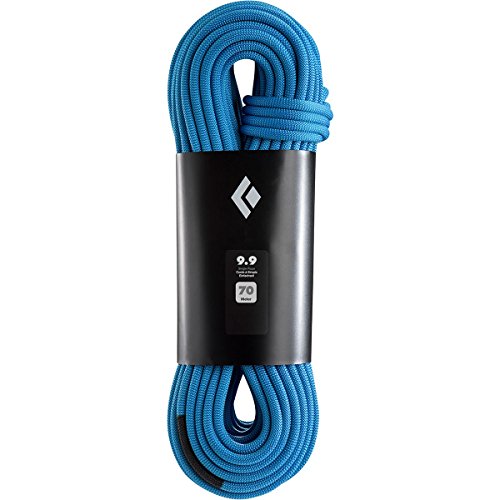
Best Beginner Climbing Rope 2026: Mammut 9.9mm vs 9.5mm Crag Classic vs We Care
A climbing rope is the most critical piece of gear you will own, the last thing between you and the ground. The good news: any modern UIAA/CE-certified single dynamic rope from a reputable brand is safe by design. The real choices are diameter (thicker is more durable and easier to belay, thinner is lighter), length (60m covers the gym and most single-pitch crags, 70m reaches longer routes), and brand. Here are three in-stock, certified dynamic ropes that cover gym to crag.

Best Beginner Climbing Shoes (2026): 3 Comfy, Flat Picks to Start In
Your first pair of climbing shoes really only needs to do one thing: help you learn without wrecking your feet. That means a flat, comfortable shoe that fits snug but not painful, not the aggressive downturned models the strong folks wear on steep overhangs. For gym bouldering, top-rope, and your first trips outside, you want grip and comfort, not a race car you can barely stand to wear for one climb. Here are three good beginner shoes, from a comfy budget pick to a moderate all-rounder you can grow into.