Best Beginner Climbing Harness 2026: Black Diamond vs Petzl Corax vs Solution
Your harness is the connection between you and the rope: it needs to fit, hold falls safely, and stay comfortable during long sessions at the wall. The good news: any UIAA/CE-certified harness from a major brand is safe. The choice is about comfort, padding, and how much you climb. Here are three picks that cover beginner gym use through regular sport climbing.
HobbyStack may earn a commission from links on this page at no extra cost to you. Our picks are chosen on merit; the commission helps fund the research.
- Rent before you buy. Most gyms rent harnesses for $5–8. Spend 3–5 sessions on rented gear while you figure out your fit preferences before committing to a purchase.
- Our pick: Petzl Corax (~$80). Comfortable padding, fits a wide waist and leg loop range, and works equally well for gym and first outdoor sport climbs. The most versatile beginner harness.
- Budget pick: Black Diamond Momentum (~$75). The industry-standard first harness — comfortable for gym sessions, Speed Adjust waistbelt threads fast, and Black Diamond is the brand your gym instructors know.
- Upgrade: Petzl Adjama (~$100). Better padding distribution for 2+ hour sessions and a more breathable build. The right step-up once you're climbing multiple days per week.
- Fit matters more than brand. A harness that fits your waist and hip bones correctly is safer and more comfortable than any feature on a harness that doesn't. If possible, try on multiple harnesses loaded with weight before buying.
 Black Diamond Momentum Harness$75Speed Adjust waistbelt · trakFIT leg loopsFirst gym harness
 Petzl Corax HarnessPick$80Wide waistbelt · adjustable legs · gym + outdoorMost beginner climbers
 Petzl Adjama Harness$105Dual Density foam · ventilated · sport climbingRegular gym climbers
What makes a harness fit correctly
A climbing harness sits on your hip bones, not your waist. The waistbelt should be snug enough that you can fit two fingers under it — tight enough to stay on your hips if you hang inverted, not so tight it restricts breathing. The leg loops should be snug without cutting off circulation. Both buckles must be doubled back through the frame — this is mandatory, not optional. Check before every session.
Harnesses are size-specific, and sizes vary by brand — Petzl's size 1 does not equal Black Diamond's medium. Measure your waist and refer to the brand's size chart before ordering online. Amazon ASINs for harnesses are often size-specific; confirm your size from the chart and select accordingly.
How we picked
We filtered on: UIAA/CE certification (non-negotiable — life-safety equipment only from certified manufacturers), waistbelt padding (how comfortable the belt is under fall loads and during hanging rests — thin belts work, padded belts work better for long sessions), leg loop adjustability (independent leg loop adjustment fits more body shapes than fixed loops), buckle system (Speed Adjust and similar quick-thread buckles reduce double-back errors vs older-style buckles), weight (lighter harnesses feel better on long climbing days; heavy harnesses are rarely a real problem at beginner volumes), and intended use (gym-only harnesses differ from sport and multi-pitch harnesses in gear loop count and material choices). We excluded low-cost unbranded harnesses — harness failure is catastrophic and only certified brands should be trusted.
 Best first gym harness
Black Diamond Momentum Harness
The Black Diamond Momentum is the harness in the BD Momentum Package (the classic beginner kit) and the one most gym instructors put first-time buyers in — not by coincidence. It uses Black Diamond's Speed Adjust buckle, which threads in a single pass and is harder to mis-load than older-style buckles. The trakFIT leg loops have their own adjustment straps, so you can dial in the waist fit and leg fit independently rather than compromising one for the other. The Dual Core Construction in the waistbelt layers firm foam for load support with softer foam for comfort. For 1–2 hour gym sessions, it's comfortable. For 3+ hour sessions multiple days per week, heavier padding (like the Solution) starts to feel meaningfully better. ASIN is size-specific — use BD's size chart to confirm your measurement before ordering.
What's good
- Speed Adjust buckle: one-pass threading, harder to mis-double-back
- trakFIT leg loops: independent adjustment for more body types
- Black Diamond brand recognized by every gym instructor and guide
- UIAA/CE certified — meets all safety standards
- The solo harness from the classic BD Momentum Package — proven beginner choice
What's not
- Thinner waistbelt padding than Corax or Solution — noticeable on 3+ hour sessions
- ASIN is size-specific — must select correct size before ordering
- Right-hand buckle orientation only (not listed as ambidextrous)
 Best all-around beginner harness
Petzl Corax Harness
The Petzl Corax is built around one principle: fit the widest possible range of body shapes in a single harness. The adjustable waistbelt covers 25–35 inches and the leg loops adjust across a similarly wide range — which means partners with very different builds can share a Corax if needed, and more importantly it fits correctly if you're between standard sizes. The waistbelt is wider and more padded than the BD Momentum's, which makes a noticeable difference when hanging on rest holds or during a fall. The DoubleBack buckles on both the waistbelt and leg loops are the industry-standard safety closure that every belay certification course covers. The Corax works equally well in the gym and for first outdoor sport climbing, making it the more versatile first harness than gym-specific options.
What's good
- Wide adjustment range: fits many body shapes without size-splitting
- More waistbelt padding than the Momentum — noticeably better for longer sessions
- DoubleBack buckles on both waist and legs — standard safety closure
- Works for both gym and outdoor sport climbing — no need to upgrade for first outdoor trips
- UIAA/CE certified
What's not
- ASIN is size 1 — confirm your measurements against Petzl's size chart
- Slightly heavier than minimalist sport-only harnesses
- Fewer gear loops than multi-pitch harnesses (fine for gym and single-pitch)
 Best to grow into
Petzl Adjama Harness
The all-around harness to grow into. The Petzl Adjama is a step up from a basic beginner harness: wider, more breathable padding across the waistbelt and leg loops for comfort hanging at belays or on longer routes, four gear loops for a full trad or sport rack, and adjustable leg loops to fit over different layers. It is a versatile do-everything harness that suits sport, trad, and multi-pitch, from a brand climbers trust. More than a first-timer strictly needs, but if you already know you will climb a lot, it is the harness you buy once.
What's good
- Comfortable wide padding for long hangs and belays
- Four gear loops for a full sport or trad rack
- Adjustable leg loops fit over any layers
- Versatile do-everything harness from Petzl
What's not
- More harness and cost than a gym beginner needs
- Adjustable legs add a little weight
Every harness with frame buckles requires the webbing to be doubled back through the frame before use. A single-passed buckle that isn't doubled back can fail under load. Check your own harness before each climb and your partner's before they leave the ground. This is the single most common harness check that gets skipped and the one that causes the most harness-related accidents.
Before you buy
Size harnesses by measuring your waist at the widest point of your hips (not your belt line) and your thigh circumference. These two measurements determine waist and leg loop size — different brands size them differently.
Adjust the leg loops so you can fit two fingers between the loop and your thigh when standing. Hang in the harness to check: loops should stay snug, not shift or sag.
Replace your harness after 10 years regardless of condition, after any major fall that significantly loaded it, or immediately if you see fraying, discoloration, or stiffness in the webbing. Harnesses are life-safety equipment.
Wash harnesses in a mesh bag on a gentle cycle with mild soap. No bleach, no fabric softener. Air dry only — heat degrades the nylon webbing.
Keep your harness away from car exhaust, battery acid, and direct sunlight during storage. UV and chemical exposure degrades nylon faster than use does.
Common questions about climbing harnesses
How do I know if a climbing harness fits?
How long does a climbing harness last?
Can I use a harness for both gym and outdoor climbing?
Do I need a different harness for sport vs trad vs multi-pitch?
Is there a separate women's harness?
The Petzl Corax is the right first harness for most beginners — wide fit range, enough padding for long gym sessions, and equally at home at the gym and outdoors. Start with the BD Momentum if you want the classic industry-standard first harness at a familiar price. Upgrade to the Petzl Adjama once you're climbing multiple days per week and notice the comfort difference.
Ready to actually do it?
The first rock climbing quest takes an evening, and it tells you whether the gear was worth it better than any review can.
Start Rock ClimbingThe HobbyStack editorial team researches each guide using practitioner communities, published resources, and direct input from active hobbyists. Every guide is reviewed for accuracy before publication and updated when practices change.
About our editorial process →More gear guides
All guides
Best Beginner Belay Device 2026: BD ATC-XP vs Petzl GRIGRI vs GRIGRI+
A belay device is the friction tool that lets you manage the rope, catching your climber's falls and lowering them safely. Every climber needs to own one once they're belay certified. Here are three picks across the two fundamental categories: the standard tube device every beginner learns on, and the two versions of Petzl's cam-assisted GRIGRI that most serious gym climbers eventually upgrade to.

Best Beginner Climbing Helmet 2026: BD Half Dome vs Petzl Boreo vs Sirocco
Helmets are required for outdoor climbing and strongly recommended for any gym climbing near the top of routes. The primary protection is against rockfall and hitting the wall on a fall, not against ground falls (rope catches those). Here are three picks: a well-priced foam helmet, the consensus hybrid hardshell/foam option, and Petzl's ultralight helmet for climbers who count grams.
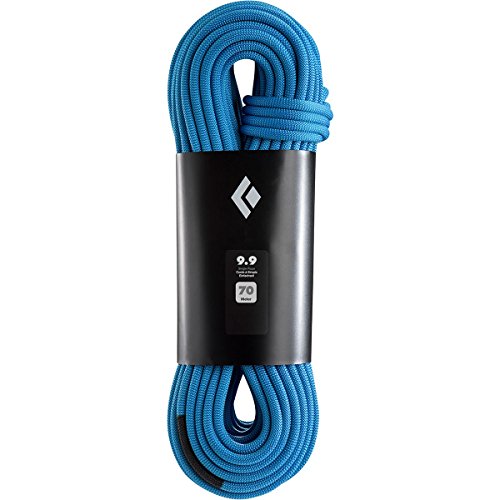
Best Beginner Climbing Rope 2026: Mammut 9.9mm vs 9.5mm Crag Classic vs We Care
A climbing rope is the most critical piece of gear you will own, the last thing between you and the ground. The good news: any modern UIAA/CE-certified single dynamic rope from a reputable brand is safe by design. The real choices are diameter (thicker is more durable and easier to belay, thinner is lighter), length (60m covers the gym and most single-pitch crags, 70m reaches longer routes), and brand. Here are three in-stock, certified dynamic ropes that cover gym to crag.

Best Beginner Climbing Shoes (2026): 3 Comfy, Flat Picks to Start In
Your first pair of climbing shoes really only needs to do one thing: help you learn without wrecking your feet. That means a flat, comfortable shoe that fits snug but not painful, not the aggressive downturned models the strong folks wear on steep overhangs. For gym bouldering, top-rope, and your first trips outside, you want grip and comfort, not a race car you can barely stand to wear for one climb. Here are three good beginner shoes, from a comfy budget pick to a moderate all-rounder you can grow into.

Best Dry Bag (2026): Three Rolls Minimum, and Abrasion Beats Waterproofing
A dry bag does not fail because water gets through the fabric. It fails because the top was rolled twice instead of three times, or because the bag was dragged down a sandstone slot until the coating wore off. Both are avoidable and neither is about how waterproof the material was when you bought it.

Best Snowboard Goggles for Beginners (2026): 3 Real Picks
Goggles are not optional on a snowboard: wind, glare, cold, and blowing snow make riding without them miserable and unsafe, and unlike sunglasses they seal to your face and stay put. The good news is you do not need to spend much. Any decent pair blocks UV and wind; what more money buys is better anti-fog, optics that read terrain in flat light, and quick lens swaps for changing conditions. Here are three good ones, plus the one spec that actually matters.