Best Dry Bag (2026): Three Rolls Minimum, and Abrasion Beats Waterproofing
A dry bag does not fail because water gets through the fabric. It fails because the top was rolled twice instead of three times, or because the bag was dragged down a sandstone slot until the coating wore off. Both are avoidable and neither is about how waterproof the material was when you bought it.
HobbyStack may earn a commission from links on this page at no extra cost to you. Our picks are chosen on merit; the commission helps fund the research.
- Roll the top down at least three full turns before buckling. Two is not a seal.
- In a canyon, abrasion resistance matters more than the waterproof rating.
- Leave a little air in for buoyancy, or squeeze it out to save space. Not both.
- Double bag anything that must stay dry. Phone, keys, car fob, first aid.
- Bright colours. A black bag in a dark pool is gone.
 Pimoys 3-packSorting kit$13Check price
 Our pickEarth Pak 20LMost trips$26Check price
 Sea to Summit Big River 20LCanyon abuse$55Check price
Rolling it properly, which is where they fail
A roll-top dry bag is not sealed by the buckle. It is sealed by the friction of the fabric against itself as it is rolled down, and the buckle only holds the roll in place.
So the rule is at least three full turns, folded tightly and squarely, before you clip. Two turns will hold out splashes and will leak under pressure, which is exactly what a swim through a pothole applies.
Fold it flat and square first. Press the air out of the opening, flatten the top edge, then roll from that flat edge. A roll started on a bunched-up opening leaves channels that water follows straight in.
Buckle across, not along. The clip should pull the roll tight against itself rather than just joining two ends loosely.
Do not overfill. You need at least six inches of empty bag above the contents to roll properly. A bag stuffed to the brim cannot be sealed at all, and this is the commonest reason a dry bag lets water in.
Air or no air, decide. Leaving air inside gives you a float, which is genuinely useful in a canyon where a dropped pack should not sink. Squeezing air out makes the bag smaller and stops it acting like a balloon in a tight squeeze. Both are valid. Doing it inconsistently is how you end up with a pack that neither floats nor fits.
Why canyon use is different
Most dry bags are designed for kayaking and camping, where the enemy is water and the bag mostly sits still.
A canyon is an abrasion problem. Bags get dragged over sandstone, lowered down drops on a rope, hauled through slots narrower than your shoulders, and landed on from height. Sandstone in particular is essentially sandpaper at scale.
So the specification that matters is the fabric and coating, not the waterproof rating on the label:
- 210D ripstop polyester with an internal coating, as on the budget three-pack, is a light camping fabric. Fine inside a pack, and it will not survive being the outer surface in a slot.
- 500D PVC, as on the Earth Pak, is heavy, genuinely abrasion resistant and the usual choice for rafting.
- TPU-coated 420D nylon with a triple-coated base, as on the Big River, targets exactly this: a reinforced bottom because the bottom is what drags.
Lowering a bag is where they die. If a bag is going down a drop on a rope, it wants a proper haul loop or a separate tether, not the shoulder strap taking the shock.
Then buoyancy. A sealed bag with air in it floats, and floats high. In a canyon with swimmers, that turns your pack into a flotation aid and stops it disappearing into a dark pool. Which is also the argument for bright colours over black.
 Best for sorting kit
Dry Bag Waterproof 3 Pack Lightweight Outdoor Dry Sack
Three bags in 6, 10 and 20 litres, in different colours, which is the practical use for a set like this: sort your kit inside a bigger pack so a swim does not soak everything and you can find things without emptying the lot. The 210T ripstop with an internal coating and a rectangular base packs neatly. It is a light camping fabric, so treat these as internal organisers rather than the surface taking canyon abrasion.
What's good
- Three sizes and three colours to sort kit by
- Rectangular base stacks neatly inside a pack
- Almost nothing to lose if one gets destroyed
- Very light, so no penalty for carrying all three
What's not
- 210T ripstop will not survive sandstone abrasion
- No shoulder strap or haul loop
- Thin buckles compared with the others
- Best used inside a pack, not as the outer bag
 Best for most trips
Earth Pak 20L Waterproof Dry Bag
Heavy 500D PVC, which is the fabric rafters have used for decades because it takes abrasion and keeps taking it. Twenty litres suits a day of kit, and an adjustable shoulder strap between 24 and 42 inches means you can carry it properly rather than clutching it. An IPX8 rated phone case is included, which handles the one item most people worry about. Heavier and stiffer than nylon, and it stays stiff in the cold.
What's good
- 500D PVC genuinely resists abrasion
- Adjustable 24 to 42 inch shoulder strap
- IPX8 phone case included in the box
- Available in a wide range of sizes
What's not
- Heavier and bulkier than coated nylon
- PVC stiffens noticeably in cold conditions
- No reinforced base like the Big River
- Shoulder strap is not built for hauling on rope
 Best for canyon abuse
Sea to Summit Big River Dry Bag
TPU-coated 420D nylon with a triple-coated base, and the base is the point: the bottom of a bag is what drags over rock, gets landed on and wears through first, so reinforcing it there is aimed at exactly how these die. Lighter than PVC for the same toughness, and it stays flexible in the cold. The white laminate interior sounds like a detail and genuinely helps you find dark objects inside a dark bag.
What's good
- Triple-coated base reinforces where bags actually wear
- TPU nylon is lighter than PVC for the toughness
- Stays flexible in cold conditions
- White interior makes contents visible
What's not
- Dearest here for 20 litres
- No phone case included
- Fewer colour options
- Still wants a tether rather than hauling by the strap
A dry bag is a system with one failure mode: the roll. A bag that snags open, gets overfilled, or takes a hard landing on the closure can let water in without any visible damage. So keys, phone, car fob, headtorch, first aid and anything else you would call a trip-ender go inside a second sealed bag or a dedicated case within the main one. It costs almost nothing and removes the single point of failure.
Looking after them
Rinse after salt or silt. Grit trapped in the roll wears the coating from the inside and stops the fold sealing cleanly. Fresh water and a wipe is enough.
Dry it inside out. A bag put away damp grows mould, and the smell transfers to everything you put in it afterwards.
Store it unrolled and open, ideally hanging. Leaving a bag rolled for months sets a crease that becomes a wear line and eventually a leak.
Check the seams before a trip. Failures start at the taped seams and at the base corners. Fill the bag with air, seal it and squeeze; leaks make themselves obvious.
Patch small holes early. Tenacious Tape or a PVC patch depending on the fabric. A pinhole in a coating spreads fast once water starts working at it.
Do not sit on a sealed bag. Air pressure inside has nowhere to go and takes the load on the seams and the roll rather than the fabric. It is a surprisingly common way to blow one open.
Before you buy
Match the fabric to the punishment, not to the waterproof rating.
Heavier fabric or a reinforced base for canyons and rock.
Buy bigger than the contents so you can roll three times.
Bright colours, so a dropped bag is findable in dark water.
Double bag anything that would end the trip if it got wet.
Dry bag questions
How many times should I roll a dry bag?
Why did my dry bag leak with no visible damage?
What fabric do I need for canyoneering?
Should I leave air in a dry bag?
The Earth Pak 20L is the sensible buy for most trips: heavy 500D PVC that takes abrasion, a proper adjustable strap, and a phone case in the box. Step up to the Sea to Summit Big River if you are in canyons regularly, because the reinforced base targets exactly where bags wear through. The three-pack is worth having regardless, as organisers inside a bigger pack. And roll it three times.
Ready to actually do it?
The first canyoneering quest takes an evening, and it tells you whether the gear was worth it better than any review can.
Start CanyoneeringThe HobbyStack editorial team researches each guide against manufacturer specifications, published resources and practitioner sources. Every product is checked for availability and described against its current listing before publication, and prices are re-checked when guides are updated.
About our editorial process →More gear guides
All guides
Best Locking Carabiners (2026): The Rating On the Spine Assumes One Direction
The kilonewton figure stamped on a carabiner is measured one way: along the spine, with the gate shut. Load it across its minor axis, or with the gate held open by a sling or a rock, and the real strength falls to a fraction of that number. Almost every carabiner failure is a loading problem rather than a quality problem.

Best Beginner Belay Device 2026: BD ATC-XP vs Petzl GRIGRI vs GRIGRI+
A belay device is the friction tool that lets you manage the rope, catching your climber's falls and lowering them safely. Every climber needs to own one once they're belay certified. Here are three picks across the two fundamental categories: the standard tube device every beginner learns on, and the two versions of Petzl's cam-assisted GRIGRI that most serious gym climbers eventually upgrade to.

Best Beginner Climbing Harness 2026: Black Diamond vs Petzl Corax vs Solution
Your harness is the connection between you and the rope: it needs to fit, hold falls safely, and stay comfortable during long sessions at the wall. The good news: any UIAA/CE-certified harness from a major brand is safe. The choice is about comfort, padding, and how much you climb. Here are three picks that cover beginner gym use through regular sport climbing.

Best Beginner Climbing Helmet 2026: BD Half Dome vs Petzl Boreo vs Sirocco
Helmets are required for outdoor climbing and strongly recommended for any gym climbing near the top of routes. The primary protection is against rockfall and hitting the wall on a fall, not against ground falls (rope catches those). Here are three picks: a well-priced foam helmet, the consensus hybrid hardshell/foam option, and Petzl's ultralight helmet for climbers who count grams.
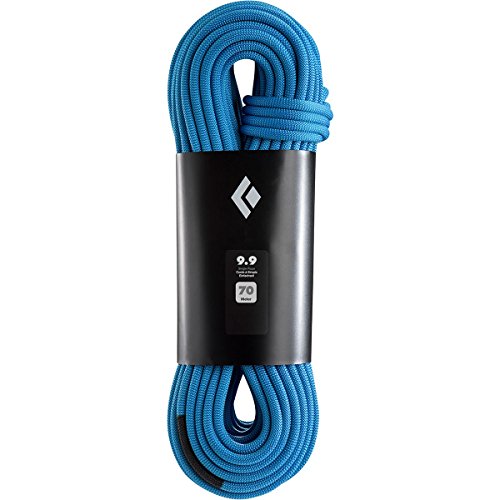
Best Beginner Climbing Rope 2026: Mammut 9.9mm vs 9.5mm Crag Classic vs We Care
A climbing rope is the most critical piece of gear you will own, the last thing between you and the ground. The good news: any modern UIAA/CE-certified single dynamic rope from a reputable brand is safe by design. The real choices are diameter (thicker is more durable and easier to belay, thinner is lighter), length (60m covers the gym and most single-pitch crags, 70m reaches longer routes), and brand. Here are three in-stock, certified dynamic ropes that cover gym to crag.

Best Beginner Climbing Shoes (2026): 3 Comfy, Flat Picks to Start In
Your first pair of climbing shoes really only needs to do one thing: help you learn without wrecking your feet. That means a flat, comfortable shoe that fits snug but not painful, not the aggressive downturned models the strong folks wear on steep overhangs. For gym bouldering, top-rope, and your first trips outside, you want grip and comfort, not a race car you can barely stand to wear for one climb. Here are three good beginner shoes, from a comfy budget pick to a moderate all-rounder you can grow into.