Best Pottery Wheel for Beginners (2026): 3 Real Picks
A pottery wheel is the tool that turns a lump of clay into a bowl, and the good news for a beginner is you do not need a studio-grade machine to learn on. What you actually need is enough motor torque to hold speed when your hands press on the clay, a pedal to control that speed, and a wheel head big enough for the pieces you want to throw. Cheap toy wheels bog down the moment you center clay, which is exactly when a beginner needs steady power. Here are three genuinely capable wheels across the range, plus what actually matters when you choose.
HobbyStack may earn a commission from links on this page at no extra cost to you. Our picks are chosen on merit; the commission helps fund the research.
- Torque matters more than top speed. A weak motor bogs down when you press on the clay; that stall is what wrecks centering.
- Get a foot pedal, not a hand dial. You need both hands on the clay, so speed control belongs at your foot.
- Match the wheel-head size to your pieces. A ~10-11 inch head throws most beginner bowls and mugs; go bigger only for larger work.
- The wheel is one cost. Budget for clay, a basic tool kit, a bat or two, and somewhere you don't mind getting muddy.
 VEVOR 11-inch 350W Pottery WheelCentering real clay for the least money$111Check price
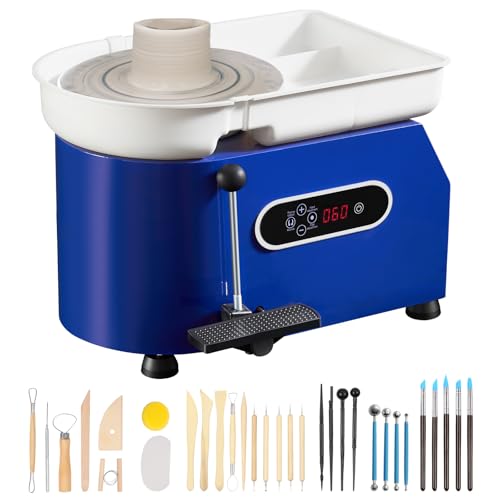 Our pickVEVOR 11-inch 450W Pottery WheelThe torque that makes learning less frustrating$119Check price
 VEVOR 14-inch 450W Height-Adjustable Pottery WheelThrowing bigger pieces and a comfy working height$196Check price
The single thing that separates a usable pottery wheel from a frustrating one is torque, the motor's ability to hold its speed when your hands push down on the clay. Centering clay means pressing hard against a spinning lump, and a weak motor slows or stalls exactly then, which throws the clay off-center and teaches you bad habits. That is why the cheap kids' wheels fail beginners: they spin fine empty and die under load. A 350 to 450 watt motor is the sweet spot for learning, enough to hold a few pounds of clay steady while you center and pull walls. The other non-negotiable is a foot pedal for speed, because throwing needs both hands on the clay; a wheel you control with a hand dial is a wheel you cannot really throw on. Beyond that, the wheel-head size sets the ceiling on how big you can throw, and reversibility (clockwise or counter) is a nice-to-have for left-handers.
So choose by how far you plan to take it, and leave money for the clay and tools around the machine. If you just want to find out whether you enjoy throwing, a capable 350-watt wheel with a foot pedal gets you centering real clay for a modest price, far better than any toy wheel. A 450-watt wheel is the small step up most people should make: the extra torque holds heavier clay without bogging, which makes learning noticeably less frustrating. And if you already know you want to throw larger pieces, a bigger, height-adjustable wheel gives you a taller working position and room for plates and vases. All three below are VEVOR, which dominates the affordable-wheel market on merit (in stock, well reviewed, genuinely capable), though studio brands like Shimpo and Brent exist far above this price if you ever go pro. Whichever you pick, the wheel is only part of the cost: clay, a tool kit, and a bat or two are what actually let you start.
 Best budget start
VEVOR 11-inch 350W Pottery Wheel
The cheapest wheel that will actually teach you to throw, rather than fight you. This VEVOR runs a 350-watt motor, which is enough torque to hold a couple of pounds of clay steady while you center and pull walls, the exact moment cheaper toy wheels stall and ruin the piece. It has an 11-inch wheel head (plenty for beginner bowls and mugs), a foot pedal so both hands stay on the clay, and a removable basin to catch the water and slip. The build is basic and it is not silent, and the top speed and finish are not studio-grade, but none of that matters when you are learning to center. For finding out whether throwing is for you, or for a first real wheel on a budget, it does the job for a fraction of a studio machine and leaves money for clay and tools.
What's good
- Enough torque (350W) to center real clay
- Foot pedal, so both hands stay on the clay
- 11-inch head handles beginner bowls and mugs
- Removable basin catches water and slip
What's not
- Basic build and not the quietest
- Bogs on heavy clay a stronger motor would hold
 Best for most people
VEVOR 11-inch 450W Pottery Wheel
The wheel most beginners should buy, because the extra torque is exactly what makes learning easier. Stepping from 350 to 450 watts sounds small but it is the difference between a motor that holds its speed under your hands and one that dips when you lean into the clay, and that steadiness is what lets centering finally click. It keeps the 11-inch head and foot pedal of the budget wheel, adds reversible rotation (handy for left-handers), and holds heavier clay without bogging, so you are not fighting the machine on top of learning a hard skill. It costs a little more than the 350-watt version and is still not a studio machine, but for the price of a couple of clay bags more, you remove one of the biggest sources of beginner frustration. For most people getting serious about throwing, this is the sweet spot.
What's good
- 450W holds heavier clay without bogging
- Reversible rotation suits left-handers
- Foot pedal and 11-inch head like the budget wheel
- Small price step for a real torque gain
What's not
- Only a little pricier than the 350W, but worth it
- Still a hobby wheel, not a studio machine
 Best to grow into
VEVOR 14-inch 450W Height-Adjustable Pottery Wheel
The step up for someone who already knows they want to throw larger, and to sit comfortably while doing it. This VEVOR keeps the 450-watt torque but adds a 14-inch wheel head, which gives you room for plates, wider bowls, and bigger vases that a smaller head cannot support, plus height-adjustable legs so you can set a working position that does not wreck your back over a long session. That adjustability matters more than beginners expect, because throwing is hours hunched over a spinning point, and the right height is the difference between a comfortable afternoon and a sore one. It is the most expensive option here and more wheel than someone throwing small mugs needs, but if you are committed and want to grow into larger work without buying a second wheel, it earns its price. Still finding your feet? The 11-inch 450W above is plenty to learn on.
What's good
- 14-inch head handles plates and larger pieces
- Height-adjustable legs for a comfortable position
- Same 450W torque for steady centering
- Buy-once if you plan to throw bigger
What's not
- Most expensive option, more than small work needs
- Larger footprint to store and clean around
To actually throw you also need clay (a smooth stoneware is forgiving to learn on), a basic pottery tool kit (rib, needle, wire, sponge), and a bat or two to lift finished pieces off the head. And you need a way to fire the finished work, usually a community studio or class kiln to start, since a kiln is a much bigger purchase. Budget roughly $60 to $120 for the clay and tools around the wheel.
Before you buy
Prioritise torque over top speed. A motor that holds steady under your hands is what makes centering click.
Make sure it's a foot pedal. Throwing needs both hands on the clay; a hand dial doesn't work.
Set a comfortable height. Throwing is hours hunched over; the right seat-to-wheel height saves your back.
Sort out firing before you throw a lot. A class or community studio kiln is the cheapest way to start.
Common questions
How much power does a beginner pottery wheel need?
What size wheel head should I get?
Do I need a kiln to start pottery?
What else do I need besides the wheel?
For most people learning to throw, the VEVOR 11-inch 450W is the wheel to buy: enough torque to hold clay steady so centering finally clicks, at a fair price. Start with the 350W version if you just want to test whether throwing is for you, and step up to the 14-inch height-adjustable wheel only if you already know you'll throw larger pieces. Whichever you choose, leave budget for clay, tools, and a place to fire your work.
Ready to actually do it?
The first pottery quest takes an evening, and it tells you whether the gear was worth it better than any review can.
Start PotteryThe HobbyStack editorial team researches each guide against manufacturer specifications, published resources and practitioner sources. Every product is checked for availability and described against its current listing before publication, and prices are re-checked when guides are updated.
About our editorial process →More gear guides
All guides
Best Pottery Clay for Beginners (2026): Air-Dry, Stoneware or Porcelain
Clay is the one purchase in pottery where the right answer depends entirely on something outside the clay: whether you have a kiln. Air-dry clay needs none and will never hold water. Firing clay needs a kiln that reaches a specific temperature, and the number describing that temperature is on every bag — which is why buying clay before knowing your studio is how people end up with 25lb of something they cannot fire.

Best Pottery Tool Set (2026): Six of the Twelve Do Nearly Everything
Open a twelve-piece pottery set and six tools will do nearly all your work: the wire cutter, a wooden rib, a metal rib, a loop trimming tool, a sponge and a needle tool. The rest get picked up once, found to duplicate something, and left in the canister for years.

Best Leatherworking Starter Kit for Beginners (2026): 3 Picks Compared
Leatherworking needs a surprising number of small tools, and buying them one at a time is slow and expensive. An all-in-one starter kit gets you the core cutting, punching, and hand-stitching tools together, so you can make your first wallet or belt the week it arrives. Here are three good kits, from a cheap complete set to a big pro-grade box.

Best Cordless Drill for Woodworking 2026: Ryobi vs DeWalt vs Milwaukee
A cordless drill is the first power tool most woodworkers buy: it drives screws, bores pilot holes for joinery, and assembles your projects. The trick is choosing the right one for a wood shop without overbuying. Here are three picks, and the battery-ecosystem decision that matters more than the drill itself.
Best Hand Saw for Woodworking 2026: Japanese Pull Saw vs Western
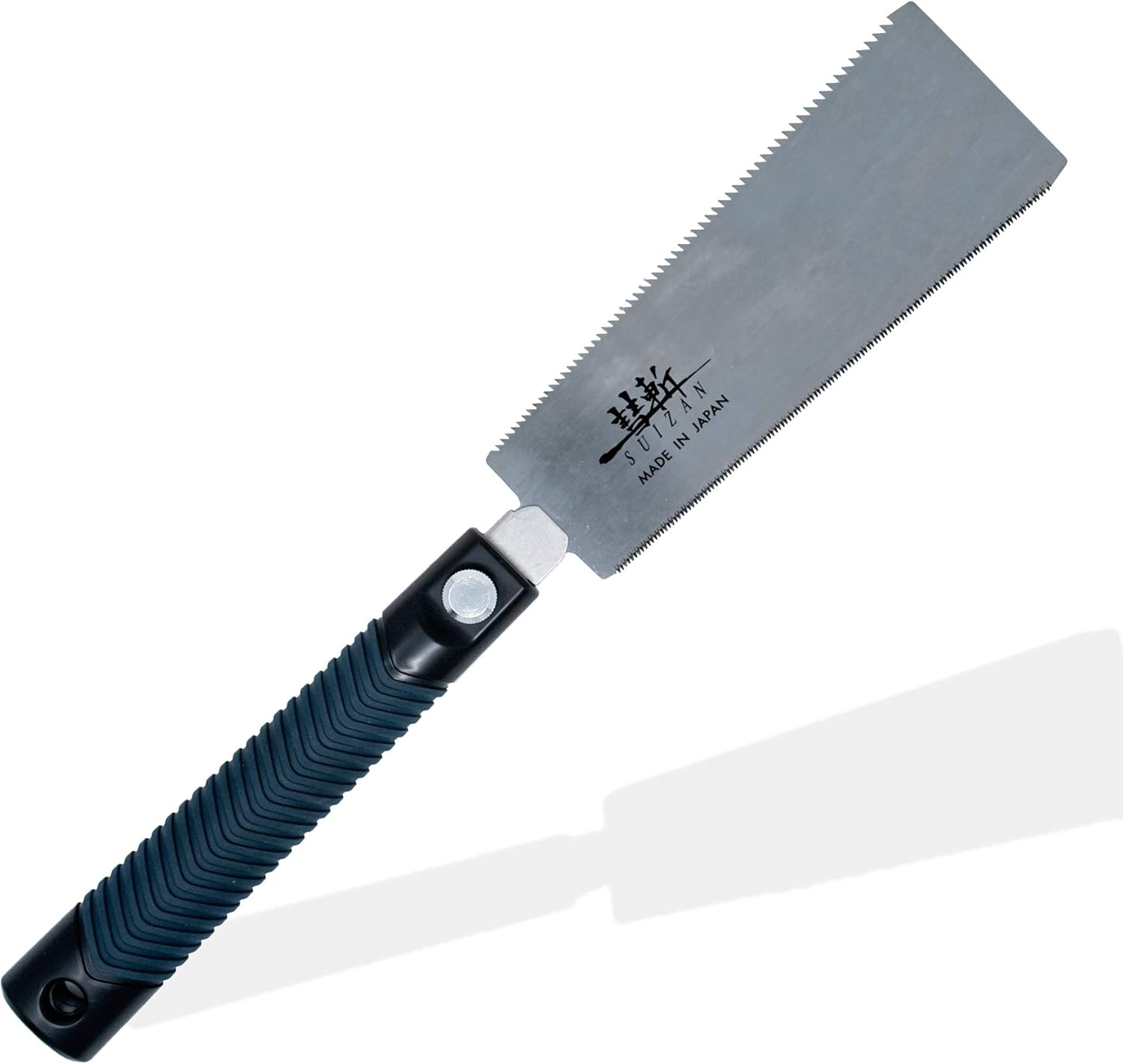
A good hand saw is the most-used tool in beginner woodworking, and the first decision is the stroke: Japanese pull saws cut on the pull (thin kerf, easy control) while Western saws cut on the push (faster through rough stock). Here are three picks and which stroke fits the work you'll actually do.

Best Miter Saw for Woodworking 2026: Metabo vs DeWalt DWS779 vs Festool Kapex
A miter saw makes the fast, accurate, repeatable crosscuts that turn rough boards into furniture parts, the second power tool most woodworkers buy after the drill. Here are three picks, from an honest sub-$160 starter to the finish-carpenter's dream, plus how much saw your woodworking actually needs.