Best Tackle Box for Beginners (2026): 3 Real Picks
A tackle box is where all your lures, hooks, and terminal tackle live, and how you store it shapes how easily you fish. The real question isn't which box is 'best' but how much tackle you carry and how you get to the water: a simple tray box is perfect if you fish from one spot, a backpack is better if you hike or bank-hop, and a modular system is the answer once your collection grows. The key thing to understand is the standard that runs through all of them, the 3700 utility box, which lets you scale storage without starting over. Here are three good options across the range, plus how to choose.
HobbyStack may earn a commission from links on this page at no extra cost to you. Our picks are chosen on merit; the commission helps fund the research.
- Choose by how you fish, not by size. A tray box for one spot, a backpack if you move around, a system once you own a lot.
- Learn the 3700 standard. Most utility boxes are the 3700 size, so a backpack or system that holds them scales with you.
- Waterproof-ish beats fully sealed for most. A latching box keeps splashes out; go fully sealed only for saltwater or boats.
- Leave room to grow. Beginners always underestimate how fast lures and terminal tackle pile up.
 Plano Two-Tray Tackle BoxA beginner's tackle in one grab-and-go box$14Check price
 Our pickKastKing KarryAll Fishing Tackle BackpackCarrying your tackle when you move around$75Check price
 Plano Guide Series Tackle SystemA big, organized collection in one grab-and-go unit$80Check price
The thing that makes tackle storage make sense is a single standard: the 3700 utility box, a flat, latching plastic tray with adjustable dividers that most brands build to the same footprint. Once you know that, the whole category clicks, because a good tackle backpack or box 'system' is really just a shell that holds a number of interchangeable 3700 boxes, so you organize each box by type (one for soft plastics, one for hooks and weights, one for crankbaits) and carry only the boxes you need for the day. That's why the smart question isn't box size but how you get to the water. If you fish from a dock or a single bank spot, a classic hinged tray box holds everything within reach and costs almost nothing. If you hike in, bank-hop, or kayak, a backpack that carries several utility boxes plus your pliers, line, and a water bottle is far more practical. And if your collection has outgrown a single box, a rack system that holds a stack of 3700s keeps it all organized in one grab-and-go unit.
So choose by how mobile you are, and leave room to grow, because tackle multiplies fast. If you're starting out and mostly fish from one place, a simple two- or three-tray box holds a beginner's lures, hooks, bobbers, and weights with space to spare, for the price of a couple of lures. If you like to move, cover water, or carry more, a tackle backpack is the one most anglers end up wanting: it swallows several utility boxes, has pockets for tools and a bottle, and frees your hands for the rod. And if you've accumulated enough tackle that one box won't cut it, a modular system that racks multiple 3700 boxes keeps everything sorted and portable. Whichever you pick, buy for how you actually fish and leave headroom, since a beginner's tackle collection doubles faster than they expect.
 Best budget start
Plano Two-Tray Tackle Box
The cheap, classic box that holds a beginner's entire tackle collection with room to spare. This Plano is the fold-out tray box everyone pictures: lift the lid, the trays cantilever open, and you get organized compartments with adjustable dividers for your lures, hooks, bobbers, sinkers, and swivels, plus a bulk space underneath for bigger items and pliers. From Plano, the default name in tackle storage, it's tough, latches securely to keep splashes out, and costs about the same as a couple of good lures. For anyone starting out and fishing from a dock, bank, or single spot, it's genuinely all you need, and it keeps everything visible and reachable. The catch is only that it isn't as portable as a backpack if you hike or move a lot, and it isn't fully waterproof for a wet boat deck. But for most beginners, it's the simplest, cheapest way to get organized.
What's good
- Holds a beginner's whole kit with room to grow
- Fold-out trays keep tackle visible and reachable
- Adjustable dividers plus bulk storage below
- Costs about the price of a couple of lures
What's not
- Less portable than a backpack for mobile fishing
- Latching, not fully sealed for a wet boat deck
 Best for most people
KastKing KarryAll Fishing Tackle Backpack
The tackle carrier most anglers end up wanting, because it frees your hands and moves with you. The KastKing KarryAll is a backpack built around the 3700 utility-box standard: it holds four of them (included), so you can organize your tackle by type and carry it all on your back, plus dedicated pockets for pliers, line, and a water bottle, and rod holders so you can hike in hands-free. That mobility is the whole point, if you bank-hop, walk to spots, kayak, or cover water, a backpack beats a hinged box every time, and it scales as you add more 3700 boxes. It costs more than a simple tray box and is more than someone who only fishes off one dock needs, but for the majority of beginners who like to explore and carry a decent kit, it's the sweet spot of capacity, organization, and portability. For most people getting into fishing, this is the one to buy.
What's good
- Carries four 3700 utility boxes, included
- Rod holders let you hike in hands-free
- Pockets for pliers, line, and a water bottle
- Scales as your tackle collection grows
What's not
- Costs more than a simple tray box
- More than someone who fishes one spot needs
 Best for big collections
Plano Guide Series Tackle System
The step up for an angler whose tackle has outgrown a single box and wants it all sorted in one grab-and-go unit. The Plano Guide Series system is a rugged shell that racks several 3700 utility boxes on rails (pull out the box you need, leave the rest), with a large top compartment and side storage for reels, tools, and bulk gear, and a comfortable handle for hauling it to the boat or dock. It's the kind of storage a keen angler builds their whole collection around: organize each box by type, and everything has a place. The trade-offs are size and cost, it's the most expensive option here, it's heavy when loaded, and it's overkill for a beginner with a handful of lures. But if you already own a lot of tackle, or you fish from a boat where a big organized system makes sense, it's a buy-once solution. Just starting out? A tray box or backpack is plenty.
What's good
- Racks several 3700 boxes; pull only what you need
- Large top compartment and side storage
- Rugged build with a haul handle
- Organizes a big collection in one unit
What's not
- Most expensive and heavy when loaded
- Overkill for a beginner with a few lures
Most utility boxes are made to the '3700' size, a flat latching tray with adjustable dividers. Backpacks and systems are built to hold them, so if you start organizing by 3700 box (one for soft plastics, one for hooks and weights, one for crankbaits), you can move up from a tray box to a backpack to a full system later without re-buying anything. It's the one standard worth knowing before you spend.
Before you buy
Buy for how you get to the water: a box for one spot, a backpack if you move around.
Organize by 3700 utility box (soft plastics, hardbaits, terminal tackle) so your storage scales.
Leave empty space; a beginner's tackle collection grows faster than expected.
For saltwater or a wet boat, choose a fully sealed box, salt and spray corrode hooks fast.
Common questions
What size tackle box does a beginner need?
What is a 3700 tackle box?
Should I get a tackle box or a tackle backpack?
Do I need a waterproof tackle box?
For most beginners who like to move around, the KastKing KarryAll backpack is the pick: it carries several utility boxes and your tools hands-free, and it scales as your tackle grows. A simple Plano tray box is all you need if you fish from one spot and want to spend the least, and the Plano Guide Series system is for anglers whose collection has outgrown a single box. Organize by 3700 utility box and you can move up any time without re-buying.
Ready to actually do it?
The first fishing quest takes an evening, and it tells you whether the gear was worth it better than any review can.
Start FishingThe HobbyStack editorial team researches each guide against manufacturer specifications, published resources and practitioner sources. Every product is checked for availability and described against its current listing before publication, and prices are re-checked when guides are updated.
About our editorial process →More gear guides
All guides
Best Beginner Fishing Rod and Reel Combo 2026: Spinning Setups That Just Work
For your first setup, a matched spinning rod-and-reel combo is the right call: it's pre-balanced, forgiving to cast, and gets you fishing without choosing parts you don't understand yet. Here are three combos that punch above their price, from a near-indestructible classic to a saltwater-ready upgrade.
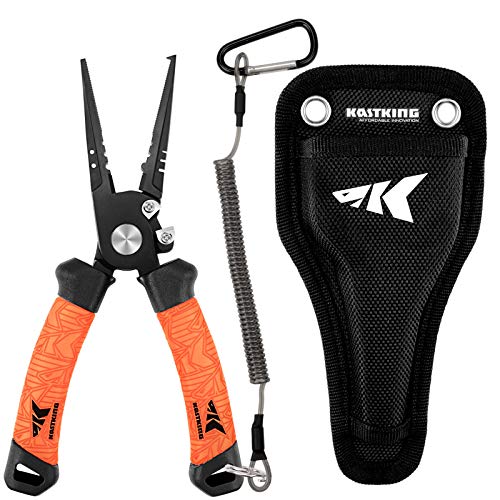
Best Fishing Pliers (2026): Braid Destroys Ordinary Cutters
Braided line is woven from the same fibre used in body armour, and it does not cut so much as fray under a normal blade. A pair of pliers that handles mono perfectly well will chew braid into a fuzzy mess, and the fix is a specific material rather than a sharper edge.

Best Beginner Gardening Pruners 2026: Fiskars vs Felco F-2 vs Felco F-8
Hand pruners are the most-used tool in any garden: deadheading, harvesting vegetables, shaping shrubs, cutting back perennials. The right pair makes clean cuts without crushing stems (which invites disease); the wrong pair bruises more than it cuts. Here are three options: a reliable budget shear, the Swiss-made professional standard, and Felco's ergonomic model for gardeners with hand fatigue.

Best Garden Hose (2026): Why Cheap Hoses Kink and Good Ones Do Not
A garden hose is a thing nobody thinks about until theirs kinks behind them for the fourth time in one watering. The difference between a hose that does that and one that does not is entirely material and construction, both of which are printed on the packaging and both of which most people ignore in favour of length and price.
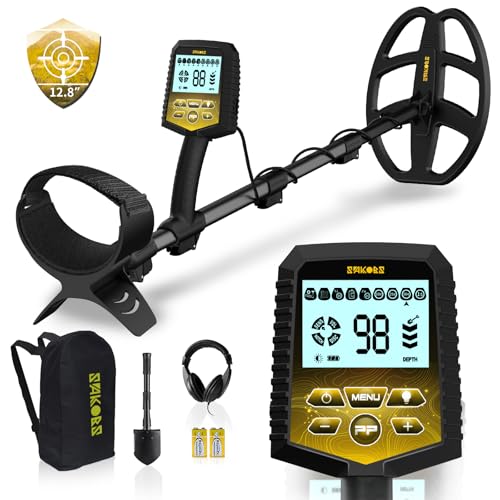
Best Beginner Metal Detector 2026: Nokta Simplex vs Minelab Vanquish
A good beginner detector is one that can tell treasure from trash, which rules out the sub-$100 toys. Spend a bit more and you get discrimination, target ID, and waterproofing that actually find things. Here are three real beginner detectors, from a simple waterproof entry to a buy-it-once multi-frequency machine.

Best Metal Detecting Headphones (2026): You Are Listening for a Whisper
The loud clear signals are usually modern rubbish near the surface. The find worth digging is often a faint, broken whisper at the edge of hearing, and whether you notice it depends almost entirely on whether wind, traffic and your own footsteps are competing with it.