Best Skillet for Beginners (2026): 3 Real Picks
A skillet is the one pan you'll reach for most, so it's worth getting right, and the honest truth is the best skillet depends on what you cook. Cast iron is cheap, lasts forever, and sears beautifully but is heavy and needs care; nonstick makes eggs and delicate food effortless but wears out; carbon steel is the restaurant choice, searing like cast iron but lighter and more responsive. Rather than budget-to-best of one thing, these are three genuinely different pans for three ways of cooking. Here they are, plus how to pick the one that fits your kitchen.
HobbyStack may earn a commission from links on this page at no extra cost to you. Our picks are chosen on merit; the commission helps fund the research.
- The best skillet depends on what you cook. Cast iron sears, nonstick handles eggs and delicate food, carbon steel does both once you learn it.
- Cast iron is the best value in cookware. A $25 Lodge outlasts every nonstick pan you'll ever buy, if you keep it seasoned.
- Nonstick is easiest but disposable. It makes beginner cooking effortless but wears out in a few years; never use metal utensils or high heat on it.
- A 10-12 inch pan is the everyday size. Big enough to sear without crowding, small enough to handle.
 Lodge Cast Iron Skillet (10.25 inch)One cheap pan that sears and lasts forever$25Check price
 Our pickT-fal Ultimate Hard-Anodized Nonstick Fry Pan (12 inch)Effortless everyday cooking for beginners$55Check price
 Merten & Storck Carbon Steel Skillet (12 inch)The restaurant pan, to level up your cooking$60Check price
Skillets aren't really a budget-to-best ladder; they're different tools. Cast iron is a slab of iron that holds heat like nothing else, which is why it sears steak and roasts chicken so well, and it costs almost nothing and lasts generations, the catch being that it's heavy, needs seasoning (a baked-on oil layer) to stay non-stick and rust-free, and doesn't love acidic foods. Nonstick is the opposite: light, cheap, and effortless for eggs, fish, and pancakes that would weld themselves to bare metal, but the coating wears out in a few years and dies fast if you use metal utensils or crank the heat, so treat it as a consumable. Carbon steel splits the difference the way professional kitchens like: it sears like cast iron but is lighter, heats faster, and responds quickly to the burner, at the cost of the same seasoning care cast iron needs. None is 'best'; the right one is the one that matches how you cook.
So choose by what you actually make. If you want one cheap pan that does the high-heat jobs (searing, roasting, cornbread) and lasts forever, cast iron is the best value in all of cookware, and learning to season it is easy. If you're a beginner who mostly wants eggs, fish, and everyday dinners to slide out without drama, a good nonstick is the friendliest pan in the kitchen, just plan to replace it every few years. And if you already cook a fair bit and want to level up, carbon steel is the pan restaurant cooks reach for: the sear of cast iron, lighter in the hand and quicker to respond. Many kitchens end up with a cast iron and a nonstick, which covers almost everything. Below, one strong pick for each.
 Best value
Lodge Cast Iron Skillet (10.25 inch)
The best value in all of cookware, and a pan you can hand down. The Lodge 10.25-inch cast iron comes pre-seasoned, holds heat like nothing else, and gives you a restaurant sear on steak, a proper crust on chicken thighs, and cornbread with crisp edges, all for about the price of a takeout dinner. It works on the stovetop, in the oven, on a grill, or over a campfire, and with a little care (dry it, wipe it with oil, don't soak it) it will outlast every other pan you own. The trade-offs are honest: it is heavy, it needs seasoning to stay non-stick and rust-free, and it doesn't love acidic sauces like tomato or wine. But for high-heat cooking and sheer longevity, nothing touches it for the money. Almost every kitchen benefits from having one.
What's good
- Sears and roasts better than pricier pans
- Nearly indestructible, lasts generations
- Works on stovetop, oven, grill, or campfire
- Costs about the price of a takeout meal
What's not
- Heavy, and needs seasoning care
- Not for acidic foods like tomato sauce
 Best for most people
T-fal Ultimate Hard-Anodized Nonstick Fry Pan (12 inch)
The friendliest pan for a beginner, because it makes the food that welds to bare metal simply slide out. This T-fal has a hard-anodized body (tougher and more even-heating than cheap nonstick) with a durable nonstick coating and a lid, so eggs, fish, pancakes, and quick weeknight dinners cook and release with almost no skill and almost no cleanup. At 12 inches it is the everyday size, big enough to cook for two or three without crowding, and it is oven-safe for finishing dishes. The honest catch with any nonstick is that the coating is a consumable: it wears out in a few years, and it dies fast if you use metal utensils, scrub it hard, or cook on high heat, so treat it gently and plan to replace it eventually. But for effortless everyday cooking while you learn, nothing is easier, which is why most kitchens keep a nonstick alongside a cast iron.
What's good
- Eggs and delicate food slide right out
- Hard-anodized body heats evenly and resists warping
- Comes with a lid; oven-safe for finishing
- Almost no skill or cleanup required
What's not
- Coating is a consumable, wears out in a few years
- No metal utensils, no high heat, no hard scrubbing
 Best to level up
Merten & Storck Carbon Steel Skillet (12 inch)
The pan to reach for once you cook enough to want more from your skillet. Carbon steel is what professional kitchens use because it gives you the searing power of cast iron, a screaming-hot surface that browns meat and vegetables beautifully, but in a lighter body that heats faster and responds quickly when you change the burner, so you have more control. This Merten & Storck comes pre-seasoned, works on any heat source including induction, and goes in the oven, and like cast iron it builds a naturally non-stick patina the more you use it. The catch is that it asks for the same seasoning care as cast iron (keep it oiled, don't soak it, avoid long acidic cooks) and it is more pan than a total beginner needs. But if you already cook regularly and want the sear of iron with better handling, this is the level-up, and it will last decades. New to the stove? Start with the cast iron and nonstick above.
What's good
- Sears like cast iron, lighter and more responsive
- Works on induction, gas, and in the oven
- Builds a non-stick patina with use
- Restaurant-grade, lasts decades
What's not
- Needs seasoning care like cast iron
- More pan than a total beginner needs
You don't have to choose forever. The most common beginner setup is a cast iron for high-heat searing and roasting plus a nonstick for eggs and delicate food, which together handle almost everything, for well under $80. Add carbon steel later if you catch the cooking bug. Whatever you buy, match the size (10-12 inches) to your burner and how many people you cook for.
Before you buy
Never put metal utensils or high heat on nonstick. It's the fastest way to kill the coating.
Dry cast iron and carbon steel immediately, then wipe with oil. That's 90% of the seasoning care.
Preheat before you add food. A properly hot pan is what stops sticking on any material.
Match the size to your burner. A 12-inch pan on a small burner heats unevenly and food steams instead of sears.
Common questions
What kind of skillet should a beginner buy?
Is cast iron or nonstick better?
What size skillet is best?
How do I take care of a cast iron or carbon steel pan?
For most beginners, the answer is two pans, not one: a Lodge cast iron for searing and roasting (the best value in cookware) plus a T-fal nonstick for eggs and everyday dinners that release effortlessly. Together they cost under $80 and handle almost everything. Add the carbon-steel pan later if you catch the cooking bug and want the sear of iron with better handling.
Ready to actually do it?
The first cooking quest takes an evening, and it tells you whether the gear was worth it better than any review can.
Start CookingThe HobbyStack editorial team researches each guide against manufacturer specifications, published resources and practitioner sources. Every product is checked for availability and described against its current listing before publication, and prices are re-checked when guides are updated.
About our editorial process →More gear guides
All guides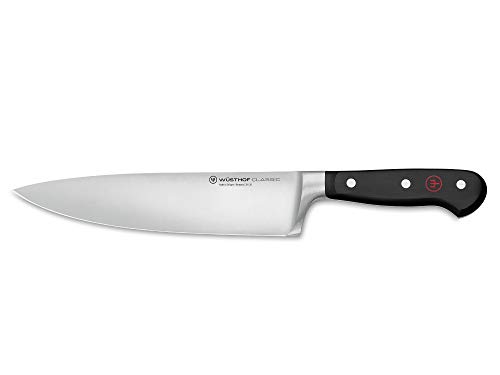
Best Chef's Knife for Beginners 2026: Victorinox vs Wüsthof vs Shun
A chef's knife is the most important tool in any kitchen, and the best news for beginners is that the cheap one is genuinely excellent. The Victorinox Fibrox is what culinary schools and professional kitchens use, for around $50. So the real question isn't which knife cuts best, a sharp one of any of these does, but whether you want to spend up for a German or Japanese knife's feel. Here's the honest breakdown.

Best Dutch Oven 2026: Lodge vs Le Creuset vs Staub (Is the Expensive One Worth It?)
A Dutch oven is the most versatile heavy pot you'll own: braises, stews, soups, and bakery-quality bread. The first thing to know is the one nobody selling you a $400 pot leads with: enameled cast iron cooks nearly the same whatever the badge. So the real question isn't which cooks best, it's what the extra money buys, and whether that's worth it to you.
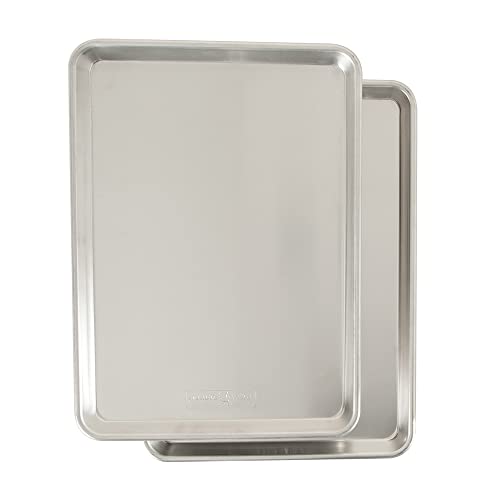
Best Baking Sheet for Beginners (2026): Why Half-Sheet Aluminium Wins
A baking sheet is the most-used pan in most kitchens and the one people spend least time choosing. The cheap ones warp with a bang the first time they hit a hot oven, and a warped sheet cooks unevenly forever after. The fix is not expensive: a heavy half sheet in bare aluminium with a rolled rim, which is what professional kitchens have used for decades.

Best Beginner Stand Mixer 2026: KitchenAid Artisan vs Classic vs Pro 600
Stand mixers are a one-time purchase that lasts decades. Pick the right KitchenAid (it's almost always going to be a KitchenAid) and you'll never need to think about it again. Pick wrong and you'll end up reselling and rebuying within 5 years.

Best Kitchen Scale for Baking 2026: Escali vs Ozeri vs OXO
A kitchen scale is the single most important tool in baking: weight is exact where measuring cups aren't, and switching to grams is the fastest way to make your recipes finally come out the same every time. The good news: accuracy is basically a solved problem, so the real choice isn't which scale weighs best (they're all spot-on) but which features you want. Here's the honest breakdown.
Best Mixing Bowls for Baking (2026): Stainless, Glass or Plastic
Mixing bowls are the piece of kit people own by accident — whatever came with the house, in whatever sizes. It mostly does not matter, with one real exception: plastic bowls will stop egg whites whipping, and almost nobody is told why. Beyond that it is about weight, nesting, and owning three rather than one.