Best Terrarium Kit for Beginners (2026): 3 Picks for Your First Build
A terrarium kit gives you the layered materials that make a tiny indoor garden actually thrive: drainage pebbles, charcoal, and substrate, and sometimes the glass vessel and tools too. The trick most beginners miss is that the layers, not the plants, are what keep it alive. Here are three good kits, from a materials pack for your own jar to a complete glass-globe set with tools.
HobbyStack may earn a commission from links on this page at no extra cost to you. Our picks are chosen on merit; the commission helps fund the research.
- The layers are what keep a terrarium alive: drainage pebbles at the bottom, then charcoal, then substrate, then plants.
- Open terrariums suit dry-lovers (succulents, cacti); closed ones suit humidity-lovers (moss, ferns). Do not mix them.
- A kit supplies the materials (and sometimes the glass and tools). You usually add your own plants.
- The number one beginner mistake is overwatering. Terrariums need very little.
 DUSPRO Terrarium Kit (Materials)The right materials for the least$22Check price
 Our pickCute Farms Terrarium Starter KitThe starter kit most beginners should buy$25Check price
 LUCKYRUNES DIY Terrarium Kit with Glass GlobeA complete kit you build and gift$40Check price
A terrarium looks like just plants in glass, but what actually keeps it alive is the layering underneath, and that is exactly what a kit supplies. From the bottom up you want drainage pebbles (so water does not pool at the roots), a thin layer of charcoal (which keeps things fresh and filters the water), then the growing substrate, then your plants and any decorative moss on top. Get those layers right and a terrarium is nearly self-sustaining; skip them and it turns to mush. A kit takes the guesswork out by giving you the right materials in the right amounts.
The other decision is open versus closed, and it comes down to which plants you want. A closed terrarium (a sealed or mostly-covered vessel) traps humidity and suits moisture-lovers like moss and ferns, recycling its own water. An open terrarium suits dry-lovers like succulents and cacti, which would rot in a humid sealed jar. Pick one style and matching plants rather than mixing them. Most kits supply the materials and let you add plants; some include the glass vessel and planting tools too.
 Best budget kit
DUSPRO Terrarium Kit (Materials)
The materials that do the real work, for very little. This kit supplies the layering essentials (soil, pumice, moss, and more) so you can build a proper terrarium in a jar or vessel you already have. It skips the glass and tools to keep the price down, but it gets the part that actually matters right: the drainage and substrate layers that keep the plants alive. A smart, cheap way to build your first one.
What's good
- Supplies the crucial layering materials
- Cheap way to build in your own jar
- Includes moss and drainage media
- Gets the part beginners get wrong right
What's not
- No glass vessel included
- No planting tools
 Best for most beginners
Cute Farms Terrarium Starter Kit
The step up that stocks everything but the glass. Along with the full set of layering materials (moss, vermiculite, soil, pebbles) it adds plant food and a more generous supply, so you can build a healthy terrarium and keep it thriving. It is the no-overthinking pick for a first proper build: enough of the right materials to get the layers correct and give your plants what they need, in your own choice of vessel.
What's good
- Full set of layering materials
- Includes plant food for longevity
- Generous, well-portioned supplies
- Everything but the glass and plants
What's not
- Glass vessel still separate
- Plants not included
 Best complete kit
LUCKYRUNES DIY Terrarium Kit with Glass Globe
The one that has literally everything, glass included. This complete kit comes with a glass globe vessel, live moss, the layering materials, and the little planting tools, so there is nothing else to buy and nothing to guess at. It is more than the bare minimum, but if you want a beautiful finished piece (or a lovely gift) and want to skip sourcing a vessel and tools separately, this is the easy, all-in-one choice.
What's good
- Includes the glass globe vessel
- Comes with live moss and planting tools
- Truly complete, nothing else to buy
- Makes a great finished piece or gift
What's not
- Premium price for a beginner
- Fixed vessel size and style
The single thing beginners get wrong is skipping the layers. From the bottom: drainage pebbles (so water does not sit at the roots), a thin charcoal layer (to keep it fresh), then substrate, then plants. Without drainage the roots rot. Get the layers right and add water sparingly, and a terrarium can look after itself for a long time.
Which to buy: already have a jar and just want the right materials cheaply? The DUSPRO materials kit. Want a fuller starter with plant food to build a healthy terrarium in your own vessel? The Cute Farms kit is the easy pick. Want the whole thing (glass, moss, tools) as a finished project or gift? The LUCKYRUNES glass-globe kit.
Before you buy
Layer from the bottom: drainage pebbles, thin charcoal, substrate, then plants and moss.
Choose open (succulents, cacti) or closed (moss, ferns) and match your plants to it, do not mix.
Water very sparingly. A closed terrarium may need only a light mist every few weeks.
Give it bright, indirect light. Direct sun can cook a closed terrarium like a greenhouse.
Terrarium kit questions
What are the layers in a terrarium and why do they matter?
What is the difference between an open and closed terrarium?
Do terrarium kits include the plants?
How often do I water a terrarium?
Where should I put my terrarium?
Do I need special tools to build one?
For most beginners the Cute Farms starter kit is the pick: a full set of layering materials plus plant food to build a healthy terrarium in your own vessel. Already have a jar and just want the materials? The DUSPRO kit. Want the whole thing including the glass and tools? The LUCKYRUNES glass-globe kit. Whatever you choose, get the drainage layers right and water sparingly.
Ready to actually do it?
The first terrarium making quest takes an evening, and it tells you whether the gear was worth it better than any review can.
Start Terrarium MakingThe HobbyStack editorial team researches each guide against manufacturer specifications, published resources and practitioner sources. Every product is checked for availability and described against its current listing before publication, and prices are re-checked when guides are updated.
About our editorial process →More gear guides
All guides
Best Beginner Bonsai Concave Cutter 2026: Stainless, Forged Alloy & KAKURI Made-in-Japan
The concave cutter is the tool that makes bonsai look like bonsai, it removes a branch with a hollow bite so the wound heals flush with the trunk instead of leaving a stub. Here are three beginner-friendly picks you can actually buy on Amazon, from an $18 stainless cutter to learn on to a Made-in-Japan KAKURI, plus when you actually need one.

Best Beginner Bonsai Shears 2026: Brussel's, Wazakura & Yasugi-Steel Picks
Bonsai pruning shears are the most-used tool in the hobby, you'll reach for them every time you touch a tree, so they're the one worth getting right first. Here are three genuinely good beginner picks you can actually buy on Amazon: a ~$20 pair from a trusted US nursery to learn on, a Made-in-Japan everyday pair, and a buy-it-once Yasugi-steel tool, plus how to choose the size and steel.
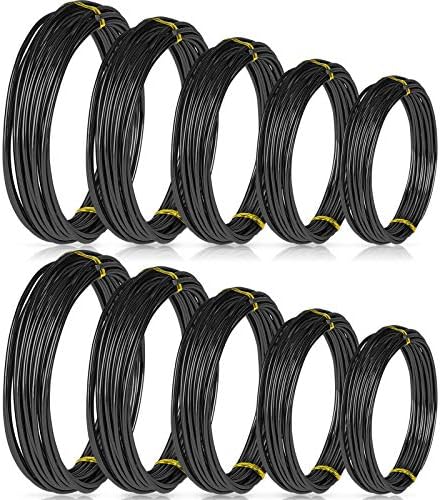
Best Beginner Bonsai Wire 2026: Aluminium Sets vs Wazakura Made-in-Japan Copper
Bonsai wire is how you actually shape a tree: you coil it around a branch, bend the branch where you want it, and the wire holds the new position until the wood sets. The one real decision is aluminium vs copper. Here are three picks you can buy on Amazon, two aluminium sets and a Made-in-Japan copper, and which to buy first.

Best Beginner Bonsai Wire Cutters 2026: Tinyroots vs KAKURI (Made in Japan)
Bonsai wire cutters do one job ordinary cutters can't, their narrow head snips training wire flush against a branch without nicking the bark. Here are three picks you can actually buy on Amazon, from a budget alloy cutter to a Made-in-Japan KAKURI, plus why you always cut wire off rather than unwind it.

Best Bonsai Soil (2026): Potting Compost Is What Kills Most Beginner Trees
Bonsai soil is barely soil. Pick up a handful of a good mix and it is gravel, fired clay and porous rock, with almost nothing you would recognise as compost. That looks wrong to anyone who grows houseplants, and it is the single biggest reason beginner trees die.
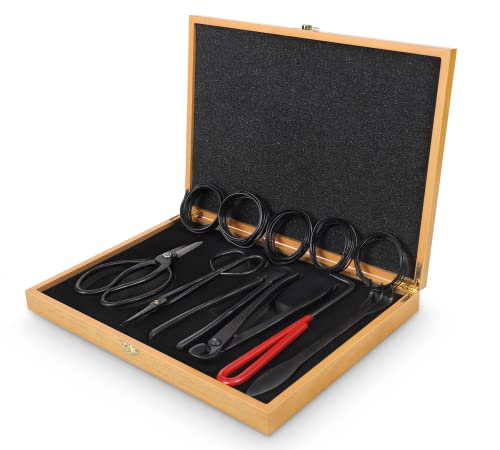
Best Bonsai Tool Kit for Beginners (2026): Starter to Japanese-Made
A bonsai tool kit bundles the few tools that actually shape a tree: sharp scissors for trimming, a concave cutter for removing branches cleanly, and wire plus a wire cutter for training. A kit gets you all of it in one box so you can start pruning properly instead of hacking at your tree with kitchen scissors. Here are three good ones, from a cheap complete starter set to a small set of superb Japanese-made tools.