Best Topiary Shears for Beginners (2026): Fiskars vs ARS vs Okatsune
Topiary is one of the few hobbies where a bad tool shows up on a living plant a week later. Sharp shears slice clean and heal fast; dull ones crush and brown your crisp shape. Here is what to buy at $22 to $85.
HobbyStack may earn a commission from links on this page at no extra cost to you. Our picks are chosen on merit; the commission helps fund the research.
- Topiary needs two kinds of cut: broad shaping to build the shape, and fine detail to finish it. One tool rarely does both well, which is why most beginners end up owning a shear and a pair of snips.
- Our pick: the ARS HS-KR1000 Hedge Shears (~$67). Hardened Japanese steel that keeps its edge, replaceable blades, and the balance to shape a shrub without wrecking your forearms. The tool most topiary gardeners settle on and stop upgrading.
- Tight budget: the Fiskars Curved Micro-Tip Snips (~$22). Not a dedicated topiary shear, but spring-loaded precision snips are the right first tool for detail work, small-leaf plants, and the finishing cuts a big shear cannot reach.
- Buy-once: the Okatsune 230 Cutting Shears (~$85). Hand-forged Japanese shears with exceptional steel and balance that serious topiary and bonsai gardeners keep for decades. Overkill for one shrub, the right buy if you will shape hedges for years.
- Skip: cheap hardware-store hedge shears with painted carbon-steel blades (they crush leaves rather than slice, which browns the plant), and electric trimmers for detailed topiary (fine for a flat hedge, far too blunt an instrument for a ball or spiral).
 Our pickARS HS-KR1000 Professional Hedge ShearsBest for most topiary$71Check price
 Fiskars Curved Micro-Tip Pruning Snips (6 in)Best first tool under $25$15Check price
 Okatsune 230 Cutting Shears (Type 65)The lifetime shear$110Check price
Why a clean cut matters more than you think
Topiary is one of the few hobbies where your tool choice shows up on a living thing weeks later.
A sharp blade slices a leaf and stem cleanly. The plant seals that cut quickly and you never see it. A dull or crushing blade tears and mashes the cut instead, and on many topiary plants that tearing turns the leaf edges brown a few days later, leaving your crisp shape looking scorched. So the single most important quality in topiary shears is that they slice rather than crush, which comes down to hard steel and a keen edge, held in good alignment. This is exactly what separates real garden shears (ARS, Okatsune, Fiskars) from bargain hedge shears with soft, painted blades.
The second thing to understand before you buy is that topiary uses two different cutting jobs, and no single tool is great at both:
- Shaping (the shear's job). Building and maintaining the overall form (the ball, cone, cloud, or spiral) means removing a lot of small growth in smooth, even passes. Short-bladed one-hand or two-hand shears give you control over curves. Long-bladed hedge shears are faster on flat and gently curved surfaces.
- Detail and finishing (the snips' job). Getting into tight inner curves, tidying a stray shoot, and the close finishing cuts on a small or intricate piece call for precise, spring-loaded snips. Trying to do fine work with big shears is how beginners gouge a flat spot into a ball.
One more rule that decides which tool to reach for: leaf size. Small-leaved plants like boxwood, privet, and myrtle can be sheared, because the blade cuts between and through tiny leaves without leaving obvious damage. Large-leaved plants (bay, holly, many broadleaf evergreens) should be cut shoot by shoot with snips, because shearing slices leaves in half and leaves a wall of ugly cut halves that brown. Match the tool to the leaf, not just the shape.
 Best for most topiary
ARS HS-KR1000 Professional Hedge Shears
The ARS HS-KR1000 is the pair most topiary gardeners buy and stop shopping. ARS is a Japanese blade maker with a reputation for steel that holds an edge, and it shows: these slice cleanly through small-leaf growth pass after pass, where cheaper shears start to crush and tear within a season. The blades are replaceable rather than throwaway, the pivot is adjustable to keep the cut tight, and the balance is genuinely good, which matters a great deal when you are making hundreds of small cuts to even out a shape. It is the sweet spot of price and quality: far better than hardware-store shears, without the collector's premium of the very top tier.
What's good
- Hardened Japanese steel keeps a clean, slicing edge through heavy use
- Replaceable blades and an adjustable pivot, so it is a long-term tool
- Well balanced for the many small cuts topiary demands, less hand fatigue
- Cuts small-leaf plants (boxwood, privet) cleanly without browning
- The clear step up from bargain shears without paying collector prices
What's not
- Around $67, a real jump from a hardware-store pair
- Two-hand hedge shears; you still want snips for tight detail and finishing
- Best suited to small-leaf plants; large-leaf topiary wants shoot-by-shoot snips
 Best first tool under $25
Fiskars Curved Micro-Tip Pruning Snips (6 in)
The Fiskars Curved Micro-Tip Snips are not a dedicated topiary shear, and that is exactly why they belong here as the budget pick: the first cutting tool a topiary beginner actually needs is a precise pair of snips. The spring-loaded action opens the blades for you (much less hand fatigue over a long session), and the fine curved tips get into tight inner curves and do the close finishing cuts that big shears cannot. On small or intricate first projects, and on large-leaf plants that must be cut shoot by shoot, these do most of the work. Pair them with a hedge shear later as your shapes get bigger.
What's good
- Precise micro-tip for detail, finishing, and tight inner curves
- Spring-loaded action reduces hand fatigue over a long shaping session
- The correct tool for large-leaf plants that cannot be sheared
- Cheap enough to buy alongside a shear rather than instead of one
- Take-apart design and Fiskars lifetime warranty
What's not
- Not a shaping tool; slow and awkward for building a large form
- Small capacity; it will not power through thick or woody growth
- You will still want proper shears once your shapes get bigger
 The lifetime shear
Okatsune 230 Cutting Shears (Type 65)
The Okatsune 230 is what serious topiary and bonsai gardeners buy once and keep for decades. Okatsune hand-forges its blades from high-carbon Japanese steel, and the result is an edge and balance that genuinely outclass everything below it: the shears feel like an extension of your hands, and they take and hold an edge that makes clean shaping almost effortless. This is a collector-grade tool, more than a first-year beginner needs, and it rewards someone who will shape hedges and topiary regularly for years. If you already know this hobby is sticking, it is the last shear you will buy.
What's good
- Hand-forged high-carbon Japanese steel, exceptional edge retention
- Superb balance and feel; clean shaping with minimal effort
- Built to be sharpened and used for decades, not replaced
- The tool experienced topiary and bonsai gardeners consistently recommend
What's not
- Around $85, a premium only worth it if you shape regularly
- High-carbon steel needs drying and light oiling to prevent rust
- Often lower stock; the premium Japanese shears sell in smaller numbers
Two habits keep both your shears and your topiary in good shape. First, wipe the blades clean and dry after every session, and put a light film of oil on carbon-steel shears (ARS and Okatsune) so they do not rust. Second, when moving between plants, especially if one looks diseased, wipe the blades with rubbing alcohol. Shears are a very efficient way to spread plant disease from one shrub to the next, and a ten-second wipe prevents it.
Before you shape
Buy the snips first if you are on a budget. Detail and finishing come up on every project; a large shear is only worth it once your shapes get big. Many beginners never need more than good snips for a year.
Match the tool to the leaf, not the shape. Small-leaf plants (boxwood, privet, myrtle) can be sheared. Large-leaf plants (bay, holly) must be cut shoot by shoot with snips, or you get a wall of browning half-leaves.
Cut little and often. Light, frequent trims keep a crisp shape and stress the plant less than one hard cut. Topiary is maintained, not carved in a single afternoon.
Step back constantly. Shape drifts when you work up close. Walk around the plant and view it from a few steps away every minute or two to keep it symmetrical.
Keep carbon-steel shears dry and lightly oiled. The Japanese steel that makes ARS and Okatsune cut so well also rusts if you leave them wet. A wipe and a drop of oil after each use is the whole maintenance routine.
Common questions about topiary shears
Do I need special topiary shears, or will hedge shears do?
Shears or snips for a beginner?
ARS vs Okatsune: which should I buy?
Can I shear a boxwood ball with these?
How do I keep the blades from rusting?
Ready to actually do it?
The first topiary quest takes an evening, and it tells you whether the gear was worth it better than any review can.
Start TopiaryThe HobbyStack editorial team researches each guide against manufacturer specifications, published resources and practitioner sources. Every product is checked for availability and described against its current listing before publication, and prices are re-checked when guides are updated.
About our editorial process →More gear guides
All guides
Best Beginner Gardening Pruners 2026: Fiskars vs Felco F-2 vs Felco F-8
Hand pruners are the most-used tool in any garden: deadheading, harvesting vegetables, shaping shrubs, cutting back perennials. The right pair makes clean cuts without crushing stems (which invites disease); the wrong pair bruises more than it cuts. Here are three options: a reliable budget shear, the Swiss-made professional standard, and Felco's ergonomic model for gardeners with hand fatigue.

Best Garden Hose (2026): Why Cheap Hoses Kink and Good Ones Do Not
A garden hose is a thing nobody thinks about until theirs kinks behind them for the fourth time in one watering. The difference between a hose that does that and one that does not is entirely material and construction, both of which are printed on the packaging and both of which most people ignore in favour of length and price.

Best Grow Containers (2026): Air Pruning, Depth and How Often You Water
A plant in a plastic pot eventually runs its roots into the wall and starts going round in circles, and it keeps circling until the whole rootball is a knot that can no longer feed it. A fabric pot stops that from happening, using nothing more complicated than air.

Best Beginner Bonsai Concave Cutter 2026: Stainless, Forged Alloy & KAKURI Made-in-Japan
The concave cutter is the tool that makes bonsai look like bonsai, it removes a branch with a hollow bite so the wound heals flush with the trunk instead of leaving a stub. Here are three beginner-friendly picks you can actually buy on Amazon, from an $18 stainless cutter to learn on to a Made-in-Japan KAKURI, plus when you actually need one.

Best Beginner Bonsai Shears 2026: Brussel's, Wazakura & Yasugi-Steel Picks
Bonsai pruning shears are the most-used tool in the hobby, you'll reach for them every time you touch a tree, so they're the one worth getting right first. Here are three genuinely good beginner picks you can actually buy on Amazon: a ~$20 pair from a trusted US nursery to learn on, a Made-in-Japan everyday pair, and a buy-it-once Yasugi-steel tool, plus how to choose the size and steel.
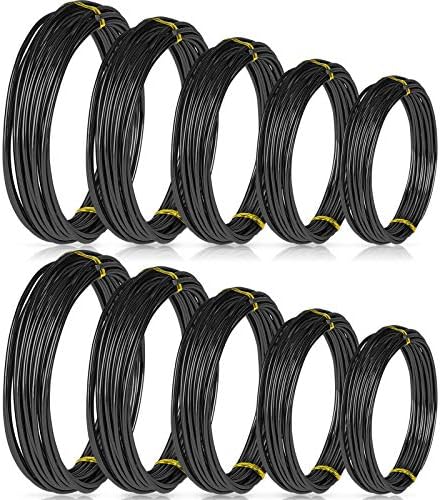
Best Beginner Bonsai Wire 2026: Aluminium Sets vs Wazakura Made-in-Japan Copper
Bonsai wire is how you actually shape a tree: you coil it around a branch, bend the branch where you want it, and the wire holds the new position until the wood sets. The one real decision is aluminium vs copper. Here are three picks you can buy on Amazon, two aluminium sets and a Made-in-Japan copper, and which to buy first.