Best Thread Snips (2026): The Scissors You Keep Beside the Machine
Trimming a thread with dressmaking shears means picking up something heavy, opening it wide, and getting a blade near fabric you have just spent an hour sewing. Small scissors live beside the machine, open barely at all, and cut the thread where it leaves the seam. It is a tiny tool that changes the rhythm of sewing more than its price suggests.
HobbyStack may earn a commission from links on this page at no extra cost to you. Our picks are chosen on merit; the commission helps fund the research.
- Small blades give control. Shears near a finished seam are how people cut into their own work.
- Sharp tips matter more than sharp blades — you are getting into a seam, not slicing.
- High carbon steel holds an edge better than stainless but will rust if left damp.
- Never cut paper, tape or anything but thread and fabric. One paper cut noticeably dulls them.
- Buy two cheap pairs before one expensive pair. Small scissors vanish.
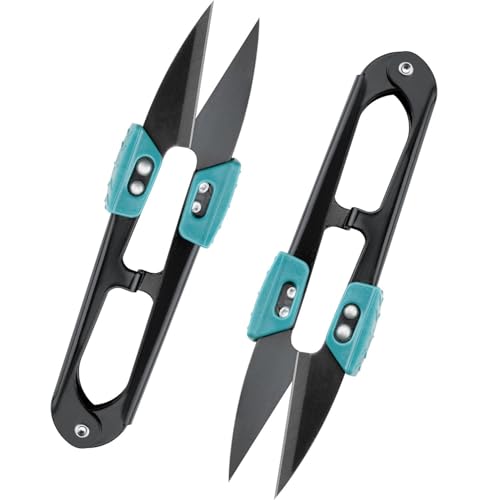 Damita Thread Snips, 2-packTwo pairs for nothing$4Check price
 Our pickKai 5100 NeedlecraftMost sewists$14Check price
 Gingher 4" EmbroideryA pair for life$29Check price
Why small scissors and not shears
The job is not cutting. It is getting a blade to a specific point without touching anything else, and that is a control problem rather than a power one.
A 4-inch pair opens barely more than the width of a thread, so the lower blade can slide under a thread tail lying against the fabric without lifting or catching it. Shears have to open wide, which means the lower blade sweeps across whatever is beneath.
Tips are the working part. Most of what these scissors do happens in the last few millimetres — clipping a thread flush against a seam, snipping into a curve, opening a buttonhole, trimming a corner before turning it. Blades that do not meet cleanly right at the point will chew a thread rather than cut it, and no amount of sharpness further down helps.
That is also why an expensive pair feels different. You are paying for tips that meet precisely and keep meeting.
Carbon steel, stainless, and looking after them
High carbon steel is harder and takes a finer edge that lasts longer. It also rusts, quickly, if it is left damp or stored somewhere humid, and it usually arrives lightly oiled from the factory — wipe that off before the first use or it transfers onto pale fabric.
Hardened stainless gives up a little edge retention and never rusts, which for a tool that lives on a table beside a steam iron is a reasonable trade.
Either way the maintenance is the same and mostly consists of one rule: cut nothing but thread and fabric. Paper is abrasive and a single pattern-cutting session dulls a pair noticeably. Tape gums the pivot. Wire and plastic packaging put nicks in the edge that show up as a chewed thread months later.
Household members are the main threat. A pair of small sharp scissors on a table will be used to open a parcel unless it is stored out of sight, which is a real argument for the ones that come with a sheath.
 Best for two pairs at once
Damita 4.2 inch Sewing Scissors
Two pairs of 4.2-inch high carbon steel snips with a deliberately wide handle, and the pair of them is the point — small scissors migrate, so one lives by the machine and one lives wherever you actually sit and hand-finish. High carbon steel is harder than stainless and holds an edge well, at the cost of rusting if left damp. They come lightly oiled from the factory, so wipe them before the first use or the oil marks pale fabric. The wide handle is a genuine improvement over the thin loops on cheap snips, giving enough purchase to cut without the scissors twisting. Individually they are not as finely tipped as the Kai, but at this price you replace rather than sharpen.
What's good
- Two pairs, so one is always within reach
- High carbon steel holds a good edge
- Wide handle is stable and easy to control
- Cheap enough to replace rather than sharpen
What's not
- Carbon steel rusts if stored damp
- Arrives oiled — wipe before use on light fabric
- Tips are less finely finished than the Kai
- No sheath, so they need somewhere to live
 Best for most sewists
Kai 5100 4-inch Needlecraft Scissor
The pair most people end up with and stop thinking about. Hardened stainless blades with genuinely precise tips, which is the specification that matters here — the last two millimetres are where a thread gets clipped flush against a seam, and these meet cleanly enough to cut a single strand rather than push it aside. Stainless means no rust worry beside a steam iron. Kai make surgical and industrial blades, and it shows in the finish rather than in anything flashy. They are plain-looking and there is no sheath, so they need a drawer or a dedicated spot. Roughly three times the two-pack and about a third of the Gingher, which is the right place for a tool you will use every session for years.
What's good
- Precise tips that cut a single thread cleanly
- Hardened stainless — no rust worry
- The finish shows in use rather than on the shelf
- Right price for something used constantly
What's not
- No sheath included
- Plain, unremarkable to look at
- Stainless gives up a little edge retention
- Only one pair, and small scissors wander
 Best pair for life
Gingher 4" Straight Embroidery Scissors to Cut Fabric
Hand-finished blades with a double-plated chrome-over-nickel finish, a leather sheath, and a lifetime warranty, which together make the case: this is a tool bought once. The blades are slender and hand-tuned so the tips meet exactly, and Gingher will sharpen and service them, so a pair genuinely does last decades rather than being a claim on a box. The double-loop handle is symmetrical and works either-handed, which cheap snips rarely do properly. The sheath sounds like packaging and is the practical reason they survive — small sharp scissors get borrowed for parcels and ruined, and ones that live in a sheath in a drawer do not. Ten times the cheap two-pack, so buy it because you want it, not because the cutting is ten times better.
What's good
- Hand-tuned blades with precisely meeting tips
- Leather sheath keeps them out of the wrong hands
- Lifetime warranty and factory servicing
- Ambidextrous double-loop handle
What's not
- Ten times the price of a serviceable pair
- The cutting is better, not ten times better
- Chrome finish scratches if knocked about
- Enough of an object that you may hesitate to use it
Paper is abrasive in a way fabric is not, and a single session cutting out a paper pattern noticeably dulls a good pair — you will feel it the next time a thread chews instead of parting. Keep a separate pair of cheap scissors for paper, tape and packaging, somewhere obvious, so the sewing pair never gets picked up by mistake.
What each pair of scissors in a sewing kit is for
Small scissors are one of three or four cutting tools, and the reason people end up with a drawer full is that each one does something the others do badly.
Thread snips or small scissors — trimming threads, clipping curves, opening buttonholes, trimming corners. Used constantly, kept beside the machine.
Dressmaking shears — cutting out fabric, and nothing else. Bent-handle shears let the blade run flat along the table so the fabric is not lifted while you cut, which is the whole reason they are shaped like that.
Pinking shears — a zigzag edge that slows fraying on raw seam allowances. A finishing tool, not a cutting one.
Paper scissors — the sacrificial pair, kept somewhere else entirely.
Buying all four at once is unnecessary. Small scissors and a decent pair of shears cover almost everything, and the rest can wait until a project actually needs them.
Before you buy
Check the tips meet cleanly. That is where the work happens.
Buy two cheap pairs before one expensive pair — small scissors wander.
Carbon steel holds an edge longer; stainless never rusts. Both are fine.
A sheath is not packaging. It is what stops them being used on parcels.
Keep a separate pair for paper, somewhere obvious.
Thread snip questions
What is the difference between thread snips and small scissors?
Why can I not use my sewing scissors on paper?
Is carbon steel or stainless better for thread snips?
Are expensive thread snips worth it?
Judge them by the tips, not the blades. The Kai 5100 is the pair most people should buy — precise tips, hardened stainless so rust is never a worry, and a price that suits something used every session. The Damita two-pack is the smarter first purchase if you are still finding out how you work, because two pairs in two places beats one pair in the wrong room. The Gingher is a buy-once object with a sheath and a lifetime warranty. Keep a separate pair for paper.
Ready to actually do it?
The first garment construction quest takes an evening, and it tells you whether the gear was worth it better than any review can.
Start Garment ConstructionThe HobbyStack editorial team researches each guide against manufacturer specifications, published resources and practitioner sources. Every product is checked for availability and described against its current listing before publication, and prices are re-checked when guides are updated.
About our editorial process →More gear guides
All guides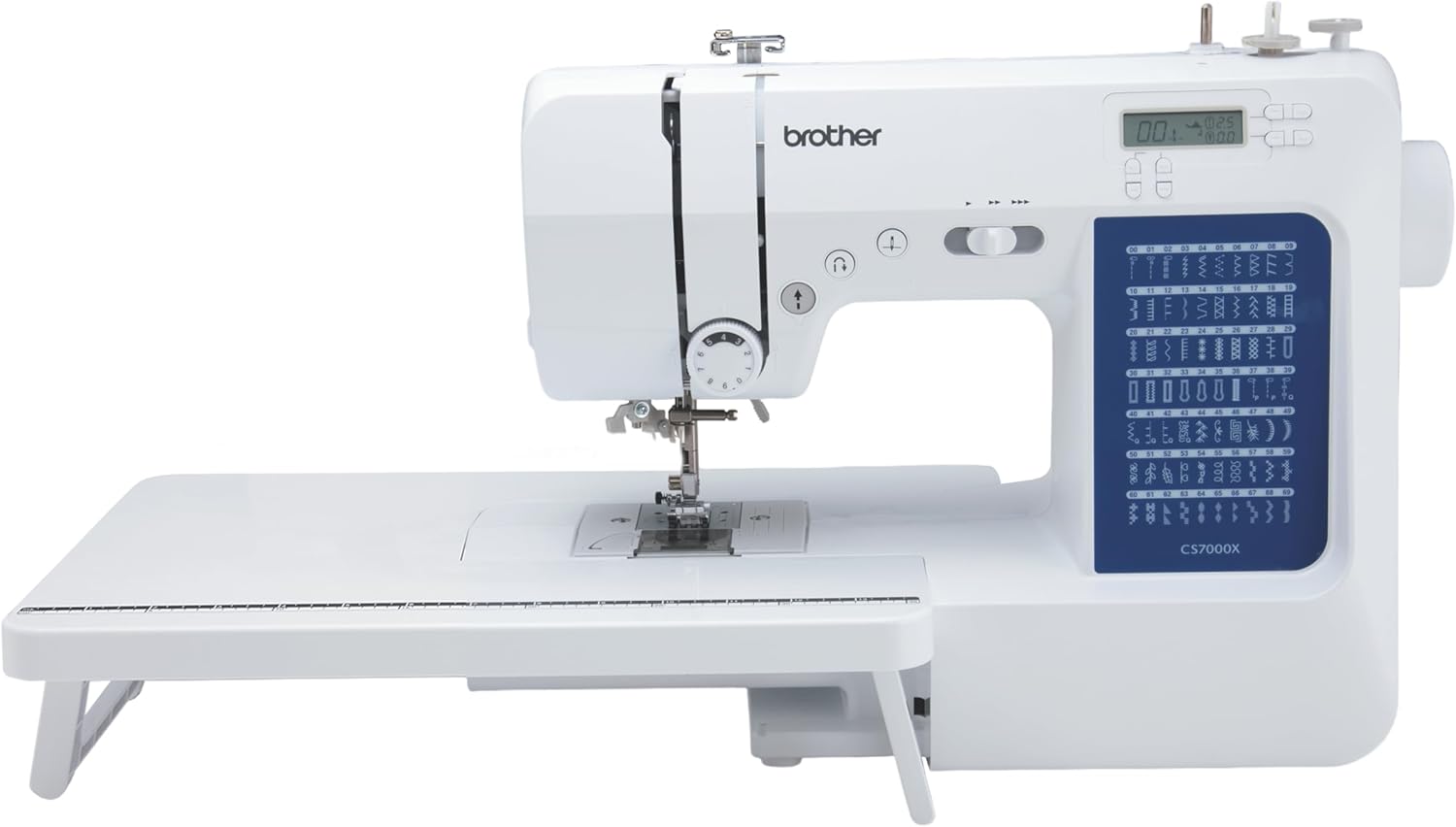
Best Beginner Sewing Machine 2026: Brother vs Janome vs Singer
The first sewing machine is the difference between sewing as a satisfying hobby and sewing as the thing you tried for a month. Here's how to pick a beginner machine that actually works, plus the brands and models to skip.

Best Fabric Marking Tools (2026): Marks That Come Out Again
Every marking tool is a trade between two failure modes: a mark that disappears before you have sewn it, and a mark that will not come out afterwards. There is no tool that avoids both on every fabric, which is why experienced sewers own several and always test on a scrap first. The one that ruins a garment is usually the one nobody tested.

Best Fabric Shears for Beginners (2026): 3 Real Picks
There is one rule that matters more than which shears you buy: they never touch paper. Paper dulls a fabric blade fast, and a dull blade stops cutting cloth and starts pushing it, so your line wanders and the edge frays. That single habit separates shears that stay sharp for years from a pair that feels cheap within a month, and it is why sewers guard their fabric scissors and label them. Beyond that, the choices are simple: length, weight, and whether the handle suits your hand. Here are three good pairs and who each is actually for.

Best Seam Ripper (2026): The Tool That Saves the Garment
Unpicking is not a sign of failure; it is most of sewing. Every fitted garment involves stitching something, trying it, and taking it apart again, and the tool that does that badly will put a hole in fabric you have already cut and cannot replace. A seam ripper is two pounds of insurance on a project worth considerably more.

Best Sewing Machine Needles (2026): The Cheapest Fix for Bad Stitching
Skipped stitches, puckering, snapping thread and a machine that suddenly sounds wrong are almost always the needle, and almost never the machine. Needles are consumable — they blunt, bend a fraction and develop burrs long before they look damaged — and most people sewing badly are sewing with a needle that should have been binned months ago.

Best Beginner Weaving Loom (2026): 3 Rigid-Heddle Looms to Start On
For learning to weave, the loom to start on is a rigid-heddle loom. It is simple, affordable, and quick to set up compared to a big floor loom, and you can weave real scarves, towels, and cloth on it within a day. The main choices are size, brand, and whether it folds. All three picks here are proper rigid-heddle looms from the two names weavers trust, from a complete starter kit to a folding loom you grow into.