Category
Science hobbies
History, language, wildlife and the night sky. Questions worth a few evenings a week.
18 hobbies · from free, most under $100 · 624 people here
Start here
Cheapest and quickest to a first finished thing.


All science hobbies
18 hobbies · sorted by best match
 Language LearningGet to where you can actually hold a conversation in another tongue.~$43 · ~10 min
- People WatchingSit, watch, and read the quiet stories strangers tell without words.Free · ~10 min
 GenealogyTrace your family back through records, names, and dead ends.~$110 · A few hours
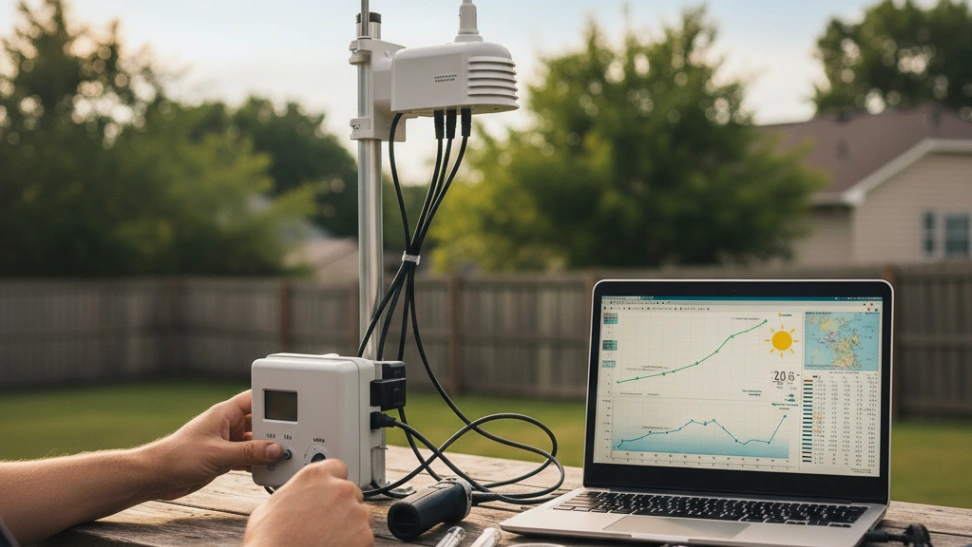 MeteorologyRead the sky and the data well enough to call tomorrow's weather.~$194 · ~10 min
- Personality TypologyMap how people tick through the frameworks that try to explain us.Free · ~10 min
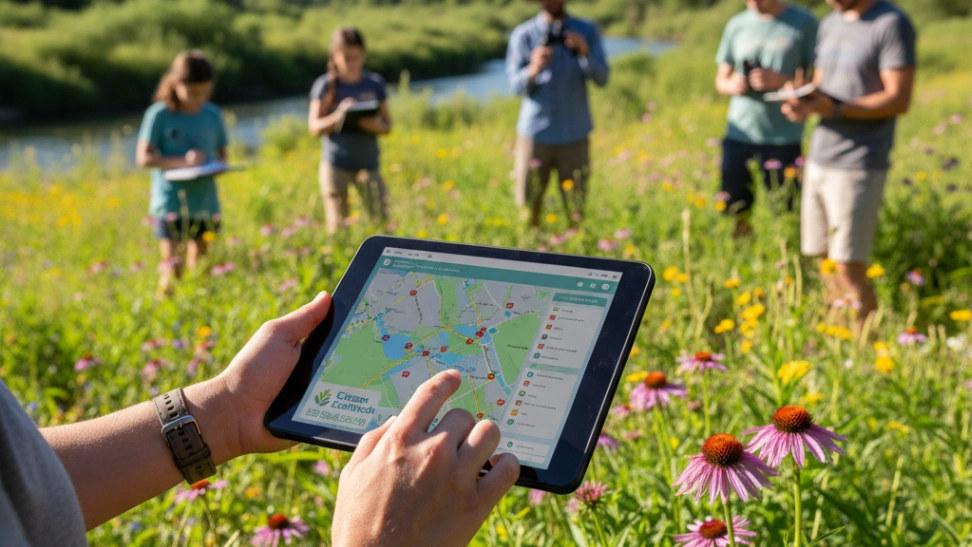 Citizen ScienceHelp real research by counting, measuring, and logging what you observe.Free · ~1 hour
 CryptographyMake and break codes, the math that keeps secrets secret.~$17 · A few hours
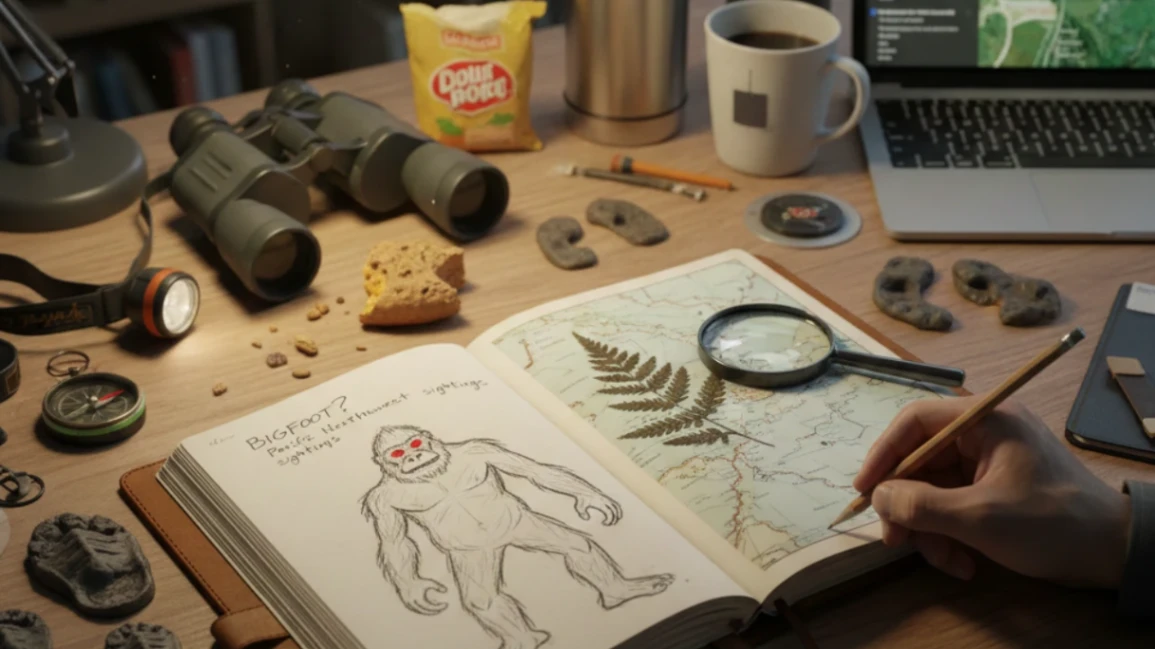
- CryptozoologyChase the evidence behind creatures science hasn't confirmed.~$50 · ~1 hour
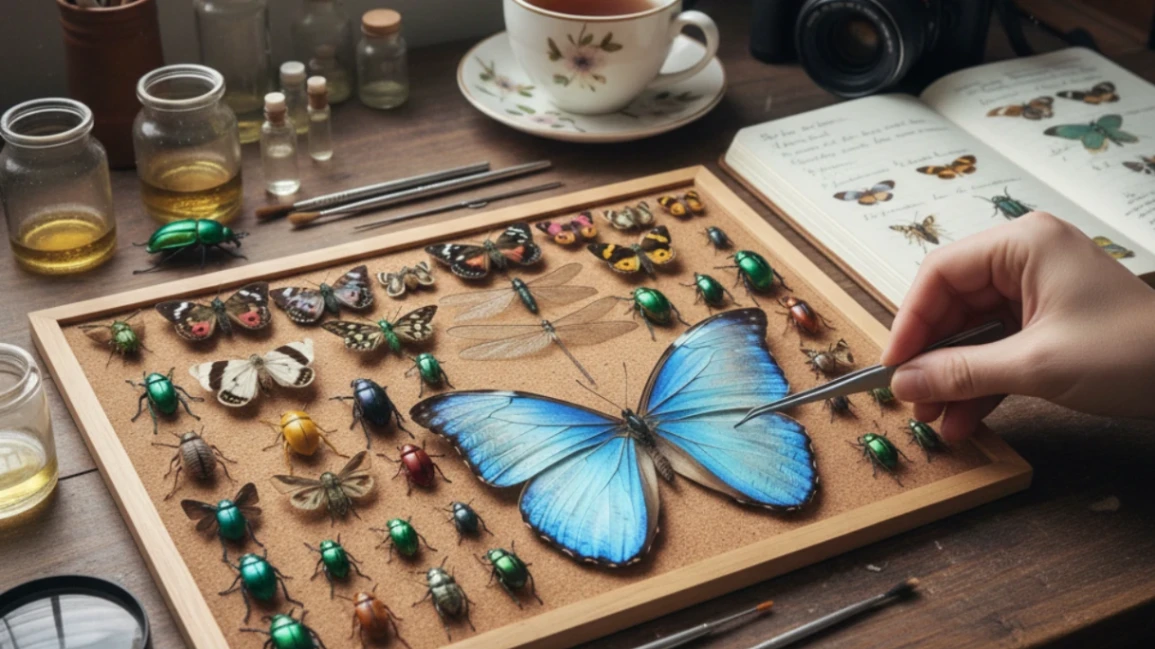 EntomologyGet close to the insect world, and collect, identify, and understand it.~$69 · A few hours
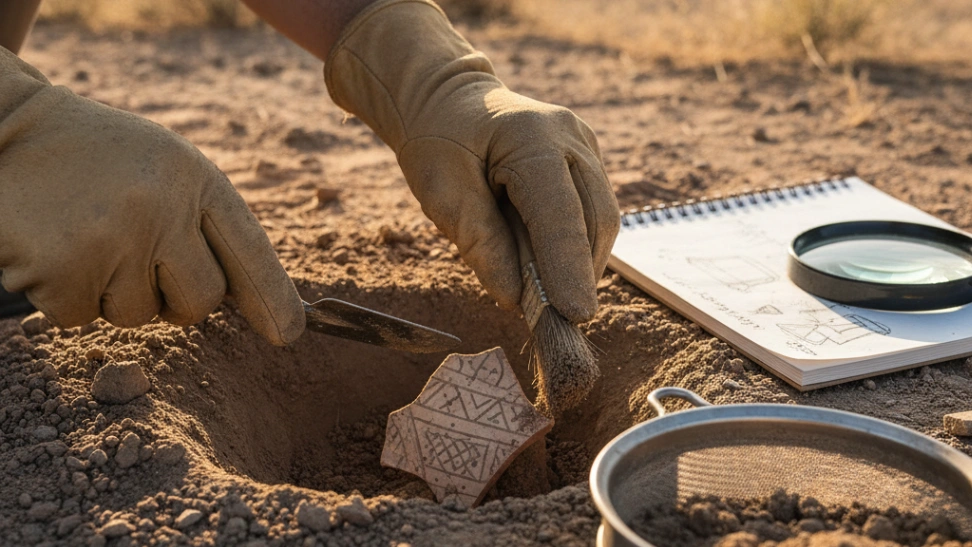 Field ArchaeologyDig carefully and read the past straight out of the dirt.~$78 · A whole day
 Local History ResearchDig up the forgotten stories of the streets you live on.~$22 · A few hours
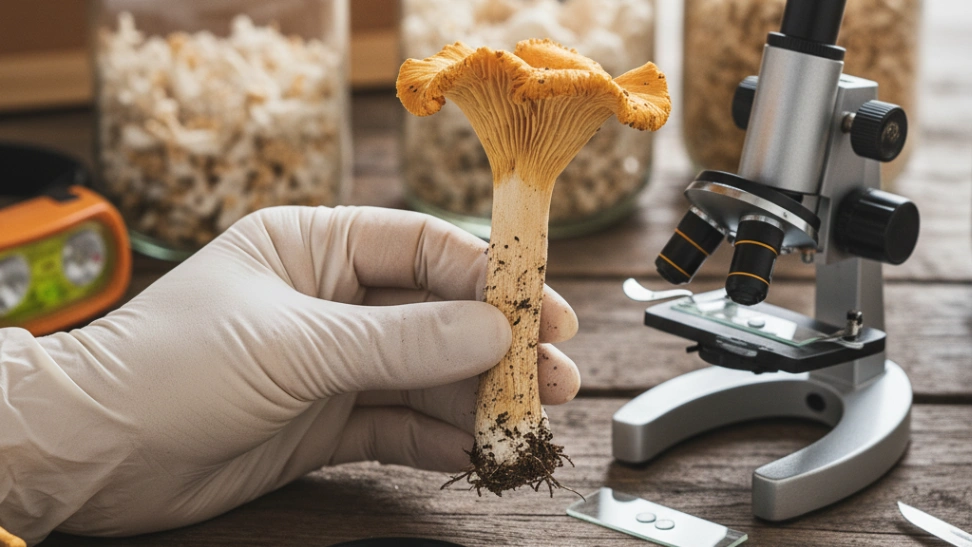 MycologyLearn the hidden kingdom of fungi from the forest floor up.~$80 · A few hours
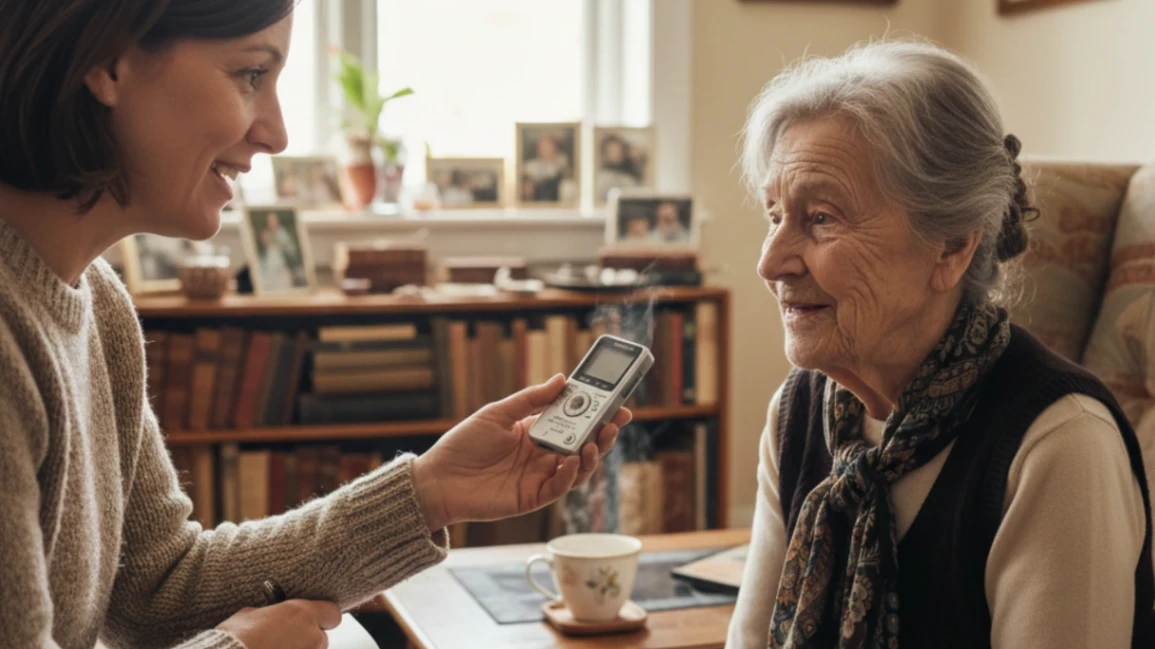 Oral History CollectionRecord the stories people carry before they're lost.~$85 · A few hours
 Conlanging (Language Creation)Invent a language from scratch: its sounds, grammar, and script.~$32 · A few hours
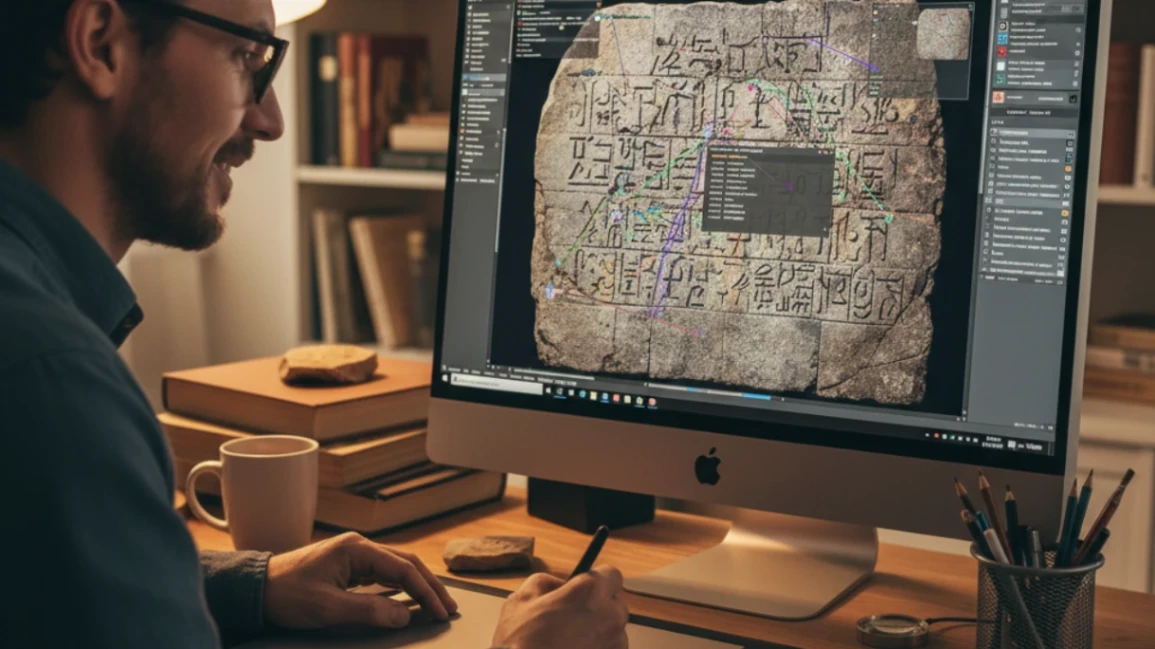 EpigraphyRead what was carved in stone thousands of years ago.~$64 · A few hours
 EthnomusicologyUnderstand cultures through the music they make and why.~$100 · A few hours
 PaleographyLearn to read handwriting that's been illegible for centuries.~$240 · A few hours
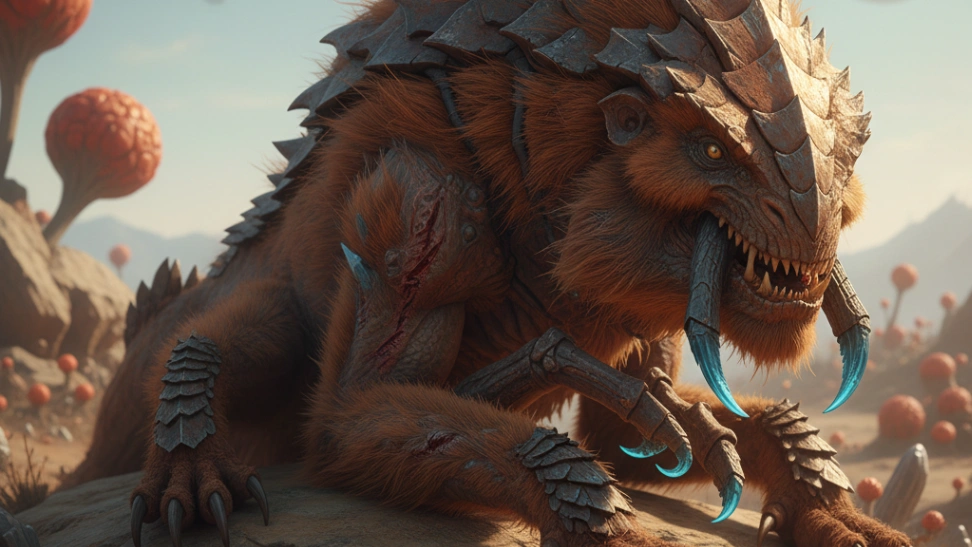 Speculative BiologyInvent alien life that evolves by real biological rules.~$46 · A few hours
Not quite it?
A–Z
Every science hobby, alphabetically
About science hobbies
Science hobbies by subject
The tabs above the list group the 18 science hobbies here by what you work with. History (6): Epigraphy, Field Archaeology, Genealogy, Local History Research, Oral History Collection and Paleography. Wildlife (5): Citizen Science, Cryptozoology, Entomology, Mycology and Speculative Biology. People (4): Ethnomusicology, Oral History Collection, People Watching and Personality Typology. Language (3): Conlanging (Language Creation), Epigraphy and Language Learning. Sky (2): Citizen Science and Meteorology. A hobby can sit under two of them, and the ones that fit none of these appear under All.
What science hobbies cost to start
Money is the thing that stops most people before they begin, so here is the actual spread. 3 of the 18 science hobbies here cost nothing at all to begin, among them Citizen Science, People Watching and Personality Typology. Another 6 need only light kit, under about $50. The typical starter cost across the category is $69, and the most expensive one to get into is Paleography, at roughly $240.
Those are starting figures, not the cost of getting good at something. Each one is the smallest kit that lets you do the thing properly once, which is the only number worth knowing while you are still deciding whether to try it at all. Every card above shows its own, and the browse view sorts the whole list by cost if that is what settles this for you.
What science hobbies ask of you
Not all science hobbies want the same thing from you. 1 has a gentle learning curve, so you can expect something you are not embarrassed by within the first few sessions. 15 are steep enough that the first month is mostly learning to handle the tools. 17 are easy on the body.
8 are mostly indoor science hobbies and 5 mostly outdoor, with 5 that work either way, so the weather need not be the thing that decides it. 17 can be done on your own, and 1 really wants other people. That matters more than people expect, because a hobby that needs a group also needs everyone else's calendar. One gives you something to show quickly, and 14 are slow burns that pay off over months rather than evenings.
Where to start with science hobbies
If this is your first one, pick something cheap and forgiving rather than the one that looks most impressive. People Watching all cost little to begin and are gentle enough that you will know inside a fortnight whether you actually like it. The most popular here is Language Learning, which is a fair default for an unglamorous reason: popular hobbies have more tutorials, cheaper second-hand gear and more people around to ask when you get stuck.
The mistake worth avoiding is buying the whole kit before the first session. Every hobby page here lists its gear in order of how central each piece is to the hobby, so you can buy the one defining item and leave the rest until you know you are staying. And if you would rather be asked than browse, the quiz ranks all of them against your budget, your free time and how you actually like spending a weekend.
How to choose a science hobby
Choose the question you already ask. Science hobbies start with something you wonder about: where your family came from, what the weather is about to do, what that insect is, why a language works the way it does. Follow the question into the hobby rather than the other way round, and start with the part that gets you outside or talking to people, because that is what turns reading into doing.
Common questions about science hobbies
- What are science hobbies?
- Intellectual pursuit: history, language, philosophy, natural sciences, mathematics. On HobbyStack that covers Language Learning, People Watching, Genealogy and Meteorology, among 18 of them.
- How many science hobbies are there?
- 18 on HobbyStack right now, each with a starter-cost estimate, a learning-curve rating and a first project to try. The list grows as we publish new ones.
- Which science hobbies are cheapest to start?
- 3 of them cost nothing to begin, including Citizen Science, People Watching and Personality Typology. Of the rest, the typical starter kit is about $69, and the priciest runs to about $240. Every card on this page shows its own figure.
- How do I pick one?
- Sort this page by what matters to you: cheapest to start, easiest to learn, or most popular. If you would rather be asked, the free quiz at hobbystack.net/finder ranks all of them against your time, budget and how you like to spend a weekend.
- Can I do science hobbies on my own?
- Most of them, yes. Filter this page by Company to see only the ones done alone, or only the ones that want a partner or a group. Each hobby's own page says which it is before you commit to anything.