Best Beginner Acrylic Paint Set 2026: Liquitex BASICS and Where to Start
Acrylics are the best paint to start with: fast-drying, water-cleanup, and forgiving, but the cheapest craft-store paints are so thin and chalky they'll put you off. The fix is student-grade acrylics with real pigment, which cost barely more. Here are three sets, from the beginner standard to a pro-quality upgrade.
HobbyStack may earn a commission from links on this page at no extra cost to you. Our picks are chosen on merit; the commission helps fund the research.
- Acrylics are the best beginner paint — fast-drying, water-cleanup, forgiving, and they stick to almost anything.
- Skip the cheapest craft paints — they're thin, chalky, and weakly pigmented. Student-grade (like Liquitex BASICS) costs barely more and actually behaves like paint.
- Our pick: the Liquitex BASICS 24-set (~$35). The beginner standard — buttery heavy-body acrylic with real pigment, in enough colours to learn mixing without overwhelm.
- Budget: the Liquitex BASICS 12-set (~$22). The same quality paint, fewer colours — plenty to start, since you'll mix most colours anyway.
- Buy it once: Winsor & Newton Artists' Acrylic (~$60). Professional-grade pigment load and lightfastness — a real step up in colour intensity.
 Our pickLiquitex BASICS Acrylic Set (24 tubes)Most beginners$36Check price
 Liquitex BASICS Acrylic Set (12 tubes)Trying it cheap$29Check price
 Winsor & Newton Artists' Acrylic (12 tubes)Buy it once$61Check price
Why student-grade, not craft-store paint
The fastest way to give up on painting is to start with the cheapest acrylics you can find. Bargain craft paints are weakly pigmented and thin — colours look chalky and washed out, you need three coats for coverage, and mixing produces muddy, lifeless results. It's demoralising, and it's not your skill, it's the paint. Student-grade acrylics (Liquitex BASICS is the standard) fix this for only a little more: real pigment load, a buttery 'heavy body' consistency that holds brushstrokes, and clean, vivid mixing. You don't need expensive professional paint to start — but you do need paint that actually behaves like paint, and that's the cheap-but-not-bargain student grade.
How we picked
We weighted these on what matters for learning to paint: pigment quality and coverage (so colours are vivid and mixing stays clean, not muddy), consistency (heavy-body acrylic that holds brushstrokes is far more satisfying and versatile than thin craft paint), a sensible colour range (enough to learn colour mixing, not so many you never mix), and value. You don't need every colour — a good set of primaries plus a few extras teaches you to mix everything else, which is the actual skill.
 Best for most beginners
Liquitex BASICS Acrylic Set (24 tubes)
The set virtually every beginner painting course recommends. Liquitex BASICS uses the same quality pigments as the brand's professional range in an affordable student line, so colours are vivid and mixing stays clean instead of muddy. The heavy-body consistency holds brushstrokes (great for texture) yet thins with water for washes, and it covers in far fewer coats than craft paint. Twenty-four colours is the sweet spot — enough variety to learn from, plus the primaries to mix everything else. It sticks to canvas, paper, board, and wood, and cleans up with water. The complete, no-regret beginner set.
What's good
- Same pigments as the pro range, at student price
- 24 colours — learn mixing without overwhelm
- Heavy-body: holds brushstrokes, thins for washes
- Covers in fewer coats; mixes cleanly (no mud)
- Sticks to almost any surface; water cleanup
What's not
- Student-grade pigment load below true pro paint
- More colours than a minimalist needs (you mix most)
- Tubes are small-to-medium (fine for learning)
 Best under $25
Liquitex BASICS Acrylic Set (12 tubes)
The same paint as our top pick, in a smaller, cheaper set — and genuinely all you need to begin. Twelve colours including the primaries is plenty to learn on, because the whole skill of painting is mixing your own colours rather than reaching for a tube. You get the identical heavy-body Liquitex BASICS quality — real pigment, clean mixing, good coverage — so it behaves like proper paint, not the chalky craft acrylic that puts beginners off. The smartest cheap start: spend the saving on a decent brush and a canvas instead.
What's good
- Same quality paint as the 24-set, cheaper
- 12 colours + primaries — enough to learn mixing
- Heavy-body, real pigment, clean mixing
- Behaves like proper paint, not chalky craft acrylic
- Leaves budget for brushes and canvas
What's not
- Fewer ready-made colours (more mixing — arguably a plus)
- Student-grade, not professional pigment load
- You may want to add specific colours later
 Buy it once
Winsor & Newton Artists' Acrylic (12 tubes)
The step up for a beginner who already knows they're serious. Winsor & Newton's Artists' Acrylic is professional-grade: a far higher pigment load than student paint, which means more intense, more lightfast colour, cleaner mixes, and a smooth, buttery consistency with no stringiness. You'll notice the difference most in vivid mixes and thin glazes, where student paint can look weak. It's more paint than a first-week beginner needs, and you'll mix many colours yourself from these twelve — but if you want colours that genuinely sing and paint you won't outgrow, it's the buy-it-once option.
What's good
- Professional pigment load — intense, lightfast colour
- Cleaner mixing and richer glazes than student paint
- Smooth, buttery consistency; no stringiness
- Paint you won't outgrow as you improve
- Mixes a huge range from 12 colours
What's not
- Several times the price of student paint
- More than a tentative beginner needs
- 12 tubes means more mixing (fine once you can)
A paint set gets you the colours — to actually paint you also want a few synthetic brushes (a small, medium, and large), something to paint on (canvas panels or acrylic paper), a palette (even a plate works), and a water jar and rag. It's another ~$20–30 and you have a complete setup. Keep your brushes wet while painting — dried acrylic ruins them fast.
Before you buy
Buy student-grade (like Liquitex BASICS), not the cheapest craft paint — real pigment is what makes painting satisfying rather than chalky and demoralising.
You need fewer colours than you think — a good set of primaries plus white teaches you to mix nearly everything, which is the real skill.
Acrylics dry fast, which is forgiving (paint over mistakes) but means you must keep your palette and brushes wet as you work, or they're ruined.
Get a few synthetic brushes (acrylic is hard on natural bristles) and clean them immediately — dried acrylic is nearly impossible to remove.
Start on inexpensive canvas panels or acrylic paper rather than pricey stretched canvas while you learn.
Common questions about beginner acrylic paint
Why not just buy cheap craft-store acrylics?
How many colours do I actually need?
What's the difference between student and professional acrylics?
Why acrylics and not oils or watercolour for a beginner?
What else do I need besides paint?
How do I keep acrylics from drying out while I paint?
For most beginners the Liquitex BASICS 24-set is the buy — the student-grade standard, with real pigment and enough colours to learn mixing. Tight budget? The 12-set is the same paint for less. Already serious? Winsor & Newton Artists' Acrylic is the pro-grade step up. Whatever you pick, just don't start with chalky craft paint — that's what makes beginners quit.
Ready to actually do it?
The first painting quest takes an evening, and it tells you whether the gear was worth it better than any review can.
Start PaintingThe HobbyStack editorial team researches each guide against manufacturer specifications, published resources and practitioner sources. Every product is checked for availability and described against its current listing before publication, and prices are re-checked when guides are updated.
About our editorial process →More gear guides
All guides
Best Canvas for Painting (2026): Cotton, Linen, and What Primed Really Means
Almost every cheap canvas says pre-primed, and almost every painter adds more primer anyway. Factory gesso is applied thinly to keep costs down, so paint sinks into the weave, colours dry dull and you use two or three times as much of an expensive tube as you needed to.

Best Easel for Beginners (2026): Tabletop, H-Frame or Neither
An easel is the piece of painting equipment people buy first and need last. Watercolour is usually painted flat or at a shallow angle; small acrylic and oil studies work fine propped against a stack of books. What an easel really buys you is the ability to stand back, see the whole picture at once, and work at a size your table cannot hold.

Best Graphite Pencils for Beginners (2026): 3 Picks
Graphite pencils come in a range of grades, from hard (H) that make light, thin lines to soft (B) that make dark, smudgy ones. For a beginner, the one spec that actually matters is getting a set that spans that range, roughly 2H to 8B, so you can shade properly instead of pressing harder on one pencil. Any of these three will do that.
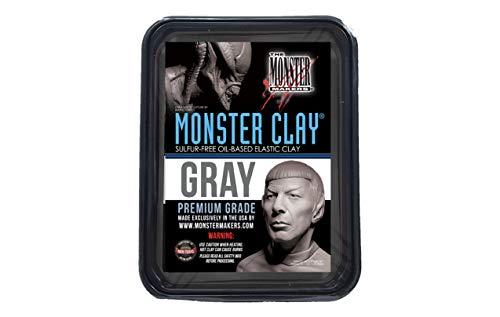
Best Sculpting Clay for Beginners (2026): Oil vs Air-Dry vs Self-Hardening
The right beginner clay depends on one thing: do you want to practice, or keep the result? Oil clay never dries so it is ideal for learning; hardening clay becomes a permanent piece. Here is what to buy at $13 to $35.

Best Calligraphy Starter Kits for Beginners: Dip Pens, Speedball, and the Pilot Parallel
The right starter kit makes the difference between smooth, satisfying letters and a frustrating mess of ink blots and scratchy strokes. Here are the three kits worth buying first, and why a cheap brush-pen bundle is not one of them.

Best Calligraphy Pen Holders (2026): Straight, Oblique and Why It Matters
The holder is the cheapest part of dip-pen calligraphy and the one that decides whether the script you want is even possible. A straight holder is fine for most hands and most styles. Copperplate and Spencerian, with their steep slant, are very hard to write with one — and that is the whole reason the strange-looking oblique holder exists.