Best Kendamas for Beginners (2026)
A kendama is a wooden ball-and-cup skill toy, and the one that makes it click for a beginner has a slightly tacky paint that grips the ball so it does not slide off the cups. A cheap glossy one is genuinely harder to learn on. Here are three, from a trusted starter to a premium competition kendama.
HobbyStack may earn a commission from links on this page at no extra cost to you. Our picks are chosen on merit; the commission helps fund the research.
- Tacky paint is the secret. A kendama's paint finish decides whether the ball grips the cups or slides off. A slightly tacky, matte finish makes balancing and catching much easier; a cheap glossy finish is slippery and frustrating. Almost every 'kendamas are impossible' story is a slippery cheap one.
- Our pick: the Yomega Pro Model (~$24). A standard-size, standard-shape wood kendama with a grippier finish from a trusted skill-toy brand. The balance of price and quality most beginners should start with.
- Budget: the Duncan Komodo (~$14). A solid, full-size wooden kendama from a name you can trust, at the lowest sensible price. Great for trying the hobby or buying a few for friends.
- Level up: the KROM POP (~$40). A premium kendama with high-quality wood and an extra-tacky, durable finish built for landing tricks and lasting through heavy play. What serious players use.
- Skip: tiny novelty kendamas and glossy no-name ones (both are slippery and hard to learn on), and anything much smaller than standard size, which throws off the balance you are learning.
 Our pickYomega Pro Model KendamaBest for most beginners$24Check price
 Duncan Komodo KendamaCheapest real kendama$15Check price
 KROM POP KendamaThe one to grow into$50Check price
What makes a kendama easy (or impossible) to learn on
A kendama looks like a simple wooden toy, but two things decide whether it is fun or maddening for a beginner:
- The paint finish. This is the big one. The ball (tama) has to grip the cups and the spike-tip has to catch the hole, and a slightly tacky, matte finish grips far better than a smooth glossy one. Good kendamas use a rubberized or "silk" tacky paint precisely so beginners can land balances; cheap glossy kendamas are slippery, the ball skitters off the cups, and people conclude the toy is impossible when it is really just the finish.
- Standard size and shape. A standard kendama is a specific size and shape, with the cups, ball, and spike proportioned a certain way. Learn on a standard one and every tutorial and trick you watch translates directly. Tiny novelty kendamas or oddly-shaped ones throw off the timing and balance you are building.
Wood quality and string matter less at the start but more as you progress — better wood holds up to the constant knocks, and a fresh string keeps the ball tracking true. But if you get the tacky finish and standard size right, you have the thing that actually makes a beginner improve.
 Best for most beginners
Yomega Pro Model Kendama
The sweet spot for a first kendama. The Yomega Pro Model is a standard-size, standard-shape wooden kendama with a grippier finish, from a brand that has made skill toys for decades. That combination is exactly what a beginner needs: the standard shape means every tutorial and trick translates directly, and the tackier paint grips the ball in the cups and on the spike so you can actually land the core tricks (big cup, small cup, base cup, spike) instead of fighting a sliding ball. Priced so it is an easy first buy, it is the kendama most beginners should start with.
What's good
- Standard size and shape — tutorials translate directly
- Grippier finish helps the ball stick in cups and on the spike
- Trusted skill-toy brand
- The right balance of price and quality to start
What's not
- Not the premium wood or tack of a pro kendama
- Finish grips well but is not as durable as a KROM
 Cheapest real kendama
Duncan Komodo Kendama
The lowest sensible price for a genuine, full-size kendama. The Duncan Komodo is a real wooden kendama from a trusted name — not a flimsy novelty — so it plays like the real thing while you find out whether the hobby grabs you, and it is cheap enough to buy a couple and play with friends. The finish is glossier than a premium tama, so the ball is a touch more slippery to start, but you can scuff it in or add grip, and for learning the basic cup catches and your first spike it does the job. A solid, honest starting point.
What's good
- A real, full-size wooden kendama from Duncan
- Cheap enough to try the hobby or buy for friends
- Standard shape for learning the core tricks
- Easily grippier with a little breaking in
What's not
- Glossier finish is more slippery than premium tack
- You may want to scuff it in or add grip to start
 The one to grow into
KROM POP Kendama
The kendama for when you love it and want one that lands tricks and lasts. KROM is a premium kendama brand, and the POP shows it: high-quality wood, and an extra-tacky, durable finish that grips beautifully and survives the constant knocks of heavy play far better than a cheap tama. That grip and consistency is what serious players want when they are drilling tricks for hours, because the ball behaves the same way every rep. It is more than a total beginner strictly needs, but it is the kendama you grow into, and many players never want another.
What's good
- Premium wood and an extra-tacky, grippy finish
- Durable enough for hours of heavy trick practice
- Consistent play that rewards drilling tricks
- A brand serious kendama players trust
What's not
- More than a first-timer strictly needs
- Premium price versus a starter kendama
If your kendama feels slippery, players 'break it in' or add tack. Playing it in roughens the glossy sheen over time, but you can speed it up: lightly scuff the cups and ball with fine sandpaper, or use a purpose-made kendama tack or grip spray. A grippier tama is the difference between the ball sliding off and it sticking the balance, and it is the first thing experienced players do to a new kendama that plays slick.
Before you buy
Prioritise a tacky, matte finish over looks. A grippy finish is the single biggest factor in how quickly you learn. A glossy 'prettier' kendama is often the harder one.
Get standard size and shape. Learn on a standard kendama so every tutorial and trick translates directly; novelty sizes throw off the balance you are building.
Bend your knees, catch soft. Nearly every trick uses a knee-bend to lift the ball and a soft, cushioning catch. Jerky arm movement is the beginner giveaway; the power comes from the legs.
Start with the cups, then the spike. Big cup, small cup, base cup, then spike, in that order. Landing the spike is the classic first milestone; the cups build the control to get there.
Keep a spare string. Kendama strings wear and snap with heavy play. A replacement is cheap and re-stringing takes a minute, so a broken string never ends a session.
Common questions about beginner kendamas
What should I look for in a beginner kendama?
Why does the ball keep sliding off the cups?
Are expensive kendamas worth it for a beginner?
What is the first trick to learn?
What size kendama should I get?
Do kendamas break?
Ready to actually do it?
The first kendama quest takes an evening, and it tells you whether the gear was worth it better than any review can.
Start KendamaThe HobbyStack editorial team researches each guide against manufacturer specifications, published resources and practitioner sources. Every product is checked for availability and described against its current listing before publication, and prices are re-checked when guides are updated.
About our editorial process →More gear guides
All guides
Best Cardistry Cards (2026): A Deck Is a Consumable, Not a Purchase
A cardistry deck has a working life measured in weeks, not years. The coating wears, the edges soften, the cards start to clump, and fans that opened cleanly on Monday will not by Friday. Which means the single most useful thing a beginner can know is to buy cheap decks in bulk and stop treating any one of them as precious.
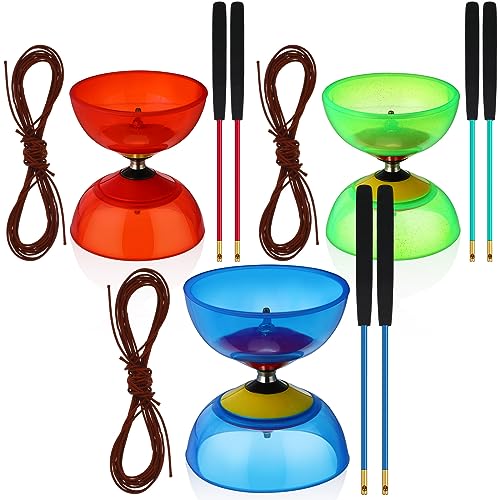
Best Diabolo for Beginners (2026): Bearings Change What You Can Learn
A bearing diabolo holds its spin almost indefinitely, which sounds like pure upside and is a real trade. Spin is what keeps a diabolo stable, so bearings make tricks much easier to hold together. They also remove the one thing that forces a beginner to learn a clean, powerful acceleration.

Best Beginner Ukulele (2026): Soprano, Concert, and Tenor Picks
The great thing about the ukulele is that a good beginner one is cheap and genuinely easy to start on. The main decision is not budget, it is size: soprano, concert, or tenor. They are all tuned the same and played the same, they just differ in body size, which changes the tone and how much room your fingers have. All three picks here are from Kala, the brand most teachers point beginners toward, so you get a properly set-up instrument that stays in tune rather than a toy that fights you.

Best Beginner Harmonica (2026): 3 Honest Picks
Here is the honest truth most gear guides skip: the harmonica is one of the cheapest instruments to start, and the thing that actually matters is not spending more, it is not buying a toy. A real 10-hole diatonic harmonica in the key of C from a known brand is airtight, stays in tune, and lets you bend notes, which is the whole point. The cheap no-name harp and the giant multi-key gift set fight you the entire way, drift out of tune within a week, and make you feel like you have no talent when the truth is the instrument is the problem. So this guide is not about which expensive harp to buy, it is about getting one honest, well-made harmonica in the right key so you actually enjoy learning. Key of C is the standard beginner key, nearly every lesson, song, and YouTube tutorial is in C, so start there. All three picks are proper 10-hole diatonics in C with plastic combs, and even the dearest one here is cheap. Here are three good ones, and honest advice on how little you need to spend.

Best Yo-Yos for Beginners (2026)
The one thing that makes learning a yo-yo click is starting with a responsive one that comes back with a tug. Get that and you learn the throw and basic tricks fast; start with a pro unresponsive yo-yo and it just sleeps at the bottom of the string and frustrates you. Here are three, from a $14 responsive plastic to a metal you grow into.
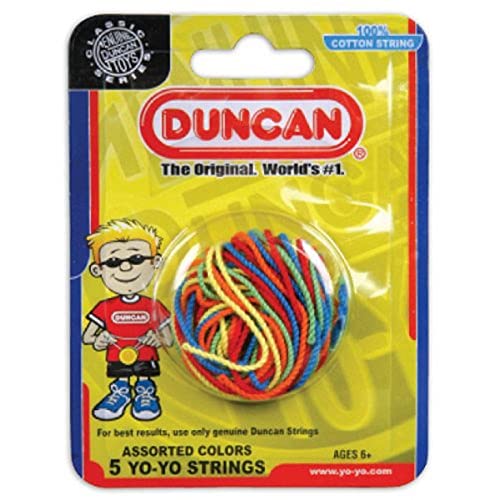
Best Yo-Yo String (2026): The Cheapest Thing That Changes How It Plays
String is the part of a yo-yo nobody thinks about and the part that decides whether tricks work. It costs pennies, it wears out in hours of play, and a stretched, fraying string is behind most of the sudden inability to land something you had yesterday. Changing it is the cheapest fix in the hobby.