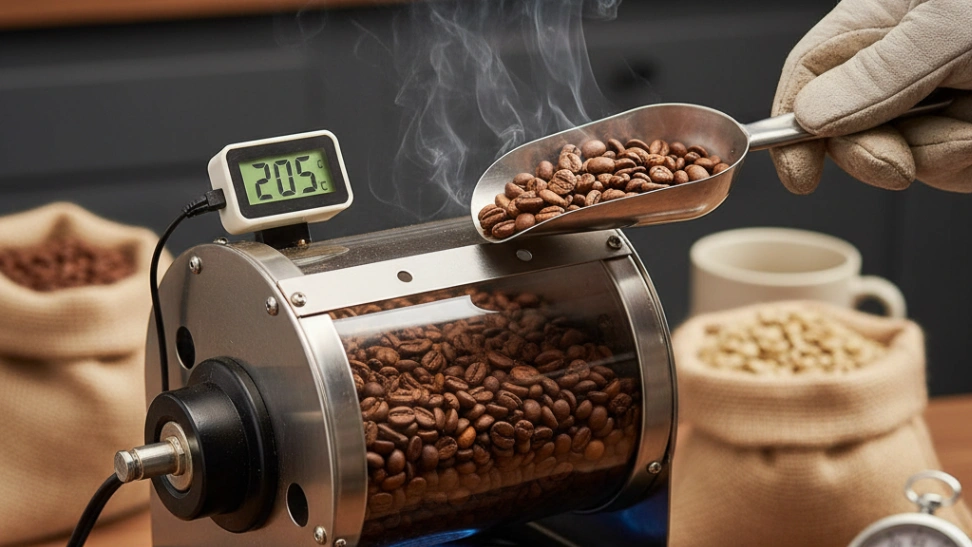
Best Beginner Home Coffee Roaster 2026: Nuvo vs Fresh Roast SR540 vs Behmor 1600
Home roasting is one of those rare hobbies where the result is measurably better than what you can buy. Get the right roaster and you'll drink the best coffee of your life within a month.
HobbyStack may earn a commission from links on this page at no extra cost to you. Our picks are chosen on merit; the commission helps fund the research.
- Home roasting is one of those rare hobbies where the result is measurably better than what you can buy. A week-old home-roasted bean tastes alive in a way grocery-store coffee never does.
- Our pick: the Fresh Roast SR540 (~$240). The 2026 consensus beginner electric roaster across Sweet Maria's, Coffee Chronicler, and Roastmasters. Fluid bed (air) design lets you see the beans change color through clear glass. 4 oz batches.
- Budget entry: the Nuvo Eco Ceramic Stovetop Roaster (~$40). Manual ceramic stovetop roaster. Sub-$40 way to learn the craft hands-on before investing in electric.
- Going deep: the Fresh Roast SR800 (~$450). Drum roaster, 1 lb batches (4x the Fresh Roast), multiple roast profiles. The roaster home roasters upgrade to when 4 oz at a time isn't enough.
- Skip: oven roasting (uneven results, fills the house with smoke); air popcorn poppers (technically work but lack temperature control); 'turkey fryer' modified rigs (DIY territory).
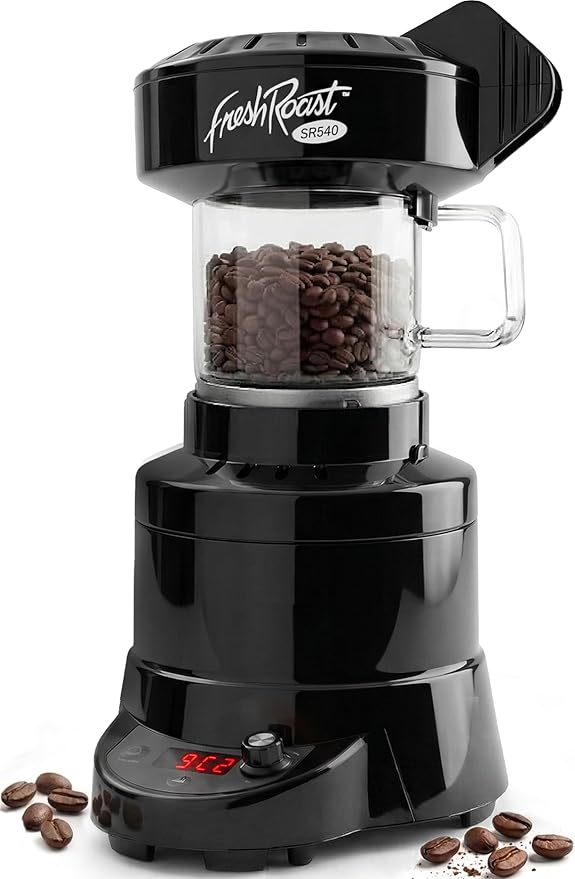 Our pickFresh Roast SR540 Coffee RoasterMost beginners$219Check price
 Nuvo Eco Ceramic Handy Coffee Bean RoasterTrying it cheap$30Check price
 Fresh Roast SR800 Coffee RoasterGoing deep$334Check price
Why home-roasted coffee is genuinely better
Coffee is roasted differently from most foods: it tastes best 3-14 days after roasting, then declines steadily. Grocery store beans roasted weeks or months ago are flat — most of the volatile aromatics have evaporated. Fresh-roasted coffee from your kitchen at peak (day 3-7) tastes like a different drink.
This is the rare hobby where the result really is better than what you can buy. Specialty roasters know this, which is why third-wave coffee shops emphasize roast date on their bags. But shipping coffee always introduces a 3-14 day delay between roast and brew. Roasting at home eliminates that delay.
Home roasting has two main approaches:
Fluid bed (air) roasters push hot air through the beans, agitating them while they roast. Visual feedback through the glass chamber, fast roasts (~10 minutes), small batches. Best for beginners learning what each roast stage looks like.
Drum roasters rotate beans in a drum over a heat source. No visual feedback (you go by sound and smell), larger batches, longer roasts (~15-20 minutes). Better for production once you know what you're doing.
The single biggest beginner trap: trying to skip the roasting hobby by buying gimmicky tabletop "automatic" roasters that claim 5-minute setup. They produce mediocre roasts because they can't be adjusted, and they break within 1-2 years. Real coffee roasting requires real equipment that lets you control time, temperature, and airflow.
 Best for most beginners
Fresh Roast SR540 Coffee Roaster
The Fresh Roast SR540 is the 2026 consensus beginner electric roaster. Sweet Maria's (the trusted green coffee bean importer) recommends it more often than any other roaster for first-time buyers. The fluid bed (air) design has clear glass walls that let you watch the beans change color through the roast — invaluable for learning what first crack, second crack, and city roast look like. Variable controls for time, temperature, and fan speed give you real adjustment range. 4 oz green bean batches roast in 8-12 minutes. Forgiving for beginners; flexible enough to stay useful as you develop your palate and start chasing specific roast profiles. The roaster that lasts your first 2-3 years before you decide to upgrade.
What's good
- Variable controls for time, temperature, AND fan speed — full beginner-friendly adjustment
- Clear glass walls let you visually identify first crack, color changes, roast stages
- Forgiving design — hard to ruin a roast with this machine
- Sweet Maria's #1 recommendation for first-time home roasters
- Strong used market — sells $130-170 used if you upgrade
What's not
- 4 oz batches per roast = ~half a pound of finished roasted coffee per session
- Loud fan during roasting (similar to a hair dryer)
- Best for light-to-medium roasts; dark roasts can be finicky
 Best under $50
Nuvo Eco Ceramic Handy Coffee Bean Roaster
The Nuvo Eco Ceramic Stovetop Roaster is the lowest-budget entry to home roasting that's still real. You hold the ceramic vessel over a gas stove flame and rotate it by hand for 5-10 minutes; you can see and hear the beans transform. ~50g (1.7 oz) batches per roast. Not a replacement for an electric roaster — it's slow, batches are tiny, and you're holding a hot ceramic pot for 5 minutes. But it's the absolute lowest-friction way to learn the craft hands-on before committing to a $240-450 electric roaster. Many home roasters keep their Nuvo even after upgrading, for travel and small-batch experiments.
What's good
- Sub-$50 way to learn the craft hands-on
- Forces you to learn first crack by sound and smell (foundational skill)
- Tiny batches let you experiment with multiple bean varieties cheaply
- Portable — travel with it, roast at someone else's house
- Holds value — ceramic doesn't degrade
What's not
- 50g batches mean roasting daily for 2-3 cups (not a 'restock my coffee jar' machine)
- You're holding a hot ceramic vessel over open flame for 5-10 minutes
- Requires a gas stove (electric stoves don't generate enough heat)
- Inconsistent roasts until you build hand-eye-ear muscle memory
 Best to grow into
Fresh Roast SR800 Coffee Roaster
The home roaster enthusiasts actually recommend. The Fresh Roast SR800 is a fluid-bed air roaster: it lofts the beans on hot air for an even roast and, crucially, gives you real-time control over heat and fan speed, so you can steer a roast and repeat it, which is how you actually learn to roast. It handles up to about a half pound per batch, cools the beans fast, and the glass chamber lets you watch the color develop. Pricier than a basic drum, but it is the one that teaches you and grows with you.
What's good
- Real-time heat and fan control to steer roasts
- Even fluid-bed roasting you can watch develop
- Fast cool-down, repeatable results
- The roaster enthusiasts recommend to learn on
What's not
- Half-pound batches, not for big volume
- Pricier than a basic drum roaster
All three roasters need green (unroasted) coffee beans, which most grocery stores don't sell. The trusted US sources: Sweet Maria's (the home-roaster reference, ships from Oakland, exceptional bean selection and education); Burman Coffee Traders (great selection, fast shipping); and Happy Mug Coffee (good prices). Avoid Amazon green coffee — variable quality, often stale, sometimes mislabeled. Sweet Maria's also runs the best home-roasting educational content on the internet — start there.
How to choose between the three
Pick the Fresh Roast SR540 if you're serious about learning home roasting but don't want to spend $450. The visual feedback (you can see the beans change color) teaches you what each roast stage looks like — invaluable for building the intuition that makes you a good roaster.
Pick the Nuvo Eco if you want to try home roasting before spending $240. Real craft, real learning, sub-$50. Many home roasters keep theirs as a backup forever.
Pick the Fresh Roast SR800 if you've already done 50+ roasts and want bigger batches. The 1 lb capacity transforms home roasting from "daily ritual" to "weekly project" — different rhythm. Not the right first roaster unless you're certain you'll commit.
What's the same across all three: real home-roasting equipment from established brands with real customer support. The differences that matter: batch size (Fresh Roast > Fresh Roast > Nuvo), automation (Fresh Roast > Fresh Roast > Nuvo), and price.
Whichever you pick: get a kitchen scale ($30) and an infrared thermometer ($20) at the same time. Roasting is about controlling bean mass and temperature. Without measurement, you can't reproduce a good roast or improve a bad one.
Before you buy
Buy green beans from Sweet Maria's first. $30-50 for a sampler covers 4-6 different origins. Roasting beans you'll actually want to drink matters; bad green coffee can't be saved by good roasting.
Plan to roast outside or in your garage. Even the Fresh Roast with smoke suppression produces noticeable coffee-roasting smell during second crack. Most home roasters set up on a porch, garage, or outdoor counter.
Keep a roast log. Date, bean origin, weight in, target end-temperature, total time, time at first crack. After 20 roasts you'll see patterns and start improving systematically. After 100 roasts you'll have your personal flavor preferences mapped.
Get a fan + colander cooling setup ($20 DIY). Beans need to cool quickly after roasting to stop development. A $20 box fan plus a metal colander works perfectly; the dedicated 'cooling trays' sold separately are usually overkill.
Don't drink the coffee for 24 hours after roasting. Fresh beans need to off-gas CO2 before they brew well. The flavor opens up at 24-48 hours and peaks at day 3-7. Roast on Saturday for the best Monday morning coffee.
Common questions about home coffee roasting
Can I really roast better coffee at home than what I can buy?
Fluid bed (air) vs drum roaster — which is better?
How long does home-roasted coffee stay good?
Is roasting indoors safe?
What about Kaldi Wide Range or Aillio Bullet?
How much does running a roaster cost monthly?
For most people, the Fresh Roast SR540 Coffee Roaster is the buy — the best balance of price, quality, and longevity. Want to spend less? The Nuvo Eco Ceramic Handy Coffee Bean Roaster gets you started for a fraction of the cost. Ready to go deeper? The Fresh Roast SR800 Coffee Roaster is the upgrade.
Ready to actually do it?
The first coffee roasting quest takes an evening, and it tells you whether the gear was worth it better than any review can.
Start Coffee RoastingThe HobbyStack editorial team researches each guide against manufacturer specifications, published resources and practitioner sources. Every product is checked for availability and described against its current listing before publication, and prices are re-checked when guides are updated.
About our editorial process →More gear guides
All guides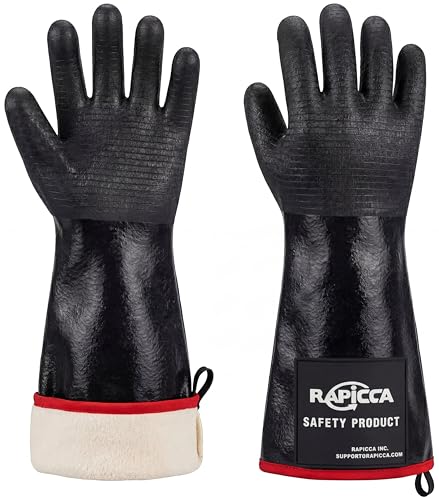
Best Heat-Resistant Gloves (2026): The Rating Is Not the Whole Story
A glove rated to 932°F does not mean you can hold something at 932°F. It means the material survives that temperature for a stated brief contact, and the number on the box is measured under conditions nobody explains. What actually decides whether you get burned is how long your hand is in contact and how thick the insulation is.
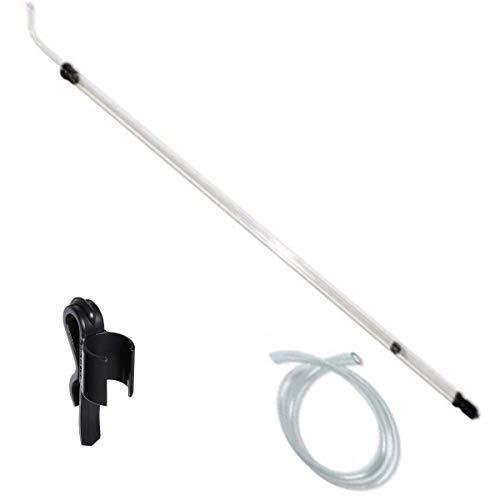
Best Auto-Siphon (2026): Move the Beer Without Moving the Trub
Racking is moving beer off the sediment it has dropped, and there are two ways to ruin it. One is stirring up the trub so it comes with you. The other is splashing, which dissolves oxygen into finished beer and produces a stale, wet-cardboard flavour weeks later. An auto-siphon exists to avoid both, and it costs less than a bag of hops.

Best Bottling Wand (2026): Fill to the Brim, Then Let It Drop
A bottling wand looks like a length of tube with a valve on the end, and the clever part is what happens when you lift it out. You fill the bottle right to the brim, and withdrawing the wand removes exactly its own volume, leaving the correct headspace every time without measuring anything.
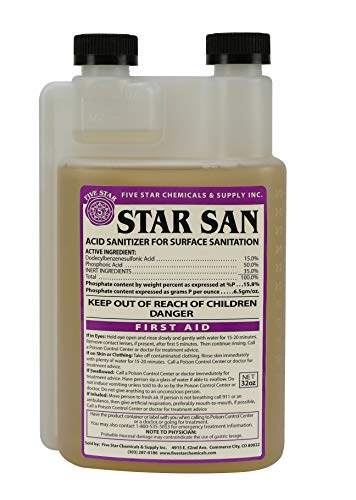
Best Brewing Sanitizer (2026): Clean First, Then Sanitise
More homebrew is ruined by infection than by any mistake in the recipe, and almost all of it traces back to one misunderstanding: cleaning and sanitising are two separate steps, and sanitiser does nothing on a surface that is not already clean. The good news is that the standard product costs very little and works in thirty seconds.

Best Brewing Thermometer (2026): Two Degrees Changes the Beer
Mash at 150°F and you get a dry, crisp beer. Mash at 156°F and you get a fuller, sweeter one from exactly the same grain bill. That is a six-degree window deciding the character of the finished beer, which makes an accurate thermometer less of an accessory than a recipe ingredient.

Best Beginner Winemaking Kit 2026: Craft a Brew vs North Mountain vs Master Vintner
Good news first: making wine at home is more forgiving than it sounds, and you don't need a cellar or a chemistry degree to end up with something you'd actually pour for a friend. A starter kit gives you the gear to ferment, rack, and bottle, and you supply the juice or fruit and a little patience. The catch nobody mentions is that "kit" means two different things. Some are all-in-one boxes with the juice included so you can start tonight, and some are just the reusable equipment that expects you to bring your own ingredients. This guide sorts out which is which, and picks three genuinely good ones: the easiest way to try it, the best gear for most beginners, and the full-size rig to grow into.