Best Karate Gi for Beginners (2026): 3 Picks by Weight and Feel
Your first karate gi (the white uniform) really comes down to one number: fabric weight, measured in ounces. A lightweight gi is cheap, cool, and perfect for learning, while a heavier gi feels more substantial and makes that satisfying 'snap' when you punch, but costs more and runs hot. Beginners almost always want a light gi to start, and most dojos are happy with a plain white one. The other thing to get right is sizing, since gis shrink, and buying the right belt colour (usually just a white belt to begin). Here are three good ones, from an affordable student gi to a premium heavyweight you grow into.
HobbyStack may earn a commission from links on this page at no extra cost to you. Our picks are chosen on merit; the commission helps fund the research.
- Fabric weight (in ounces) is the main choice. A lightweight gi (around 6-8oz) is cheap, cool, and ideal for beginners; a heavyweight (10-14oz) feels substantial and 'snaps' but costs more and runs hot.
- Start light. Beginners almost always want a lightweight gi, it is affordable, comfortable to train in, and you are not yet doing the crisp technique that heavyweights are made to show off.
- Buy for shrinkage. Cotton gis shrink in the wash, so follow the brand's sizing chart carefully (often you size to your height) and expect some shrink, wash cold to control it.
- You usually just need a white belt. Beginners start at white belt, and most dojos want a plain white gi, check with your instructor before buying anything fancy or coloured.
 adidas K150 Karate Student GiLearning karate affordably and cool$35Check price
 Our pickadidas K220 DNA Kumite Karate GiA better-feeling gi as you commit$130Check price
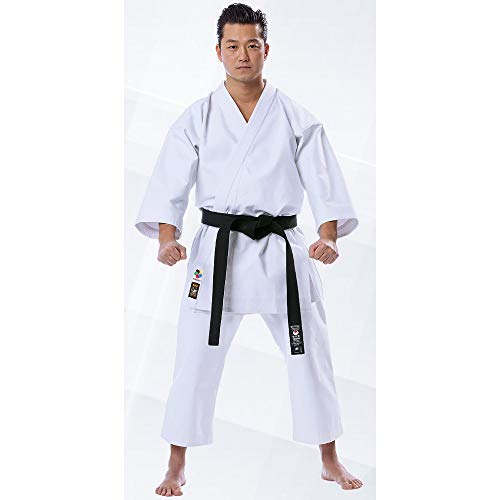 Tokaido Kata Master Karate GiCrisp technique and a gi you keep$180Check price
The one spec that defines a gi is its fabric weight, given in ounces, and it drives price, comfort, and feel. A lightweight gi (roughly 6 to 8 ounces) is thin, cool, affordable, and easy to move in, which makes it ideal for beginners and for anyone training in a warm room, the downside is that it wrinkles and does not make the crisp cracking sound of heavier cloth. A heavyweight gi (10 to 14+ ounces, often canvas) feels substantial, holds its shape, and 'snaps' sharply when you execute a fast technique, which looks and sounds impressive, but it is more expensive and noticeably hotter to train in. There are mid-weight options in between. For a beginner, the honest answer is to start light: you are learning the movements, not yet performing the crisp kata that heavyweight gis are built to showcase, and a light gi keeps you cool and costs less while you find out if karate is for you.
Beyond weight, two practical things trip up beginners: sizing and belts. Gis are traditionally cotton and they shrink in the wash, sometimes significantly, so you cannot just buy your everyday clothing size. Follow each brand's sizing chart closely (many size gis by your height), lean toward the guidance for shrinkage, and wash in cold water and hang or low-heat dry to keep the shrink under control. On belts: as a beginner you will start at white belt, and most dojos simply want a plain white gi, so you usually do not need to buy a coloured belt or anything ornate, your school awards belts as you progress, and buying a higher-rank belt you have not earned is a real faux pas. Before spending on a specific gi, it is always worth a quick check with your instructor, some styles or clubs have preferences on cut (karate, taekwondo, and judo gis differ) or require a club patch.
 Best budget gi
adidas K150 Karate Student Gi
The affordable, sensible first gi for almost every beginner. The adidas K150 is a lightweight student uniform from a trusted brand, thin and breathable so you stay cool while learning, easy to move in, and it usually comes with a white belt, which is exactly what a beginner needs. At its price it is a low-risk way to start training before you know how far you will take karate. Being lightweight, it wrinkles more and will not make the sharp 'snap' of a heavyweight canvas gi, but you are not doing crisp competition kata yet, you are learning the basics, and for that this is ideal. Follow the adidas sizing chart and allow for some shrinkage in the wash. For a first few months of classes, the K150 is all the gi you need, and it leaves your budget for the classes themselves.
What's good
- Affordable, low-risk first gi
- Lightweight and breathable, stays cool
- Trusted brand, usually includes a white belt
- Easy to move in while learning basics
What's not
- Wrinkles and lacks the heavyweight 'snap'
- Thinner fabric feels less substantial
 Best for most beginners who stick with it
adidas K220 DNA Kumite Karate Gi
The gi to step up to once you know you are sticking with karate and want something that feels better to train in. The adidas K220 is a mid-weight uniform with a kumite (sparring) cut, so it sits between a thin student gi and a heavy kata gi: more substantial and better-fitting than the entry model, holding its shape and feeling more like 'proper' kit, while still being comfortable and not as hot as a full heavyweight. It is from the same trusted brand and looks sharp in class. This is the sweet spot for a committed beginner or improver, more gi than the absolute starter without the cost and heat of a premium heavyweight, and a uniform you will be happy training in several times a week. As always, follow the sizing chart and allow for shrinkage, and check your dojo is happy with the cut.
What's good
- More substantial feel than an entry student gi
- Kumite cut fits and moves well for sparring
- Comfortable mid-weight, not as hot as a heavyweight
- Trusted brand, sharp in class
What's not
- Costs more than a basic student gi
- Not as crisp-snapping as a full heavyweight
 Best to grow into
Tokaido Kata Master Karate Gi
The premium gi for someone dedicated to karate who wants the real thing. Tokaido is one of the most revered names in karate uniforms, and the Kata Master is a heavyweight gi built for crisp technique: the substantial fabric holds its shape, drapes properly, and makes that sharp, satisfying 'snap' when you punch or block quickly, which is exactly what advanced kata is meant to show. It is the choice of serious practitioners and looks and feels the part in a way lighter gis do not. The honest caveats: it is by far the most expensive option here, it is hotter and heavier to train in, and a true beginner does not need it, you will not be performing the crisp technique it is designed to display for a while. But if you already know karate is a long-term pursuit and want a gi you will be proud to wear and keep for years, the Tokaido is a genuine buy-once heavyweight from a legendary maker.
What's good
- Legendary Tokaido quality and reputation
- Heavyweight fabric holds shape and 'snaps' crisply
- The choice of serious, dedicated practitioners
- A buy-once gi you keep for years
What's not
- By far the most expensive option here
- Hot and heavy; more than a beginner needs
Different martial arts and even different clubs have preferences, so a quick word with your instructor first saves a wrong purchase. Karate, taekwondo, and judo gis are cut differently and are not interchangeable, some clubs require a specific brand, cut, or a club patch, and beginners start at white belt so you rarely need to buy a coloured belt. Most dojos are perfectly happy with a plain, affordable lightweight white gi to start. Confirm the style and any requirements, then buy, rather than guessing and ending up with the wrong uniform.
Which to buy: just starting karate and want an affordable, cool, low-risk uniform? The lightweight adidas K150. Sticking with it and want a more substantial, better-fitting gi for regular training? The mid-weight adidas K220. Dedicated to karate and want a legendary heavyweight that snaps crisply on technique and lasts for years? The Tokaido Kata Master. Whichever you choose, follow the sizing chart, allow for shrinkage, wash cold, and check your dojo's preferences before ordering.
Before you buy
Size up for shrinkage and follow the chart. Cotton gis shrink in the wash and are often sized by height, not clothing size, so read the brand's chart and expect the gi to get a little smaller after washing.
Wash cold and avoid high heat. Cold water and hanging or low-heat drying keep shrinkage under control and stop the white cotton from yellowing or wearing out early.
You start at white belt, do not buy a higher rank. Belts are awarded by your dojo as you progress, and wearing a colour you have not earned is a real faux pas, so just get the white belt (often included).
A lightweight gi is the right beginner call. Save the heavyweight for when your technique is crisp enough to show it off, early on a light gi keeps you cooler, costs less, and is easier to train in.
It is easy to fall down a rabbit hole of fabric weights, cuts, and brands, but for your first few months none of it matters much. A plain, affordable, lightweight white gi that fits (allowing for shrinkage) is genuinely all a beginner needs, you are there to learn to move, not to show off crisp kata in premium canvas. Spend your money and attention on the classes, get comfortable, and upgrade to a heavier or fancier gi later once you know karate is for you and your technique is ready to make use of it.
Beginner karate gi questions
What weight karate gi should a beginner get?
How do I size a karate gi?
Do I need a coloured belt as a beginner?
Which karate gi should a beginner buy?
Is a karate gi the same as a taekwondo or judo gi?
How should I care for a karate gi?
For most beginners the lightweight adidas K150 is the right first gi: affordable, cool, comfortable to learn in, and usually supplied with the white belt you start at. If you know you are sticking with karate and want a more substantial, better-fitting uniform, the mid-weight adidas K220 is the step up. If you are dedicated and want a legendary heavyweight that snaps crisply on technique and lasts for years, the Tokaido Kata Master is the premium buy-once choice. Start light, size for shrinkage, wash cold, and check your dojo's preferences before ordering.
Ready to actually do it?
The first karate quest takes an evening, and it tells you whether the gear was worth it better than any review can.
Start KarateThe HobbyStack editorial team researches each guide against manufacturer specifications, published resources and practitioner sources. Every product is checked for availability and described against its current listing before publication, and prices are re-checked when guides are updated.
About our editorial process →More gear guides
All guides
Best Beginner BJJ Gi 2026: Sanabul Essentials vs Fuji All-Around vs Hayabusa Ascend
The gi (also called a kimono) is the one thing you actually have to buy for BJJ. Most gyms let you borrow one for a class or two, but you'll want your own fast, because you sweat into it and wash it constantly. Good news: you do not need an expensive one to start. A $90 gi and a $200 gi feel more alike than the price gap suggests, and nobody at the gym cares what brand you wear. What matters early is that it fits and that it survives being washed after every session. If you think you'll ever compete, you'll also want an IBJJF-legal gi, and the picks below note which ones qualify. Below are three gis beginners actually buy, from a safe budget pick to a nicer one you can grow into.

Best BJJ Rash Guard (2026): Skin Infections Are the Real Reason You Wear One
People assume a rash guard is about friction burn from the mats. That is part of it. The bigger reason is that grappling puts your skin against other people and against a mat surface all session, and ringworm, impetigo and staph move through gyms exactly that way. Fabric between you and everything else is the cheapest prevention there is.

Best Adjustable Dumbbells for Beginners (2026): 3 Picks for Every Budget
One pair of adjustable dumbbells replaces a whole rack, which is why they're the smartest first buy for a home gym in a spare room or apartment. The catch is the adjustment mechanism and the jumps between weights. Here are three that get it right, from a space-saving budget pair to a gym-grade set you'll never outgrow.

Best Power Rack for a Home Gym (2026): 3 Picks to Lift Safely Solo
A power rack (or cage) is the backbone of a home gym: it lets you squat, bench, and press heavy on your own, because the safety bars catch the barbell if a lift fails. Get this one purchase right and everything else is just plates and a bar. The things that matter are steel gauge (sturdiness), height (does it fit your ceiling), and the safeties. Here are three good ones, from a compact home rack to a heavy-duty cage.

Best Beginner Pool Cue (2026): 3 Two-Piece Cues for Every Budget
Owning your own cue is the single biggest upgrade to your game, because house cues are usually warped, mismatched, and worn out. A good beginner cue is a straight two-piece maple stick around 19 ounces with a 13mm tip, which is the standard setup that suits almost everyone. Here are three that fit the bill, from a solid entry cue to a premium American-made stick.
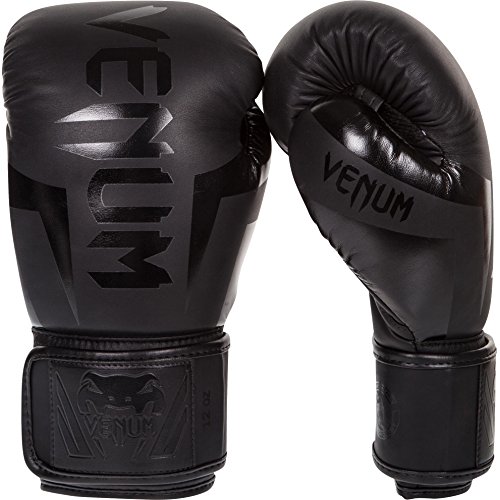
Best Beginner Boxing Gloves (2026): 3 Picks for Every Budget
Your first pair of gloves protects your hands and your training partners while you learn to throw a proper punch. The trick is getting the size and padding right: here are three pairs we'd put on a new boxer, from a gym-bag staple to a pair that lasts for years.