Best Microphone for Singing (2026): 3 Picks from USB to Studio
The right first vocal microphone depends less on brand than on two questions: how will you plug it in, and how treated is your room? A USB microphone plugs straight into your computer and is the simplest, cheapest start. An XLR microphone sounds better and lasts a lifetime but needs an audio interface to run it. And for a normal, untreated room, a dynamic microphone (which ignores room echo) is far more forgiving than a sensitive studio condenser. Here are three excellent vocal mics, from a versatile plug-and-play starter to a studio-grade classic, and the honest advice on which suits your setup.
HobbyStack may earn a commission from links on this page at no extra cost to you. Our picks are chosen on merit; the commission helps fund the research.
- Decide USB or XLR first. A USB mic plugs straight into your computer (simplest, cheapest); an XLR mic sounds better and lasts forever but needs an audio interface to run it.
- For an untreated room, choose a dynamic mic. Dynamic microphones ignore room echo and background noise, so they flatter a normal bedroom far better than a sensitive studio condenser.
- A great starter mic can do both. The Samson Q2U has USB and XLR outputs, so you can start plug-and-play now and move to an interface later without buying a new mic.
- You still need the extras. Any of these wants a stand, a pop filter, and (for the XLR mics) an interface and cable, budget for the small stuff, not just the mic.
 Samson Q2U USB/XLR Dynamic MicrophoneStarting now and upgrading later$80Check price
 Our pickShure SM58 Dynamic Vocal MicrophoneThe classic vocal mic you keep for life$109Check price
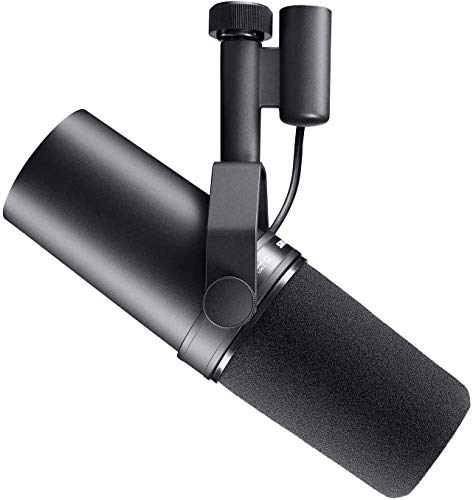 Shure SM7B Dynamic Studio MicrophoneStudio-quality vocals in an untreated room$439Check price
The first real decision is how the microphone connects, because it shapes your whole setup. A USB microphone plugs straight into your computer's USB port and works immediately, no extra gear, which makes it the simplest and cheapest way to start singing and recording. An XLR microphone uses the professional connector that every studio uses; it generally sounds better, is built to last for decades, and gives you room to upgrade, but it cannot plug into a computer on its own, it needs an audio interface (a small box, covered in our audio interface guide) to power it and convert the sound. The clever move for a beginner is a mic that offers both, like the Samson Q2U, so you can start over USB today and switch to an interface later without rebuying. The second decision is dynamic versus condenser, and it matters more than beginners realise.
Dynamic and condenser microphones capture sound differently, and for most beginners a dynamic mic is the smarter choice. A dynamic microphone (like the Shure SM58 and SM7B) is less sensitive and naturally rejects sound that is off to the side or far away, so it picks up your voice and largely ignores room echo, computer fans, and background noise, which is exactly what you want in a normal, untreated bedroom. A condenser microphone is more sensitive and detailed, capturing more nuance, but it also captures every reflection and noise in the room, so it only shines in a quiet, acoustically treated space and can sound harsh and echoey in a bare room. That is why so many vocalists and streamers use dynamic mics at home. All three picks here are dynamic for exactly this reason: they make an ordinary room sound far better than a fussy condenser would, so you can focus on singing rather than soundproofing.
 Best starter mic
Samson Q2U Dynamic Microphone
The smartest first vocal microphone, because it grows with you. The Samson Q2U is a dynamic mic with both a USB output (plug straight into your computer and sing today) and an XLR output (connect to an audio interface later for better sound), so you never have to rebuild your setup, you start plug-and-play and upgrade when you are ready. Being dynamic, it ignores room echo and background noise, which flatters an ordinary bedroom far better than a sensitive condenser at the same price. It typically comes with a small desk stand and the cables you need, so it is genuinely ready to go out of the box. It is not a premium studio mic and the included stand is basic, but for learning to sing, record, and hear yourself back, it is a huge amount of versatile, forgiving mic for very little money, and the best low-risk place to start.
What's good
- Both USB and XLR, so it grows with your setup
- Dynamic, so it ignores room echo and noise
- Plug-and-play, works straight into a computer
- Usually comes with a stand and cables
What's not
- Not a premium studio-grade sound
- Included desk stand is basic
 Best for most singers
Shure SM58 Dynamic Vocal Microphone
The vocal microphone against which all others are measured, and the one most singers should own. The Shure SM58 has been the standard live and studio vocal mic for decades, and for good reason: it makes voices sound warm and present, it is famously indestructible (it will outlast your career), and being dynamic it rejects room echo and handling noise so it sounds good almost anywhere, from a bare bedroom to a stage. This is an XLR microphone, so it needs an audio interface to run into a computer, that is the one extra to budget for, but that also means it will slot into any proper setup you build for the rest of your life. It has a tailored frequency response that flatters singing voices specifically. For learning, home recording, or live performance, the SM58 is the honest, do-everything, buy-once choice, and the reason it appears on more stages and records than almost any other mic.
What's good
- The industry-standard vocal mic, flatters singing
- Practically indestructible, a lifetime purchase
- Dynamic, so it sounds good in any room
- Works for both home recording and live performance
What's not
- XLR only, needs an audio interface to use
- Less detailed than a studio condenser in a treated room
 Best to grow into
Shure SM7B Dynamic Studio Microphone
The step up for someone serious about recorded vocals who wants a studio sound without a studio room. The Shure SM7B is a professional dynamic microphone famous for its rich, smooth, radio-quality vocal tone and its outstanding rejection of room noise, which is why it is the mic behind countless records, podcasts, and top streamers. Because it is dynamic, it gives you that polished studio sound even in an ordinary, untreated room, capturing your voice while shutting out echo and background noise better than almost anything. Two honest caveats: it needs an XLR audio interface with a strong preamp (or a small in-line booster like a Cloudlifter) because it is a quiet mic, and it is the most expensive option here. But if you are committed to singing or content creation and want a genuinely professional vocal sound you will keep for years, the SM7B is the buy-once premium choice that delivers a studio result at home.
What's good
- Rich, smooth, radio-quality vocal tone
- Excellent noise rejection for untreated rooms
- The pro choice for singers, podcasters, and streamers
- A genuine buy-once studio microphone
What's not
- Needs a strong preamp or booster (it is a quiet mic)
- The most expensive option here
This choice matters more than the brand. A dynamic microphone (all three here) is less sensitive and rejects sound from the sides and background, so it captures your voice and ignores room echo, computer fans, and street noise, ideal for a normal, untreated bedroom. A condenser microphone is more detailed but hears everything, so it only sounds good in a quiet, acoustically treated space and can be harsh and echoey in a bare room. Unless you have treated your room, a dynamic mic will make you sound better, which is why singers and streamers rely on them at home.
Which to buy: want the simplest, cheapest start with room to upgrade later? The Samson Q2U plugs in over USB now and XLR later. Want the legendary vocal mic that flatters singing and lasts a lifetime, and you have (or will get) an audio interface? The Shure SM58, the pick for most singers. Committed to studio-quality recorded vocals in an ordinary room? The Shure SM7B is the buy-once premium. Remember the XLR mics (SM58, SM7B) need an audio interface, and every mic wants a stand and a pop filter.
Before you buy
Budget for a stand and a pop filter. A stand keeps your hands free and the mic steady, and a pop filter tames the harsh bursts on 'p' and 'b' sounds, both make a big difference for a few dollars.
XLR mics need an audio interface. The SM58 and SM7B cannot plug into a computer alone, they run through an interface (see our audio interface guide), so factor that into your budget.
Sing close to a dynamic mic. Dynamic microphones are designed to be sung into up close, a few inches away, which gives a fuller, warmer sound and further rejects room noise.
Treat your room a little before buying a condenser. If you dream of a sensitive condenser mic, add soft furnishings, rugs, curtains, or foam first, otherwise it will just capture echo, which is why a dynamic is the safer beginner choice.
A better microphone helps, but how you use it and your room matter just as much. Singing close to a dynamic mic, using a pop filter, recording in the least echoey spot you have (a room with soft furnishings, or even a closet of clothes), and getting your levels right will do more for your vocal recordings than jumping to a pricier mic in a bare, hard-surfaced room. Get the fundamentals, dynamic mic, close technique, a softened space, right, and any of these microphones will sound genuinely good.
Beginner singing microphone questions
What microphone should a beginner singer buy?
USB or XLR microphone for singing?
Dynamic or condenser microphone for singing at home?
Do I need an audio interface for a singing microphone?
Why do singers use the Shure SM58 and SM7B?
What else do I need besides the microphone?
For most singers the Shure SM58 is the pick: the legendary vocal mic that flatters singing, sounds good in any room, and lasts a lifetime, just pair it with an audio interface. If you want the simplest, cheapest start with room to grow, the Samson Q2U plugs in over USB now and XLR later and forgives an untreated room. If you are serious about studio-quality recorded vocals, the Shure SM7B is the premium buy-once choice. All three are dynamic mics, the right call for a normal room, and all want a stand and pop filter to sound their best.
Ready to actually do it?
The first singing quest takes an evening, and it tells you whether the gear was worth it better than any review can.
Start SingingThe HobbyStack editorial team researches each guide against manufacturer specifications, published resources and practitioner sources. Every product is checked for availability and described against its current listing before publication, and prices are re-checked when guides are updated.
About our editorial process →More gear guides
All guides
Best Acoustic Guitar Strings for Beginners: Gauge, Coating, and Tone
Fresh strings transform how a guitar sounds and feels: and beginners often play far too long on old, dead ones. Light-gauge strings are easier on new fingers, and coated strings last longer. Here is what to put on your acoustic, how we chose, and what to expect.

Best Beginner Acoustic Guitar 2026: Yamaha FG800 vs Fender CD-60S vs Taylor GS Mini
The first acoustic guitar makes or breaks whether you stick with the instrument. Spend $80 and you'll quit in 6 months. Spend $230 and you'll be playing in 5 years. Here are the three acoustics worth buying as a beginner.

Best Beginner Electric Guitars: The Yamaha Pacifica and Its Rivals
A good beginner electric is easy to play, stays in tune, and is versatile enough for any style, and you do not need to spend much to get one. The Yamaha Pacifica is the runaway favourite. Here are three, how we chose them, and what to expect.

Best Beginner Guitar Amps: From Practice Amp to Modeling Powerhouse
An electric guitar needs an amp to make a sound, but the right beginner amp does far more than get loud. Modern modeling amps pack dozens of tones and effects into a small box. Here are three worth plugging into, how we chose them, and what to expect.
Best Guitar Cables for Beginners: Length, Quality, and Noise
A guitar cable seems like an afterthought until a cheap one fails mid-song or hums with noise. A good instrument cable is reliable, quiet, and lasts years. Here is what to buy, how we chose, and what to expect, and why you do not need to spend a fortune.

Best Guitar Capos for Beginners: Quick-Change, Clamp, and Tuning Stability
A capo clamps across the fretboard to raise your guitar’s pitch, letting you play songs in new keys using the easy open chords you already know. It is a small, cheap tool that unlocks a huge amount of music. Here are three, how we chose them, and what to expect.