Best Smart Thermostat for Beginners (2026): 3 Picks That Cut Your Heating Bill
A smart thermostat is one of the few smart-home gadgets that pays for itself, by learning your schedule and not heating an empty house, most people save enough on energy to cover the cost within a couple of years. The first thing to check is not which brand but whether your heating system is compatible (most standard systems are, but you need to check your wiring, especially the 'C' wire). After that, the choice comes down to how hands-off you want it: a simple app-controlled thermostat, or one that learns and adjusts on its own. Here are three good ones, from an affordable no-frills model to a premium learning thermostat with room sensors.
HobbyStack may earn a commission from links on this page at no extra cost to you. Our picks are chosen on merit; the commission helps fund the research.
- Check compatibility first, before you buy. Most homes work, but you need to confirm your system type and whether you have a 'C' (common) wire, which many smart thermostats need for power.
- A smart thermostat can genuinely save money. By not heating or cooling an empty house and learning your routine, most people recoup the cost in energy savings within a couple of years.
- The main choice is how automatic you want it. Basic models are app-controlled and scheduled by you; premium ones learn your habits and adjust themselves, and add room sensors for even temperatures.
- Voice control and app access come standard. All the good ones work with Alexa or Google (and the Ecobee with Apple Home), so you can adjust the temperature from your phone or by asking.
 Amazon Smart ThermostatThe cheapest way to a smart, scheduled thermostat$80Check price
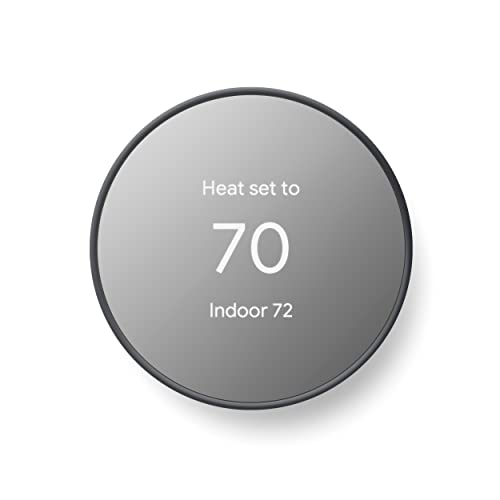 Our pickGoogle Nest ThermostatA thermostat that programs itself$85Check price
 Ecobee Smart Thermostat PremiumEven temperatures across a whole house$249Check price
Before anything else, check that a smart thermostat will work with your heating and cooling system, because this is where beginners get caught out. The vast majority of common central-heating and central-air systems are compatible, but two things matter: the type of system you have (standard 24-volt systems are fine; high-voltage electric baseboard or line-voltage systems usually are not), and whether you have a 'C' wire (a 'common' wire that supplies constant power). Many smart thermostats need that C wire to run their screen and wifi, and older homes often do not have one, though most thermostats now include a small adapter or power kit to work around it. Every manufacturer has a quick online compatibility checker where you enter the wires behind your current thermostat, so do that first. Installation itself is usually a simple, well-guided DIY job of swapping a few labelled wires, but if your system is unusual, budget for an electrician.
Once you know it will fit, the real decision is how much you want the thermostat to think for you. A basic smart thermostat, like the Amazon model, lets you control the temperature from an app and set schedules yourself, plus voice control, which is most of the practical benefit for the least money. A learning thermostat, like the Google Nest, goes further: it watches how you adjust it over the first week or two and then builds and runs its own schedule automatically, turning the heat down when you leave and warming the house before you get back, using your phone's location and its own sensors. The premium step, like the Ecobee, adds a remote room sensor (or several), which fixes the classic problem of one room being cold while the thermostat's room is warm, by averaging the temperature across the rooms you actually use. More automation and sensors cost more, but they also capture more of the energy savings, so the pricier models can pay back faster if you have an irregular schedule or a house with uneven temperatures.
 Best budget thermostat
Amazon Smart Thermostat
The cheapest sensible way to make your heating smart, and for many people all they need. The Amazon Smart Thermostat is built on Honeywell's proven thermostat technology, and it covers the essentials that deliver most of the savings: control from your phone, schedules you set, and Alexa voice control so you can adjust the temperature without getting up. It does not learn your habits automatically the way the Nest does, and it works within the Alexa ecosystem rather than everywhere, but it reliably stops you heating an empty house, which is where the money is saved. It is one of the most affordable smart thermostats available, so it is the lowest-risk way to find out whether a smart thermostat is worth it to you. Check its compatibility checker first, as with any smart thermostat, and if your system is standard, this is a lot of practical benefit for very little money.
What's good
- One of the cheapest smart thermostats available
- Built on reliable Honeywell technology
- App control, scheduling, and Alexa voice control
- Delivers most of the real energy savings
What's not
- Does not auto-learn your schedule like the Nest
- Works best within the Alexa ecosystem
 Best for most people
Google Nest Thermostat
The thermostat most people should buy, because it does the work for you. The Google Nest Thermostat watches how you adjust the temperature over your first week or two and then builds and runs its own schedule automatically, so you set it and forget it. It uses your phone's location to turn the heating down when everyone leaves and warm the house before you return, and it nudges you toward energy-saving settings, which is exactly how a smart thermostat pays for itself. It looks clean on the wall, controls from the Google Home app and by voice through Google Assistant and Alexa, and sits at a sensible mid-range price. If you want the genuine 'smart' experience, a thermostat that learns and optimises without you fiddling with schedules, this is the sweet spot, and its automation captures more savings than a basic model for a modest step up in price.
What's good
- Learns your routine and schedules itself
- Uses phone location to save energy automatically
- Clean design, app and voice control
- Sensible mid-range price for real automation
What's not
- No room sensor included (see the Ecobee)
- Fewer manual scheduling options than some rivals
 Best to grow into
Ecobee Smart Thermostat Premium
The pick for a bigger or unevenly-heated home, because it solves the problem the others cannot. The Ecobee SmartThermostat Premium comes with a remote room sensor (and supports several more), which lets it measure the temperature in the rooms you actually use, your bedroom, your office, rather than just the hallway where the thermostat hangs, and average across them so no room is left cold or roasting. It has a bright touchscreen, built-in air-quality monitoring, and it works with every major ecosystem, Alexa, Google Home, and Apple HomeKit, plus it has Alexa built in so it can act as a smart speaker. It is the most expensive option here and more than a small, evenly-heated flat needs, but for a house with rooms that never seem to match, the room sensors make a real, daily difference to comfort, and the extra precision helps it save energy too. If you want the best experience and have the home to justify it, this is the one to grow into.
What's good
- Includes a room sensor to even out temperatures
- Works with Alexa, Google, AND Apple Home
- Bright touchscreen and built-in air-quality monitor
- Best comfort in larger or uneven homes
What's not
- The most expensive option here
- Overkill for a small, evenly-heated home
This is the step beginners skip and regret. Most standard 24-volt central heating and cooling systems work with these thermostats, but high-voltage electric baseboard or line-voltage systems usually do not, and many smart thermostats need a 'C' (common) wire for constant power that older homes may lack. Before buying, use the manufacturer's online compatibility checker, you enter the wires behind your current thermostat, and it tells you if it will work and whether you need the included power adapter. It takes two minutes and saves you from buying a thermostat you cannot install.
Which to buy: want the cheapest way to control and schedule your heating from your phone and save on empty-house heating? The Amazon Smart Thermostat. Want a thermostat that learns your routine and optimises itself with no fiddling? The Google Nest is the sweet spot for most homes. Have a larger house or rooms that never match in temperature? The Ecobee's included room sensor is worth the premium. Whichever you pick, run its compatibility checker first, and remember the savings come from not heating an empty house.
Before you buy
Use the online compatibility checker before buying. Snap a photo of the wires behind your current thermostat and enter them, it confirms your system works and whether you need the C-wire adapter that is usually included.
Turn off the power at the breaker before you swap it. Installation is a simple DIY job of moving labelled wires, but kill the power to that circuit first for safety.
Set an away temperature, not 'off'. Letting the house drift to a modest away temperature (rather than switching heating off entirely) saves energy while avoiding a cold, slow-to-recover house or, in winter, frozen pipes.
Link it to your voice assistant and location. Connecting to Alexa or Google and enabling location-based 'home/away' is what unlocks the automatic savings, so set those up rather than leaving it as a dumb manual thermostat.
A smart thermostat does not heat your home more efficiently pound-for-pound, it saves money by heating it less when you do not need it. The savings come from not warming an empty house (via schedules and phone-location 'away' detection), gentle setbacks overnight, and nudges toward efficient settings. That is why the automatic, learning models can save more than a basic one for a busy or irregular household. If your schedule is very regular and you already turn the heat down when you leave, your savings will be smaller, the biggest wins go to homes that currently heat empty rooms.
Beginner smart thermostat questions
Will a smart thermostat work with my heating system?
Do smart thermostats actually save money?
What is a C-wire and do I need one?
Which smart thermostat should a beginner buy?
Can I install a smart thermostat myself?
Do smart thermostats work with Alexa and Google?
For most homes the Google Nest Thermostat is the pick: it learns your routine and optimises itself, capturing the energy savings with no fiddling, at a sensible price. If you just want the cheapest way to schedule and control your heating from your phone, the Amazon Smart Thermostat covers the essentials for less. If you have a larger or unevenly-heated house, the Ecobee SmartThermostat Premium's included room sensor evens out the temperature and it works with every ecosystem. Before buying any of them, run the compatibility checker and confirm your wiring, that is the one step that trips beginners up.
Ready to actually do it?
The first home automation quest takes an evening, and it tells you whether the gear was worth it better than any review can.
Start Home AutomationThe HobbyStack editorial team researches each guide against manufacturer specifications, published resources and practitioner sources. Every product is checked for availability and described against its current listing before publication, and prices are re-checked when guides are updated.
About our editorial process →More gear guides
All guides
Best Smart Lights for Beginners (2026): 3 Picks from a $10 Bulb to a Full Hue Setup
Smart lighting is the easiest, most satisfying way into a smart home, and the first real decision is not brand but plumbing: do you want bulbs that connect straight to your Wi-Fi, or a system that runs on its own hub? Wi-Fi bulbs are cheap and take two minutes to set up, but they get slower and flakier the more you add. A hub system like Philips Hue costs more up front for the little bridge box, but it stays rock-solid across dozens of lights and reacts instantly. Here are three good starting points, from a single cheap Wi-Fi bulb to try the idea, to a proper hub-based Hue setup you can grow for years.

Best Laser Engraver for Beginners (2026): Diode to Enclosed
A laser engraver burns designs into wood, leather, acrylic, and slate, and cuts thin materials, all from a design on your computer. For a beginner the two things that matter are power (how thick you can cut) and whether the machine is open-frame or enclosed (safety and mess). Here are three good ones, from an affordable 10W diode to a fully enclosed xTool you can run on the kitchen table.
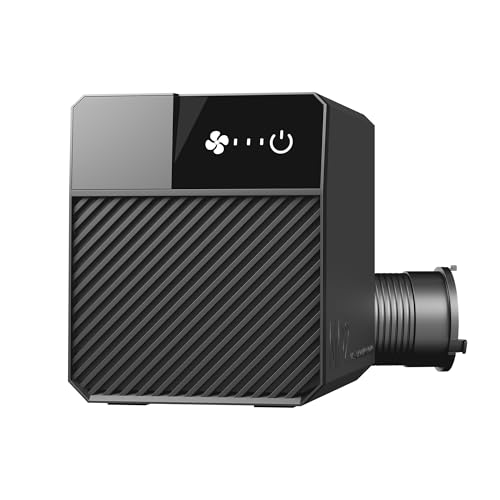
Best Laser Fume Extraction (2026): Ducting Outside Beats Filtering
Cutting anything with a laser vaporises it, and that vapour has to go somewhere. The honest hierarchy is simple and slightly awkward for a buying guide: sending fumes outside through a duct is better than filtering them, and it is also the cheapest option here. Filters are the answer when you have no window, not the upgrade.

Best Beginner 3D Printer 2026: Bambu A1 vs Ender 3 V3 SE vs P1S Combo
The 3D printer market changed completely in 2024–2025, auto-calibration is now table stakes and the "buy a kit and learn to fix it" era is over. Here's how to pick a first printer that just works, plus the budget pick that actually deserves your money and the premium pick that beats the K1 Max on reliability.
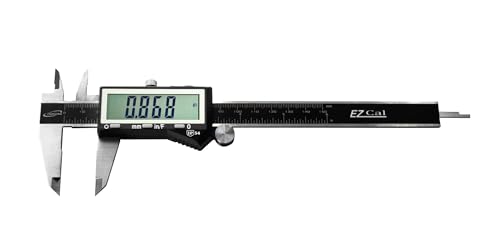
Best Digital Caliper for 3D Printing 2026: iGaging vs Neiko vs Mitutoyo
A digital caliper is the measuring tool that turns 3D printing from guesswork into precision: filament diameter, print dimensions, and the tolerances that make parts fit. The good news: every caliper worth buying resolves finely enough for printing, so the real choice isn't accuracy. It's whether the caliper remembers its zero, survives a dusty workshop, and repeats reliably for years. Here's how the picks stack up.

Best Flush Cutters for 3D Printing (2026): The First Tool You Need
Flush cutters are the tool you reach for after every single print — trimming supports, snipping a stringy blob, cutting filament to a clean point before loading. They are also the tool most often destroyed within a month, because they look like small pliers and people use them to cut wire. One snip through steel puts a permanent notch in the blade, and after that they crush plastic instead of slicing it.