Best Beginner Kayak (2026): 3 Stable Sit-On-Tops to Start Paddling
For a first kayak, the easy answer is a sit-on-top: you sit on top of it rather than inside, so it feels stable, it will not fill with water, and if you do tip over you can just climb back on. What matters most for a beginner is stability, weight (can you carry it and get it on your car), and a comfortable seat. Here are three good ones, from a paddle-included starter to a supremely comfy do-it-all boat.
HobbyStack may earn a commission from links on this page at no extra cost to you. Our picks are chosen on merit; the commission helps fund the research.
- For a first kayak, get a sit-on-top: it is stable, self-draining, and easy to climb back onto if you tip, which is exactly what a beginner wants.
- Weight matters more than you think. You have to carry the kayak and lift it onto a car, so a lighter boat gets used more often.
- A kayak is not the whole cost. You also need a paddle and a PFD (life jacket), and some kayaks include the paddle.
- Real hard-shell kayaks start around 450 dollars. Much cheaper listings are usually seat cushions, kids boats, or flimsy inflatables.
 Lifetime Tahoma 100 Sit-On-Top KayakThe most affordable real starter kayak$460Check price
 Our pickPelican Sentinel 100X Sit-On-Top KayakThe light, comfy boat most should buy$609Check price
 Perception Pescador Pro 10.0 Sit-On-Top KayakComfort and stability to grow into$899Check price
The first choice is sit-on-top versus sit-inside, and for a beginner it is not close. A sit-on-top kayak is an open, molded boat you sit on top of, with scupper holes that drain water straight through, so it cannot swamp and fill up, and if you fall off you can climb back on in deep water. That forgiving, stable feel is why rental fleets and beginners lean on them. A sit-inside kayak, where your legs go under a deck, is drier and a little faster but far harder to recover if you flip, which is not what you want while you are still learning. All three picks here are stable recreational sit-on-tops in the 9 to 11 foot range, the sweet spot that tracks reasonably straight while still being easy to turn and car-top.
After that, choose on weight, seat, and budget. Weight is the quiet dealbreaker: a boat that is a pain to carry to the water and heave onto your roof is a boat you leave at home, so if you paddle alone or have a tall car, favor the lighter option. The seat is the comfort difference between an hour of fun and a sore back, and the nicer boats use raised, padded, adjustable seats. Length adds glide and straight-line tracking as you go longer; a slightly longer boat is faster over distance but heavier. Do not chase a bargain below about 450 dollars, because at that price the search results are mostly accessories and pool toys rather than a real kayak you can trust on open water.
 Best budget kayak
Lifetime Tahoma 100 Sit-On-Top Kayak
The most affordable way into a real, trustworthy kayak. The Lifetime Tahoma 100 is a 10-foot sit-on-top built from one piece of rugged UV-protected polyethylene, with multiple molded footwell positions for different heights, front and rear shock-cord storage, and even a couple of flush rod holders if you want to fish. Best of all it comes with a paddle, so it is close to ready to go out of the box. At around 52 pounds it is not the lightest boat here and the basic backrest is comfortable rather than plush, but for a genuinely stable, durable first kayak that does not cost a fortune, it is hard to beat.
What's good
- Comes with a paddle, so it is nearly ready to go
- Very stable and forgiving for total beginners
- Tough one-piece polyethylene hull, UV protected
- Molded footwells and rod holders add versatility
What's not
- At ~52 lb it is a bit heavy to solo car-top
- Basic backrest is fine, not a plush seat
 Best for most beginners
Pelican Sentinel 100X Sit-On-Top Kayak
The kayak most beginners should buy, mostly because you will actually use it. The Pelican Sentinel 100X is a 9.5-foot sit-on-top that weighs only about 44 pounds thanks to Pelican's lightweight twin-sheet construction, which makes carrying it to the water and lifting it onto a car genuinely manageable for one person. It adds a padded, adjustable ERGOFORM backrest that is far comfier than a basic starter seat, a sealed storage hatch to keep your phone and keys dry, and molded footrests for different leg lengths. The lighter build is a little less rugged than a thick rotomolded hull, and the shorter length means it is not the fastest boat over distance, but as an easy-to-love, easy-to-handle first kayak, it hits the sweet spot.
What's good
- Very light (~44 lb), easy to carry and car-top solo
- Comfortable padded, adjustable ERGOFORM backrest
- Sealed hatch keeps phone and keys dry
- Stable and beginner-friendly on calm water
What's not
- Twin-sheet hull is less rugged than thick rotomolded plastic
- Shorter length tracks and glides less than a longer boat
 Best to grow into
Perception Pescador Pro 10.0 Sit-On-Top Kayak
The kayak for someone who wants comfort and stability they will not outgrow. The Perception Pescador Pro 10.0 is a 10.5-foot sit-on-top whose standout feature is a removable, elevated lawn-chair seat that lifts you off the deck and is genuinely comfortable for a long day, plus raised and lowered positions to fine-tune it. It is exceptionally stable, has a high weight capacity, molded accessory tracks for a fish finder or phone mount, and roomy front and rear storage. Officially it is a fishing kayak, but that just means more stability, comfort, and storage than a plain rec boat, which beginners appreciate too. The trade-offs are the price and the weight (around 57 pounds), but this is a boat you buy once and keep.
What's good
- Superb removable, elevated lawn-chair seat
- Extremely stable, high weight capacity
- Molded tracks for a fish finder or phone mount
- Roomy storage front and rear, buy-once quality
What's not
- Heaviest here at ~57 lb
- Priciest of the three
A kayak does not come with a life jacket, and you should never skip one, no matter how good a swimmer you are: a proper PFD (personal flotation device) that fits snug is the single most important thing you buy alongside the boat. Learn on calm, flat, protected water first (a small lake or slow river), practice climbing back on in deep water before you need to, and check the weather and wind, which push a light kayak around fast. Cold water is dangerous even on a warm day, so dress for the water temperature, not the air.
Which to buy: want a real kayak with a paddle included for the least? The Lifetime Tahoma 100. Want the light, comfy boat that is easy to carry and car-top, which is most people? The Pelican Sentinel 100X. Want the most comfortable, stable boat with a proper elevated seat to grow into? The Perception Pescador Pro.
Before you buy
Buy a PFD (life jacket) at the same time and always wear it. It is not optional.
Factor in weight and how you will transport it. Measure your car roof and think about carrying it alone.
Practice climbing back onto the kayak in deep water before you rely on it. Sit-on-tops make this easy.
Start on calm, flat water and check the wind, which pushes a light kayak around more than you expect.
Beginner kayak questions
Sit-on-top or sit-inside for a beginner?
What else do I need besides the kayak?
How much should I spend on a first kayak?
How heavy is too heavy?
Are these stable enough that I will not tip?
Which kayak should a beginner buy?
For most beginners the Pelican Sentinel 100X is the pick: at around 44 pounds it is light enough to carry and load alone, and its padded seat and dry hatch make it easy to love. Want a real kayak with a paddle included for the least? The Lifetime Tahoma 100. Want the comfiest, most stable boat with an elevated lawn-chair seat to grow into? The Perception Pescador Pro. Whatever you choose, buy a PFD at the same time, wear it every time, and learn on calm water.
Ready to actually do it?
The first kayaking quest takes an evening, and it tells you whether the gear was worth it better than any review can.
Start KayakingThe HobbyStack editorial team researches each guide against manufacturer specifications, published resources and practitioner sources. Every product is checked for availability and described against its current listing before publication, and prices are re-checked when guides are updated.
About our editorial process →More gear guides
All guides
Best Kayak PFD (Life Jacket) for Beginners (2026): 3 Real Picks
A PFD, or personal flotation device, is the one piece of kayaking gear you never skip, and for paddling you want a specific kind: a US Coast Guard-approved Type III paddling vest cut short and high so it doesn't jam against your kayak's seat back or trap your arms. Any approved vest keeps you afloat; what more money buys is ventilation, better arm freedom, and pockets. The most important thing is simply that you wear it, every time, so it has to be comfortable enough that you actually do. Here are three good ones across the range, plus what actually matters when you choose.

Best Beginner Ski Boots (2026): 3 Comfortable, Forgiving Picks
Ski boots matter more than skis for a beginner, and the thing that matters most is fit, not the brand or the flex number. You want a soft, forgiving flex and a boot that is snug but not painful, because a boot that fits badly ruins the whole day. Here are three good beginner boots, from a soft and roomy starter to a moldable boot you can grow into, plus how to get the size right.

Best Ski Gloves (2026): Waterproof, Warm, and Still Able to Buckle a Boot
Cold hands end a ski day earlier than tired legs do, and the usual response is to buy the thickest glove available. That is the wrong lever. Warmth comes from dry insulation and a cuff that seals, and a glove so bulky you cannot buckle a boot or hold a pole properly ends up coming off, which is when hands actually get cold.
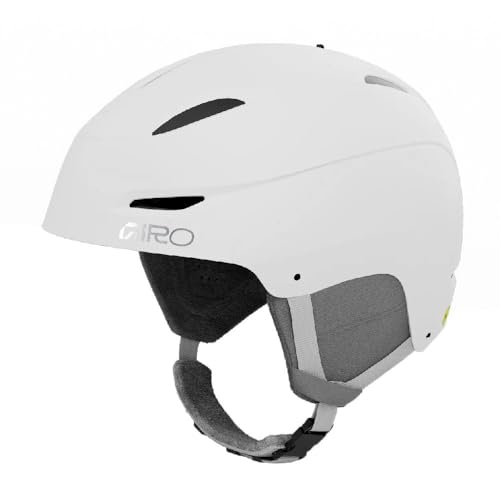
Best Ski Helmet for Beginners (2026): Fit, MIPS and When to Replace It
A ski helmet is the one piece of kit where the cheap option and the expensive option protect you to the same certified standard. What the money buys is fit, comfort, ventilation and rotational-impact technology — and of those, fit is the one that actually changes how well it works. A helmet that moves on your head is doing a fraction of its job.

Best Inflatable Paddle Board for Beginners (2026): 3 Picks That Come With Everything
For a beginner, an inflatable paddle board (an iSUP) is almost always the right call over a hard board: it is more stable, more forgiving if you bang it, and it packs down into a backpack you can keep in a closet or a car boot. The good news is that most beginner iSUPs come as a complete package, board, pump, paddle, leash, and carry bag, so one purchase gets you on the water. What separates them is build quality and how wide and stable the board is. Here are three that come with everything you need, from an affordable all-rounder to a premium board built to last for years.

Best PFD for Paddle Boarding (2026): The Belt Pack Only Works If You Are Awake
A paddle board counts as a vessel once you leave a surfing or swimming area, which means a Coast Guard approved flotation device has to be with you. The real decision is not whether to carry one, it is whether you choose something that floats you automatically or something you have to activate yourself.