Best Beginner Ski Boots (2026): 3 Comfortable, Forgiving Picks
Ski boots matter more than skis for a beginner, and the thing that matters most is fit, not the brand or the flex number. You want a soft, forgiving flex and a boot that is snug but not painful, because a boot that fits badly ruins the whole day. Here are three good beginner boots, from a soft and roomy starter to a moldable boot you can grow into, plus how to get the size right.
HobbyStack may earn a commission from links on this page at no extra cost to you. Our picks are chosen on merit; the commission helps fund the research.
- Fit matters far more than brand or flex number. A boot that fits badly will ruin your day no matter how good it is.
- Beginners want a soft flex, roughly 60 to 90. Softer boots are easier to bend and more forgiving as you learn.
- Get boots heat-molded and fitted at a shop when you can. Many liners and shells can be custom-molded to your foot.
- Ski boots use mondopoint sizing (the length of your foot in cm), and each size is sold as its own listing, so pick your size on the page.
 Rossignol Evo 70 Ski BootsSoft, roomy comfort for a first boot$250Check price
 Our pickNordica Sportmachine 3 80 Ski BootsA moldable boot most should buy$294Check price
 Atomic Hawx Prime 100 Ski BootsA precise boot to grow into$420Check price
Here is the thing new skiers get backwards: they obsess over skis and treat boots as an afterthought, when boots are what actually connect you to the snow and make or break the day. Two numbers describe a boot. Flex is its stiffness, from soft (around 60) to race-stiff (130 and up), and beginners want soft, roughly 60 to 90, because a softer boot bends more easily, is more forgiving of mistakes, and is far more comfortable while your muscles are still learning. Last is the width of the boot at the widest part of your foot, in millimeters: 100mm is a medium fit, 102 to 104mm is wide and roomy, and narrower lasts (around 98mm) suit slim feet. If a boot is too wide your foot swims and you lose control; too narrow and it hurts. Match the flex to soft and the last to your foot shape, and you have done the important part.
The rest is fit, and fit is worth taking seriously. Ski boots use mondopoint sizing, which is simply the length of your foot in centimeters, so measure your foot rather than guessing from your shoe size. A ski boot should feel snug all over with your toes just brushing the end when you stand upright, then pulling back off the front when you bend your knees into a skiing stance; that firm feel is correct, and beginners almost always buy too big because a properly fitted boot feels tighter than a sneaker. Better boots have heat-moldable liners and even shells that a shop can bake to the exact shape of your foot, which is genuinely worth doing. And there is no shame in renting for your first few days to learn what fits before you buy.
 Best budget boot
Rossignol Evo 70 Ski Boots
The comfortable, forgiving way to get your own boots. The Rossignol Evo 70 is built for exactly this moment: a soft 70 flex that bends easily and forgives beginner mistakes, a wide and roomy 104mm last that suits most feet and average-to-wider shapes, and an easy step-in instep that makes getting in and out far less of a fight than stiffer boots. The comfortable T4 liner keeps your feet warm on learning days. The trade-off is that the soft flex and roomy fit that make it so friendly now are also what you may outgrow as you get stronger and want more control, and the liner is comfort-first rather than a moldable performance liner. For a first boot to learn in, though, it is a great, affordable choice.
What's good
- Soft 70 flex is easy to bend and forgiving
- Wide, roomy 104mm last fits most feet
- Easy step-in makes getting in and out simple
- Comfortable and affordable for a first boot
What's not
- Soft flex and roomy fit you may outgrow as you improve
- Comfort liner is not heat-moldable like pricier boots
 Best for most beginners
Nordica Sportmachine 3 80 Ski Boots
The boot most beginners should buy, because it grows with you and can be fitted to your foot. The Nordica Sportmachine 3 80 keeps a beginner-friendly soft-medium 80 flex but adds real fitting features: a 3D Cork Fit liner and shell that a shop can heat-mold to the exact shape of your foot, which fixes the pressure points that plague off-the-shelf boots, plus an adjustable cuff for different calf shapes. The medium-wide 102mm last suits average feet well. It costs more than a basic starter boot and you should have it molded at a shop to get the full benefit, but that custom fit is exactly what makes ski days comfortable, and the slightly firmer flex gives you room to progress rather than something you outgrow in a season.
What's good
- Heat-moldable shell and liner for a custom fit
- Soft-medium 80 flex grows with your skiing
- Comfortable medium-wide 102mm last
- Adjustable cuff for different calf shapes
What's not
- Pricier than a basic starter boot
- Needs a shop heat-mold to get the best fit
 Best to grow into
Atomic Hawx Prime 100 Ski Boots
The boot for someone who wants precision and room to progress well past their first season. The Atomic Hawx Prime 100 has a medium 100 flex that is a touch firmer than a pure beginner boot, giving you more control and power as your skiing improves, and its Memory Fit shell, cuff, and liner can all be fully heat-molded, so a shop can shape the entire boot to your foot for a genuinely custom fit. The precise 100mm last and light Prolite construction make it responsive without being punishing. It is more boot than a first-timer strictly needs, and the 100 flex is firmer than the softest starter boots, but if you expect to ski a lot and want a boot you will not outgrow, this is the one to grow into.
What's good
- Fully moldable shell, cuff, and liner for a custom fit
- Precise 100mm last and light, responsive build
- Medium 100 flex gives control as you progress
- A boot you grow into rather than out of
What's not
- 100 flex is firmer than a pure beginner needs
- Premium price for a first boot
A ski boot lives or dies on fit. Measure your foot length in centimeters (that is your mondopoint size) rather than guessing from your shoe size, and remember each size is sold as a separate listing, so choose your size on the product page. A boot should feel snug all over with your toes just touching the end when you stand and pulling back when you bend into a ski stance; that firm feel is right, and buying too big is the most common beginner mistake. When you can, have a shop heat-mold the liner (and shell, on the moldable boots here) and check the fit, because a custom fit is what makes a full day on the mountain comfortable.
Which to buy: want a soft, roomy, affordable boot to learn in? The Rossignol Evo 70. Want a moldable boot that fits your foot and grows with you, which is most people? The Nordica Sportmachine 3 80. Want a precise, fully moldable boot to grow well into? The Atomic Hawx Prime 100.
Before you buy
Measure your foot length in cm for mondopoint sizing, and pick your exact size on the product page.
Aim for snug, not roomy. Toes should just brush the end standing, then pull back when you bend your knees.
Have a shop heat-mold the liner (and shell where possible) for a genuinely custom fit.
Renting for your first few days is a smart way to learn what fits before you buy.
Beginner ski boot questions
Why do boots matter more than skis for a beginner?
What flex should a beginner get?
How should ski boots fit?
What does heat-molding do?
Can I just use rentals instead of buying?
Which ski boots should a beginner buy?
For most beginners the Nordica Sportmachine 3 80 is the pick: a forgiving soft-medium flex plus a heat-moldable shell and liner, so it can be fitted to your foot and grows with your skiing. Want the softest, roomiest, most affordable boot to learn in? The Rossignol Evo 70. Want a precise, fully moldable boot to grow well into? The Atomic Hawx Prime 100. Whatever you choose, get the size right, aim for snug not roomy, and heat-mold it if you can.
Ready to actually do it?
The first skiing quest takes an evening, and it tells you whether the gear was worth it better than any review can.
Start SkiingThe HobbyStack editorial team researches each guide against manufacturer specifications, published resources and practitioner sources. Every product is checked for availability and described against its current listing before publication, and prices are re-checked when guides are updated.
About our editorial process →More gear guides
All guides
Best Ski Gloves (2026): Waterproof, Warm, and Still Able to Buckle a Boot
Cold hands end a ski day earlier than tired legs do, and the usual response is to buy the thickest glove available. That is the wrong lever. Warmth comes from dry insulation and a cuff that seals, and a glove so bulky you cannot buckle a boot or hold a pole properly ends up coming off, which is when hands actually get cold.
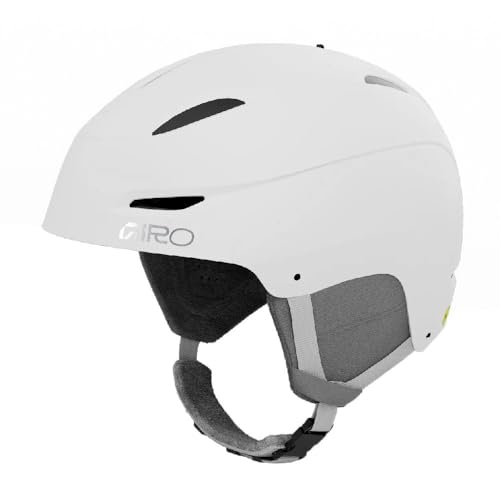
Best Ski Helmet for Beginners (2026): Fit, MIPS and When to Replace It
A ski helmet is the one piece of kit where the cheap option and the expensive option protect you to the same certified standard. What the money buys is fit, comfort, ventilation and rotational-impact technology — and of those, fit is the one that actually changes how well it works. A helmet that moves on your head is doing a fraction of its job.

Best Snowboard Goggles for Beginners (2026): 3 Real Picks
Goggles are not optional on a snowboard: wind, glare, cold, and blowing snow make riding without them miserable and unsafe, and unlike sunglasses they seal to your face and stay put. The good news is you do not need to spend much. Any decent pair blocks UV and wind; what more money buys is better anti-fog, optics that read terrain in flat light, and quick lens swaps for changing conditions. Here are three good ones, plus the one spec that actually matters.

Best Snowboard Helmet for Beginners (2026): 3 Real Picks
A helmet is the one piece of snowboard gear you should never skip and never buy used, and the good news is a solid one is cheap. Any certified snow helmet protects your head in a standard impact; what more money buys is MIPS rotational protection, better fit, venting, and warmth. Most beginners are well served by an inexpensive certified helmet. Here are three good ones across the range, plus what actually matters when you choose.

Best Beginner Kayak (2026): 3 Stable Sit-On-Tops to Start Paddling
For a first kayak, the easy answer is a sit-on-top: you sit on top of it rather than inside, so it feels stable, it will not fill with water, and if you do tip over you can just climb back on. What matters most for a beginner is stability, weight (can you carry it and get it on your car), and a comfortable seat. Here are three good ones, from a paddle-included starter to a supremely comfy do-it-all boat.

Best Kayak PFD (Life Jacket) for Beginners (2026): 3 Real Picks
A PFD, or personal flotation device, is the one piece of kayaking gear you never skip, and for paddling you want a specific kind: a US Coast Guard-approved Type III paddling vest cut short and high so it doesn't jam against your kayak's seat back or trap your arms. Any approved vest keeps you afloat; what more money buys is ventilation, better arm freedom, and pockets. The most important thing is simply that you wear it, every time, so it has to be comfortable enough that you actually do. Here are three good ones across the range, plus what actually matters when you choose.