Best Workbench for Beginners (2026): From Folding Table to Real Bench
A workbench is the heart of a woodworking shop: a solid, heavy surface you can clamp work to and push against without it moving. For a beginner the honest truth is there is a big gap between a cheap folding work table and a real hardwood joinery bench, and Amazon has surprisingly few of the latter. Here are three genuine options, from a portable folding table to a professional bench you grow into, plus a note on building your own.
HobbyStack may earn a commission from links on this page at no extra cost to you. Our picks are chosen on merit; the commission helps fund the research.
- A real workbench is heavy and solid so it does not move while you saw, plane, or chisel. Weight and stability are the point.
- A bench needs a way to hold your work: a vise, dog holes, or both. A flat surface alone is only half a bench.
- There is a big jump from a folding work table to a solid hardwood joinery bench, and Amazon carries few true benches.
- Many woodworkers build their own bench as an early project. It is cheaper and a great way to learn.
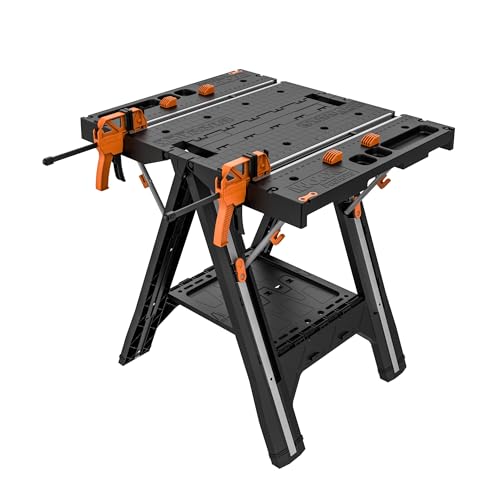 WORX Pegasus WX051 Folding Work TableA portable first surface for tight spaces$160Check price
 Our pickSjobergs Nordic Plus 1450 WorkbenchA real first woodworking bench$599Check price
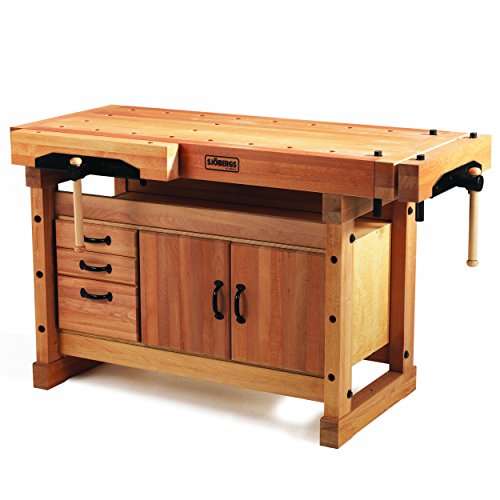 Sjobergs Elite 1500 Workbench + Cabinet ComboA professional bench to grow into$3400Check price
The job of a workbench is simple but essential: hold your wood still and give you a heavy, flat surface to work on. That means the two things that actually matter are mass and workholding. Mass is why a good bench is heavy; when you saw, plane, or chisel, you are pushing hard against the wood, and a light bench skitters around while a heavy one stays put and lets you put real force into the work. Workholding is how you clamp the piece down: a vise (a screw-driven clamp built into the bench) and a row of dog holes (holes that take pegs to brace a board against) are what turn a flat top into a tool. A surface with no way to grip your work is only half a bench, which is the main thing separating a real woodworking bench from a folding table.
For a beginner that creates an honest choice. A folding work table is cheap, portable, and great when space is tight or you mostly need a surface and a couple of clamps, but it is not a solid joinery bench and it will flex under heavy hand-tool work. A real hardwood bench with vises costs a lot more and takes up permanent space, but it is what you want the moment you start cutting joinery by hand. And there is a genuine third path many woodworkers take: building your own bench from construction lumber as one of their first projects, which is cheaper, teaches you a ton, and gives you exactly the bench you want. Pick based on your space, budget, and how serious you already are.
 Best budget option
WORX Pegasus WX051 Folding Work Table
The practical, affordable way to get a work surface when space or budget is tight. The WORX Pegasus folds flat to store against a wall and sets up in seconds, working as a stable table (about 300 pounds capacity) or splitting into a pair of sawhorses (about 1000 pounds) for cutting sheet goods. It comes with quick-release clamps and clamp dogs, so you can actually hold work down, which many cheap tables cannot. Be clear-eyed about what it is, though: it is a portable work table, not a solid hardwood joinery bench, so it flexes under heavy planing or chiseling and is not meant for serious hand-tool work. For a first setup, a small shop, or a surface you can pack away, it is genuinely useful and hard to beat for the price.
What's good
- Folds flat, ideal for small or shared spaces
- Doubles as a table and a pair of sawhorses
- Includes quick clamps and clamp dogs
- Inexpensive and quick to set up
What's not
- Not a solid joinery bench, it flexes under heavy hand-tool work
- Metal-and-plastic build, not a hardwood top
 Best for most beginners
Sjobergs Nordic Plus 1450 Workbench
The first real woodworking bench most people should buy. The Sjobergs Nordic Plus 1450 is a solid Scandinavian birch bench, the kind of heavy, flat, stable surface that stays put while you work, and crucially it comes with two vises and a row of round dog holes so you can clamp a board flat, on edge, or on end for planing, sawing, and joinery. Sjobergs is the brand most beginners land on for a genuine bench, because the build quality is high and the size suits a home shop without dominating it. It costs far more than a folding table and it is heavy to move and needs permanent space, but this is the bench that makes hand-tool woodworking actually work, and it will last for decades.
What's good
- Solid birch top, a genuine heavy joinery bench
- Two vises plus dog holes for real workholding
- Quality Scandinavian build that lasts decades
- Sized to fit a home shop
What's not
- Much pricier than a folding table
- Heavy and needs permanent space and assembly
 Best to grow into
Sjobergs Elite 1500 Workbench + Cabinet Combo
The bench for someone who already knows they are serious and wants to buy once. The Sjobergs Elite 1500 combo pairs a professional-grade, thick solid-birch top with vises that mount in multiple positions and a full complement of dog holes, and it adds a matching storage cabinet underneath for tools. It is exceptionally heavy and rock-solid, the kind of bench that does not budge no matter how hard you plane or chop, and it is built to a cabinetmaker's standard that will outlast you. It is unquestionably more bench than a beginner needs, and the price and size are serious commitments, but if you are certain woodworking is a long-term craft for you, this is a forever bench with storage built in.
What's good
- Thick professional-grade solid birch top
- Versatile vise positions and full dog holes
- Extremely heavy and stable, does not move
- Includes a matching storage cabinet
What's not
- Very expensive, a serious commitment
- Large and heavy, overkill for a beginner
Do not overlook the option of building your own workbench, which is a rite of passage in woodworking for good reason. A sturdy bench made from construction lumber costs a fraction of a hardwood bench, teaches you real skills (cutting, joining, flattening a top), and gives you exactly the size and workholding you want. There are many free and paid plans for simple, heavy benches a beginner can build in a weekend with basic tools. If you enjoy the process and want to save money, a shop-built bench is often the smartest first bench of all.
Which to buy: want a portable, affordable surface for a small space? The WORX Pegasus. Want a genuine solid-birch bench with vises and dog holes, which is most people getting serious? The Sjobergs Nordic Plus 1450. Want a professional forever bench with storage to grow into? The Sjobergs Elite 1500 combo. Or build your own to save money and learn.
Before you buy
Make sure whatever you buy can hold your work: look for a vise, dog holes, or both.
Prioritize weight and stability. A bench that moves while you work fights you the whole time.
Measure your space first, including room to walk around the bench and swing a board.
Consider building a simple lumber bench as a first project. It is cheaper and teaches a lot.
Beginner workbench questions
What makes a real workbench different from a table?
Do I need vises and dog holes?
Should I just build my own bench?
Is the folding table enough to start?
Why are there so few real benches on Amazon?
Which workbench should a beginner buy?
For most people getting serious the Sjobergs Nordic Plus 1450 is the pick: a genuine solid-birch bench with two vises and dog holes that gives you the mass and workholding real woodworking needs. Tight on space or budget? The WORX Pegasus folding table is a practical portable start. Certain this is a long-term craft? The Sjobergs Elite 1500 combo is a professional forever bench with storage. And do not forget you can build your own bench to save money and learn.
Ready to actually do it?
The first woodworking quest takes an evening, and it tells you whether the gear was worth it better than any review can.
Start WoodworkingThe HobbyStack editorial team researches each guide against manufacturer specifications, published resources and practitioner sources. Every product is checked for availability and described against its current listing before publication, and prices are re-checked when guides are updated.
About our editorial process →More gear guides
All guides
Best Cordless Drill for Woodworking 2026: Ryobi vs DeWalt vs Milwaukee
A cordless drill is the first power tool most woodworkers buy: it drives screws, bores pilot holes for joinery, and assembles your projects. The trick is choosing the right one for a wood shop without overbuying. Here are three picks, and the battery-ecosystem decision that matters more than the drill itself.
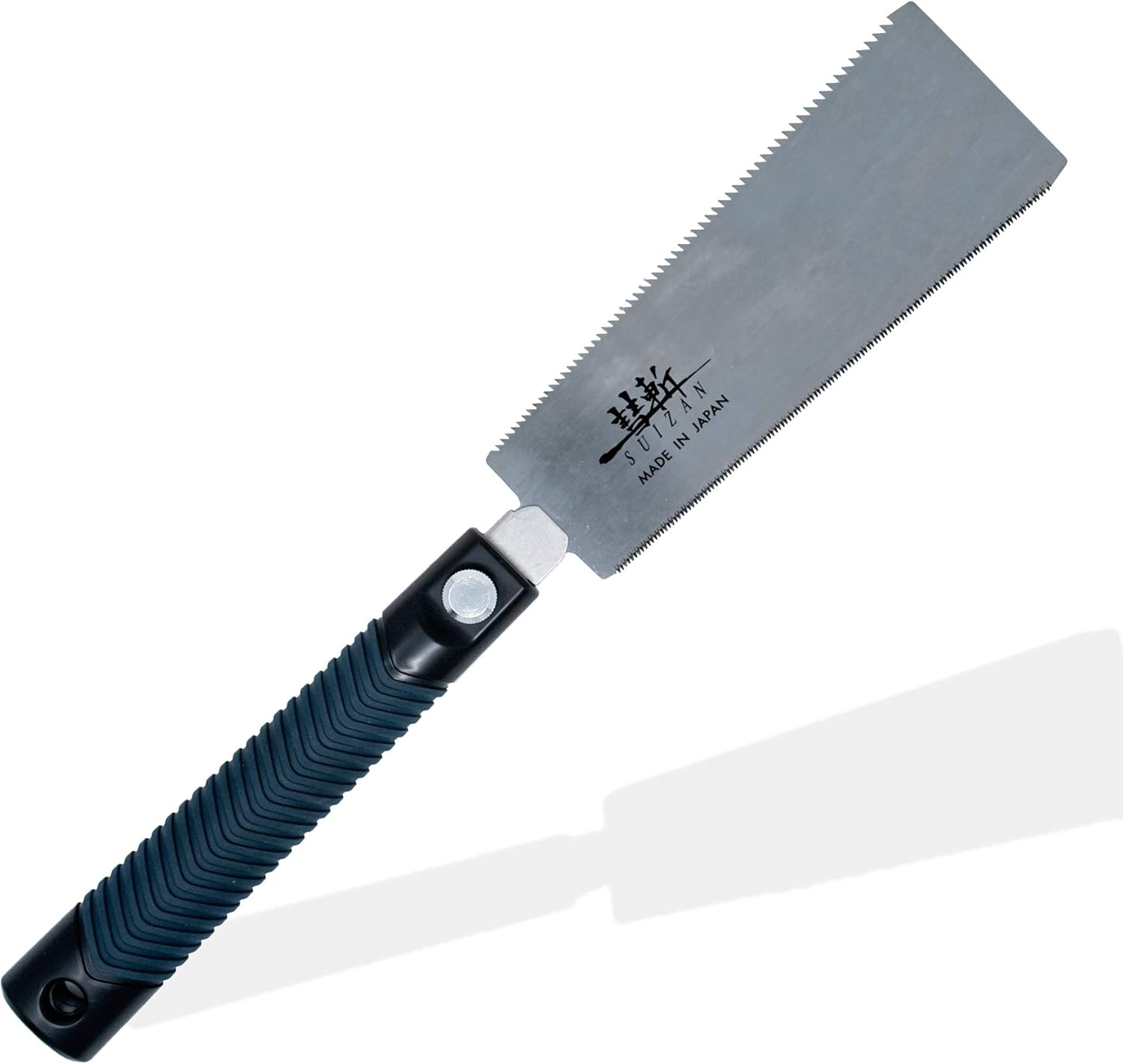
Best Hand Saw for Woodworking 2026: Japanese Pull Saw vs Western
A good hand saw is the most-used tool in beginner woodworking, and the first decision is the stroke: Japanese pull saws cut on the pull (thin kerf, easy control) while Western saws cut on the push (faster through rough stock). Here are three picks and which stroke fits the work you'll actually do.

Best Miter Saw for Woodworking 2026: Metabo vs DeWalt DWS779 vs Festool Kapex
A miter saw makes the fast, accurate, repeatable crosscuts that turn rough boards into furniture parts, the second power tool most woodworkers buy after the drill. Here are three picks, from an honest sub-$160 starter to the finish-carpenter's dream, plus how much saw your woodworking actually needs.

Best Beginner Woodworking Chisels 2026: REXBETI vs Irwin Marples vs Narex
A set of bench chisels is one of the first hand tools every woodworker needs: they pare joints, clean up saw cuts, and do the detail work a saw can't. Here are three beginner picks you can buy on Amazon, from a cheap set that includes its own sharpening stone to a buy-it-once Czech set, plus the four sizes you actually need.

Best Circular Saw for Beginners 2026: SKIL vs DeWalt 20V vs Makita
A circular saw is the workhorse of a beginner's shop, it breaks down plywood and makes the rough cuts a miter saw is overkill for. The first decision is the cord: corded gives you consistent power at the lowest price, cordless gives you go-anywhere freedom for more money. Here are three picks, and the blunt truth that a cheap saw plus a good blade beats an expensive one used carelessly.

Best Squares for Woodworking (2026): Speed Square or Combination Square
A speed square and a combination square are not two grades of the same tool. One is a fast triangle for framing cuts and rafter angles, the other is an adjustable square for laying out joints, checking depth and marking parallel lines. Most people buy the wrong one first because the cheap one looks like the beginner version, and it is not.