Best Ping Pong Table for Beginners (2026): From Conversion Top to Tournament
A ping pong table is a big purchase, and the first real question is not which brand but how much table you actually need and have room for. If you already have a dining or pool table, a conversion top gets you playing for a little over a hundred dollars. If you want a proper folding table you can roll away, that is the sweet spot most people should buy. And if you want tournament-grade bounce, a thicker top is the upgrade. All three picks here are from JOOLA, an Olympic table tennis brand, and they climb from topper to tournament.
HobbyStack may earn a commission from links on this page at no extra cost to you. Our picks are chosen on merit; the commission helps fund the research.
- Decide how much table you need first. A conversion top turns a table you already own into a ping pong table for the least money and space; a full folding table is the real thing you can roll away and store.
- Table thickness is the main quality number. Thicker tops, measured in millimeters, give a truer, more consistent bounce. 15mm is fine for home fun, 19mm is better, and 25mm is tournament grade.
- Measure your room. A full table is about 9 by 5 feet, and you need space to move on all sides, so plan for roughly 19 by 11 feet to play comfortably.
- Buy a known brand. Tables from established makers like JOOLA and STIGA fold, roll, and level properly and last; the cheapest no-name tables often warp and wobble.
 JOOLA Tetra Ping Pong Conversion TopPlaying on a table you already own$120Check price
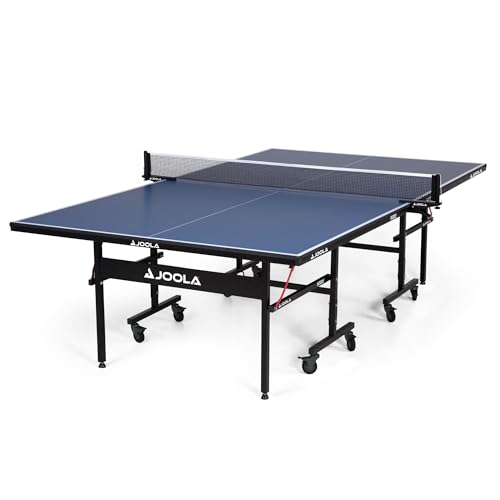 Our pickJOOLA Inside 15mm Folding Ping Pong TableThe real folding table most should buy$430Check price
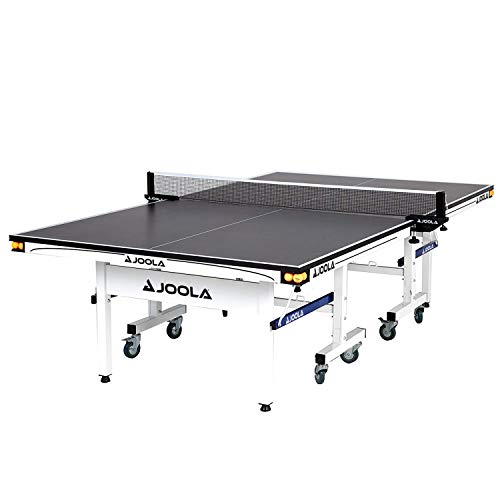 JOOLA Rally TL 25mm Tournament Ping Pong TableTournament-grade bounce to grow into$650Check price
The first decision is whether you need a whole table or just a top. A conversion top is a folding surface you lay over a dining table or pool table to turn it into a regulation ping pong table, then store away afterward; it is by far the cheapest way to start and the answer if you are short on space or already have a sturdy table to put it on. A full table is a standalone, folding, wheeled table that is the real deal: you unfold it, roll it where you want, and fold it flat to store, and each half folds up on its own so one person can practice against it. The other number that matters is the thickness of the playing surface, given in millimeters. Thicker tops flex less and give a truer, livelier, more consistent bounce, which is why tournament tables are 25mm. For casual home play 15mm is perfectly good, 19mm is a nice step up, and 25mm is what you buy if you want the ball to behave exactly as it should.
After that, match the table to your space, budget, and how seriously you play. If you have a pool or dining table and want to spend the least, the conversion top is the obvious call. If you want a proper table you can wheel out and fold away, the middle pick is the sweet spot most families and beginners should buy: a real folding table with a good bounce at a sensible price. Step up to the thicker tournament top if you are getting serious, have the budget, and want the truest bounce for practicing real technique. Whatever you choose, measure your room first, and remember the table is only part of the cost: you still need paddles and a few balls, though a net comes included on all three of these.
 Best budget option
JOOLA Tetra Ping Pong Conversion Top
The cheapest way to start playing, and the smart choice if you already have a pool or dining table and no room for a dedicated one. The JOOLA Tetra is a full 9 by 5 foot, regulation-size playing surface that comes in four hinged pieces you lay over an existing table, with protective pads underneath so it will not scratch your pool table and a net set included. When you are done, it folds up compact to store in a closet or against a wall. The 12mm surface is thinner than a full table, so the bounce is a little less lively than a proper folding table, and you do need a big, sturdy table to put it on. But for the money and the space it saves, it is a genuinely clever way to get regulation ping pong at home.
What's good
- By far the cheapest way to a regulation surface
- Turns a pool or dining table into a ping pong table
- Folds compact for easy storage
- Net set and scratch-protection pads included
What's not
- Thinner 12mm top bounces less than a full table
- Needs a big, sturdy table to rest on
 Best for most beginners
JOOLA Inside 15mm Folding Ping Pong Table
The table most beginners and families should buy: a real, standalone, folding ping pong table at a sensible price. The JOOLA Inside is a full regulation 9 by 5 foot table with a 15mm surface that gives a good, consistent bounce for home play, and it arrives about 95 percent assembled, so you are playing in around ten minutes. Each half rolls on casters and folds up independently, which means you can wheel it out, fold it flat against a wall to store, or fold up just one side to practice on your own. It includes a quick-clamp net and post set, and it carries the name of JOOLA, an Olympic table tennis brand, so it is built to fold, roll, and level properly rather than wobble. It is a real investment and needs room, but it is the honest sweet spot between a topper and a tournament table.
What's good
- A real folding, wheeled table at a fair price
- Good 15mm bounce for home play
- Folds for storage, plus solo playback practice
- Olympic brand build, arrives mostly assembled
What's not
- Needs a lot of room to play around, about 19 by 11 feet
- 15mm bounce is good, not tournament grade
 Best to grow into
JOOLA Rally TL 25mm Tournament Ping Pong Table
The table for someone who wants the truest bounce and a table to grow into. The JOOLA Rally TL has a thick 25mm surface, the same thickness used on tournament tables, which flexes less and gives a livelier, more consistent, more predictable bounce than thinner home tables, so the ball behaves exactly as it should while you learn real technique. It is a full regulation folding table with casters, independent folding halves for solo playback practice, and a quick-clamp net set, and it arrives mostly assembled. It is the priciest and heaviest here and needs the most room, so it is more table than a casual, once-in-a-while player needs. But if you are serious about improving, or you just want a table you will never feel the urge to upgrade, the thicker top is the difference you feel on every shot.
What's good
- Thick 25mm tournament-grade surface, truest bounce
- Full folding table with wheels and solo playback
- Built to last from an Olympic brand
- A buy-once table you grow into
What's not
- The priciest and heaviest of the three
- Needs the most room and a bigger budget
A regulation table is 9 feet long by 5 feet wide, but you cannot play in exactly that footprint: you need room to move and swing on all sides. As a rule of thumb, plan for about 19 by 11 feet of clear space to play comfortably, a bit less for casual rallies. Also check the table folds down small enough for where you will store it, and measure doorways if it has to move between rooms. If you do not have space for a full table, the conversion top is not really a compromise, because you only set it up when you play and put it away after.
Which to buy: already have a pool or dining table, or short on space? The JOOLA Tetra conversion top. Want a real folding table you can roll out and store, at a fair price? The JOOLA Inside 15mm, which is most people. Want a tournament-grade 25mm bounce to grow into? The JOOLA Rally TL.
Before you buy
Measure your space first. Plan for roughly 19 by 11 feet to play around a full table comfortably.
Remember the extras. The table includes a net, but you still need paddles and a few 3-star balls to play.
For a full table, check the folded size and your doorways so you can actually store and move it.
A thicker top gives a better bounce, but 15mm is genuinely fine for home fun. Do not overspend if you play casually.
The tables here are indoor tables, which is what most people want and what gives the best bounce. If your table will live in a garage that gets damp, on a covered patio, or anywhere exposed to weather, buy a table specifically labeled outdoor instead. Outdoor tables use a weatherproof aluminum-composite top that will not warp in humidity, though the bounce is slightly firmer than a good indoor top. An indoor table kept in a damp space can swell and warp over time, so match the table to where it will actually live.
Beginner ping pong table questions
Do I need a full table or a conversion top?
What thickness should I get?
How much space do I need?
Which ping pong table should a beginner buy?
Indoor or outdoor table?
What else do I need besides the table?
For most beginners and families the JOOLA Inside 15mm is the pick: a real folding, wheeled table with a good bounce and solo playback, at a fair price. Already have a pool or dining table, or short on space? The JOOLA Tetra conversion top is the cheapest way to play and stores away after. Getting serious and want tournament-grade bounce to grow into? The JOOLA Rally TL 25mm is the buy-once table. Whatever you choose, measure your room first, because a full table needs about 19 by 11 feet to play around comfortably.
Ready to actually do it?
The first table tennis quest takes an evening, and it tells you whether the gear was worth it better than any review can.
Start Table TennisThe HobbyStack editorial team researches each guide against manufacturer specifications, published resources and practitioner sources. Every product is checked for availability and described against its current listing before publication, and prices are re-checked when guides are updated.
About our editorial process →More gear guides
All guides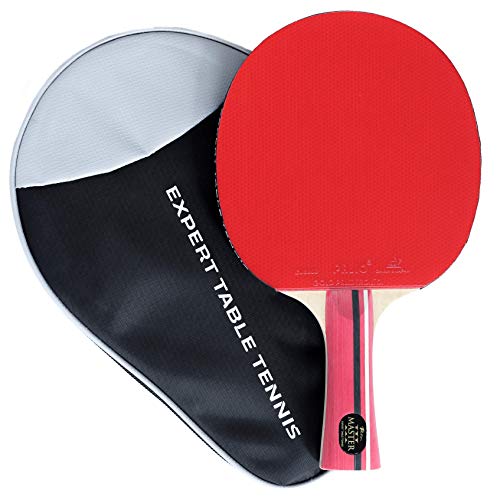
Best Ping Pong Paddle for Beginners (2026): 3 Real Rackets to Improve With
If you have only ever played with the hard, pimpled paddles from a rec-room drawer, a real ping pong paddle is a revelation: the grippy rubber lets you put spin on the ball and actually control where it goes, which is how the game is meant to feel. For a beginner who wants to improve, the sweet spot is a pre-made paddle with decent controllable rubber, not a cheap toy and not a pricey custom setup. Here are three, from the control-first paddle coaches most often recommend to a faster carbon blade to grow into.

Best Beginner Pool Cue (2026): 3 Two-Piece Cues for Every Budget
Owning your own cue is the single biggest upgrade to your game, because house cues are usually warped, mismatched, and worn out. A good beginner cue is a straight two-piece maple stick around 19 ounces with a 13mm tip, which is the standard setup that suits almost everyone. Here are three that fit the bill, from a solid entry cue to a premium American-made stick.
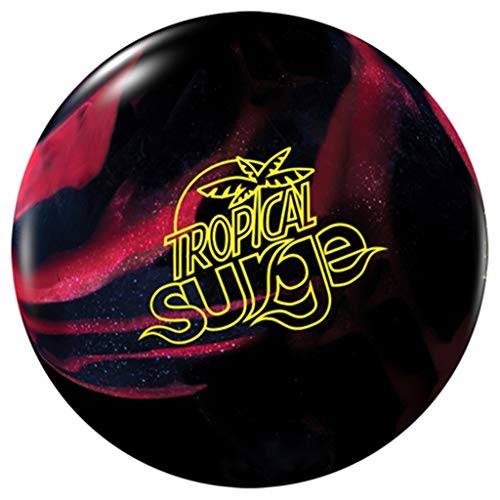
Best Beginner Bowling Ball (2026): 3 First-Ball Picks
Your first bowling ball comes down to one simple choice: do you want it to go straight and predictable, or start to hook? All three here are real starter balls, and the honest truth is that a plain plastic ball that rolls straight is the best first pick for a lot of people, because it is cheap, forgiving, and doubles as a spare ball forever. The real ladder is how much the ball hooks and how far you plan to take the game: a straight plastic ball to learn on, an entry reactive ball that hooks a little for your first league, or a versatile reactive ball you grow into. One thing matters more than which ball you buy, though, and that is getting it drilled to fit your hand at a pro shop. Here are three good first balls, and how to choose.

Best Bowling Shoes (2026): One Shoe Slides, the Other Stops
Rental shoes have slide soles on both feet, which is why they are handed out to everyone and why they never feel right. A proper bowling shoe is asymmetric: one foot slides through the release, the other grips to push off and stop. Which foot does which depends on the hand you bowl with, and buying the wrong version means a shoe that fights every approach.

Best Karate Gi for Beginners (2026): 3 Picks by Weight and Feel
Your first karate gi (the white uniform) really comes down to one number: fabric weight, measured in ounces. A lightweight gi is cheap, cool, and perfect for learning, while a heavier gi feels more substantial and makes that satisfying 'snap' when you punch, but costs more and runs hot. Beginners almost always want a light gi to start, and most dojos are happy with a plain white one. The other thing to get right is sizing, since gis shrink, and buying the right belt colour (usually just a white belt to begin). Here are three good ones, from an affordable student gi to a premium heavyweight you grow into.

Best Beginner Pickleball Paddle (2026): 3 Picks for Every Budget
The paddle is the one piece of gear that actually changes how you play, and the wall of look-alike options hides a few real differences that matter on day one. Here are three we'd hand a new player: a no-regrets budget pick, an all-around upgrade, and a control paddle worth growing into.