Best Beginner Pickleball Paddle (2026): 3 Picks for Every Budget
The paddle is the one piece of gear that actually changes how you play, and the wall of look-alike options hides a few real differences that matter on day one. Here are three we'd hand a new player: a no-regrets budget pick, an all-around upgrade, and a control paddle worth growing into.
HobbyStack may earn a commission from links on this page at no extra cost to you. Our picks are chosen on merit; the commission helps fund the research.
- A midweight paddle (7.8–8.3 oz) is the easy default — light enough to maneuver, heavy enough to drive the ball without arm-wrecking effort.
- Spend on the surface and core, not the graphics: a raised-texture face (fiberglass or carbon) plus a thick (16mm) core gives beginners control and a bigger sweet spot.
- Get the grip size right (most adults: 4–4¼"). Too big strains your wrist; too small you can build up with an overgrip.
- If you might play sanctioned tournaments, buy a USA Pickleball (USAPA) approved paddle — all three picks below qualify.
 Niupipo Pickleball Paddle$29Fiberglass face, ~7.8 ozA first paddle without the regret
 Onix Z5 GraphitePick$57Graphite face, widebodyThe all-around upgrade most players settle on
 JOOLA Ben Johns Hyperion$120Carbon-fiber face, elongatedSpin and control once you know you love the sport
Almost every beginner paddle decision comes down to four things: weight, core thickness, surface, and grip. Weight is the big one. Sub-7.5 oz paddles are whippy and easy on the elbow but punch softer; 8.5 oz+ paddles hit hard but tire your arm and slow your hands at the net. A midweight paddle in the 7.8–8.3 oz range is the sweet spot almost no one regrets.
Core thickness sets the feel. A thicker 16mm polypropylene core is softer and more forgiving — it dampens mishits and helps you place dinks, which is exactly what a new player needs. Thinner 13mm cores are poppier and more powerful but punish off-center hits. Surface matters more than the marketing: a textured fiberglass or carbon-fiber face grabs the ball for spin and widens the sweet spot versus a slick budget face. Grip is personal — most adults land around 4 to 4¼ inches; you can always add an overgrip to size up, but you can't shrink one down.
 Best budget paddle
Niupipo Pickleball Paddle
The paddle to buy when you're not sure you're hooked yet — and the one you won't be embarrassed to keep as a guest/spare once you upgrade. USAPA-approved, midweight, with a textured fiberglass face that grips the ball far better than the bare paddles in cheap starter sets.
What's good
- USA Pickleball approved
- Comfortable cushioned grip out of the box
- Midweight, forgiving feel
- Costs a fraction of a premium paddle
What's not
- Less spin and sweet-spot than carbon-faced paddles
- Graphics wear before the paddle does
 Best for most beginners
Onix Z5 Graphite
If you ask a rec-league regular what to buy, this is the paddle they name. The widebody shape gives a huge, friendly sweet spot, the graphite face adds touch and a bit of bite, and the nomex core delivers more pop than a soft beginner paddle without getting twitchy. It's the paddle most players keep for a long time.
What's good
- Large, forgiving widebody sweet spot
- Graphite face = better touch and control than fiberglass
- Trusted, long-popular model
- Balanced power and control
What's not
- Pricier than entry fiberglass paddles
- Thinner core feels poppier — less plush than 16mm control paddles
 Best to grow into
JOOLA Ben Johns Hyperion
The paddle of the world's #1 player, and a genuine long-term keeper. The raw carbon-fiber face generates serious spin, the elongated shape adds reach and power for serves and drives, and the thick core stays controlled at the kitchen line. Overkill for a true first-timer — but if you already know pickleball is your sport, buying this once beats upgrading twice.
What's good
- Class-leading spin from the raw carbon face
- Elongated shape adds reach, power, and leverage
- Thick core stays controlled on dinks and resets
- Tournament-proven, long-term keeper
What's not
- Premium price
- Elongated shape has a slightly smaller sweet spot — less forgiving than a widebody for total beginners
Those $40 sets of two bare paddles + balls are fine for a backyard afternoon, but the slick faces give you almost no spin or control and the sweet spot is tiny — you'll outgrow them in a week. A single textured paddle like the budget pick above teaches better habits and lasts.
How to choose between these three: if you're testing the waters, the Niupipo gets you playing properly for very little. If you already know you'll be on the court every week, skip ahead — the Onix Z5 is the no-overthinking pick, and the JOOLA Hyperion is the buy-once paddle if budget isn't the constraint.
Before you buy
Measure your grip: with the paddle in hand, you should fit your index finger in the gap between fingertips and palm. Most adults are 4–4¼".
Default to a 16mm core for control as a beginner; drop to 13mm only once you want more put-away power.
Add a cheap overgrip — it sizes up a too-small handle, adds cushion, and saves the factory grip from sweat.
Check for the "USA Pickleball Approved" mark if there’s any chance you’ll play sanctioned events.
Paddle tech helps at the margins, but at the start your serve, dinks, and shot selection decide every game. Any of these three is more than good enough to take you to a 3.5–4.0 level — buy the one that fits your budget and spend the savings on court time.
Pickleball paddle questions
What weight pickleball paddle should a beginner get?
Are expensive pickleball paddles worth it for beginners?
Fiberglass vs. graphite vs. carbon fiber face — what’s the difference?
What grip size do I need?
Do I need a USA Pickleball approved paddle?
Thin or thick core?
For most new players, the Onix Z5 Graphite is the buy-it-and-forget-it pick — forgiving, well-rounded, and good well past beginner level. Testing the waters? The Niupipo gets you playing properly for very little. Already obsessed? The JOOLA Ben Johns Hyperion is the paddle you grow into, not out of.
Ready to actually do it?
The first pickleball quest takes an evening, and it tells you whether the gear was worth it better than any review can.
Start PickleballThe HobbyStack editorial team researches each guide using practitioner communities, published resources, and direct input from active hobbyists. Every guide is reviewed for accuracy before publication and updated when practices change.
About our editorial process →More gear guides
All guides
Best Pickleballs (2026): Indoor and Outdoor Are Not the Same Ball
Turning up with the wrong ball is the most common equipment mistake in pickleball, and it is invisible until you play. Outdoor balls are hard, heavy and drilled with many small holes so wind cannot push them around. Indoor balls are softer and lighter with fewer, larger holes. Play one where the other belongs and the game feels wrong for reasons nobody can name.
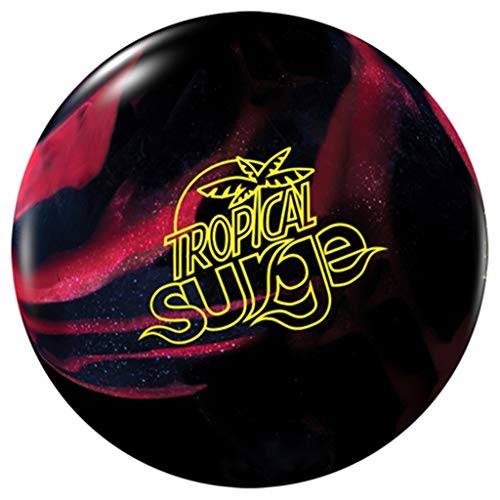
Best Beginner Bowling Ball (2026): 3 First-Ball Picks
Your first bowling ball comes down to one simple choice: do you want it to go straight and predictable, or start to hook? All three here are real starter balls, and the honest truth is that a plain plastic ball that rolls straight is the best first pick for a lot of people, because it is cheap, forgiving, and doubles as a spare ball forever. The real ladder is how much the ball hooks and how far you plan to take the game: a straight plastic ball to learn on, an entry reactive ball that hooks a little for your first league, or a versatile reactive ball you grow into. One thing matters more than which ball you buy, though, and that is getting it drilled to fit your hand at a pro shop. Here are three good first balls, and how to choose.

Best Bowling Shoes (2026): One Shoe Slides, the Other Stops
Rental shoes have slide soles on both feet, which is why they are handed out to everyone and why they never feel right. A proper bowling shoe is asymmetric: one foot slides through the release, the other grips to push off and stop. Which foot does which depends on the hand you bowl with, and buying the wrong version means a shoe that fights every approach.
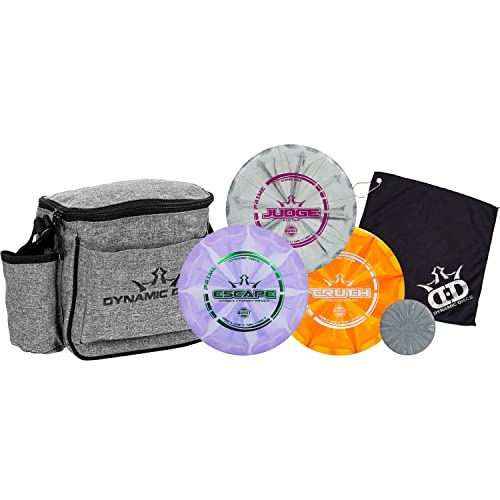
Best Beginner Disc Golf Set (2026): 3 Starter Packs Compared
A beginner disc golf set gives you the three discs you actually need (a putter, a mid-range, and a driver) chosen to fly straight and forgiving rather than fast and hard to control. That is the whole trick as a beginner: understable, slow discs are easier to throw well than the pro-speed drivers that just fade into the ground. Here are three good sets, from a bare-bones three-pack to a fuller kit.

Best Midrange Disc (2026): The Four Numbers on Every Disc, Explained
Every disc has four numbers stamped on it and almost nobody explains them at the point of sale. They describe how it flies, and for a new player the important one is the third: a negative turn number means the disc will fly straight for you, and a positive fade number means it will not.

Best Beginner Quad Skates (2026): 3 Pairs for Every Budget
Quad skates (the classic four-wheel, two-by-two kind) are the friendliest way to start roller skating, and the trick is buying a real skate rather than a toy. A supportive boot, a stable plate, and decent wheels make learning feel steady instead of scary. Here are three good pairs, from a solid budget skate to a cult-favourite premium one.