Best Beginner Tennis Racket (2026): 3 Picks for Every Budget
The right beginner racket is the one that forgives your mishits while you learn to find the sweet spot. That means a lighter frame, a bigger head, and an open string pattern: here are three that get it right, from a no-brainer first racket to one you can grow into for years.
HobbyStack may earn a commission from links on this page at no extra cost to you. Our picks are chosen on merit; the commission helps fund the research.
- Beginners want a light (9.5–10.5 oz), head-heavy frame with a big head (100–115 sq in) — it swings easy and forgives off-center hits.
- A bigger head and open string pattern give more power and a larger sweet spot; you trade a little control you do not need yet.
- Get the grip size right (most adults: 4 1/4 to 4 3/8). Too big strains the wrist — and you can build a small grip up with an overgrip.
- Pre-strung is fine to start. Save custom stringing for when you know your style.


Three numbers decide a beginner racket: head size, weight, and balance. A larger head (100–115 sq in) means a bigger sweet spot and more free power — exactly what you want before your timing is consistent. Weight matters just as much: a lighter frame (under ~10.5 oz strung) is easier to swing and gentler on the arm, while heavier player frames demand technique you are still building. And a head-heavy balance adds easy pop on a slower swing.
Control-oriented 'player' rackets — heavier, smaller-headed, thinner beams — are tempting because the pros use them, but they punish beginners with dead, jarring mishits. Start forgiving and grow into more control as your strokes settle. Grip size is the last piece: most adults land at 4 1/4 to 4 3/8 inches, and you can always add an overgrip to size a small handle up.
 Best budget racket
HEAD Ti.S6
The default first racket for a reason. It is extremely light and head-heavy with a big 115 sq in head, so it swings effortlessly and rewards even sloppy contact with easy depth. Not a racket you will play tournaments with — but the fastest way to feel like you are actually hitting the ball.
What's good
- Huge 115 sq in head and sweet spot
- Very light and easy to swing
- Generous, arm-friendly power
- Cheap enough to start with zero regret
What's not
- Stiff aluminum feel
- Too light and powerful once your strokes mature
 Best for most beginners
Babolat Boost Drive
The sweet spot between forgiving and 'real.' A light graphite frame with a 105 sq in head, it has the lively, modern feel of Babolat's popular Pure Drive line at a beginner-friendly weight and price. Enough control to improve with, enough pop and forgiveness to enjoy from day one.
What's good
- Graphite frame feels far better than aluminum
- Lightweight and maneuverable
- 105 sq in head keeps it forgiving
- Room to grow as your strokes improve
What's not
- Less plush than heavier player frames
- Beginners chasing max power may prefer a bigger head
 Best to grow into
Babolat Pure Drive
If you already know you are committed, this is the racket you grow into rather than out of. The best-selling performance frame in the world balances power, spin, and control in a 100 sq in head — demanding enough to reward good technique, forgiving enough that an improving beginner can handle it. Overkill on day one, ideal for the long run.
What's good
- Class-leading all-around power and spin
- A frame you can play for years
- Crisp, lively modern feel
- Massive community and string knowledge
What's not
- Premium price
- Less forgiving than oversize beginner frames at first
Heavy, small-headed control frames (think 11.5+ oz, 95–98 sq in) are what tour players use — and they will make a beginner miserable, with tiny sweet spots and jarring mishits. Start with a lighter, bigger-headed racket and move toward control as your strokes settle.
Choosing between them: if you just want to get on court cheaply and have fun, the HEAD Ti.S6 is unbeatable value. If you want a racket you will actually keep improving with, the Babolat Boost Drive is the no-overthinking pick. And if you already know tennis is a long-term thing, the Pure Drive is the buy-once frame.
Before you buy
Check the grip: with the racket in hand you should fit one finger between your fingertips and palm. Most adults are 4 1/4 to 4 3/8 inches.
Lighter is friendlier for beginners and easier on the elbow — go heavier only once your technique is solid.
Add an overgrip: it sizes a small handle up, adds cushion, and protects the factory grip.
Pre-strung rackets are fine to learn on — revisit string choice once you have a consistent swing.
Tennis racket questions
What size tennis racket head should a beginner buy?
How heavy should a beginner tennis racket be?
Do I need an expensive racket to start?
What grip size do I need?
Should I buy a pre-strung racket?
Aluminum or graphite?
For most beginners the Babolat Boost Drive is the pick — a real graphite racket that flatters a developing game without holding it back. Just want to start cheap? The HEAD Ti.S6 is unbeatable value. Already committed? The Babolat Pure Drive is the racket you grow into for years.
Ready to actually do it?
The first tennis quest takes an evening, and it tells you whether the gear was worth it better than any review can.
Start TennisThe HobbyStack editorial team researches each guide using practitioner communities, published resources, and direct input from active hobbyists. Every guide is reviewed for accuracy before publication and updated when practices change.
About our editorial process →More gear guides
All guides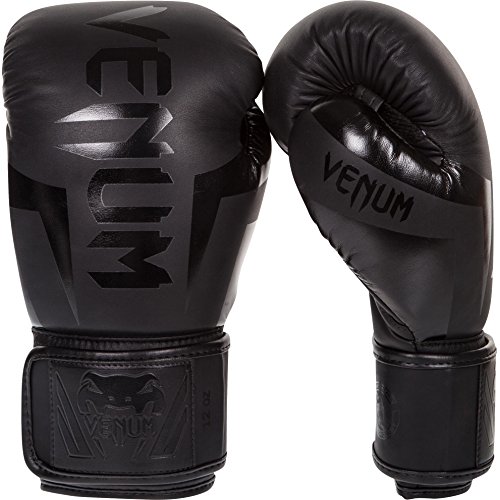
Best Beginner Boxing Gloves (2026): 3 Picks for Every Budget
Your first pair of gloves protects your hands and your training partners while you learn to throw a proper punch. The trick is getting the size and padding right: here are three pairs we'd put on a new boxer, from a gym-bag staple to a pair that lasts for years.

Best Beginner Bike Helmets (2026): 3 Safe Picks
A helmet is the one piece of cycling gear you should never skip, and the good news is a great one doesn't cost much. The thing to look for is MIPS, a liner that helps with the angled hits that cause most head injuries. All three picks below have it, from a cheap first lid to a lighter, better-vented upgrade.
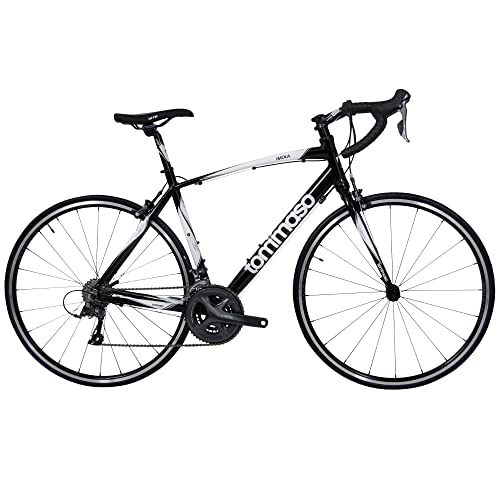
Best Beginner Road Bike (2026): 3 Real Picks You Can Actually Buy Online
A good first road bike is less about the brand on the frame and more about a few basics: a light aluminum frame, a Shimano drivetrain that shifts cleanly, and a fit that suits you. Quality road bikes are surprisingly scarce and pricey on Amazon, so it pays to skip the no-name bargains and stick to real brands. Here are three you can genuinely buy, from an affordable Schwinn to a carbon-fork Tommaso to grow into.
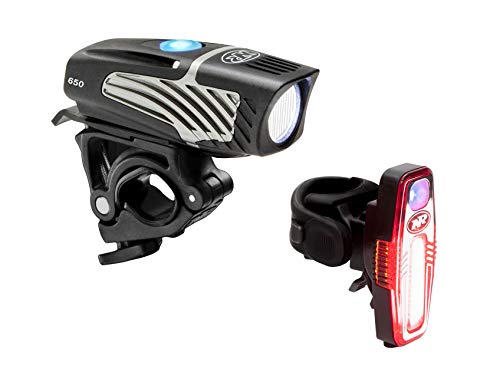
Best Bike Lights for Beginners (2026): 3 Real Picks
Bike lights do two different jobs, and knowing which you need is the whole decision. A 'be seen' light is a bright blinker that makes cars notice you on lit streets; a 'see the road' light throws a real beam so you can ride on dark, unlit roads and trails. Both should be USB rechargeable and easy to move between bikes. Most commuters need be-seen; anyone riding beyond streetlights needs to actually see. Here are three good options across the range, plus how to pick the brightness that matches where you ride.

Best Beginner BJJ Gi 2026: Sanabul Essentials vs Fuji All-Around vs Hayabusa Ascend
The gi (also called a kimono) is the one thing you actually have to buy for BJJ. Most gyms let you borrow one for a class or two, but you'll want your own fast, because you sweat into it and wash it constantly. Good news: you do not need an expensive one to start. A $90 gi and a $200 gi feel more alike than the price gap suggests, and nobody at the gym cares what brand you wear. What matters early is that it fits and that it survives being washed after every session. If you think you'll ever compete, you'll also want an IBJJF-legal gi, and the picks below note which ones qualify. Below are three gis beginners actually buy, from a safe budget pick to a nicer one you can grow into.

Best BJJ Rash Guard (2026): Skin Infections Are the Real Reason You Wear One
People assume a rash guard is about friction burn from the mats. That is part of it. The bigger reason is that grappling puts your skin against other people and against a mat surface all session, and ringworm, impetigo and staph move through gyms exactly that way. Fabric between you and everything else is the cheapest prevention there is.