Best Beginner Pool Cue (2026): 3 Two-Piece Cues for Every Budget
Owning your own cue is the single biggest upgrade to your game, because house cues are usually warped, mismatched, and worn out. A good beginner cue is a straight two-piece maple stick around 19 ounces with a 13mm tip, which is the standard setup that suits almost everyone. Here are three that fit the bill, from a solid entry cue to a premium American-made stick.
HobbyStack may earn a commission from links on this page at no extra cost to you. Our picks are chosen on merit; the commission helps fund the research.
- Buy your own two-piece cue. House cues are usually warped and worn, and a straight cue instantly improves your consistency.
- A ~19 ounce weight with a 13mm tip is the standard all-rounder that suits most beginners. You can fine-tune later.
- Straightness matters most: a good maple cue that is dead straight beats a fancy one that is not.
- Add a hard case to protect the cue. A warped or dinged cue is a ruined cue.
 Joshmar Two-Piece Canadian Maple Pool CueYour own real cue for the least$60Check price
 Our pickViking Valhalla 100 Series Pool CueThe cue most players should buy$112Check price
 McDermott Lucky L8 Pool CueA premium cue you grow into$150Check price
The reason to buy your own cue is simple: the house cues at a bar or hall have been dropped, leaned on, and left in hot cars for years, so most are warped, have worn tips, and no two feel the same. A straight, consistent cue of your own removes all that variability, and suddenly your aim and stroke have a fair chance. You do not need anything expensive to get this benefit, just a decent, straight two-piece stick.
The standard beginner setup is a two-piece Canadian or hard rock maple cue around 19 ounces with a 13mm tip. That weight is a comfortable middle ground (lighter cues favour finesse, heavier ones favour break power), and a 13mm tip is forgiving and versatile. Beyond that, the thing that separates a good cue from a bad one at this level is straightness and tip quality, not fancy inlays. Roll it on a flat surface to check it is true, keep a decent tip on it, and protect it in a case.
 Best budget cue
Joshmar Two-Piece Canadian Maple Pool Cue
A real cue of your own for very little. This two-piece Canadian maple stick lands right on the standard beginner spec: about 19 ounces with a 13mm tip, so it suits almost anyone learning. It is not fancy, but it is straight and consistent, which is the whole point of owning your own cue instead of grabbing a warped house stick.
What's good
- Standard 19oz, 13mm beginner spec
- Straight two-piece Canadian maple
- Huge upgrade over house cues
- Very affordable
What's not
- Basic finish and wrap
- No case included
 Best for most beginners
Viking Valhalla 100 Series Pool Cue
The step up that most players are happy to own for years. Viking is a respected American cue maker, and the Valhalla 100 series gives you a genuinely well-made maple cue with a proper tip and a lifetime warranty against warping. It feels more solid and consistent than a bare-bones budget stick, and it is the no-overthinking pick for someone who knows they will keep playing.
What's good
- Trusted, well-made brand
- Lifetime warranty against warping
- Consistent, quality maple shaft
- A cue you keep for years
What's not
- Costs more than a basic maple cue
- Case usually sold separately
 Best to grow into
McDermott Lucky L8 Pool Cue
The cue you buy once and keep for good. McDermott is one of the best-known American cue makers, and the Lucky L8 brings their build quality down to a reachable price, with an Irish linen wrap for grip and a quality maple shaft. It is more cue than a first-timer strictly needs, but the feel and finish are a genuine, lasting upgrade if you already know you are in it.
What's good
- Premium American-made quality
- Irish linen wrap for a sure grip
- Excellent maple shaft and tip
- A keep-for-life cue
What's not
- Premium price for a beginner
- More cue than a casual player needs
Straightness beats everything at this level. When your cue arrives, roll it slowly on a flat table (or roll both halves joined) and watch the tip: it should track true with no wobble. A straight budget cue plays better than a warped expensive one, so this quick check matters more than any inlay or wrap.
Which to buy: just want your own straight cue instead of house sticks? The Joshmar maple cue does the job for the least. Want a trusted, warranty-backed cue you keep for years? The Viking Valhalla is the easy pick. Already sure you love the game and want a premium American cue? The McDermott Lucky.
Before you buy
Roll the cue on a flat surface to confirm it is straight before you play with it.
A ~19 ounce, 13mm-tip cue suits most people. Go a little lighter for control, heavier for a stronger break.
Add a hard case. Most cue damage happens in transport and storage, not on the table.
Chalk every shot and keep the tip shaped and scuffed so it grips the cue ball cleanly.
Beginner pool cue questions
Do I really need my own pool cue?
What weight and tip size should a beginner get?
What makes a good cue at the beginner level?
One-piece or two-piece cue?
Do I need a case?
Is a carbon fiber cue worth it for a beginner?
For most players the Viking Valhalla is the pick: a trusted, warranty-backed maple cue you keep for years. Just want your own straight cue for the least? The Joshmar maple cue clears the bar. Already sure you love it and want a premium American stick? The McDermott Lucky. Whatever you choose, buy your own two-piece cue, check it is straight, and protect it in a case.
Ready to actually do it?
The first billiards quest takes an evening, and it tells you whether the gear was worth it better than any review can.
Start BilliardsThe HobbyStack editorial team researches each guide against manufacturer specifications, published resources and practitioner sources. Every product is checked for availability and described against its current listing before publication, and prices are re-checked when guides are updated.
About our editorial process →More gear guides
All guides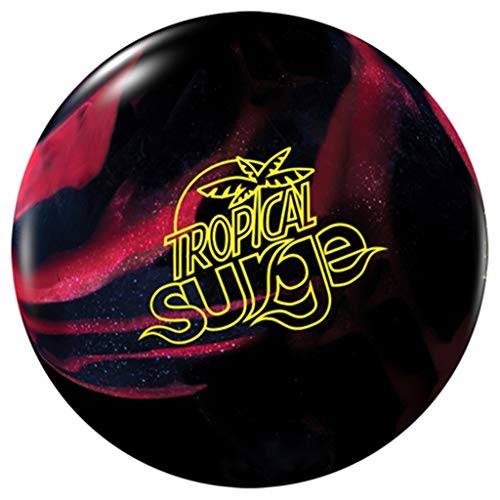
Best Beginner Bowling Ball (2026): 3 First-Ball Picks
Your first bowling ball comes down to one simple choice: do you want it to go straight and predictable, or start to hook? All three here are real starter balls, and the honest truth is that a plain plastic ball that rolls straight is the best first pick for a lot of people, because it is cheap, forgiving, and doubles as a spare ball forever. The real ladder is how much the ball hooks and how far you plan to take the game: a straight plastic ball to learn on, an entry reactive ball that hooks a little for your first league, or a versatile reactive ball you grow into. One thing matters more than which ball you buy, though, and that is getting it drilled to fit your hand at a pro shop. Here are three good first balls, and how to choose.

Best Bowling Shoes (2026): One Shoe Slides, the Other Stops
Rental shoes have slide soles on both feet, which is why they are handed out to everyone and why they never feel right. A proper bowling shoe is asymmetric: one foot slides through the release, the other grips to push off and stop. Which foot does which depends on the hand you bowl with, and buying the wrong version means a shoe that fights every approach.

Best Karate Gi for Beginners (2026): 3 Picks by Weight and Feel
Your first karate gi (the white uniform) really comes down to one number: fabric weight, measured in ounces. A lightweight gi is cheap, cool, and perfect for learning, while a heavier gi feels more substantial and makes that satisfying 'snap' when you punch, but costs more and runs hot. Beginners almost always want a light gi to start, and most dojos are happy with a plain white one. The other thing to get right is sizing, since gis shrink, and buying the right belt colour (usually just a white belt to begin). Here are three good ones, from an affordable student gi to a premium heavyweight you grow into.
Best Ping Pong Paddle for Beginners (2026): 3 Real Rackets to Improve With
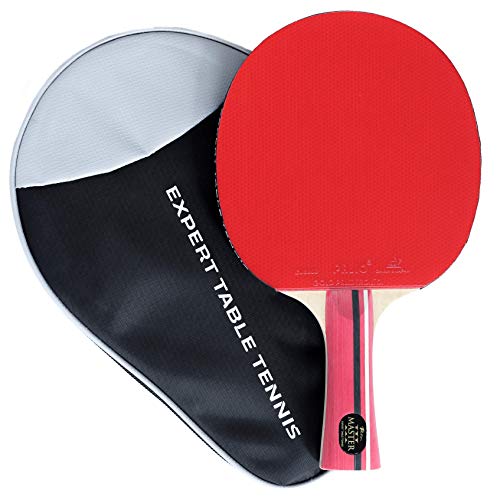
If you have only ever played with the hard, pimpled paddles from a rec-room drawer, a real ping pong paddle is a revelation: the grippy rubber lets you put spin on the ball and actually control where it goes, which is how the game is meant to feel. For a beginner who wants to improve, the sweet spot is a pre-made paddle with decent controllable rubber, not a cheap toy and not a pricey custom setup. Here are three, from the control-first paddle coaches most often recommend to a faster carbon blade to grow into.
Best Ping Pong Table for Beginners (2026): From Conversion Top to Tournament
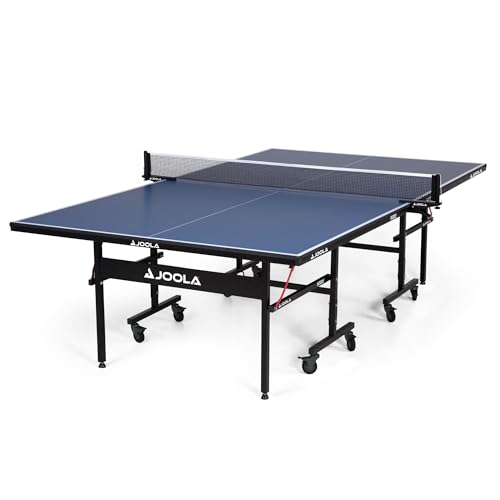
A ping pong table is a big purchase, and the first real question is not which brand but how much table you actually need and have room for. If you already have a dining or pool table, a conversion top gets you playing for a little over a hundred dollars. If you want a proper folding table you can roll away, that is the sweet spot most people should buy. And if you want tournament-grade bounce, a thicker top is the upgrade. All three picks here are from JOOLA, an Olympic table tennis brand, and they climb from topper to tournament.

Best Beginner BJJ Gi 2026: Sanabul Essentials vs Fuji All-Around vs Hayabusa Ascend
The gi (also called a kimono) is the one thing you actually have to buy for BJJ. Most gyms let you borrow one for a class or two, but you'll want your own fast, because you sweat into it and wash it constantly. Good news: you do not need an expensive one to start. A $90 gi and a $200 gi feel more alike than the price gap suggests, and nobody at the gym cares what brand you wear. What matters early is that it fits and that it survives being washed after every session. If you think you'll ever compete, you'll also want an IBJJF-legal gi, and the picks below note which ones qualify. Below are three gis beginners actually buy, from a safe budget pick to a nicer one you can grow into.