Best Smoker for Beginners (2026): 3 Real Picks
A smoker is the tool that turns tough, cheap cuts into brisket and ribs by cooking them low and slow in wood smoke for hours. For a beginner, the single most important thing is not size or brand but how easy it is to hold a steady temperature, because that is what low-and-slow really is: keeping a box at 225 to 275 degrees for six to twelve hours. An electric smoker does that almost automatically, which is why it is the easiest place to start; charcoal and pellet give more flavor and control but ask more of you. Here are three good ones across the range, plus what actually matters when you choose.
HobbyStack may earn a commission from links on this page at no extra cost to you. Our picks are chosen on merit; the commission helps fund the research.
- Holding a steady temperature is the whole game. Low-and-slow means keeping 225-275 degrees for hours; the easier a smoker holds that, the better it is for a beginner.
- Electric is the easiest start. Set a temperature, add wood chips, walk away; charcoal and pellet give more flavor but need more tending.
- Buy enough capacity, not too much. A 30-inch box does racks of ribs and a couple of butts; go bigger only if you cook for crowds.
- The smoker is one cost. Budget for a good instant-read thermometer, wood, and something to cook on day one.
 Masterbuilt 30-inch Digital Electric SmokerThe easiest path to great ribs and brisket$269Check price
 Our pickMasterbuilt 40-inch Digital Electric SmokerThe same ease, with room to cook for a crowd$350Check price
 Masterbuilt Gravity Series 800 Charcoal SmokerReal charcoal flavor with digital help$890Check price
The reason temperature control matters so much is that smoking is a marathon, not a sear. You are holding a box at a low, steady heat for hours while collagen breaks down and smoke works into the meat, and swings in temperature are what give beginners dry, uneven results. This is why an electric smoker is the friendliest entry: you set a digital target, drop wood chips in a tray, and the element cycles to hold the heat, so your job is mostly patience. The trade is flavor and feel, a charcoal or pellet fire gives a deeper smoke ring and a more hands-on craft, but it also asks you to manage vents, fuel, and drift, which is a lot to learn at once. Whatever the fuel, the other thing that matters is a real thermometer: the gauge built into the lid is often wildly inaccurate, and you cook to the meat's internal temperature, not the clock, so a good instant-read probe is not optional.
So choose by how hands-on you want to be, and leave money for the tools around the box. If you want the easiest path to great ribs, an electric smoker lets you set a temperature and walk away, which removes the hardest beginner skill (fire management) entirely. A larger electric smoker is the same ease with more room, worth it only if you cook for a crowd or want to smoke several racks at once. And if you already know you want real charcoal flavor and the craft of managing a fire, a gravity-fed charcoal smoker gives you that wood-and-coal taste with digital temperature help, a genuine step up in both flavor and price. Whichever you pick, the smoker is only part of the cost: a good instant-read thermometer, wood chips or chunks, and heat-resistant gloves are what actually let you cook well from day one.
 Best budget start
Masterbuilt 30-inch Digital Electric Smoker
The easiest possible way to start smoking, and enough smoker to cook seriously good food. The Masterbuilt 30-inch runs on electricity with a digital controller, so you set a temperature, load wood chips into the side tray, and the element holds the heat for you, which removes fire management, the single hardest thing for a beginner to learn. Four chrome racks give you room for a couple of pork butts, racks of ribs, or a small brisket, and the insulated cabinet holds low temperatures steadily through a long cook. It is not the smoker for someone chasing a deep charcoal smoke ring, and the built-in temperature readout is only a rough guide (use a separate probe), but for reliable, repeatable results while you learn what smoking even is, nothing else is this forgiving for the money. For most beginners, this is where to start.
What's good
- Set-and-forget: no fire to manage
- Digital temperature control holds low heat steadily
- Four racks fit ribs, butts, or a small brisket
- Insulated cabinet for long, stable cooks
What's not
- Less smoke flavor than charcoal or pellet
- Built-in temp readout needs a separate probe to trust
 Best for most people
Masterbuilt 40-inch Digital Electric Smoker
The same set-and-forget ease as the 30-inch, with the room most people wish they had. The Masterbuilt 40-inch keeps the digital-electric simplicity (set a temperature, add chips, walk away) but gives you a taller, wider cabinet that swallows several racks of ribs, multiple pork butts, or a full-size brisket without cramming, which matters the first time you cook for family or friends and run out of space on a smaller box. It holds low temperatures steadily through long cooks like its smaller sibling, and it is still one of the most beginner-forgiving smokers you can buy. The catch is size: it costs more, takes up more room, and is more smoker than someone cooking for one or two needs. But if you already know you will be feeding a crowd, buying the bigger cabinet now saves you wishing you had. For most people who entertain, this is the sweet spot.
What's good
- Same easy digital-electric operation
- Big cabinet fits several racks or a full brisket
- Steady low temps for long, hands-off cooks
- Room to grow into cooking for a crowd
What's not
- Bigger footprint and higher price than the 30-inch
- Overkill if you cook for just one or two
 Best for flavor & control
Masterbuilt Gravity Series 800 Charcoal Smoker
The step up for someone who wants real charcoal flavor without fully learning to babysit a fire. The Masterbuilt Gravity Series 800 burns charcoal and wood chunks in a gravity-fed hopper, but a digital controller and fan manage the airflow to hold your target temperature, so you get the deep smoke ring and wood-and-coal taste that electric can't match, with far less of the vent-fiddling that makes traditional charcoal smokers hard for beginners. It also doubles as a high-heat grill and griddle, so it is a genuine all-rounder, not just a low-and-slow box. The trade-offs are real: it is by far the most expensive option here, it takes more setup and cleanup than an electric smoker, and it is more than someone just starting needs. But if you already know flavor and craft are why you want to smoke, and you would rather buy once, this is the machine that grows with you. Still testing the waters? Start electric.
What's good
- Real charcoal and wood flavor, deep smoke ring
- Digital control manages airflow, so less fiddling
- Also grills and griddles at high heat
- Buy-once for someone chasing flavor and craft
What's not
- Most expensive option by a wide margin
- More setup and cleanup than an electric smoker
You cook smoked meat to its internal temperature, not the clock, and the gauge built into most lids is wildly inaccurate. A good instant-read thermometer (and ideally a leave-in probe) is the single accessory that most improves a beginner's results. Add wood chips or chunks and heat-resistant gloves, and budget roughly $30 to $80 for the tools around the smoker.
Before you buy
Cook to temperature, not time. A cheap gauge lies; a good instant-read probe is the best upgrade you can make.
Start electric if you want easy wins. Fire management is the hardest beginner skill; electric removes it.
Don't over-smoke. More wood isn't more flavor past a point; a thin blue smoke beats thick white.
Buy capacity for how you actually cook. A 30-inch box feeds most homes; go bigger only for crowds.
Common questions
What type of smoker is easiest for a beginner?
What temperature do you smoke meat at?
What size smoker should I buy?
What else do I need to start smoking?
For most beginners, the Masterbuilt 30-inch electric smoker is the one to buy: it removes fire management so you can learn low-and-slow with reliable, repeatable results. Step up to the 40-inch if you cook for a crowd, and choose the Gravity 800 only if you already know real charcoal flavor and craft are why you want to smoke. Whichever you pick, buy a good instant-read thermometer with it, because you cook to temperature, not time.
Ready to actually do it?
The first bbq & smoking quest takes an evening, and it tells you whether the gear was worth it better than any review can.
Start BBQ & SmokingThe HobbyStack editorial team researches each guide against manufacturer specifications, published resources and practitioner sources. Every product is checked for availability and described against its current listing before publication, and prices are re-checked when guides are updated.
About our editorial process →More gear guides
All guides
Best Meat Thermometer for Smoking (2026): Temperature Is the Whole Skill
Almost everything that goes wrong on a smoker is a temperature problem, and almost nobody can see temperature. Barbecue is not cooked to a time, it is cooked to a number, and a cheap thermometer removes more guesswork per pound than any upgrade to the smoker itself. The three types below solve genuinely different problems.
Best Baking Sheet for Beginners (2026): Why Half-Sheet Aluminium Wins
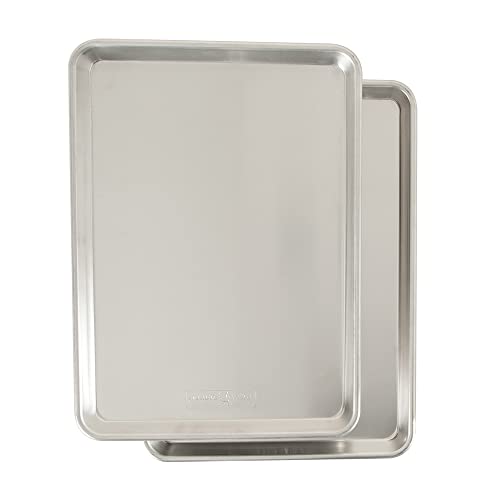
A baking sheet is the most-used pan in most kitchens and the one people spend least time choosing. The cheap ones warp with a bang the first time they hit a hot oven, and a warped sheet cooks unevenly forever after. The fix is not expensive: a heavy half sheet in bare aluminium with a rolled rim, which is what professional kitchens have used for decades.

Best Beginner Stand Mixer 2026: KitchenAid Artisan vs Classic vs Pro 600
Stand mixers are a one-time purchase that lasts decades. Pick the right KitchenAid (it's almost always going to be a KitchenAid) and you'll never need to think about it again. Pick wrong and you'll end up reselling and rebuying within 5 years.

Best Kitchen Scale for Baking 2026: Escali vs Ozeri vs OXO
A kitchen scale is the single most important tool in baking: weight is exact where measuring cups aren't, and switching to grams is the fastest way to make your recipes finally come out the same every time. The good news: accuracy is basically a solved problem, so the real choice isn't which scale weighs best (they're all spot-on) but which features you want. Here's the honest breakdown.
Best Mixing Bowls for Baking (2026): Stainless, Glass or Plastic
Mixing bowls are the piece of kit people own by accident — whatever came with the house, in whatever sizes. It mostly does not matter, with one real exception: plastic bowls will stop egg whites whipping, and almost nobody is told why. Beyond that it is about weight, nesting, and owning three rather than one.
Best Oven Thermometer (2026): Your Oven Is Probably Lying to You
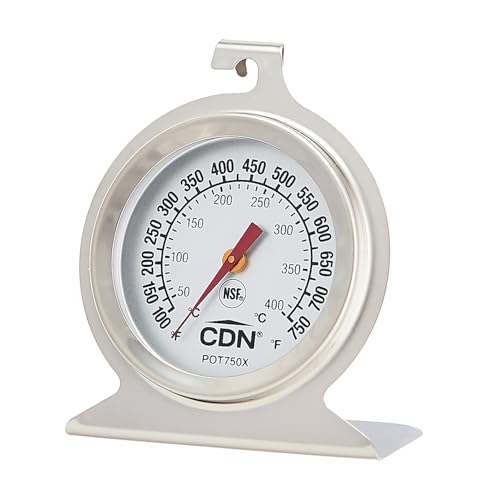
Set a home oven to 350°F and there is a good chance it is sitting anywhere between 315 and 390. The dial is a request, not a measurement, and the difference is the reason a recipe that works for everyone else comes out pale and raw in the middle at your house.