Best Binoculars for Stargazing 2026: Nikon Aculon vs Celestron Cometron vs SkyMaster
You don't need a telescope to start stargazing: for most beginners, a good pair of binoculars is the smarter first buy. Here are three honest picks for the night sky, from a forgiving budget pair to a deep-sky aperture monster, with the two numbers that actually decide which is right for you.
HobbyStack may earn a commission from links on this page at no extra cost to you. Our picks are chosen on merit; the commission helps fund the research.
- You don't need a telescope to start. For stargazing, a good pair of binoculars is the better first buy — they show the Moon's craters, Jupiter's four bright moons, the Pleiades, and the Andromeda Galaxy, cost a fraction of a decent telescope, and are far easier to point and use.
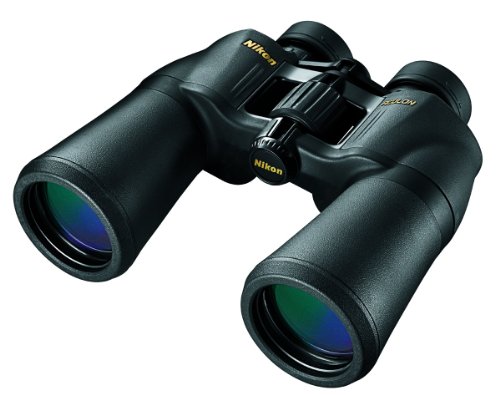
- Our pick: the Nikon Aculon A211 (~$144). Bright, sharp 50mm optics with Nikon's aspherical lenses — the do-everything stargazing pair that's still hand-holdable.
- Budget pick: the Celestron Cometron 7x50 (~$40). Lower 7× magnification means a steadier, more forgiving image and a wide field that makes finding things easy. The honest first pair.
- Aperture pick: the Celestron SkyMaster Pro 15x70 (~$279). Big 70mm lenses reach genuinely faint deep-sky objects the smaller pairs can't — but the 15× magnification means you must mount them on a tripod for a steady view.
- Two numbers decide everything: aperture (the 50 or 70 — how much light it gathers, which sets what you can see) and magnification (the 7, 10, or 15 — past 10× you can't hold them steady). Ignore anything advertising '30×' zoom binoculars; the image shakes uselessly.


Why binoculars beat a telescope to start
Every beginner assumes stargazing means buying a telescope. It usually shouldn't. A cheap telescope is the single most common way people quit astronomy in week three — the wobbly mount shakes the image with every breath, and finding anything in the sky is maddening without practice.
Binoculars sidestep both problems. They're two small telescopes you point with your hands and aim with both eyes, so finding things is intuitive, and a steady image is far easier at low magnification. For well under the price of a usable telescope, a good pair shows you:
- The Moon — craters, mountain ranges, and the terminator shadow-line, in genuine detail.
- Jupiter — as a tiny disc with its four Galilean moons strung out beside it (the same ones Galileo saw).
- Star clusters — the Pleiades resolves into a glittering box of blue stars; the Beehive and the Double Cluster are stunning.
- The Andromeda Galaxy — a faint oval smudge that is, remarkably, 2.5 million light-years away.
- The Milky Way — sweeping through it on a dark night is the single best thing binoculars do.
The telescope is a brilliant second step, once you know the sky and what you want to look at. Start with binoculars.
What actually matters: aperture, magnification, and the two numbers
Binoculars are described by two numbers — 10×50, 7×50, 15×70. The first is magnification, the second is aperture (the front lens diameter, in mm). For astronomy, in order of importance:
Aperture (the second number) is light-gathering, and light is everything in a dark sky. A 50mm lens gathers plenty for the Moon, planets, and brighter clusters. A 70mm lens reaches fainter galaxies and nebulae — but it's heavier.
Magnification (the first number) is a trap above 10×. Higher magnification also magnifies the shake of your hands, so a 15× image held by hand is a blurry, bouncing mess. 10× is the practical ceiling for handheld use. Anything 12× and up really wants a tripod.
Exit pupil (aperture ÷ magnification) is the width of the light beam reaching your eye. 7×50 gives a huge 7.1mm exit pupil — lovely under truly dark skies, but wasted under suburban light pollution where your own pupil won't open that wide. 10×50 gives a 5mm exit pupil that suits real-world skies and is why 10×50 is the universal beginner recommendation.
Prism glass — budget pairs use BK7 glass; better pairs use BAK4, which is sharper to the edge of the field. Noticeable, but secondary to aperture and a steady mount.
What does not matter: "zoom" binoculars (always optically poor), ruby-coated lenses (a marketing gimmick), and magnification numbers over 15× for handheld use.
 Best for most stargazers
Nikon Aculon A211 12x50 Binoculars
The 10×50-class Aculon is the configuration nearly every astronomy guide lands on for beginners, and Nikon's version is the value benchmark. 50mm lenses gather enough light for the Moon, Jupiter's moons, and brighter clusters and galaxies; Nikon's aspherical lenses keep stars sharp toward the edge of the field where cheaper pairs smear them. It's still light enough to hold steady for most people, and it doubles for daytime nature use. If you buy one pair of stargazing binoculars, this is it.
What's good
- The do-everything size — enough magnification for detail, wide enough to find things, light enough to hand-hold
- Nikon aspherical optics keep stars sharp to the edge of the field
- 50mm aperture shows the Moon, Jupiter's moons, the Pleiades, and the Andromeda Galaxy
- Doubles as a capable daytime nature/wildlife binocular
- Nikon build quality and a long warranty at a mid-range price
What's not
- Not as much deep-sky reach as the 70mm aperture pick
- BaK-style glass is good but not premium birding-grade
- At higher magnifications you'll notice a little hand-shake on a long session — a monopod helps
 Best for starting cheap
Celestron Cometron 7x50 Binoculars
If your budget is firm or you want the most forgiving first pair, the Cometron 7×50 is the classic answer. The lower 7× magnification is the secret: less magnification means less visible hand-shake, so the image is steadier and easier to enjoy, and the wide field of view makes sweeping the Milky Way and finding objects genuinely easy. The honest trade-off is BK7 prism glass rather than the sharper BaK-4 of pricier pairs — fine to learn on, and durable enough to live in a car for impromptu sessions.
What's good
- Cheapest real entry — a genuine astronomy binocular, not a toy
- 7× magnification is forgiving and steady; wide field makes finding things easy
- 50mm aperture still shows the Moon, Jupiter's moons, and bright clusters
- Light and tough — the grab-anywhere pair you won't worry about
What's not
- BK7 prism glass is softer toward the field edge than BaK-4
- 7× shows less detail than the 10× pick on small targets like Jupiter
- Not waterproof — keep it out of heavy dew
 Most aperture (tripod required)
Celestron 72030 SkyMaster Pro 15 x 70 Porro Prism Binoculars
"Premium" here means more aperture, not just better glass. The 70mm lenses gather roughly twice the light of a 50mm pair, which is what lets you reach fainter galaxies, nebulae, and globular clusters that the smaller binoculars only hint at. The catch is non-negotiable: at 15× magnification and this weight, you cannot hold them steady — they need a tripod (and an L-adapter, often sold separately). Buy these once you're hooked and want to go deep-sky, not as a first grab-and-go pair.
What's good
- 70mm aperture reaches genuinely faint deep-sky objects the 50mm pairs miss
- 15× magnification resolves more detail in clusters and the Moon
- Far cheaper than a telescope of comparable light-gathering
- Multi-coated optics deliver bright, contrasty views
What's not
- Must be tripod-mounted — useless hand-held at 15× (and an L-adapter is often extra)
- Heavy; not a grab-and-go pair
- Narrower field of view makes finding objects harder than the 7× pick
- Overkill as a first purchase — start with the 10×50
Two free things will improve your views more than any gear upgrade. First, let your eyes dark-adapt — it takes 20–30 minutes outside for your pupils to fully open, and a single glance at a phone or white flashlight resets it. Use a red light (or your phone's red night-mode) instead. Second, get away from light pollution — even great binoculars under a bright city sky show a faded version of the real thing. Check your sky on lightpollutionmap.info; a 30–60 minute drive to darker skies transforms what you can see.
Before you buy
Default to 10×50 unless you have a reason not to. It is the most-recommended beginner size for a reason — the balance of detail, brightness, and steadiness.
Anything 12× or higher needs a tripod. If you want big-aperture 15×70 or 20×80 views, budget for a tripod and an L-adapter bracket at the same time.
Brace, don't just hold. Lean against a wall, sit in a reclining chair, or rest your elbows on a railing — steadying the binoculars reveals far more than buying more magnification.
Skip "zoom" binoculars. Variable-magnification astronomy binoculars are optically compromised at every setting. A fixed 10×50 beats a 10–30×50 zoom every time.
A red flashlight (~$13) is the cheapest upgrade you can make — it protects the dark-adapted vision that lets you see faint objects at all.
Common questions about stargazing binoculars
Are binoculars or a telescope better for a beginner?
What size binoculars are best for stargazing?
Can I see Saturn's rings with binoculars?
Why do high-magnification binoculars need a tripod?
What does the 10×50 (or 7×50) actually mean?
Do I need special "astronomy" binoculars, or will birding ones work?
For most people, the Nikon Aculon A211 12x50 Binoculars is the buy — the 10×50-class balance of detail, brightness, and steadiness you won't outgrow. Starting cheap? The Celestron Cometron 7x50 Binoculars is a genuine, forgiving first pair. Ready to chase faint galaxies and nebulae? The Celestron 72030 SkyMaster Pro 15 x 70 Porro Prism Binoculars has the aperture — just budget for a tripod.
Ready to actually do it?
The first stargazing quest takes an evening, and it tells you whether the gear was worth it better than any review can.
Start StargazingThe HobbyStack editorial team researches each guide using practitioner communities, published resources, and direct input from active hobbyists. Every guide is reviewed for accuracy before publication and updated when practices change.
About our editorial process →More gear guides
All guides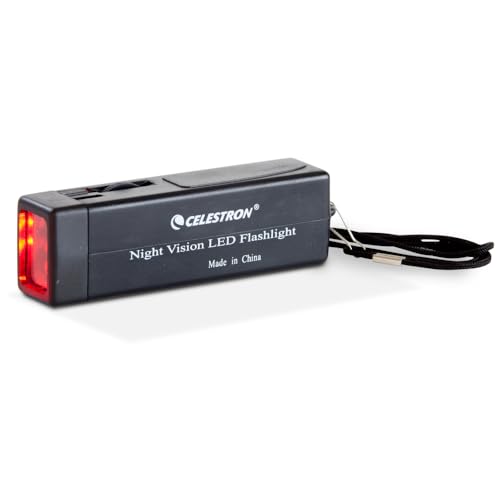
Best Red Light for Stargazing (2026): Protecting 30 Minutes of Night Vision
Dark adaptation takes about thirty minutes and one careless glance at a phone screen to undo. That is the entire argument for a red light: not that red is magic, but that your eyes recover from it far faster than from white. Almost every stargazing session that "was not very good" was actually a session where someone kept checking their phone.

Best Binoculars for Birdwatching (2026): Why 8x42 Is the Sweet Spot
For birdwatching, one pair of numbers matters more than any brand: 8x42. That is 8x magnification (easy to hold steady, with a wide view to find birds) and a 42mm lens (bright enough for shade and dawn). Get that spec and you are most of the way there. Here are three good 8x42 binoculars, from a superb-value first pair to premium glass you grow into.

Best Beginner Telescope 2026: 3 Honest Picks for First-Time Buyers
Orion Telescopes shut down in 2025, so half the 'best telescope' guides online are stale. Here's a fresh take on the three telescopes worth buying as a beginner in 2026, including the one that lets your phone do the hardest part for you.

Best Binoculars for Astronomy (2026): Start Here, Not With a Telescope
The standard advice in astronomy is to buy binoculars before a telescope, and it is right. A cheap telescope is usually a wobbly mount holding a small lens, and it shows you less than a decent pair of binoculars while being far harder to point. Binoculars are also the thing you keep using afterwards — even people with serious telescopes reach for them first.

Best Telescope Eyepieces for Beginners (2026): 3 Real Picks
Almost every beginner telescope ships with one or two cheap eyepieces, and upgrading them is the single biggest improvement you can make without buying a new scope. The eyepiece decides your magnification, how wide a view you get, and how comfortable it is to actually look through, and the bundled ones are usually the part the manufacturer saved money on. One thing to understand first: magnification is not a number you should chase. It comes from your telescope's focal length divided by the eyepiece's, and going too high just gives you a big, dim, blurry image. Here is what to buy and why.
Best Beginner Metal Detector 2026: Nokta Simplex vs Minelab Vanquish
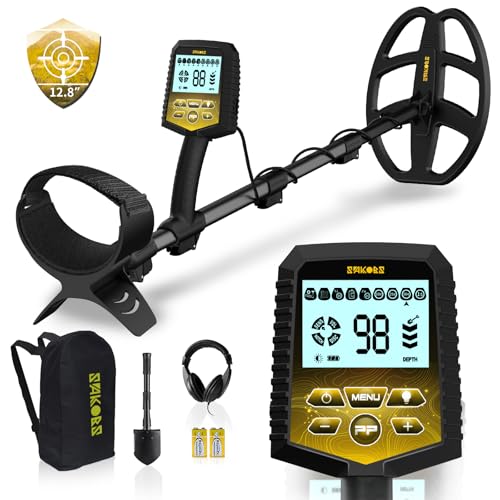
A good beginner detector is one that can tell treasure from trash, which rules out the sub-$100 toys. Spend a bit more and you get discrimination, target ID, and waterproofing that actually find things. Here are three real beginner detectors, from a simple waterproof entry to a buy-it-once multi-frequency machine.