
Best Binoculars for Birdwatching (2026): Why 8x42 Is the Sweet Spot
For birdwatching, one pair of numbers matters more than any brand: 8x42. That is 8x magnification (easy to hold steady, with a wide view to find birds) and a 42mm lens (bright enough for shade and dawn). Get that spec and you are most of the way there. Here are three good 8x42 binoculars, from a superb-value first pair to premium glass you grow into.
HobbyStack may earn a commission from links on this page at no extra cost to you. Our picks are chosen on merit; the commission helps fund the research.
- 8x42 is the ideal birding spec: 8x magnification is easy to hold steady with a wide field to find birds, and 42mm gathers plenty of light.
- The first number is magnification, the second is the lens diameter (how much light it lets in). Bigger magnification is not better.
- Higher magnification (10x, 12x) shakes more, has a narrower view, and is harder for a beginner to use well.
- The upgrades that matter: ED glass (less color fringing), better coatings (brighter), and waterproofing.
 Celestron Nature DX 8x42The best-value first pair$149Check price
 Our pickNikon Monarch M5 8x42The quality all-rounder most should buy$270Check price
 Nikon Monarch M7 8x42Premium glass you grow into$487Check price
Almost every experienced birder recommends 8x42 to beginners, and it is worth understanding why. Binoculars are described by two numbers, like 8x42: the first is magnification (how many times closer things appear) and the second is the diameter of the front lenses in millimeters (how much light they gather). 8x magnification is the sweet spot because it makes birds usefully bigger while staying easy to hold steady and giving a wide field of view, which is exactly what you need to find a small bird moving in a tree. The 42mm lenses gather enough light for shaded woods and early mornings without making the binoculars too heavy. It is the spec that just works.
Beginners often assume more magnification is better and reach for 10x or 12x. It is a trap: higher magnification amplifies every tremor in your hands, narrows the field of view so birds are harder to locate, and dims the image. Stick with 8x42. Once you have the right spec, the differences between binoculars come down to glass and coatings: ED (extra-low dispersion) glass reduces the color fringing around high-contrast edges, better prism and lens coatings make the view brighter and sharper, and waterproof, fogproof sealing keeps them working in the field. The three picks here are all 8x42; they climb that ladder of optical quality.
 Best budget binoculars
Celestron Nature DX 8x42
The pair that proves you do not need to spend a lot to see birds well. The Celestron Nature DX 8x42 has the right spec and punches far above its price: fully multi-coated lenses and phase-coated BaK-4 prisms give bright, sharp, true-to-life views, it focuses close for butterflies and nearby birds, and it is waterproof for the field. It is the pair countless birders start with and keep as a backup. If you want to find out whether birding is for you without overspending, this is the one.
What's good
- Ideal 8x42 spec at a great price
- Fully multi-coated, phase-coated BaK-4 prisms
- Close focus, waterproof body
- The classic first-pair recommendation
What's not
- No ED glass (slight color fringing)
- View not as bright as pricier glass
 Best for most beginners
Nikon Monarch M5 8x42
The pair that most birders should buy and be done. The Nikon Monarch M5 8x42 adds the upgrade that matters most: ED (extra-low dispersion) glass that noticeably reduces the color fringing you see on bright edges, plus dielectric high-reflective prism coatings for a bright, natural view in any light. It has a wide field of view, smooth focusing, and is fully waterproof and fogproof. The step up in image quality over a budget pair is obvious the moment you look through them. It is the no-overthinking pick.
What's good
- ED glass cuts color fringing
- Dielectric coatings, bright in low light
- Wide field of view, smooth focus
- Waterproof and fogproof
What's not
- Costs more than an entry pair
- Not quite the M7 glass
 Best to grow into
Nikon Monarch M7 8x42
The pair for someone who already knows they love birding and wants glass that delights. The Nikon Monarch M7 8x42 is the step up from the M5: a wider field of view (so you find and follow birds more easily), higher-grade optics for an even brighter, crisper image, and the same rugged waterproof, fogproof build. The difference over already-good binoculars is real, especially in the sharpness at the edges and the ease of finding birds. It is more than a first pair needs, but it is glass you will happily use for many years.
What's good
- Wider field of view than the M5
- Higher-grade optics, very bright and sharp
- Excellent edge sharpness
- Rugged waterproof, fogproof build
What's not
- Premium price for a beginner
- Gains are incremental over the M5
It is tempting to buy 10x or 12x binoculars thinking you will see more, but for birding it backfires: higher magnification shakes more in your hands, narrows the field of view so birds are harder to find, and darkens the image. 8x42 is the spec experienced birders recommend for a reason. Get the magnification right first, then spend any extra budget on better glass and coatings, not on more power.
Which to buy: want the ideal spec for the least to see if birding is for you? The Celestron Nature DX. Want the ED-glass quality that most birders settle on? The Nikon Monarch M5 is the easy pick. Already hooked and want premium glass with a wider view to grow into? The Nikon Monarch M7.
Before you buy
Buy 8x42 and do not be tempted by higher magnification. It is harder to hold steady and narrows your view.
Set the diopter (the adjustment on one eyepiece) once for your eyes, then just use the center focus wheel.
Use the neck strap or a harness. Binoculars are heavy on your neck over a long walk.
Learn to find the bird with your eyes first, then raise the binoculars to them without looking away.
Birdwatching binoculars questions
What do the numbers like 8x42 mean?
Why 8x and not 10x or higher?
What makes an expensive pair better than a cheap one?
What is ED glass?
Do I need waterproof binoculars?
Which pair should a beginner buy?
For most beginners the Nikon Monarch M5 8x42 is the pick: the ideal birding spec plus ED glass for a clearly better view, at a fair price. Want the right spec for the least? The Celestron Nature DX 8x42 is superb value. Already hooked and want premium glass with a wider view? The Nikon Monarch M7. Whatever you choose, buy 8x42, set the diopter once, and use a strap.
Ready to actually do it?
The first birdwatching quest takes an evening, and it tells you whether the gear was worth it better than any review can.
Start BirdwatchingThe HobbyStack editorial team researches each guide against manufacturer specifications, published resources and practitioner sources. Every product is checked for availability and described against its current listing before publication, and prices are re-checked when guides are updated.
About our editorial process →More gear guides
All guides
Best Beginner Metal Detector 2026: Nokta Simplex vs Minelab Vanquish
A good beginner detector is one that can tell treasure from trash, which rules out the sub-$100 toys. Spend a bit more and you get discrimination, target ID, and waterproofing that actually find things. Here are three real beginner detectors, from a simple waterproof entry to a buy-it-once multi-frequency machine.

Best Metal Detecting Headphones (2026): You Are Listening for a Whisper
The loud clear signals are usually modern rubbish near the surface. The find worth digging is often a faint, broken whisper at the edge of hearing, and whether you notice it depends almost entirely on whether wind, traffic and your own footsteps are competing with it.

Best Pinpointer (2026): The Tool That Turns a Ten-Minute Dig Into One
Your detector tells you something is within a foot or so. A pinpointer tells you it is right there, two inches down, on the left side of the hole. Without one you widen the plug, sieve the spoil by hand and eventually give up. It is the accessory that changes how the hobby feels more than any upgrade to the detector itself.
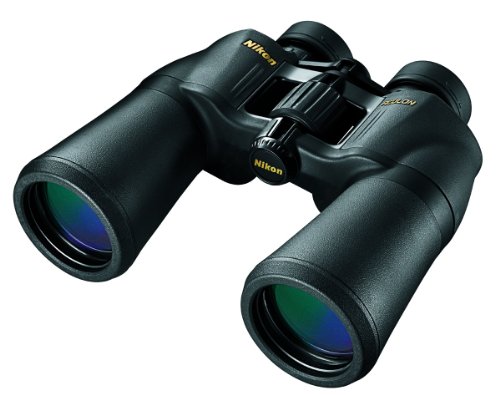
Best Binoculars for Stargazing 2026: Nikon Aculon vs Celestron Cometron vs SkyMaster
You don't need a telescope to start stargazing: for most beginners, a good pair of binoculars is the smarter first buy. Here are three honest picks for the night sky, from a forgiving budget pair to a deep-sky aperture monster, with the two numbers that actually decide which is right for you.
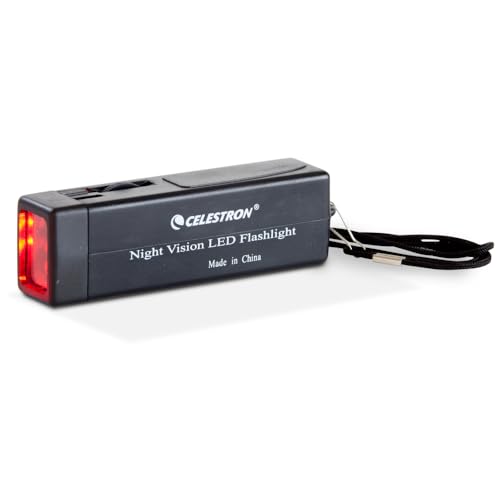
Best Red Light for Stargazing (2026): Protecting 30 Minutes of Night Vision
Dark adaptation takes about thirty minutes and one careless glance at a phone screen to undo. That is the entire argument for a red light: not that red is magic, but that your eyes recover from it far faster than from white. Almost every stargazing session that "was not very good" was actually a session where someone kept checking their phone.

Best Beginner Fishing Rod and Reel Combo 2026: Spinning Setups That Just Work
For your first setup, a matched spinning rod-and-reel combo is the right call: it's pre-balanced, forgiving to cast, and gets you fishing without choosing parts you don't understand yet. Here are three combos that punch above their price, from a near-indestructible classic to a saltwater-ready upgrade.