Best Bone Folder (2026): Real Bone Burnishes, Plastic Just Presses
A bone folder does two jobs that sound like one. It creases paper, which anything stiff can do, and it burnishes — polishing a fold so the fibres lie down and the crease becomes sharp and permanent. Real bone burnishes. Plastic mostly just presses, and on some papers it leaves a shine you cannot remove.
HobbyStack may earn a commission from links on this page at no extra cost to you. Our picks are chosen on merit; the commission helps fund the research.
- Score first with the point, then fold, then burnish along the crease.
- Real bone glides and polishes. Plastic can leave a shiny mark on coated paper.
- Always fold with the grain where you can. Against the grain cracks and buckles.
- Sand a new folder smooth. Factory edges can mark paper.
- Teflon folders exist and are the answer if you work with damp paper or paste.


Scoring, folding, burnishing
The sequence matters and most people skip a step.
Score. Run the point of the folder along a straightedge where the fold will go, with light pressure. This compresses the fibres in a line and gives the paper somewhere to break. On heavy card it is the difference between a crisp fold and a ragged one.
Fold. Bring the paper over and line the edges up before you press anything. Once pressed, a misaligned fold is permanent.
Burnish. Run the flat edge of the folder firmly along the closed crease, several passes, with the folder almost parallel to the paper. This is the step that makes a fold look professional: the fibres flatten and polish, and the crease stops wanting to spring back open.
Then the material question. Real bone is slightly porous, it warms in the hand, and it develops a very smooth polished surface with use. It slides over paper without grabbing and it burnishes rather than smearing. Plastic is harder and less forgiving — on coated and glossy stock it can leave a shiny burnished streak that is effectively a permanent mark.
Teflon folders are the third option and worth knowing about. They do not mark paper at all and they do not stick to wet paste, which makes them the right tool for damp work and for pressing down glued joints. They burnish less well than bone.
Paper grain, which decides whether the fold works
Paper has a grain direction, set when the fibres aligned on the machine. It matters more in bookbinding than in almost any other craft.
Find it by bending, not tearing. Bend the sheet gently in one direction and then the other. The direction that gives less resistance is with the grain. A tear test works too: a tear with the grain runs straight, a tear against it wanders.
Fold with the grain. Folding against the grain fights the fibres, cracks coated surfaces, and produces a fold that buckles into a ripple rather than lying flat. In a book it also means pages that will not sit properly and a spine that fights you.
Grain should run head to foot in a bound book, parallel to the spine. Every sheet, consistently. Mixed grain direction within a text block is why some handmade books never quite close.
Damp paper is a different animal. Moisture relaxes the fibres and lets you fold against the grain more safely, which is why conservators sometimes work slightly damp. It also means expansion and cockling as it dries, so it is a technique rather than a shortcut.
Sand a new folder. Factory bone and plastic both arrive with edges that can be surprisingly sharp at the point and faintly ridged along the flat. A few minutes with fine paper, then a polish on denim, gives you a tool that will not scar the work.
Keep it clean. Glue and paste on a folder transfers to the next sheet. Wipe it as you go.
 Best for burnishing properly
DEEDYGO Genuine Bone Folder Tool - 100% Cattle Bone
Genuine cattle bone at the price of a plastic one, which is the main reason to pick it: real bone slides over paper without grabbing and burnishes a crease rather than merely pressing it, and it will not leave the shiny streak plastic can leave on coated stock. Bone also warms in the hand and polishes smoother the more you use it. Expect to sand the edges and the point smooth before the first job.
What's good
- Real bone at a plastic-folder price
- Burnishes rather than just pressing
- Will not shine coated paper the way plastic can
- Polishes smoother with use
What's not
- Needs sanding and polishing before first use
- Bone can crack if dropped on a hard floor
- Shape and finish vary between pieces
- Sticks slightly to wet paste
 Best for rough work
Fiskars 157650-1001 Traditional Bone Folder, 6 Inch , White
Plastic rather than bone, and worth owning for exactly that reason: it will not crack when dropped, it costs nothing, and it is the one you reach for when scoring heavy card, working near glue, or doing anything you would not risk a real bone folder on. Six inches is a comfortable length. The limitation is real though, because on coated or glossy paper a plastic folder can leave a shiny burnished streak that does not come out.
What's good
- Will not crack when dropped
- Fine for heavy card and work near glue
- Six inches is a comfortable working length
- Fiskars quality control is consistent
What's not
- Can leave a permanent shine on coated paper
- Does not burnish as well as bone
- Harder edge is less forgiving
- Plastic grabs slightly on soft paper
 Best for most binders
Lineco Genuine Bone Folder 15cm, Bookbinding Tool for Scoring, Folding and Creasing Paper, Scrapbooking, Cards
Genuine bone from a bookbinding supplier rather than a general craft brand, which shows in a better-finished edge and a more consistent shape than bargain bone folders arrive with. Fifteen centimetres is the standard length for scoring, folding, creasing and working a joint down. Lineco make archival materials specifically, so it is a tool chosen for conservation work rather than adapted into it. It is still bone, so do not drop it.
What's good
- Better finished edge than bargain bone folders
- Consistent shape and thickness
- From a dedicated archival supplier
- 15 cm suits scoring and joint work alike
What's not
- Nearly twice the DEEDYGO for the same material
- Bone cracks on a hard floor
- Still wants a light polish before use
- Sticks to wet paste like all bone
New folders, bone and plastic alike, arrive with a point that can be sharp enough to cut and a flat edge with faint machining ridges. Either will scar paper. Work the edges and point with fine abrasive paper, going progressively finer, then polish on a scrap of denim or leather until it feels glassy. Ten minutes once, and the tool stops marking your work for the rest of its life.
Where else the folder earns its keep
Working a joint down. After gluing a case to a text block, the flat edge presses the joint into the hinge cleanly. This is most of what a folder does in actual binding.
Turning in edges. Folding cover material over the edge of a board and pressing it flat, especially at corners, is folder work.
Pressing out air. Smoothing paper onto a glued surface from the centre outward pushes bubbles out before they set.
Opening a new book safely. Flex the spine gently, taking a few pages from each side alternately, rather than cracking it open in the middle.
Not for cutting. A folder is not a knife and using the point to cut tears fibres and ruins the point.
Keep separate folders for clean and glue work. The clean one never touches paste, so it never transfers anything to a finished page. This is the single habit that most improves tidiness.
Store it flat and dry. Bone will warp slightly with heat and humidity, which matters on a tool whose whole job is being a straight smooth edge.
Before you buy
Real bone if you care about burnishing and coated paper.
Keep a plastic one as well for glue and rough work.
Consider a Teflon folder if you work damp or with paste.
Sand and polish any new folder before first use.
Find the paper grain and fold with it.
Bone folder questions
Is real bone actually better than plastic?
How do I find the grain direction of paper?
What is burnishing and why does it matter?
Should I get a Teflon folder instead?
The Lineco genuine bone folder is the one to buy: real bone from an archival supplier, better finished than bargain alternatives, and the right length for everything from scoring to working a joint. The DEEDYGO is remarkable value if you are happy to sand it yourself. Keep the plastic Fiskars alongside either for glue work and heavy card. Sand whichever you buy before it touches good paper.
Ready to actually do it?
The first book restoration quest takes an evening, and it tells you whether the gear was worth it better than any review can.
Start Book RestorationThe HobbyStack editorial team researches each guide using practitioner communities, published resources, and direct input from active hobbyists. Every guide is reviewed for accuracy before publication and updated when practices change.
About our editorial process →More gear guides
All guides
Best Archival Brushes (2026): Soft, Dry, and Always Away From the Spine
The first rule of cleaning a book is that you almost never use water. Surface dirt comes off dry, with a soft wide brush and patience, and anything wet risks tidelines, cockling and lifting the very ink you were trying to save. The brush is the tool that does most of the real work.

Best Book Repair Adhesive (2026): Why PVA and Not the Glue in the Drawer
Paper is destroyed by acid. That is the single fact that governs every material decision in book repair, and it is why the glue in the kitchen drawer is not a cheaper version of the right glue — it is a slow way to damage the thing you are trying to save. The damage takes years to appear, which is exactly what makes it easy to do.

Best Bookbinding Kit for Beginners (2026): With vs Without a Book Press
Hand bookbinding needs four tools and a press, not a workshop. A good starter kit gives you all of them, matched and sized to work together, plus instructions. Here is what to buy at $20 to $50, and why the press matters more than beginners expect.
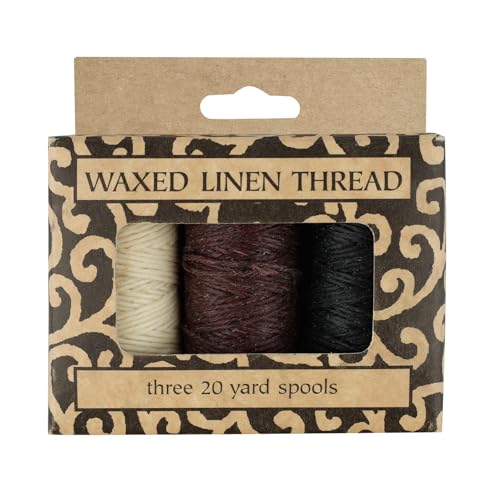
Best Bookbinding Thread (2026): Waxed Linen and Why Ply Matters
A book is held together by thread under tension for decades, and the thread is the one component you cannot inspect or replace once the text block is sewn. Linen is the traditional choice for reasons that are mechanical rather than sentimental, and the wax on it is doing three jobs at once.
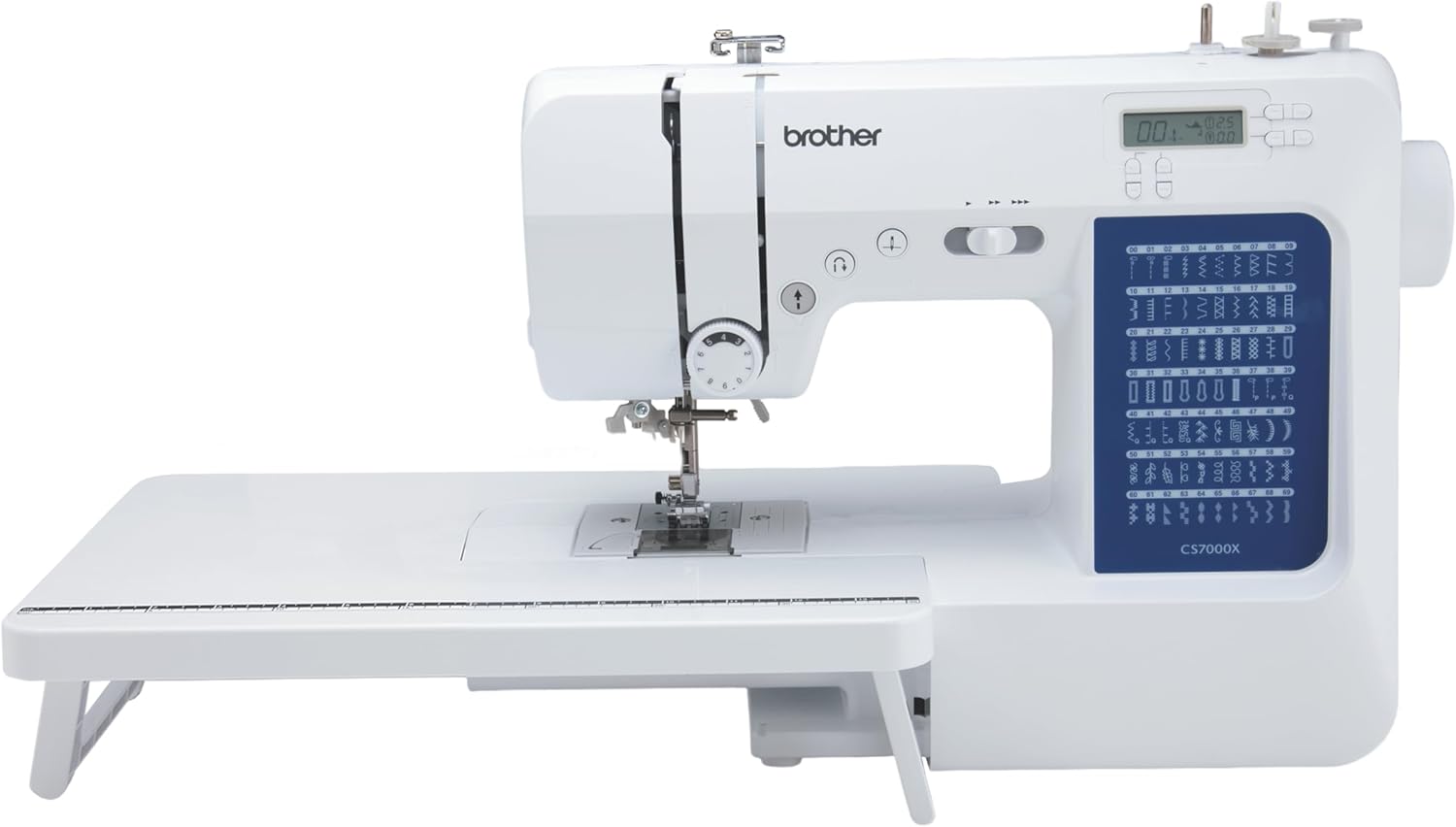
Best Beginner Sewing Machine 2026: Brother vs Janome vs Singer
The first sewing machine is the difference between sewing as a satisfying hobby and sewing as the thing you tried for a month. Here's how to pick a beginner machine that actually works, plus the brands and models to skip.

Best Fabric Marking Tools (2026): Marks That Come Out Again
Every marking tool is a trade between two failure modes: a mark that disappears before you have sewn it, and a mark that will not come out afterwards. There is no tool that avoids both on every fabric, which is why experienced sewers own several and always test on a scrap first. The one that ruins a garment is usually the one nobody tested.