Best Book Repair Adhesive (2026): Why PVA and Not the Glue in the Drawer
Paper is destroyed by acid. That is the single fact that governs every material decision in book repair, and it is why the glue in the kitchen drawer is not a cheaper version of the right glue — it is a slow way to damage the thing you are trying to save. The damage takes years to appear, which is exactly what makes it easy to do.
HobbyStack may earn a commission from links on this page at no extra cost to you. Our picks are chosen on merit; the commission helps fund the research.
- Use pH-neutral archival PVA. Ordinary craft glue is acidic and yellows and embrittles paper over years.
- Reversible matters: a good repair can be undone by a future conservator without damaging the book.
- Never use tape. Pressure-sensitive tape is the single most common cause of permanent damage to books.
- PVA stays slightly flexible when dry, which is what a spine needs. Rigid glue cracks.
- Buy small. Adhesive has a shelf life and a large bottle usually goes off before you finish it.
 Elmer's Glue-AllPractice on scrap only$3Check price
 Our pickLineco Archival PVA (4 oz, 2 pack)Most repairs$15Check price
 Lineco Archival PVA (8 oz, 2 pack)Regular work$19Check price
Acid, and why it is the whole problem
Paper made after about 1850 usually contains residual acid from its manufacture, and acid catalyses the breakdown of cellulose. That is why old paperbacks go brown and brittle at the edges while a much older rag-paper book stays supple.
Adding more acid accelerates it. An acidic adhesive on a repair does not merely fail to help — it creates a brown, brittle line along exactly the place you glued, and that line appears years later when the repair looks fine today.
pH neutral adhesives avoid contributing to this. Some are buffered slightly alkaline to give a reserve against acid migrating in from the paper itself.
This is also why tape is so damaging. Pressure-sensitive tape carries acidic adhesive that migrates into the paper and stains it permanently, and the carrier eventually falls off leaving the stain behind. Removing old tape is one of the most common and most difficult jobs in book conservation.
Reversibility, and why conservators insist on it
The governing principle in conservation is that your repair should be undoable. Materials degrade, techniques improve, and the person who opens this book in fifty years should be able to remove what you did without taking the book with it.
Archival PVA is designed with this in mind — it can be softened and released with moisture and patience, so a future repair is possible.
The adhesives that are not reversible are the ones that feel most convenient: superglue, epoxy, hot glue and tape. All of them create a permanent, often visible bond that cannot be undone without tearing fibre.
One practical consequence for a beginner: if you are unsure whether a repair is right, reversibility means being wrong is recoverable. That is worth far more than a slightly stronger bond.
 Practice only
ELMERS E1324 Elmer's Glue-All Multi-Purpose Liquid Glue
General-purpose white PVA, and it is listed here mainly to be clear about what it is for: practising technique on scrap paper and on books that have no value to anyone. It behaves broadly like archival PVA — similar working time, similar flexibility — so it is a reasonable way to learn how much to apply and how to work quickly without wasting the good stuff. What it is not is archival. It is not pH neutral, so over years it will contribute to exactly the browning and embrittlement you are trying to reverse, and it is not formulated for reversibility. Never put it on a book you care about, however minor the repair seems.
What's good
- Very cheap for practising technique
- Handles similarly to archival PVA
- Widely available
- Fine on scrap and worthless books
What's not
- Not pH neutral — will yellow and embrittle paper
- Not formulated to be reversible
- No place on a book of any value
- Damage appears years later, not now
 Best for most repairs
Lineco Archival Ph Neutral PVA Adhesive
The standard archival adhesive in book conservation, and the right default for anything you actually care about. pH neutral so it does not contribute acid to paper that is already fighting it, and formulated to stay reversible — a future conservator can release the repair with moisture and patience rather than tearing fibre. It dries clear and stays slightly flexible, which matters enormously on a spine that has to bend every time the book opens; rigid adhesives crack there within a year. Two four-ounce bottles is the sensible quantity: enough for a great many repairs, small enough that you finish a bottle before it goes off, since adhesive does have a shelf life.
What's good
- pH neutral — safe on ageing paper
- Reversible, so mistakes are recoverable
- Dries clear and stays flexible
- Sensible bottle size for shelf life
What's not
- Five times the price of craft glue
- Shorter working time than wheat paste
- Still has a shelf life once opened
- Not suitable for very delicate leather
 Best if you repair regularly
Lineco Archival Ph Neutral PVA Adhesive
The identical adhesive in larger bottles, and the honest framing is that this is a quantity decision rather than a quality upgrade — there is nothing here the smaller bottles do not do. It makes sense once you are repairing books often enough to finish eight ounces before it degrades, at which point the cost per repair drops noticeably. If you are fixing one family bible or a handful of paperbacks, it does not: adhesive has a shelf life, and a part-used bottle thickening in a cupboard is money you spent on glue you will throw away. Buy the size you will actually use within a year, and buy fresh rather than big.
What's good
- Same archival adhesive, better value per ounce
- Sensible once you repair regularly
- Fewer reorders
- Dries clear and flexible like the smaller size
What's not
- No quality difference at all
- Shelf life means waste if you repair occasionally
- Large bottles are less convenient to work from
- Thickens once opened
Pressure-sensitive tape is the most common cause of permanent damage to books. Its adhesive migrates into the paper and leaves a brown stain that cannot be removed, and the carrier falls off within a few years leaving the stain behind. Removing old tape is one of the hardest jobs in conservation. If a page is torn, use archival repair tissue and paste — not tape from a drawer.
PVA, paste and where each belongs
PVA is strong, fast and stays flexible. It is the adhesive for spines, hinges and anything that must bend repeatedly. Its drawback is a short working time — once it starts to grab, repositioning is difficult.
Wheat starch paste is the traditional conservation adhesive. It is weaker, far slower to set, and completely reversible with water. That slowness is a feature: you can slide a fragile piece of paper into exact position before it grabs, which is why it is used for mending tears and lining paper.
Many conservators use a mix of the two, taking some of PVA's strength and some of paste's working time.
As a beginner: PVA for structure, paste for paper. If you are only buying one, buy PVA — the structural repairs are the ones a beginner is most likely to attempt.
Before you buy
Buy pH neutral and archival. Ordinary craft glue damages paper over years.
Buy small. Adhesive has a shelf life and thickens once opened.
Practise on a worthless book before touching one you care about.
Apply thinly. Too much glue is the most common beginner mistake.
Never use tape, superglue or hot glue on a book of any value.
Book repair adhesive questions
Can I use normal PVA glue to repair a book?
What does "reversible" mean in book repair?
Why is tape so bad for books?
PVA or wheat starch paste?
Buy archival pH-neutral PVA and nothing else near a book you value. The Lineco 4 oz twin pack is the right purchase for almost everyone — enough for many repairs, small enough to finish before it degrades. Step up to the 8 oz size only if you repair often, since it is the same adhesive and shelf life is the real constraint. Keep craft glue for practice on worthless books, and never let tape near anything you want to keep.
Ready to actually do it?
The first book restoration quest takes an evening, and it tells you whether the gear was worth it better than any review can.
Start Book RestorationThe HobbyStack editorial team researches each guide against manufacturer specifications, published resources and practitioner sources. Every product is checked for availability and described against its current listing before publication, and prices are re-checked when guides are updated.
About our editorial process →More gear guides
All guides
Best Archival Brushes (2026): Soft, Dry, and Always Away From the Spine
The first rule of cleaning a book is that you almost never use water. Surface dirt comes off dry, with a soft wide brush and patience, and anything wet risks tidelines, cockling and lifting the very ink you were trying to save. The brush is the tool that does most of the real work.

Best Bone Folder (2026): Real Bone Burnishes, Plastic Just Presses
A bone folder does two jobs that sound like one. It creases paper, which anything stiff can do, and it burnishes — polishing a fold so the fibres lie down and the crease becomes sharp and permanent. Real bone burnishes. Plastic mostly just presses, and on some papers it leaves a shine you cannot remove.

Best Bookbinding Kit for Beginners (2026): With vs Without a Book Press
Hand bookbinding needs four tools and a press, not a workshop. A good starter kit gives you all of them, matched and sized to work together, plus instructions. Here is what to buy at $20 to $50, and why the press matters more than beginners expect.
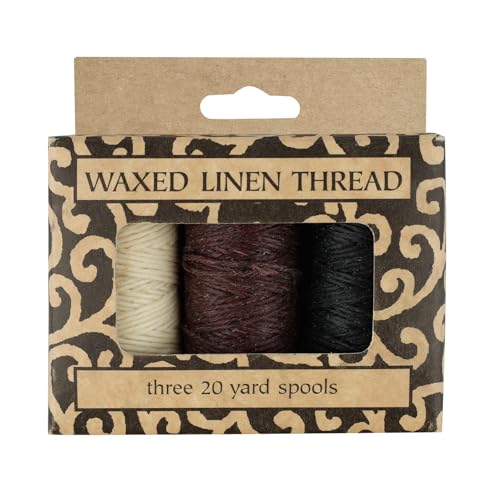
Best Bookbinding Thread (2026): Waxed Linen and Why Ply Matters
A book is held together by thread under tension for decades, and the thread is the one component you cannot inspect or replace once the text block is sewn. Linen is the traditional choice for reasons that are mechanical rather than sentimental, and the wax on it is doing three jobs at once.
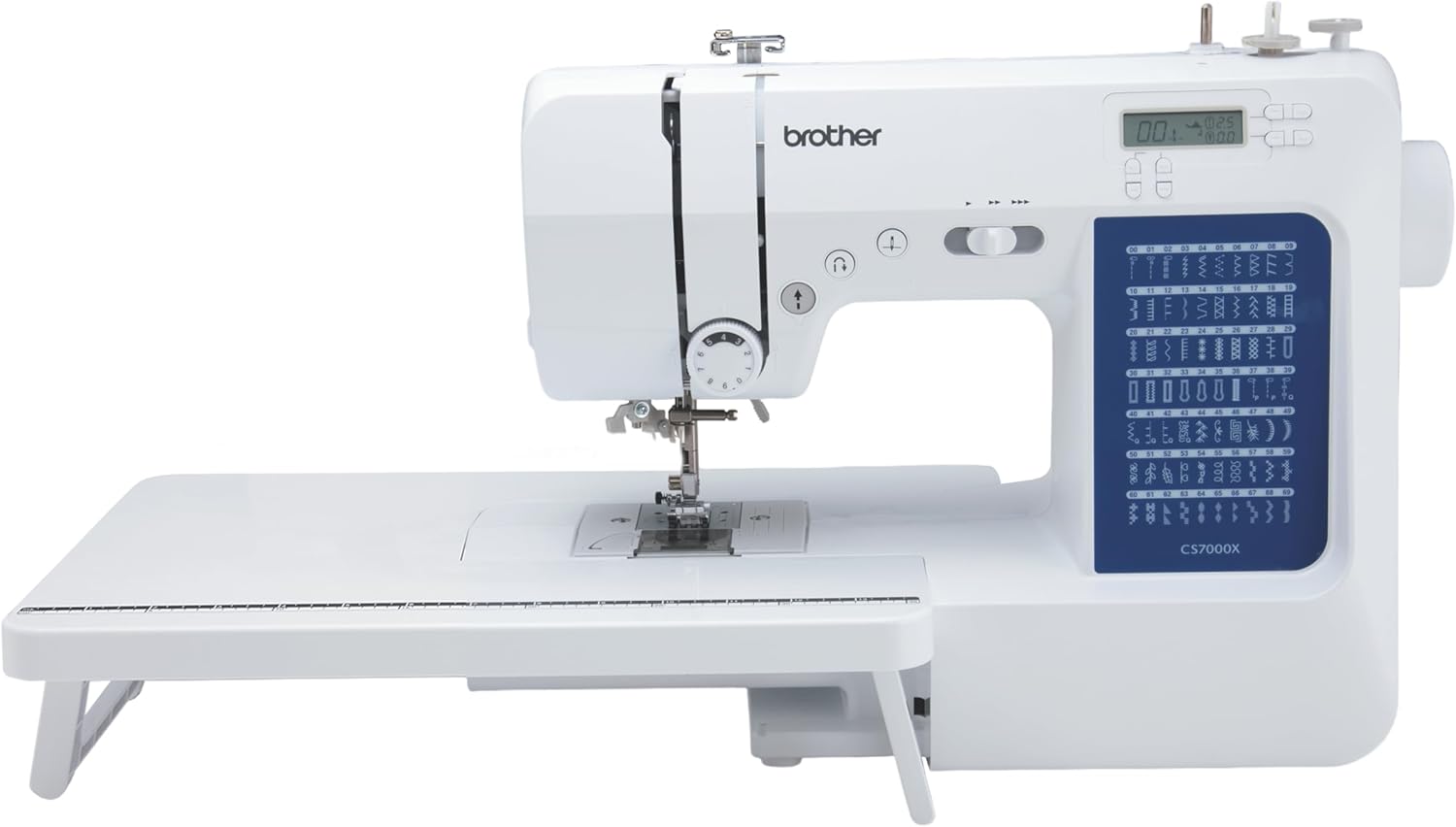
Best Beginner Sewing Machine 2026: Brother vs Janome vs Singer
The first sewing machine is the difference between sewing as a satisfying hobby and sewing as the thing you tried for a month. Here's how to pick a beginner machine that actually works, plus the brands and models to skip.

Best Fabric Marking Tools (2026): Marks That Come Out Again
Every marking tool is a trade between two failure modes: a mark that disappears before you have sewn it, and a mark that will not come out afterwards. There is no tool that avoids both on every fabric, which is why experienced sewers own several and always test on a scrap first. The one that ruins a garment is usually the one nobody tested.