Best Archival Brushes (2026): Soft, Dry, and Always Away From the Spine
The first rule of cleaning a book is that you almost never use water. Surface dirt comes off dry, with a soft wide brush and patience, and anything wet risks tidelines, cockling and lifting the very ink you were trying to save. The brush is the tool that does most of the real work.
HobbyStack may earn a commission from links on this page at no extra cost to you. Our picks are chosen on merit; the commission helps fund the research.
- Dry cleaning first, always. Water is a last resort and often not one at all.
- Brush away from the spine and off the edge, never into the gutter.
- Soft natural hair. Synthetic bristles are stiffer than they look and scratch.
- Wide flat hake brushes move dust without pressure. Pressure grinds it in.
- Test on an inconspicuous corner before touching anything you care about.
 Yasutomo hake 1 inDusting$5Check price
 Our pickWinsor & Newton hake 1 inMost work$15Check price
 Princeton Neptune 4 pcDetail and damp work$41Check price
Dry cleaning, and why water is the enemy
Paper is a mat of fibres held together by sizing. Introduce water and several things happen at once: the fibres swell and the sheet cockles, the sizing softens, water-soluble inks and dyes can move, and as it dries the water carries dissolved dirt to the edge of the damp area and leaves a hard brown tideline that is far more obvious than the dirt you started with.
So the sequence in conservation is always dry first, and often dry only.
A soft wide brush lifts loose surface dust and grit off a page without pressing it into the fibres. This sounds trivial and it is most of the job: the majority of what makes an old book look grubby is loose particulate sitting on the surface.
The direction matters. Brush away from the spine and off the outer edge, so dust leaves the book rather than collecting in the gutter where you cannot reach it. Working inward packs dirt into the fold permanently.
No pressure. Grit under a bristle becomes an abrasive. The brush should barely bend.
Work over a clean surface you can wipe down between books, or you will simply move the dirt from one to another.
Then, if dry cleaning is not enough, the next steps are still not water: a smoke sponge for soot, or a document cleaning pad for ingrained surface grime, both used gently and both tested first.
Hair, shape and testing before you touch anything
Soft natural hair is the standard because it moves dust with almost no stiffness. Goat, sheep and squirrel are the usual choices, and hake brushes — wide, flat, soft, traditionally Japanese — are the archetype for exactly this work.
Synthetic is not automatically worse but it is usually stiffer. Cheap synthetic bristles have blunt cut ends that scratch, where natural hair tapers to a fine point. Good synthetics like the squirrel imitations in the Princeton set are soft enough for the job and hold their shape better when damp.
Shape follows task.
- Wide flat for pages, boards and covers. Covers ground fast with no pressure.
- Round soft for detail, gutters, and the recesses of tooled or embossed bindings.
- Very small for lifting debris out of a tear before you repair it.
Watch the ferrule. A metal ferrule can scratch a cover if you let it touch. Some conservation brushes use no metal at all for this reason.
Then testing, which is not optional. Before any technique touches an item you care about, try it on an inconspicuous corner: the back of a rear board, the bottom edge, an area already damaged. Look for ink moving, surface lifting, or colour on the brush.
Know when to stop. Conservation ethics prioritise stability over appearance. An intact but grubby page is worth more than a clean one you damaged, and irreversible interventions are the ones to avoid. If a book is genuinely valuable, the right move is a professional conservator, not a better brush.
 Best for dusting
Yasutomo Hake Flat Wash Brush
A wide flat hake in soft sheep hair, which is exactly the traditional tool for moving dust off paper without pressing it in. At an inch across it covers a page in a few passes and the hair is soft enough that it barely bends under its own weight, which is the point. It costs almost nothing, so you can keep several and retire one the moment it picks up something you would rather not spread around.
What's good
- Soft sheep hair moves dust with no pressure
- Wide enough to cover a page quickly
- Cheap enough to own several and retire freely
- The traditional shape for this exact job
What's not
- Metal ferrule can mark a cover if it touches
- Sheds a few hairs when new
- Only one shape, so no detail work
- Basic handle finish
 Best for most work
Winsor & Newton Hake Wide Flat Wood Handle Brush-1", 1", White
The same wide flat hake shape from a maker whose quality control you can rely on, which matters more than it sounds because a brush that sheds hairs onto a page you are cleaning is worse than no brush. The wood handle keeps metal away from the surfaces you are working on. It is soft enough for dry dusting and holds enough shape to be useful damp on a repair. One shape, so it is not a complete kit.
What's good
- Consistent quality, so it does not shed onto the page
- Wood handle keeps metal away from covers
- Soft enough for dusting, firm enough for repairs
- A brand with reliable, repeatable stock
What's not
- Three times the Yasutomo for the same shape
- Only one brush, not a set
- No small or round option for detail
- Wide flat is wrong for gutters and tooling
 Best for detail and damp work
Princeton Artist Brush Neptune Series 4750
Four synthetic squirrel brushes, and the reason to have a set rather than one brush is that gutters, tooled bindings and the recesses of an embossed cover need shapes a wide flat cannot reach. Synthetic squirrel is soft enough not to scratch while holding its shape far better than natural hair when damp, which matters if you are applying paste for a repair rather than only dusting. More brush than pure dry cleaning needs.
What's good
- Four shapes reach gutters and tooled recesses
- Holds shape when damp, unlike natural hair
- Soft enough not to scratch a surface
- Suits paste application as well as dusting
What's not
- Synthetic, so slightly stiffer than natural squirrel
- Over eight times the Yasutomo
- More than dry cleaning alone requires
- Watercolour set rather than a conservation set
Cleaning is not reversible. A tideline, a lifted ink, a scratched gilt edge or a page abraded by grit under a bristle cannot be undone, and an amateur repair can reduce the value of a book far more than the dirt ever did. Practise on charity-shop paperbacks until the techniques are second nature. For anything with real monetary, historical or sentimental value, a professional assessment costs far less than the damage.
Beyond the brush
Handle books properly. Support the spine, do not open a tight binding flat, and never pull a book off a shelf by the headcap, which is the commonest way spines are torn.
Wash and dry your hands rather than wearing cotton gloves. Gloves reduce dexterity, snag on fragile paper and stop you feeling how a page is behaving. Clean dry hands are the conservation standard for most paper.
Store books upright and supported, or flat if oversized. Leaning puts a permanent lean into the boards.
Control the environment, since it does more than any cleaning. Stable moderate humidity, away from direct sun, and off exterior walls. Damp brings mould; dry brittleness cracks leather and paper alike.
Isolate anything mouldy immediately. Mould spreads through a shelf, and active mould is a health risk. Bag it, keep it away from everything else, and get advice before treating it.
Do not use household products. Sellotape, PVA craft glue, wood polish and leather cream all cause harm that is difficult or impossible to reverse. Book repair adhesives are chosen to be removable later, which is the whole point.
Document what you do. A note of what was done and when is standard conservation practice and it matters to whoever handles the book next.
Before you buy
Soft natural hair, or a genuinely soft synthetic. Stiff bristles scratch.
Wide flat for pages, a small round for gutters and tooling.
Check the ferrule cannot touch the surface you are cleaning.
Keep separate brushes for dry cleaning and for paste.
Practise on worthless books before touching anything you value.
Archival brush questions
Why should I not clean books with water?
Which direction should I brush a page?
Are natural or synthetic bristles better?
Should I wear gloves handling old books?
The Winsor and Newton hake is the sensible buy: the right wide flat shape, a wood handle that keeps metal away from covers, and consistent enough quality that it will not shed hairs onto the page you are cleaning. The Yasutomo does the same job for a third of the price and is worth having spares of. Add the Princeton set when you start doing repairs and need shapes that reach a gutter.
Ready to actually do it?
The first book restoration quest takes an evening, and it tells you whether the gear was worth it better than any review can.
Start Book RestorationThe HobbyStack editorial team researches each guide against manufacturer specifications, published resources and practitioner sources. Every product is checked for availability and described against its current listing before publication, and prices are re-checked when guides are updated.
About our editorial process →More gear guides
All guides
Best Bone Folder (2026): Real Bone Burnishes, Plastic Just Presses
A bone folder does two jobs that sound like one. It creases paper, which anything stiff can do, and it burnishes — polishing a fold so the fibres lie down and the crease becomes sharp and permanent. Real bone burnishes. Plastic mostly just presses, and on some papers it leaves a shine you cannot remove.

Best Book Repair Adhesive (2026): Why PVA and Not the Glue in the Drawer
Paper is destroyed by acid. That is the single fact that governs every material decision in book repair, and it is why the glue in the kitchen drawer is not a cheaper version of the right glue — it is a slow way to damage the thing you are trying to save. The damage takes years to appear, which is exactly what makes it easy to do.

Best Bookbinding Kit for Beginners (2026): With vs Without a Book Press
Hand bookbinding needs four tools and a press, not a workshop. A good starter kit gives you all of them, matched and sized to work together, plus instructions. Here is what to buy at $20 to $50, and why the press matters more than beginners expect.
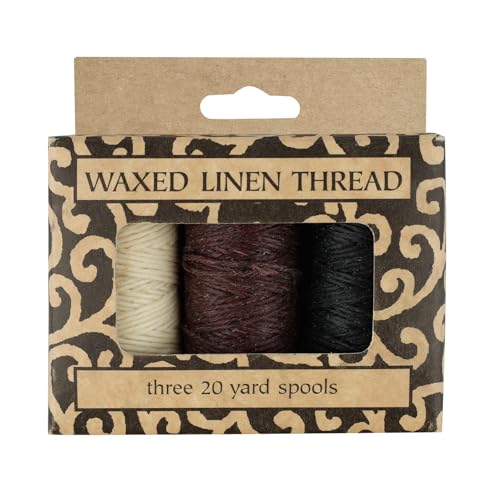
Best Bookbinding Thread (2026): Waxed Linen and Why Ply Matters
A book is held together by thread under tension for decades, and the thread is the one component you cannot inspect or replace once the text block is sewn. Linen is the traditional choice for reasons that are mechanical rather than sentimental, and the wax on it is doing three jobs at once.
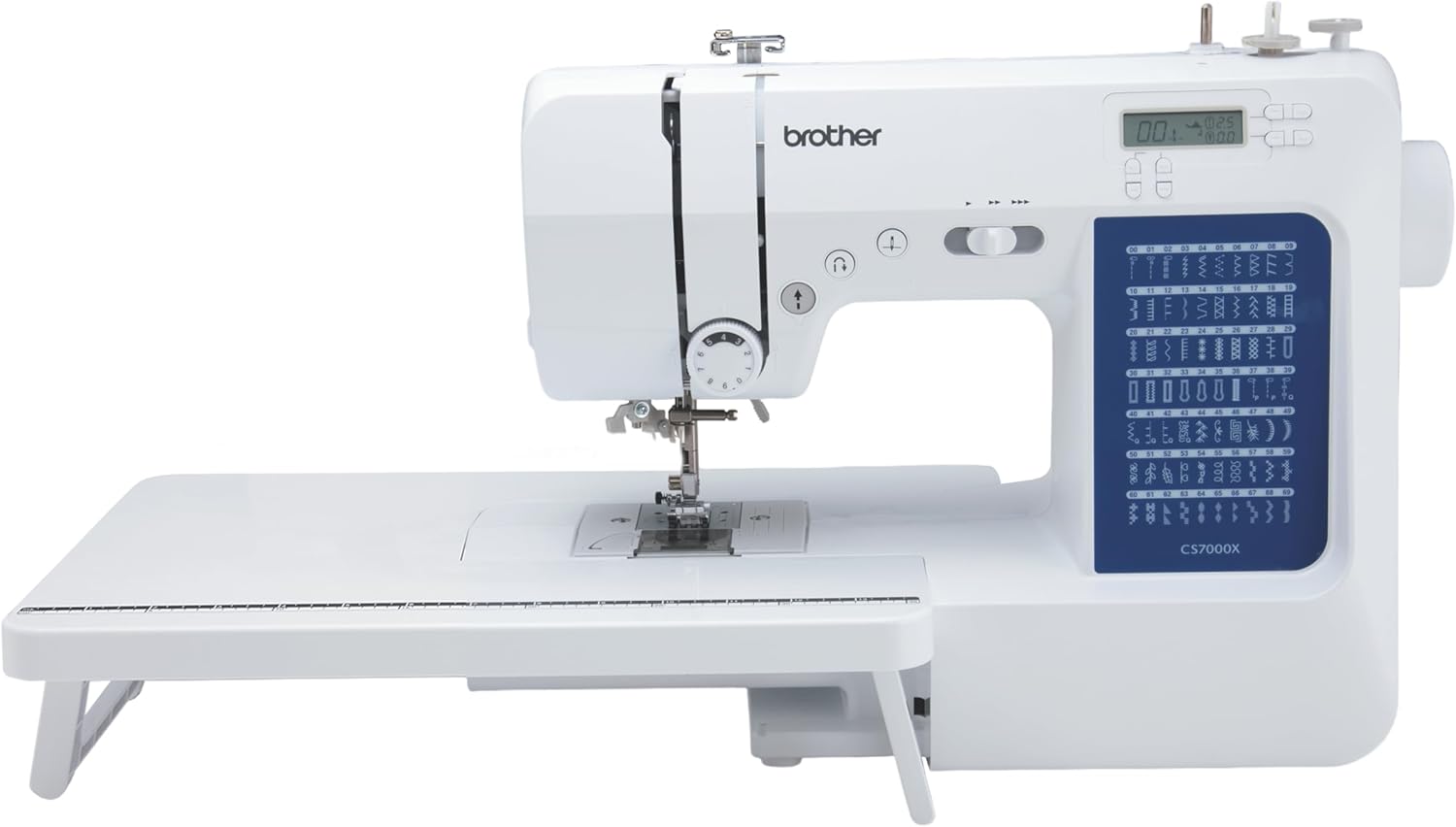
Best Beginner Sewing Machine 2026: Brother vs Janome vs Singer
The first sewing machine is the difference between sewing as a satisfying hobby and sewing as the thing you tried for a month. Here's how to pick a beginner machine that actually works, plus the brands and models to skip.

Best Fabric Marking Tools (2026): Marks That Come Out Again
Every marking tool is a trade between two failure modes: a mark that disappears before you have sewn it, and a mark that will not come out afterwards. There is no tool that avoids both on every fabric, which is why experienced sewers own several and always test on a scrap first. The one that ruins a garment is usually the one nobody tested.