Best Bookbinding Kit for Beginners (2026): With vs Without a Book Press
Hand bookbinding needs four tools and a press, not a workshop. A good starter kit gives you all of them, matched and sized to work together, plus instructions. Here is what to buy at $20 to $50, and why the press matters more than beginners expect.
HobbyStack may earn a commission from links on this page at no extra cost to you. Our picks are chosen on merit; the commission helps fund the research.
- Buy a kit, not separate tools, for your first books. A good starter kit gives you matched, correctly-sized tools (awl, bone folder, needles, waxed thread) plus instructions, for less than buying them one at a time, and nothing missing on your first evening.
- Our pick: the HEJIN Bookbinding Kit with Book Press (~$33). It includes the one tool that separates a homemade-looking book from a real one: a press. Pressed spines and flat text blocks look professional. You also get the bone folder, awl, needles, and waxed thread, the full working set.
- Cheapest complete start: the 34-Piece Beginner Kit (~$20). Needles, waxed thread, a bone folder, an awl, and the basics in one box with instructions. No press (you improvise with heavy books), but genuinely everything you need to sew and fold a first journal.
- Buy-once: the 152-Piece Kit with Bamboo Book Press (~$50). A larger press that fits bigger books, a deep tool set, and enough thread, needles, and materials to make many books before you restock. More than a first book needs, but it carries you well past the beginner stage.
- Skip: buying a heavy-duty guillotine, a sewing frame, or leather and gold tooling as a beginner. Those are for later, specific techniques. Your first ten books need paper, thread, four hand tools, and a press.
 Our pickHEJIN Bookbinding Kit with Book PressBest for most beginners$31Check price
 34-Piece Bookbinding Kit for BeginnersCheapest complete kit$16Check price
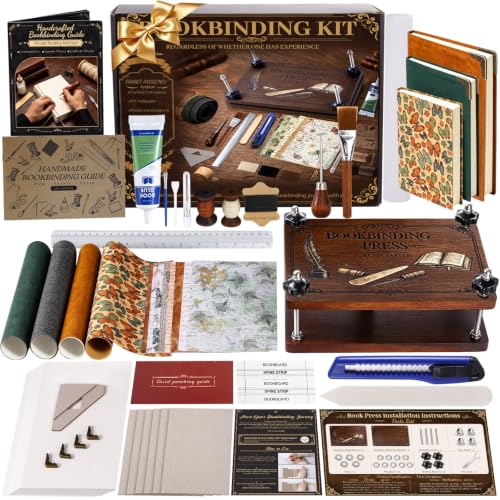 152-Piece Bookbinding Kit with Bamboo Book PressThe buy-once, keep-binding kit$50Check price
What is actually in the kit, and why each tool matters
Bookbinding looks like it needs a workshop. It does not. Hand bookbinding comes down to folding paper accurately, piercing holes in a straight line, sewing the folded sections together, and pressing the result flat. That is four tools, and a good starter kit gives you all of them, sized and matched, so you are not guessing which needle or thread to buy:
- The bone folder. A flat, smooth tool for creasing folds crisp and flat and for smoothing down glued paper without wrinkles. It is the tool you will use most, and a sharp, flat fold is the single biggest thing that makes a handmade book look intentional rather than rough. (Modern 'bone' folders are often Teflon or plastic, which work just as well and will not mark paper.)
- The awl. A sharp point for piercing the sewing holes through the folded sections. Even, straight holes are what make the sewing neat and the spine flat, so a real awl (rather than stabbing with a needle) matters more than it looks.
- Needles and waxed linen thread. Bookbinding is sewn, not stapled. Waxed linen thread grips itself so the sewing stays tight and does not slip, and the blunt-ish bookbinding needles pass through the pierced holes without splitting the paper. Getting these matched to each other is exactly why a kit beats buying at random.
- The press. This is the tool beginners underrate and then wish they had bought first. Clamping the sewn book while the spine sets, and pressing the finished text block flat, is what gives a book that crisp, professional, does-not-fan-open look. You can improvise with a stack of heavy books, and the budget kit assumes you will, but a real press is the upgrade that most changes how your books turn out.
The reason to start with a kit rather than a shopping list is simple: everything is matched and present. Thread that suits the needles, an awl that makes holes the needle actually fits, a bone folder that will not mark your paper, and printed instructions to follow for your first binding. You learn the craft instead of debugging your supplies. Once you know which bindings you love (a simple pamphlet stitch, a decorative Coptic stitch that lets the book lie flat, or a hardcover case binding), you branch out and buy better individual tools. The kit is the on-ramp.
 Best for most beginners
HEJIN Bookbinding Kit with Book Press
The HEJIN Bookbinding Kit is the one to get because it includes a book press, and the press is what most changes how your finished books look. A sewn book needs to be clamped while the spine sets and pressed flat when it is done, otherwise the pages fan and the spine looks lumpy; with a press, your very first books come out crisp and flat and genuinely professional. Alongside the press you get the full working set: a bone folder for sharp folds, an awl for even sewing holes, bookbinding needles, and waxed thread that holds the stitching tight. It is the kit that lets a beginner make a book they are actually proud to give away, rather than one that looks like a first attempt. For the small step up in price over a press-less kit, it is the obvious pick.
What's good
- Includes a book press, the tool that makes books look professional
- Complete matched set: bone folder, awl, needles, and waxed thread
- Your first books come out flat and crisp, not homemade-looking
- Everything present and sized to work together, with instructions
- The best balance of price and results for a beginner
What's not
- The included press suits smaller books; large formats want the bigger kit
- Kit-grade tools; you may upgrade the bone folder or awl eventually
- More than the bare-bones kit, though the press is worth it
 Cheapest complete kit
34-Piece Bookbinding Kit for Beginners
The 34-Piece Beginner Kit is the least you can spend and still have genuinely everything you need to bind a first book. It brings together the core tools (needles, waxed thread, a bone folder, and an awl) plus assorted materials and instructions in one box, so there is nothing to figure out or shop for on your first evening. The one thing it leaves out is a press, and that is the honest trade-off: without one you press books flat under a stack of heavy books, which works, just less conveniently and a little less crisply than a real press. For someone testing whether bookbinding clicks before spending more, this is the right low-risk start.
What's good
- Everything needed to sew and fold a first journal, for about $20
- Core tools and materials matched and boxed with instructions
- Low-risk way to find out if the craft is for you
- Leaves room to add a proper press later if you continue
What's not
- No press; you improvise with a stack of heavy books
- Tools are basic and you will likely upgrade the ones you use most
- Fewer spare materials, so you restock sooner
 The buy-once, keep-binding kit
152-Piece Bookbinding Kit with Bamboo Book Press
The 152-Piece Kit with Bamboo Book Press is for someone who already suspects they will keep binding. The larger bamboo press fits bigger books than the standard beginner press, the tool selection is deeper, and there is enough thread, needles, and material to make many books before you need to restock anything. It is more than a first book strictly requires, and the value only makes sense if you plan to bind regularly, but it removes the two friction points beginners hit fastest: running out of materials mid-project, and outgrowing a small press the moment you want to make something larger than a pocket journal. A comfortable, well-stocked start that lasts.
What's good
- Larger bamboo press handles bigger book formats, not just small journals
- Deep tool set and plenty of thread, needles, and materials included
- Enough supplies to make many books before restocking
- Removes the 'ran out mid-project' and 'press too small' frustrations
What's not
- Around $50, only worth it if you plan to bind regularly
- Overkill for a single first book; much of it sits unused early
- Still kit-grade tools; a serious binder eventually buys specialist ones
If you take one thing from this guide: pressing matters more than beginners expect. Clamping the book while the spine sets and pressing the finished text block flat is what gives a handmade book that crisp, professional look instead of a spongy, fanning one. A kit with a press (our recommended and premium picks) makes this easy. If you start with the press-less budget kit, do not skip the step: stack the book under the heaviest books you own overnight. Either way, press your work.
Your first binding, done right
Start with a pamphlet stitch. A single folded section sewn with three or five holes is the simplest real binding, and you can make one in an evening. Master it before moving to Coptic or case binding.
Fold with the grain. Paper folds crisply and lies flat along its grain direction and fights you across it. Test by gently bending a sheet both ways; it curves more easily with the grain. Fold that way.
Pierce holes with a template. Mark and pierce your sewing holes through a folded paper template so every section lines up. Even holes are what make the spine flat and the sewing neat.
Keep even thread tension. Sew snug but do not yank; too loose and the pages gap, too tight and the spine puckers. Waxed thread helps hold whatever tension you set.
Press at every stage. Press the folded sections before sewing, and press the whole book after. This one habit does more for a professional finish than any single tool.
Common questions about bookbinding kits
Should I buy a kit or separate tools?
Do I really need a book press?
What is the bone folder for?
What can I make as a beginner?
What should I not buy yet?
Ready to actually do it?
The first bookbinding quest takes an evening, and it tells you whether the gear was worth it better than any review can.
Start BookbindingThe HobbyStack editorial team researches each guide against manufacturer specifications, published resources and practitioner sources. Every product is checked for availability and described against its current listing before publication, and prices are re-checked when guides are updated.
About our editorial process →More gear guides
All guides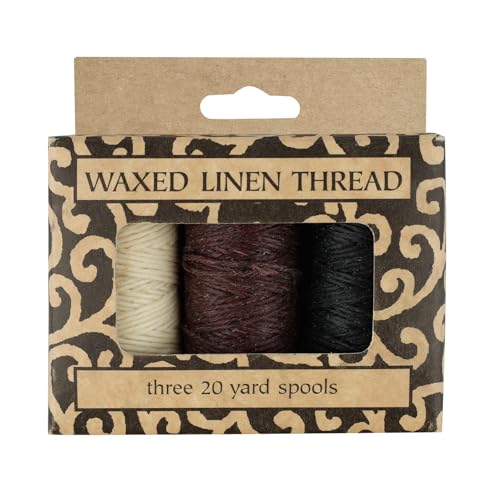
Best Bookbinding Thread (2026): Waxed Linen and Why Ply Matters
A book is held together by thread under tension for decades, and the thread is the one component you cannot inspect or replace once the text block is sewn. Linen is the traditional choice for reasons that are mechanical rather than sentimental, and the wax on it is doing three jobs at once.

Best Archival Brushes (2026): Soft, Dry, and Always Away From the Spine
The first rule of cleaning a book is that you almost never use water. Surface dirt comes off dry, with a soft wide brush and patience, and anything wet risks tidelines, cockling and lifting the very ink you were trying to save. The brush is the tool that does most of the real work.

Best Bone Folder (2026): Real Bone Burnishes, Plastic Just Presses
A bone folder does two jobs that sound like one. It creases paper, which anything stiff can do, and it burnishes — polishing a fold so the fibres lie down and the crease becomes sharp and permanent. Real bone burnishes. Plastic mostly just presses, and on some papers it leaves a shine you cannot remove.

Best Book Repair Adhesive (2026): Why PVA and Not the Glue in the Drawer
Paper is destroyed by acid. That is the single fact that governs every material decision in book repair, and it is why the glue in the kitchen drawer is not a cheaper version of the right glue — it is a slow way to damage the thing you are trying to save. The damage takes years to appear, which is exactly what makes it easy to do.
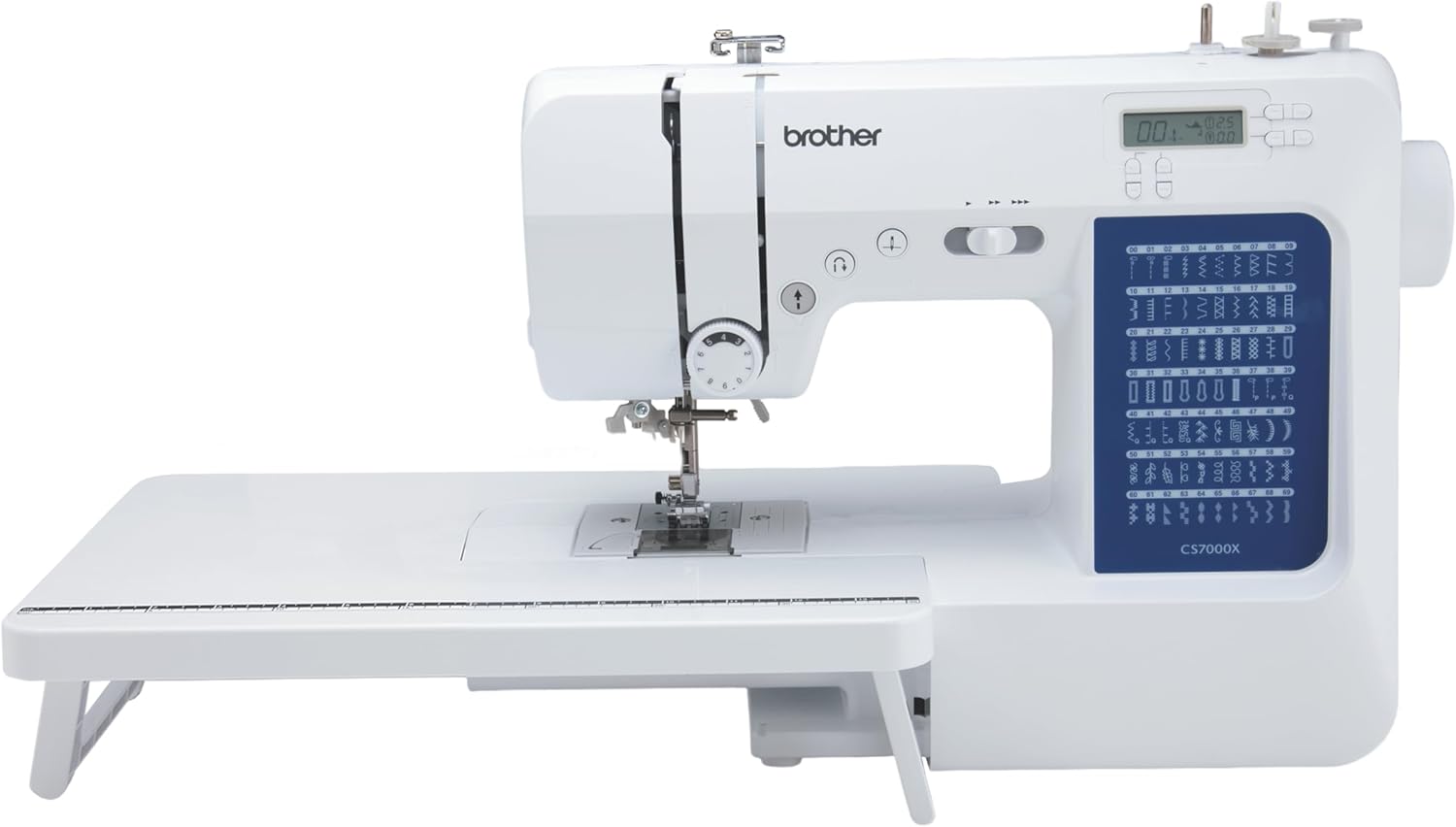
Best Beginner Sewing Machine 2026: Brother vs Janome vs Singer
The first sewing machine is the difference between sewing as a satisfying hobby and sewing as the thing you tried for a month. Here's how to pick a beginner machine that actually works, plus the brands and models to skip.

Best Fabric Marking Tools (2026): Marks That Come Out Again
Every marking tool is a trade between two failure modes: a mark that disappears before you have sewn it, and a mark that will not come out afterwards. There is no tool that avoids both on every fabric, which is why experienced sewers own several and always test on a scrap first. The one that ruins a garment is usually the one nobody tested.