Best Camera for Astrophotography Beginners (2026): 3 Picks
Here is the good news: almost any camera that shoots in manual mode and saves RAW files can photograph the night sky, so you may already own one. What matters more than the body is a fast wide lens and, for pin-sharp long exposures, a star tracker. Here are three cameras beginners actually use for astrophotography, from a cheap used-friendly DSLR to a full-frame body you grow into.
HobbyStack may earn a commission from links on this page at no extra cost to you. Our picks are chosen on merit; the commission helps fund the research.
- Almost any camera that shoots manual mode and saves RAW files can photograph the night sky. You may already own a good starter body.
- Full-frame sensors gather more light, which helps in the dark, but a good APS-C camera is completely capable and much cheaper.
- The lens and a star tracker matter as much as the body. A fast wide lens and accurate tracking do more for a photo than a pricier camera.
- You do not need a dedicated cooled astronomy camera to start. Those are a later, deep-sky upgrade, not a first purchase.
 Canon EOS Rebel SL3 (EOS 250D) DSLRA cheap, used-friendly first body$589Check price
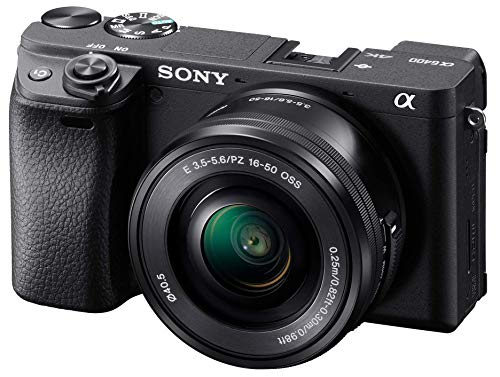 Our pickSony a6400 Mirrorless CameraThe clean-image all-rounder most should buy$815Check price
 Sony a7 III Full-Frame MirrorlessA full-frame body you grow into$1698Check price
For astrophotography, the camera needs to do a few specific things, and most modern cameras already do them. You want full manual mode, so you can set a long shutter (many seconds), open the aperture wide, and dial in a high ISO by hand, because the camera cannot meter a dark sky for you. You want it to save RAW files, which hold far more of the faint detail you will pull out later when you edit and stack your shots. Beyond that, the things that separate a good astro camera from a great one are how cleanly it handles high ISO (less noise in the dark) and sensor size. A larger full-frame sensor gathers more light and shows less noise than a smaller APS-C one, which genuinely helps at night, but APS-C is where almost everyone starts and it takes lovely photos of the Milky Way. Just remember the body is only part of the kit: a fast wide lens and a star tracker matter at least as much.
So how do you choose? Start with what you already have or can get cheaply, because the fastest way to learn is with a camera in your hands tonight. If you are buying, a used or entry-level APS-C body like a Canon Rebel is the classic, affordable way in, and a fully articulating screen is a real bonus when you are pointing the camera up at the sky. If you have more to spend and want cleaner high-ISO shots, a strong APS-C mirrorless body steps things up, and a full-frame body is the one you grow into for the darkest, faintest deep-sky work. Whatever you pick, put the money you save toward a fast wide lens and a tracker, because that is where the biggest jump in image quality actually comes from.
 Best budget body
Canon EOS Rebel SL3 (EOS 250D) DSLR
The cheap, do-everything way to start. The Canon EOS Rebel SL3 (sold as the EOS 250D outside the US) is a compact, lightweight APS-C DSLR that does exactly what beginner astrophotography needs: full manual mode, RAW files, and long exposures, all in a body you can find used for a very reasonable price. Its fully articulating touchscreen is a genuine help when the camera is aimed up at the sky and you would otherwise be craning your neck. Canon's huge lens ecosystem means a fast wide lens is easy to add later. It is not the cleanest at very high ISO, but for learning the Milky Way and constellations without overspending, it is a proven, friendly first camera.
What's good
- Cheap and easy to find used
- Fully articulating screen for pointing up at the sky
- Full manual mode and RAW in a light body
- Huge Canon lens ecosystem to grow into
What's not
- Older APS-C sensor is noisier at very high ISO
- DSLR, not the latest mirrorless tech
 Best for most beginners
Sony a6400 Mirrorless Camera
The body most beginners should buy and be happy with for years. The Sony a6400 is a strong APS-C mirrorless camera with noticeably cleaner high-ISO performance than an entry DSLR, which matters a lot when you are shooting a dark sky and every bit of noise shows. It has full manual control, RAW files, a tilting screen, and access to the wide, fast Sony and third-party lenses astrophotographers love. It is light enough to sit happily on a star tracker without overloading it. It costs more than a used Rebel, but the cleaner images and modern mirrorless features make it the no-overthinking pick for most people getting serious about the night sky.
What's good
- Clean high-ISO for a sharper dark sky
- Full manual and RAW, modern mirrorless
- Light enough to sit on a star tracker
- Great choice of fast wide lenses
What's not
- Costs more than a used DSLR
- APS-C, so less light-gathering than full-frame
 Best to grow into
Sony a7 III Full-Frame Mirrorless
The camera for someone who knows they are hooked and wants the cleanest night skies. The Sony a7 III is a full-frame mirrorless body with a well-earned reputation for low-light performance: the larger sensor gathers more light and shows less noise than any APS-C camera, which is exactly what you want for faint Milky Way detail and deep-sky objects. It has all the manual control and RAW files you need, excellent dynamic range for editing, and pairs with the same superb Sony lens range. It is more camera (and more money) than a first night under the stars requires, but if you are aiming toward serious deep-sky imaging, it is the body you grow into rather than out of.
What's good
- Full-frame gathers more light for cleaner shots
- Superb low-light and dynamic range
- Full manual and RAW, excellent for editing
- Grows with you toward deep-sky imaging
What's not
- Costs much more than an APS-C body
- More camera than a beginner strictly needs
It is easy to obsess over the camera, but the body is only one piece of an astro setup. A fast wide-angle lens (a low f-number like f/2.8 or wider) lets in far more starlight, and a star tracker slowly follows the sky so you can take long, sharp exposures instead of star trails. If you are deciding where to spend, a cheaper body plus a good lens and tracker will beat a pricey body with a slow kit lens every time.
Which to buy: want the cheapest, used-friendly way to start with a camera you can learn on tonight? The Canon Rebel SL3. Want cleaner high-ISO images from a modern mirrorless body that most beginners settle on? The Sony a6400 is the easy pick. Ready to invest in full-frame for the darkest, faintest deep-sky work? The Sony a7 III.
Before you buy
Shoot in RAW and full manual mode, so you can set a long shutter, wide aperture, and high ISO by hand.
Put your saved money into a fast wide lens (f/2.8 or wider). It does more for a night photo than a pricier body.
Add a star tracker once you are ready for long exposures. It is what turns star trails into sharp, detailed skies.
Take lots of frames of the same scene and stack them later. Stacking reduces noise more than any camera upgrade.
Astrophotography camera questions
Do I need a special camera for astrophotography?
Is full-frame worth it, or is APS-C fine?
What settings matter most for a camera body?
Should I buy a used camera for astrophotography?
Do I need a star tracker straight away?
Which camera should a beginner buy?
For most beginners the Sony a6400 is the pick: clean high-ISO images from a modern APS-C mirrorless body, at a fair price and light enough for a tracker. Want the cheapest, used-friendly way in with a camera you can learn on tonight? The Canon Rebel SL3. Ready to invest in full-frame for the darkest, cleanest deep-sky shots? The Sony a7 III. Whichever you choose, remember that almost any manual-RAW camera works, and the lens and star tracker matter just as much as the body.
Ready to actually do it?
The first astrophotography quest takes an evening, and it tells you whether the gear was worth it better than any review can.
Start AstrophotographyThe HobbyStack editorial team researches each guide against manufacturer specifications, published resources and practitioner sources. Every product is checked for availability and described against its current listing before publication, and prices are re-checked when guides are updated.
About our editorial process →More gear guides
All guides
Best Star Tracker for Astrophotography (2026): Sharp Night Skies
A star tracker slowly rotates your camera to follow the sky as the Earth turns, so you can take long exposures of the Milky Way and deep-sky objects without the stars blurring into trails. It is the single piece of gear that transforms night-sky photos. Here are three good ones, from a compact tracker for a camera and lens to a full go-to mount.

Best Remote Shutter Release (2026): Check the Mount Before Anything Else
At macro magnifications, pressing the shutter button is enough to blur the shot. Depth of field is measured in millimetres and any vibration you introduce is magnified along with the subject, which is why a remote release is not a convenience here the way it is in normal photography. The catch is that these are not universal, and the compatibility list is the whole purchase.

Best Audio Interface for Beginners (2026): 3 Picks to Record Clean Audio
An audio interface is the box that turns your microphone or guitar into clean, professional-sounding audio your computer can record. It plugs in over USB and does two jobs a laptop cannot: it powers proper microphones and converts the sound with far less noise and latency than your built-in socket. For most beginners the honest truth is that the differences between the good ones are small, so you are really choosing how many inputs you need and how much you want to spend. Here are three that will not let you down, from a simple one-mic setup to a step-up with warmer, more characterful sound.

Best Pottery Tool Set (2026): Six of the Twelve Do Nearly Everything
Open a twelve-piece pottery set and six tools will do nearly all your work: the wire cutter, a wooden rib, a metal rib, a loop trimming tool, a sponge and a needle tool. The rest get picked up once, found to duplicate something, and left in the canister for years.

Long Blade Freediving Fins (2026): Stiffness Is Matched to Your Legs, Not Your Ambition
Long blades are not about speed. A long blade moves a large volume of water per kick, so you cover distance at a slow, unhurried cadence instead of a fast one, and on a breath-hold the thing you are conserving is oxygen. A stiff blade you cannot load properly burns more of it than a soft blade you can.
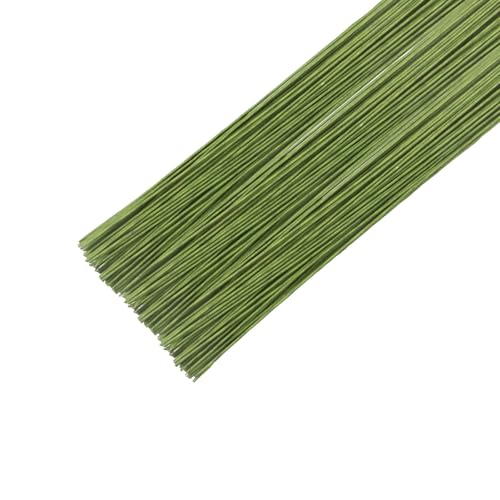
Best Millinery Wire (2026): Gauge Decides Whether the Brim Holds Its Line
Wire gauge runs backwards, so an 18 gauge wire is thicker than a 20. That catches people out in exactly the wrong direction: they buy a high number expecting something substantial, wire a brim with it, and watch the brim sag the first time the hat is picked up.