Best Camera Microphone (2026): Distance Matters More Than the Microphone
Audiences forgive a soft picture and walk away from bad sound. The good news is that the biggest improvement is free: a cheap microphone two feet from someone beats an expensive one on top of a camera ten feet away, every single time, because sound falls off with distance faster than most people expect.
HobbyStack may earn a commission from links on this page at no extra cost to you. Our picks are chosen on merit; the commission helps fund the research.
- Halve the distance to the subject and you roughly quadruple the sound energy reaching the mic.
- Shotgun mics are directional, not zoom lenses. They reject the sides, they do not reach further.
- TRS for cameras, TRRS for phones. The wrong cable gives you silence and no warning.
- Always use the dead cat outdoors. Wind noise cannot be fixed afterwards.
- Record a room tone take. Thirty seconds of silence saves an edit.
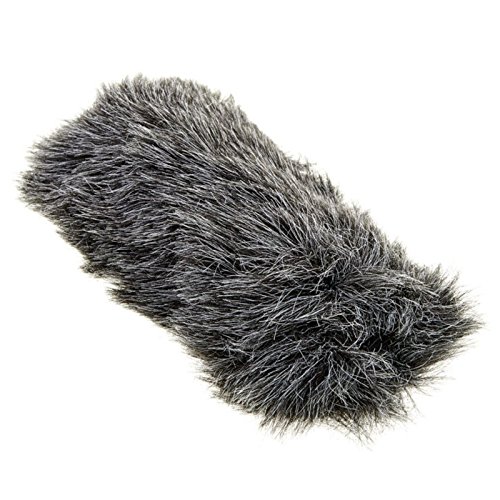 BOYA BY-MM1A first upgrade$15Check price
 Our pickRode VideoMicro IIMost shooters$80Check price
 Rode VideoMic Pro+Working shoots$261Check price
Distance, which is the whole game
Sound obeys the inverse square law. Double the distance between the source and the microphone and the sound energy arriving drops to a quarter. Halve it and you gain the same amount back.
What that means in practice is blunt: a ten dollar microphone eighteen inches from someone's mouth will beat a three hundred dollar one on a camera six feet away. Not marginally. Obviously, to anyone listening.
It also explains why on-camera audio sounds hollow. At six feet, the direct sound from the speaker and the sound bouncing off the walls arrive at similar levels, and you get that boxy room quality that no plugin properly removes.
So the order of operations for better sound is:
- Get the mic closer. Off camera, on a boom, just outside the frame.
- Get the room quieter. Turn off the fridge, the air conditioning, close the window.
- Then worry about which microphone.
A shotgun is not a telephoto lens. People assume a long interference tube reaches further. It does not. It rejects sound from the sides, which makes the source relatively louder against the background, but the source still has to be close.
Which is also why an on-camera shotgun is a compromise by design. It is convenient, and convenience is worth something when you are alone. It is not the best sound you can get.
Cables, power and the mistakes that cost a shoot
TRS versus TRRS. This one catches almost everyone once.
- TRS has two black rings on the plug. It is what cameras and recorders expect.
- TRRS has three. It is what phones expect, because the extra conductor carries the phone's own microphone signal.
Plug a TRS cable into a phone and you usually get nothing, or the phone's internal mic instead. Plug TRRS into a camera and you often get silence or one channel. There is no error message, and if you do not check your levels you find out in the edit.
The BOYA here includes both cables, which is genuinely why it is worth recommending as a first mic.
Then power. Cheap shotguns like the BOYA and the VideoMicro II are plug-in powered, drawing what little they need from the camera. Nothing to charge, nothing to forget. The VideoMic Pro+ has its own battery, which buys you features but adds a thing that can be flat.
Always monitor. Headphones in the camera, levels checked before the take. A dead battery, a wrong cable or a knocked gain dial all look identical on screen and all produce unusable audio.
Aim for peaks around -12 dB. Too quiet and you amplify hiss in the edit; too loud and digital clipping is permanent.
 Best first upgrade
BOYA by-MM1 Shotgun Video Microphone
For the price of a sandwich this improves your audio more than any camera upgrade will, which is the honest state of video gear. Aluminium body with an integrated shock mount to kill handling noise, and no battery at all since it draws power from the socket. The reason to pick it over other cheap mics is what is in the box: a furry windscreen, a case, and both the TRS cable for cameras and the TRRS cable for phones.
What's good
- Both TRS and TRRS cables included in the box
- Dead cat windscreen included, not sold separately
- Battery free, so nothing to charge or forget
- Integrated shock mount reduces handling noise
What's not
- Noisier preamp than the Rode mics
- Plastic mount feels cheap next to the Helix
- Less directional than a true shotgun
- No high-pass filter or level control
 Best for most shooters
RØDE VideoMicro II Ultra-Compact On-Camera Shotgun Microphone
Eighty millimetres long and thirty-nine grams, which means it lives on the camera permanently instead of being the thing you left at home. The pickup pattern is genuinely directional, so it captures your subject and rejects a good deal of what is beside them. Rode's Helix isolation mount absorbs the knocks and handling noise that ruin handheld takes, and a built-in shoe mount with cable management keeps the rig tidy. No battery to charge.
What's good
- 39 g and 80 mm, so it stays on the camera
- Genuinely directional pickup rejects the sides
- Helix mount handles knocks and handling noise
- Battery free with tidy built-in cable management
What's not
- No high-pass filter or gain control
- Eight times the BOYA
- Still an on-camera mic, so distance still rules
- Deadcat is included but wears out
 Best for working shoots
RØDE VideoMic Pro+ Premium On-Camera Shotgun Microphone
The features here are all about not losing a take. Automatic power shuts the mic off when you unplug it, so it is never flat because you forgot, and it runs from the included rechargeable pack, two AA cells, or continuously over USB, which means you always have a way to keep going. A Rycote Lyre suspension handles knocks, and digital switching plus a high-pass filter let you cut rumble at the source rather than in the edit.
What's good
- Auto power off when unplugged, so it is never flat
- Runs on rechargeable pack, AAs or continuous USB
- High-pass filter cuts rumble before it is recorded
- Rycote Lyre suspension is the reference mount
What's not
- Over three times the VideoMicro II
- Large enough to unbalance a small camera
- Has a battery, which is one more thing to check
- Still cannot beat simply moving closer
A gust across a bare microphone capsule produces low-frequency overload, not a sound you can filter out. It buries dialogue completely and there is no plugin that recovers it. Use the furry windscreen outdoors every single time, even on a still day, because still days have gusts. Indoors, keep the mic out of the path of air conditioning and fans, which produce the same problem more quietly and more constantly.
Habits that fix most amateur audio
Record thirty seconds of room tone. Point the mic at nothing and record the silence of the space, at every location. Your editor pastes it under cuts so the background does not jump, and it is the single most useful thing you can hand them.
Turn things off. Fridges, air conditioning, computer fans, fluorescent lights that buzz. Two minutes of switching things off beats any microphone upgrade.
Get off the camera when you can. A mic on a cheap boom pole, or taped to a stand just outside the frame, is a much bigger step than moving up a price tier. Even resting one on a table nearer the subject helps.
Point it at the mouth, not the person. Shotguns are directional in a narrow cone. Aimed at someone's chest you lose the top end of their voice.
Watch what is behind the subject, not just what is beside them. A shotgun rejects the sides and picks up what is directly behind, so a road behind your interviewee is worse than a road beside them.
Clap at the start. If you ever record audio separately, a single sharp clap gives you a spike to line up against and saves a great deal of nudging in the edit.
Before you buy
Check the mic ships with the right cable for your camera or phone.
Confirm a furry windscreen is included, or budget for one.
Plug-in power means one less thing to charge.
Getting the mic closer beats every upgrade on this page.
Buy headphones to monitor with at the same time.
Camera microphone questions
Does a shotgun microphone let me record from further away?
What is the difference between TRS and TRRS?
Do I need the furry windscreen indoors?
What level should I record at?
The Rode VideoMicro II is the one to buy: small and light enough that it stays on the camera, genuinely directional, and with an isolation mount that handles the knocks of shooting handheld. The BOYA is a remarkable ten dollars and includes both cables and a windscreen, which makes it the right first upgrade for anyone. Take the VideoMic Pro+ if you shoot professionally and cannot afford a flat battery. Then move it closer.
Ready to actually do it?
The first filmmaking quest takes an evening, and it tells you whether the gear was worth it better than any review can.
Start FilmmakingThe HobbyStack editorial team researches each guide against manufacturer specifications, published resources and practitioner sources. Every product is checked for availability and described against its current listing before publication, and prices are re-checked when guides are updated.
About our editorial process →More gear guides
All guides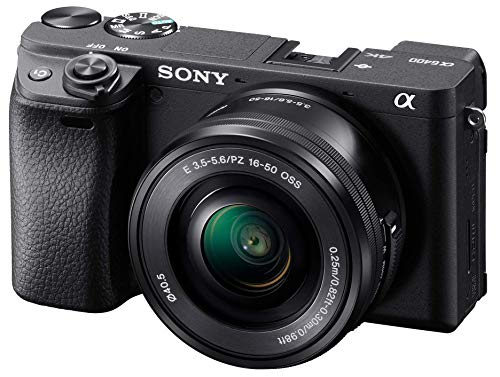
Best Camera for Beginner Filmmakers (2026): 3 Mirrorless Picks
For filmmaking, the camera body matters less than beginners think, what you really want is a modern mirrorless camera with good autofocus, 4K video, and access to interchangeable lenses, so you can grow. All three here shoot sharp 4K and have the reliable autofocus that keeps your subject in focus while you concentrate on the shot, which is the single most useful feature for a beginner. The real ladder is how much camera you grow into: an affordable entry body to learn on, a do-it-all favourite, or an enthusiast body you will keep for years. Here are three good ones, and why the lens matters as much as the body.
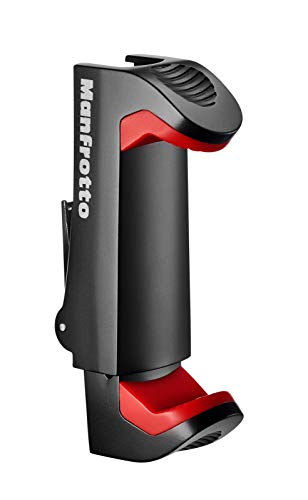
Best Phone Mount for Stop Motion (2026): Any Movement Between Frames Shows
Stop motion is hundreds of still frames played in sequence, and the camera has to be in exactly the same place for every one of them. A mount that shifts by a millimetre between frames produces a jitter you cannot edit out, and it is far more visible than any flaw in the animation itself.

Best Remote Shutter Release (2026): Check the Mount Before Anything Else
At macro magnifications, pressing the shutter button is enough to blur the shot. Depth of field is measured in millimetres and any vibration you introduce is magnified along with the subject, which is why a remote release is not a convenience here the way it is in normal photography. The catch is that these are not universal, and the compatibility list is the whole purchase.

Best Audio Interface for Beginners (2026): 3 Picks to Record Clean Audio
An audio interface is the box that turns your microphone or guitar into clean, professional-sounding audio your computer can record. It plugs in over USB and does two jobs a laptop cannot: it powers proper microphones and converts the sound with far less noise and latency than your built-in socket. For most beginners the honest truth is that the differences between the good ones are small, so you are really choosing how many inputs you need and how much you want to spend. Here are three that will not let you down, from a simple one-mic setup to a step-up with warmer, more characterful sound.

Best Beginner Mirrorless Camera 2026: Canon EOS R50 vs Sony ZV-E10 II
The best beginner mirrorless camera teaches you photography, not menus. It needs reliable autofocus, a grip that makes sense, and enough image quality to reward good technique. The Canon EOS R50 with its kit lens is the right camera for most people who are just starting out. Here's why, and who should buy something different.

Best Camera Bag for Beginners (2026): How You Get At Your Kit
Most people buy a camera bag on capacity and regret it on access. The question that decides whether a bag gets used is how you reach the camera: if getting the body out means putting the bag on the ground and unpacking it, you will leave the camera in the bag and stop taking pictures. Everything else — padding, weather cover, laptop sleeve — is secondary to that.