Best Beginner Mirrorless Camera 2026: Canon EOS R50 vs Sony ZV-E10 II
The best beginner mirrorless camera teaches you photography, not menus. It needs reliable autofocus, a grip that makes sense, and enough image quality to reward good technique. The Canon EOS R50 with its kit lens is the right camera for most people who are just starting out. Here's why, and who should buy something different.
HobbyStack may earn a commission from links on this page at no extra cost to you. Our picks are chosen on merit; the commission helps fund the research.
- Every camera here will outshoot your current skill level. The bottleneck is understanding aperture, shutter speed, and ISO — not megapixels. Pick the camera that gets out of your way while you learn.
- Our pick: Canon EOS R50 with 18-45mm kit (~$680). Guided menus that show what a setting does in plain English, excellent subject-tracking AF, and Canon's full RF mount ecosystem ahead of you.
- Tighter budget: Canon EOS R50 body only (~$499). Same camera, save $180 — only worth it if you already own an RF-S lens or plan to buy the 18-150mm kit lens instead.
- Video-first: Sony ZV-E10 II with 16-50mm kit (~$800). Uncropped 4K, better microphone placement, S-Log for color grading. The best beginner camera if YouTube or short-form video is your primary output.
- Buy the kit, not just the body. The R50's 18-45mm kit lens is sharp, compact, and genuinely useful — cheaper as a kit than body + lens separately, and the right starting lens for 90% of beginner subjects.


Why mirrorless beats DSLR for beginners in 2026
DSLRs are optically excellent cameras, but they're a dead-end platform — Canon, Nikon, and Sony have all stopped releasing new DSLR lenses and bodies. Every major manufacturer is now mirrorless-only. For a beginner, that matters: the lens you buy today should still be usable in 10 years, and on a DSLR you'd be buying into a system the manufacturer has quietly abandoned.
Mirrorless cameras are also better teaching tools. The electronic viewfinder shows you exposure in real time — you can see whether the photo will be too bright or too dark before you press the shutter, not after. That feedback loop cuts weeks off the learning curve. Modern mirrorless AF (especially Canon's Dual Pixel CMOS AF II and Sony's Fast Hybrid AF) tracks faces and eyes in real time with a reliability that would've cost $3,000 five years ago. And they're smaller and lighter than DSLRs, which matters when you're carrying a camera all day.
How we picked
We filtered on: autofocus reliability (beginner AF that tracks faces and eyes without constant loss), menu accessibility (guided UI or clear layout that doesn't require manual study), image quality (resolution and dynamic range appropriate for large prints and heavy cropping), video capability (4K matters for future-proofing, crop factor matters for quality), lens ecosystem (is the mount being actively developed?), and price-to-value (what do you actually get per dollar). We excluded discontinued bodies, gray-market imports, and cameras without active lens ecosystems.
 Best all-around first camera
Canon EOS R50 with RF-S 18-45mm Kit
The Canon EOS R50 earns the top spot because it's the only beginner mirrorless with a UI designed around not knowing photography. Canon's Creative Assist mode shows you visual before/after examples of what changing a setting does — 'more background blur' → shows the aperture slider live. Most cameras assume you know what f/2.8 means; the R50 teaches you. Dual Pixel CMOS AF II is Canon's best phase-detection system, tracking faces, eyes, and moving subjects with a reliability that makes early photography feel rewarding rather than frustrating. The RF-S 18-45mm kit lens is compact, sharp, and covers 95% of what beginners shoot. The RF mount is Canon's current and future ecosystem — the lenses you buy now are compatible with every Canon mirrorless body Canon will ever make.
What's good
- Guided UI teaches photography concepts as you shoot — unique at this price
- Dual Pixel CMOS AF II: reliable face and eye tracking, even in motion
- 24.2MP APS-C sensor — plenty of resolution for large prints and cropping
- RF mount is Canon's future-proof ecosystem (10+ lens options expanding)
- Lightweight and compact body — comfortable to carry all day
What's not
- 4K is cropped (1.56x), narrowing your field of view at 4K
- No in-body image stabilization (IBIS) — handheld video needs steady hands or a gimbal
- Single card slot (one SD card) — no backup while shooting
 Body only — pair with a lens
Canon EOS R50 Body Only
This is the same Canon EOS R50 body as the recommended kit pick — every spec identical, every feature the same. The savings come from skipping the 18-45mm kit lens. That makes sense only in two scenarios: you're pairing it with a different RF-S lens (like the 18-150mm for travel or a 22mm f/2 for low-light portraits), or you're buying a used kit lens separately. For most first-time buyers with no existing lens collection, the kit lens is the right choice — it's sold cheaper as a bundle than separately. If you're unsure, buy the kit.
What's good
- Same excellent R50 body for $180 less
- Freedom to choose your own first lens (prime, telephoto, or 18-150mm zoom)
- Good option if you find a used RF-S lens at a good price
What's not
- No lens included — you need to buy one separately before shooting
- The 18-45mm kit lens is actually cheaper when bundled vs buying standalone
- Easy to underestimate how much a good lens costs when budgeting
 Best for video and content creation
Sony ZV-E10 II with 16-50mm Kit
The Sony ZV-E10 II is built differently than the Canon R50: where the R50 prioritizes teaching photography, the ZV-E10 II is tuned for video first. The key differences: 4K is uncropped at 30fps (the R50 crops in at 4K, giving you a narrower frame), S-Log3 gamma allows proper color grading in post, and the microphone capsule is better positioned for clean vlogging audio. The vari-angle front-facing screen flips out and rotates forward — essential for solo filming. Sony's E-mount has a larger third-party lens ecosystem than Canon's RF-S at this price range. If photos are your main output, the R50 is the better teacher. If you're shooting YouTube, Reels, or TikTok, the ZV-E10 II is the right camera.
What's good
- Uncropped 4K at 30fps — full-width frame at full resolution
- S-Log3 gamma enables proper color grading in post
- Front-facing vari-angle screen essential for solo vlogging
- Better microphone position than original ZV-E10 and many competitors
- Sony E-mount: massive third-party lens selection
What's not
- No in-body image stabilization (IBIS) — needs a gimbal for smooth handheld video
- $120 more than the R50 kit without meaningfully better photo quality
- Menus less intuitive than Canon for photography beginners
First-time buyers sometimes get just the body to save money — then realize they need a lens and spend $200–350 anyway. The R50's 18-45mm kit lens is sharp, compact, and covers portraits, travel, and everyday photography. Buying the kit costs less than body + lens separately. The only reason to buy body-only is if you already own an RF-S lens or you're pairing it with a specific lens upgrade from the start.
Before you buy
Start with aperture priority mode (Av on Canon, A on Sony). Set the aperture, let the camera handle shutter speed. This teaches you depth of field — the single concept that makes photos look intentional vs accidental.
Buy at least one extra battery immediately. Camera batteries last 300–400 shots, not a full day. $20 third-party batteries on Amazon work fine.
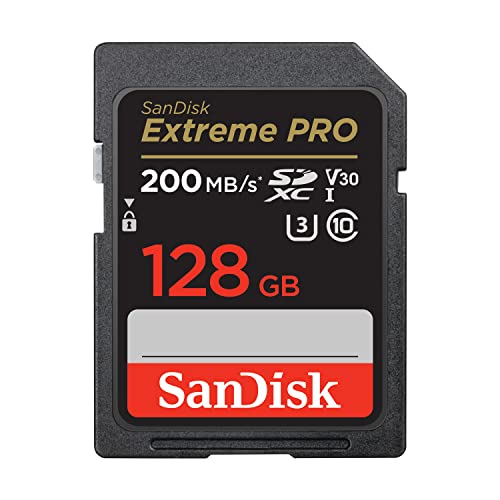
Use a fast SD card: at minimum UHS-I Speed Class 10 (look for the U3 and V30 labels). Slow cards cause video recording errors and buffer slowdowns in burst mode. SanDisk Extreme or Lexar Professional are the standard picks.
Shoot RAW from day one. JPEG is compressed and forgives nothing; RAW preserves all the data the sensor captures and lets you rescue an underexposed or overexposed shot in Lightroom later.
Learn the exposure triangle before you buy another lens. Aperture (depth of field), shutter speed (motion blur), and ISO (grain/noise) — understand how they trade off and you'll improve faster than any gear upgrade will make you.
Common questions about beginner mirrorless cameras
Should a beginner get mirrorless or DSLR?
Canon EOS R50 or Sony ZV-E10 II?
Do I need to buy extra lenses right away?
What SD card should I buy?
Is the Canon EOS R50 good for video?
Is 24 megapixels enough?
The Canon EOS R50 with the 18-45mm kit lens is the right first mirrorless camera for most beginners — it teaches you photography, not menus. If video content creation is your goal, the Sony ZV-E10 II's uncropped 4K and S-Log3 are worth the extra $120. Either camera will outlast your beginner stage.
Ready to actually do it?
The first photography quest takes an evening, and it tells you whether the gear was worth it better than any review can.
Start PhotographyThe HobbyStack editorial team researches each guide using practitioner communities, published resources, and direct input from active hobbyists. Every guide is reviewed for accuracy before publication and updated when practices change.
About our editorial process →More gear guides
All guides
Best Camera Bag for Beginners (2026): How You Get At Your Kit
Most people buy a camera bag on capacity and regret it on access. The question that decides whether a bag gets used is how you reach the camera: if getting the body out means putting the bag on the ground and unpacking it, you will leave the camera in the bag and stop taking pictures. Everything else — padding, weather cover, laptop sleeve — is secondary to that.

Best Camera Tripod for Beginners (2026): 3 Real Picks
A tripod unlocks the shots you cannot get handheld: long exposures, low light, sharp landscapes, self-portraits, and steady video. The good news is a beginner does not need a $600 one. Any stable tripod that holds your camera perfectly still does the core job; what more money buys is less weight, faster setup, and a sturdier hold as your gear grows. Here are three across the range, plus what actually matters when you choose.

Best First Camera Lens for Beginners (2026): 3 Nifty Fifties by Mount
The kit zoom that came with your camera is fine, but a cheap, fast prime lens is the upgrade that suddenly makes your photos look better. The classic first buy is a 'nifty fifty': a 50mm f/1.8 lens that is sharp, tiny, brilliant in low light, and cheaper than almost anything else you can put on your camera. The one catch is that lenses are not universal, so you have to match the lens to your camera's mount. Here are three good first primes in ascending price, plus how to find the right one for your camera brand.
Best SD Card for Photography 2026: SanDisk Extreme PRO vs Ultra vs Sony TOUGH
A memory card is the one piece of gear that, if it fails, costs you the photos themselves: so it's worth getting right, even though it's the cheapest thing in the bag. The good news: the choice comes down to speed class, and most photographers need far less than the marketing implies. A fast V30 UHS-I card handles burst stills and 4K; UHS-II is a video upgrade most cameras can't even use. Here's the honest breakdown.

Best Remote Shutter Release (2026): Check the Mount Before Anything Else
At macro magnifications, pressing the shutter button is enough to blur the shot. Depth of field is measured in millimetres and any vibration you introduce is magnified along with the subject, which is why a remote release is not a convenience here the way it is in normal photography. The catch is that these are not universal, and the compatibility list is the whole purchase.

Best Drawing Tablet for Beginners 2026: XP-Pen Deco vs Wacom Intuos vs Huion Kamvas
Your first drawing tablet is where digital art begins, and the first decision is the big one: a screenless pen tablet (cheaper, lighter, what most pros use) or a pen display you draw directly on (instantly natural, but two to four times the price). The honest answer for almost everyone is start screenless. Here are three picks and which one fits where you are.