Best Cricut Mats and Tools (2026): The Grip Grade Is the Decision
Mats come in grip grades, and matching the grade to the material is most of whether a cut works. Too little grip and the material shifts mid-cut and everything after that point is wrong. Too much and delicate paper tears when you try to get it off, which is why a strong mat is the worst possible choice for cardstock.
HobbyStack may earn a commission from links on this page at no extra cost to you. Our picks are chosen on merit; the commission helps fund the research.
- Match grip to material weight. Light for paper, standard for vinyl and cardstock, strong for fabric and leather.
- Mats are consumable but reviveable. Most people bin them years too early.
- Bend the mat away from the material, not the material off the mat.
- A weeding hook is the tool you will use most. Buy one even if you buy nothing else.
- Third-party mats work. Third-party blades are where compatibility gets risky.
 Our pickAIRCUT Mat Variety 3-packCovering every material$10Check price
 Weeding Tools Set, 6 piecesVinyl work$14Check price
 Cricut Basic Tool SetOne tidy set$15Check price
Grip grades and what goes on which
The colour coding is a convention across brands, and getting it wrong is the most common cause of a ruined cut.
Light grip (blue) — the least tacky. For thin paper, printer paper and vellum, which tear if anything grips them harder. If your paper is shredding on removal, you are on too strong a mat.
Standard grip (green) — the everyday one. Vinyl, iron-on, cardstock, adhesive-backed materials. If you only own one mat, own this.
Strong grip (purple) — very tacky. Thick cardstock, chipboard, leather, magnet sheet, glitter cardstock — heavy materials that would otherwise shift under the blade. Actively bad for anything thin.
Fabric grip (pink) — for fabric with a rotary blade, and it works differently again.
The practical point is that a variety pack is more useful than three of one grade, because the material decides the mat, not your preference. Working a light grip mat with strong material means slippage; working strong grip with paper means shredding it on removal.
And new mats of any grade are tackier than they will be after three uses. Press a new strong mat onto a t-shirt first to knock the edge off it.
Mats are consumable, and revivable
People throw away mats that had years left, and buy new ones because the old one "stopped working".
Clean it first. Most lost grip is fibre and paper dust, not worn adhesive. A plastic scraper lifts the debris, and a lint roller does a decent job between cuts. Do this and a mat that felt dead often comes straight back.
Then wash it. Warm water, a drop of washing-up liquid, a soft brush or a clean cloth, rinse and air dry completely, face up. Do not use alcohol or harsh solvents, which strip the adhesive properly rather than cleaning it.
Keep the cover sheet. Putting the clear film back after every use is the single biggest thing that extends mat life, because it stops airborne dust settling on the adhesive.
Only when all that fails consider re-adhering with a repositionable spray adhesive, masking the edges so the rollers stay clean.
And when a mat is genuinely finished, it is finished — a mat that will not hold material causes wasted vinyl and blade damage that costs more than the mat did.
 Best mat coverage
AIRCUT Cutting Mat for Cricut Maker and Explore Series
Three 12x12 mats in light, standard and strong grip, which is the right way to buy mats because the material decides the grade rather than you — one of each covers paper, vinyl and cardstock, and heavy stock or leather, from a single cheap purchase. Compatible with the Explore and Maker series. These are third-party rather than genuine Cricut, and for mats specifically that is a reasonable trade: a mat is a plastic sheet with adhesive on it, the tolerances are forgiving, and the machine reads the material setting rather than the mat. Expect slightly less longevity than a genuine Cricut mat and slightly more variation in tack between them. At this price you can replace them when they tire rather than nursing them.
What's good
- All three grip grades in one purchase
- Covers paper, vinyl, cardstock and heavy stock
- Fits Explore and Maker series machines
- Cheap enough to replace rather than nurse
What's not
- Third-party — tack varies more than genuine Cricut
- Generally shorter life than official mats
- 12x12 only, no 12x24 option
- New strong mat is aggressively tacky at first
 Best for vinyl work
Craft Vinyl Weeding Tools Set
A six-piece weeding kit, and weeding — picking the unwanted vinyl out of a cut design — is where most of the actual time in this hobby goes. A fine hook is the tool that matters: it gets under a cut edge and lifts it without stretching the vinyl or lifting the piece you want to keep, and doing that with fingernails or a craft knife is how people ruin finished cuts. The set adds tweezers for handling small pieces and a spatula for lifting material off the mat without curling it. Also third-party rather than Cricut. The trade against the genuine set is finish rather than function: the hooks work, the handles are less comfortable over a long session, and the tolerances are looser.
What's good
- Six pieces covering the whole weeding workflow
- Fine hook is the single most-used tool
- Tweezers and spatula included
- Half the price of comparable branded sets
What's not
- Third-party, so finish and comfort are basic
- Handles get uncomfortable over long sessions
- Hook tips dull faster than good steel
- No storage case
 Best genuine set
Cricut Basic Tool Set - 5-Piece Precision Tool Kit, Mint
The genuine Cricut five-piece precision tool kit, and it is the only item in this comparison that actually is — worth saying, because the other two are third-party despite what a listing title might suggest. It covers the core set: weeder, scraper, spatula, tweezers and scissors, in matched handles with a tidy storage case. The build is where the money goes: comfortable grips that do not blister a hand over a long weeding session, tips that hold their point, and a case so the small pieces are not loose in a drawer. Functionally a cheap set does the same jobs. Buy this if you craft often enough that comfort and durability are worth the difference, or if you would rather have one matched set than three purchases.
What's good
- Genuine Cricut, unlike the other two here
- Comfortable handles over a long weeding session
- Tips hold their point better than cheap steel
- Storage case keeps the small pieces together
What's not
- A cheap set does the same jobs
- Five pieces rather than six
- No mats included
- You are partly paying for the brand
Peeling material up off a mat curls it and tears thin stock. Do it the other way round: lay the mat face down over the edge of a table and roll the mat away from the material, so the material stays flat and the mat bends. This alone prevents most of the curled cardstock and torn paper people blame on the mat being too sticky.
The blade, which is the other consumable
Mats get the attention and blades cause as many bad cuts.
The fine point blade does almost everything — vinyl, cardstock, iron-on, paper. It is the one in the machine, and it dulls gradually rather than failing, so cuts get slightly worse over months and people adjust pressure instead of changing it.
Symptoms of a dull blade: tearing rather than cutting on thin material, not cutting through in patches, and dragging that lifts material off the mat.
Before replacing, clean it. Push the blade repeatedly into a ball of aluminium foil — it removes accumulated vinyl and adhesive from the edge, and often restores a blade people were about to bin.
Deep point (black) blades are for thicker material: chipboard, thick cardstock, foam. A different angle and a stronger housing.
Rotary and knife blades are Maker-only, for fabric and for thick material respectively.
Third-party blades are where compatibility actually gets risky, unlike mats. Housing tolerances matter, and a blade sitting fractionally wrong cuts inconsistently. Buy genuine blades even if you buy third-party mats.
Before you buy
Buy a variety pack of mats, not three of the same grade.
Standard grip is the one to have if you only have one.
Clean a mat before deciding it is dead. Most lost grip is dust.
Keep the cover sheet on. It doubles mat life.
Third-party mats are fine. Buy genuine blades.
Cricut mat questions
Which Cricut mat grip should I use?
How do I make a Cricut mat sticky again?
Are third-party Cricut mats any good?
Why is my material tearing when I remove it?
Buy the three-mat variety pack first: the material decides the grip grade, so having light, standard and strong on hand matters more than having three of your favourite. Add a weeding hook next, because weeding is where the time goes and fingernails ruin finished cuts. The genuine Cricut tool set is worth it if you craft often and want matched handles and a case. Third-party mats are fine; buy genuine blades.
Ready to actually do it?
The first cricut & vinyl crafting quest takes an evening, and it tells you whether the gear was worth it better than any review can.
Start Cricut & Vinyl CraftingThe HobbyStack editorial team researches each guide against manufacturer specifications, published resources and practitioner sources. Every product is checked for availability and described against its current listing before publication, and prices are re-checked when guides are updated.
About our editorial process →More gear guides
All guides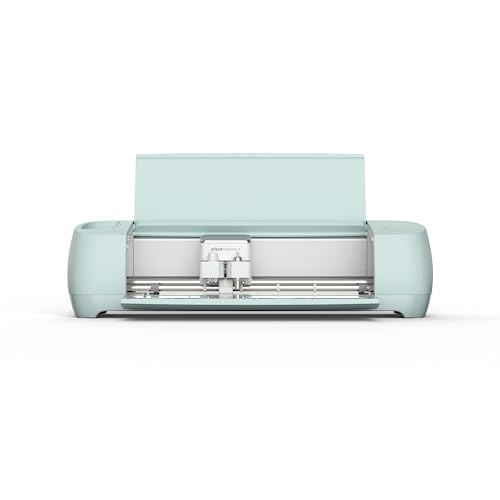
Best Cricut Machine for Beginners (2026): Joy Xtra vs Explore 3 vs Maker 3
The cutting machine is the whole hobby, and Cricut makes three that suit beginners at very different budgets. The real question is how much material variety you want to cut: the compact Joy Xtra for cards and vinyl, the Explore 3 for the classic all-rounder, or the Maker 3 if you want to cut everything up to leather and wood. Here is how they compare.

Best Epoxy Resin for Beginners (2026): 3 Honest Picks
Here is the honest truth most resin guides skip: the resin you buy matters less than how you use it. A cheap starter kit, mixed properly and left to cure in a warm, dust-free spot, will make a coaster you are proud of. The two things that actually make or break your first pour are not the brand, they are technique (measure carefully, mix thoroughly, then release the bubbles with a bit of heat) and safety (gloves on, window open, every single time). So this is not a guide that tells you to spend big to get started. It is a guide to picking a resin that fits what you want to make. All three picks here are two-part epoxy that cures clear and glossy, and all handle the beginner projects people actually start with: coasters, keychains, jewelry, and coating small pieces of art. The ladder is simple: a cheap kit to learn on, a trusted low-bubble art resin that resists yellowing, or a deep-pour resin for thick castings and embedding. Here are three good ones, and honest advice on when the cheap one is plenty.

Best Macrame Cord (2026): Single Strand Combs Out, Three-Ply Does Not
Cord comes in three constructions and they behave completely differently at the one moment that matters most: whether you can comb the ends out into soft fringe. Single strand combs beautifully. Three-ply gives you a crinkled, curly fringe instead. Braided will not comb at all. Buy the wrong one for your project and the finish is decided for you.

Best Macrame Kit for Beginners (2026): 3 Picks for Your First Knots
A macrame kit gives you the cord, the rings and dowels, and (crucially) a guide, so you can knot your first plant hanger or wall hanging without buying anything separately. The cord is the heart of it: soft 3mm cotton is the beginner standard. Here are three good ones, from a single-project starter to a big multi-project kit with a project book.
Best Lathe for Pen Turning 2026: WEN vs Rikon 70-105 vs JET Mini Lathes
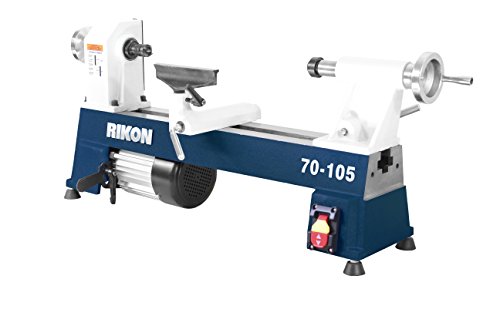
The lathe is the heart of pen turning, and the first decision is how much to buy. Two specs decide it, electronic variable speed and weight, and they separate a lathe you'll love from one you'll fight. Here are three honest picks, from a best-selling budget mini to a cast-iron value benchmark to JET's buy-once midi.

Best Pen Turning Chisels (2026): You Will Use Four of the Eight
An eight-piece lathe chisel set is sold as a starter kit, and a pen turner will use about four of them. Pens are small-diameter spindle work, so the roughing gouge, the spindle gouge, the skew and the parting tool do nearly everything, and the bowl gouge stays in the box.