Best Lathe for Pen Turning 2026: WEN vs Rikon 70-105 vs JET Mini Lathes
The lathe is the heart of pen turning, and the first decision is how much to buy. Two specs decide it, electronic variable speed and weight, and they separate a lathe you'll love from one you'll fight. Here are three honest picks, from a best-selling budget mini to a cast-iron value benchmark to JET's buy-once midi.
HobbyStack may earn a commission from links on this page at no extra cost to you. Our picks are chosen on merit; the commission helps fund the research.
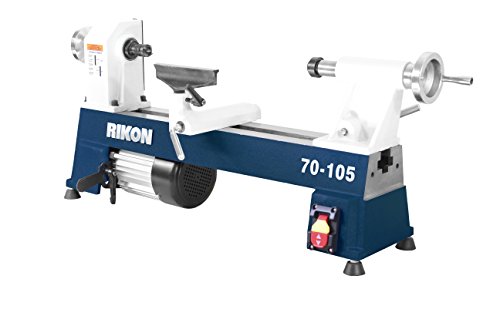
- For most beginners, the Rikon 70-105 (~$400) is the pick — a cast-iron 10×18 mini lathe with electronic variable speed, built heavy enough that it won't chatter, and capable well beyond pens.
- On a budget, the WEN 3421 (~$238) is the best-selling cheap mini lathe — variable speed and plenty for pens, though its lighter build and 8″ swing mean you'll outgrow it if you move beyond small spindle work.
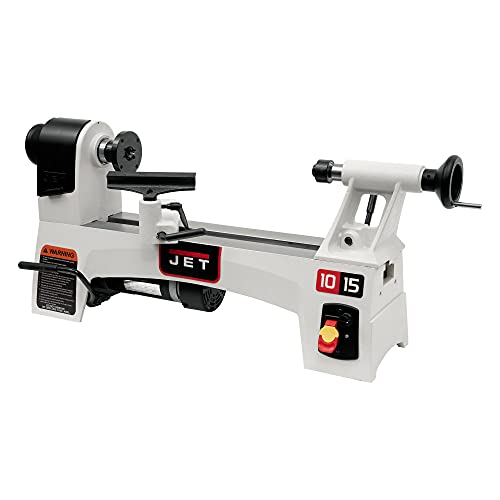
- Stepping up, the JET JWL-1015VS (~$715) is the premium midi — JET's build quality and support, smoother still, for someone who knows they'll turn a lot.
- Variable speed and weight are the whole decision. Electronic variable speed (a dial, not swapping a belt) is the #1 quality-of-life feature; cast-iron mass is what kills the vibration that ruins a clean cut. The cheap lathes skimp on the second.
- Skip: any lathe without variable speed (constant belt-changing kills the joy); no-name ultra-cheap lathes (they vibrate, and vibration is the enemy of a clean cut); a full-size floor lathe for pens (huge overkill — pens are tiny).

What actually matters in a pen lathe: variable speed and weight
A lathe spins the blank while you shape it with a chisel, and for pen turning two specs separate a lathe you'll enjoy from one you'll fight.
Variable speed is the first. You turn a pen blank fast to cut it round, then slow it down to sand and apply finish — and you'll change speed constantly. On cheap lathes that means stopping, opening a cover, and moving a belt between pulleys every time. Electronic variable speed (EVS) does it with a dial while the lathe runs. It's the single biggest quality-of-life feature, and the good news is even budget lathes now include it — so treat no variable speed as a deal-breaker.
Weight is the second, and it's where the cheap lathes give up. A spinning blank that isn't perfectly balanced makes the whole lathe vibrate, and vibration shows up as chatter marks and a rough cut. Cast iron mass damps that vibration — a heavy cast-iron bed and headstock sit still and cut smooth, while a light aluminium-and-tube budget lathe buzzes and walks across the bench. This is the real difference between the $240 WEN and the $400 Rikon.
What matters less for pens: swing (the diameter you can turn) and length between centres. Pens are tiny — even an 8″ swing is far more than you need. Bigger numbers only matter if you plan to graduate to bowls and larger spindles, which is exactly why the heavier, larger-capacity Rikon is the pick if there's any chance you'll catch the bug.
 Best for most beginners
RIKON 70-105 Mini Wood Lathe
The best first lathe for most people, and a genuine value benchmark. The Rikon 70-105 brings cast-iron bed, headstock, and tailstock — real vibration-damping mass that budget lathes skip — at a price not far above them. It runs electronic variable speed, has a 1/2 HP motor that won't bog down in a hard blank, and a 10″ × 18″ capacity that turns pens effortlessly but also leaves room to grow into small bowls and spindles. It's so well-suited to small work that pen turners single it out by name, yet it's a real woodturning lathe, not a toy. Buy this unless your budget is truly firm or you specifically want JET.
What's good
- Cast-iron bed and headstock — the mass that kills vibration and chatter
- Electronic variable speed and a 1/2 HP motor that won't bog down
- 10×18 capacity turns pens easily but also grows into small bowls
- Singled out by pen turners as the value sweet spot
- A real woodturning lathe you won't outgrow for years
What's not
- Costs more than the bare-bones WEN budget pick
- Heavier — less convenient if you need to move it on and off a bench
- More lathe than someone who'll only ever turn a handful of pens needs
 Best under $250
WEN 3421 Mini Benchtop Wood Lathe
The right pick if you want to try pen turning for the least money, and the best-selling mini lathe on Amazon for a reason. The WEN 3421 has the one feature that matters most — electronic variable speed — plus an 8″ × 12″ capacity that's perfectly adequate for pens and small spindles. The honest trade-offs are the lighter build (it's not cast iron, so it vibrates more and benefits from being bolted down or weighted), the modest 1/3 HP motor, and the small swing that caps what you can turn. For learning whether the hobby is for you without spending much, it's hard to beat — many turners start here and keep it as a dedicated pen lathe even after upgrading.
What's good
- Cheapest real way in — variable speed at a budget price
- Genuinely fine for pens and small spindle work
- Best-selling and widely supported, with cheap accessories
- Light enough to move and store easily
What's not
- Not cast iron — vibrates more; better bolted down or weighted
- Modest 1/3 HP motor can bog down in harder or larger blanks
- 8″ swing and 12″ length cap you to small work — you'll outgrow it if you go further
 The long-term lathe
JET JWL-1015VS Variable Speed Mini Wood Lathe
The step up for someone who already knows they'll turn a lot. The JET JWL-1015VS is a benchmark midi lathe — smooth electronic variable speed, a refined 1/2 HP build, and the fit, finish, and dealer support JET is known for. In pure capability for pens it isn't dramatically ahead of the Rikon, which is why the Rikon is the value pick; what you pay extra for is JET's build quality, ratings reputation, and long-term reliability. Buy it if you want a lathe you'll never question, plan to turn regularly for years, or simply prefer to buy once at the top of the mini/midi class.
What's good
- JET build quality, fit, and finish — the reference midi lathe
- Smooth electronic variable speed and a solid 1/2 HP motor
- Strong reliability reputation and dealer support
- Buy-once confidence at the top of the mini/midi class
What's not
- Roughly double the Rikon for a similar class of lathe
- Overkill if you mostly turn pens and small spindles
- Premium price is for build and support, not dramatically more capability
A lathe spins fast and an unbalanced blank can launch — set up for safety before you switch on. Always start a fresh, square blank at the lowest speed until it's cut round, then bring the speed up. Wear a face shield (not just glasses), tie back long hair, roll up sleeves, and never wear gloves — they can catch and pull your hand in. Keep the tool rest close to the work and below centre, and remove the tool rest before sanding. Wood dust is harmful, so wear the respirator from your kit whenever the lathe is running.
How to choose between the three
Pick the Rikon 70-105 if you want one lathe that does pens beautifully and won't hold you back later — the cast-iron mass means smooth, chatter-free cuts, and the extra capacity leaves room to try bowls. This is the right answer for most people.
Pick the WEN 3421 if you want to spend as little as possible to find out whether turning is for you. It has the variable speed that matters, it turns pens fine, and you can keep it as a dedicated pen lathe even if you later upgrade — just expect more vibration and bolt it down.
Pick the JET JWL-1015VS if you already know you're committed, want JET's build quality and support, and would rather buy once at the top of the class than upgrade later.
If you're genuinely unsure, get the Rikon — it's the least likely to be the wrong call. Cheap enough to be reasonable, good enough that you won't need to replace it.
Before you buy
Variable speed is non-negotiable. Any lathe that makes you stop and move a belt to change speed will wear out your patience fast. Every pick here has electronic variable speed — don't buy one that doesn't.
Weight is quality. Heavier (cast iron) means less vibration and a cleaner cut. If you buy the light WEN, bolt it to the bench or weight the base to steady it.
Budget for the rest of the kit, not just the lathe. You also need turning chisels, a pen mandrel, pen kits, and a finish — see the full pen-turning gear list for those. A lathe alone won't make a pen.
Swing barely matters for pens. Don't overpay for a huge capacity if pens are the goal — but if there's any chance you'll try bowls, the larger Rikon or JET leaves the door open.
A face shield and a respirator come first. They cost little and they're the difference between a safe hobby and a trip to the ER or chronic lung trouble.
Common questions about pen-turning lathes
What size lathe do I need for pen turning?
Is the cheap WEN lathe good enough for pens?
Why does variable speed matter so much?
Do I need cast iron, or is a lighter lathe fine?
What else do I need besides the lathe to turn a pen?
Can I turn more than pens on these lathes?
For most beginners, the RIKON 70-105 Mini Wood Lathe is the buy — cast-iron, variable-speed, and capable well beyond pens, at a price not far above the budget pick. Trying it cheap? The WEN 3421 Mini Benchtop Wood Lathe has the variable speed that matters for ~$238. Already committed? The JET JWL-1015VS Variable Speed Mini Wood Lathe is JET's buy-once midi.
Ready to actually do it?
The first pen turning quest takes an evening, and it tells you whether the gear was worth it better than any review can.
Start Pen TurningThe HobbyStack editorial team researches each guide using practitioner communities, published resources, and direct input from active hobbyists. Every guide is reviewed for accuracy before publication and updated when practices change.
About our editorial process →More gear guides
All guides
Best Cordless Drill for Woodworking 2026: Ryobi vs DeWalt vs Milwaukee
A cordless drill is the first power tool most woodworkers buy: it drives screws, bores pilot holes for joinery, and assembles your projects. The trick is choosing the right one for a wood shop without overbuying. Here are three picks, and the battery-ecosystem decision that matters more than the drill itself.
Best Hand Saw for Woodworking 2026: Japanese Pull Saw vs Western
A good hand saw is the most-used tool in beginner woodworking, and the first decision is the stroke: Japanese pull saws cut on the pull (thin kerf, easy control) while Western saws cut on the push (faster through rough stock). Here are three picks and which stroke fits the work you'll actually do.

Best Miter Saw for Woodworking 2026: Metabo vs DeWalt DWS779 vs Festool Kapex
A miter saw makes the fast, accurate, repeatable crosscuts that turn rough boards into furniture parts, the second power tool most woodworkers buy after the drill. Here are three picks, from an honest sub-$160 starter to the finish-carpenter's dream, plus how much saw your woodworking actually needs.

Best Beginner Woodworking Chisels 2026: REXBETI vs Irwin Marples vs Narex
A set of bench chisels is one of the first hand tools every woodworker needs: they pare joints, clean up saw cuts, and do the detail work a saw can't. Here are three beginner picks you can buy on Amazon, from a cheap set that includes its own sharpening stone to a buy-it-once Czech set, plus the four sizes you actually need.

Best Circular Saw for Beginners 2026: SKIL vs DeWalt 20V vs Makita
A circular saw is the workhorse of a beginner's shop, it breaks down plywood and makes the rough cuts a miter saw is overkill for. The first decision is the cord: corded gives you consistent power at the lowest price, cordless gives you go-anywhere freedom for more money. Here are three picks, and the blunt truth that a cheap saw plus a good blade beats an expensive one used carelessly.

Best Squares for Woodworking (2026): Speed Square or Combination Square
A speed square and a combination square are not two grades of the same tool. One is a fast triangle for framing cuts and rafter angles, the other is an adjustable square for laying out joints, checking depth and marking parallel lines. Most people buy the wrong one first because the cheap one looks like the beginner version, and it is not.