Best Pen Turning Chisels (2026): You Will Use Four of the Eight
An eight-piece lathe chisel set is sold as a starter kit, and a pen turner will use about four of them. Pens are small-diameter spindle work, so the roughing gouge, the spindle gouge, the skew and the parting tool do nearly everything, and the bowl gouge stays in the box.
HobbyStack may earn a commission from links on this page at no extra cost to you. Our picks are chosen on merit; the commission helps fund the research.
- Pens need a roughing gouge, a spindle gouge, a skew and a parting tool. That is most of it.
- HSS holds an edge and needs a grinder. Carbide inserts rotate and get replaced.
- Sharpening is the skill, not the buying. A dull gouge tears rather than cuts.
- Bevel rubbing first, then raise the handle to engage the cut.
- Never present a tool to spinning wood without the bevel in contact.
 Urbansential 5-piece HSSPens only$40Check price
 Our pickHURRICANE 8-piece M2 HSSMost turners$71Check price
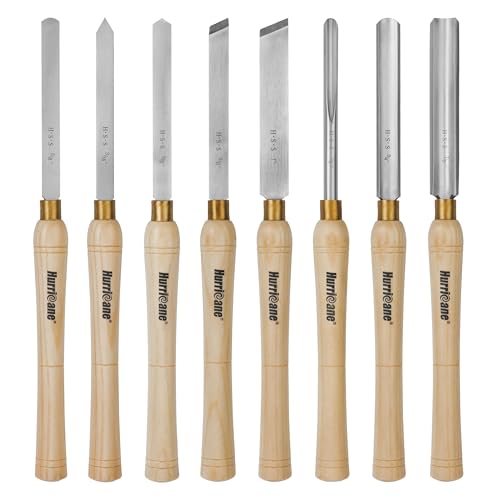 PSI LCHSS8Longer handles$85Check price
The four tools pens actually need
Turning a pen is spindle work: the blank is held between centres on a mandrel and you are cutting along the grain on a small diameter. That narrows the useful toolset considerably.
The spindle roughing gouge. A deep flute with a straight-across grind. It takes a square blank down to a cylinder fast, and that is the first thing you do to every pen blank. Used for nothing else.
The spindle gouge. Smaller, with a fingernail grind. This shapes the profile — the curves and tapers that make the pen look like something rather than a dowel.
The skew chisel. A flat chisel with an angled edge, and the pen turner's finishing tool. Used properly it leaves a surface so clean it barely needs sanding, which matters because sanding a pen blank rounds the crisp details you just cut. It is also the tool most likely to catch while you learn it.
The parting tool. Narrow and straight, for cutting to a precise diameter and separating work. You use it to size the blank ends exactly to the bushings.
What you will not use on pens: the bowl gouge, which is for faceplate and bowl work entirely, and usually a couple of the scrapers in an eight-piece set.
So a five-piece set is not a compromise for pens, and the argument for eight pieces is that you will probably want to turn something other than pens eventually.
Never use a spindle roughing gouge on a bowl. Its tang is weak in the handle and bowl work can snap it. This is a genuine safety rule rather than a preference.
Steel, sharpening and the bevel
HSS, high speed steel, is the standard. It holds an edge at the temperatures turning generates and you sharpen it on a grinder. M2 is a common and good HSS grade, which is what the HURRICANE set here specifies.
Carbide insert tools are the alternative. A small square or round carbide cutter is screwed to a bar, and when it dulls you rotate it to a fresh edge and eventually replace it. No sharpening at all, a flat scraping presentation that is easy to learn, and a surface that generally needs more sanding than a well-used gouge. Many people start on carbide and move to HSS for the finish.
Then the thing that actually determines your results: sharpening. A dull gouge does not cut, it tears, and the torn surface needs heavy sanding that destroys crisp detail. Turners sharpen constantly — several times within a single project is normal, not a sign of a problem.
That means a grinder and a jig are part of the cost of HSS tools, and budgeting for them is more important than buying a dearer set.
The bevel is the technique. The ground surface behind the edge rests on the wood first, and only then do you raise the handle until the edge engages. The bevel supports and steers the cut.
Presenting an edge to spinning wood with no bevel contact is how catches happen, where the tool digs in, grabs and either wrecks the blank or is thrown. Bevel first, every time.
Handle length matters more than you think. A longer handle gives leverage against a catch, which is part of what you are paying for in the PSI set.
 Best for pens only
Urbansential Woodworking HSS Wood Turning Tools Lathe Chisel
Five HSS tools, which happens to be about the number a pen turner actually uses, so this is not as much of a compromise as it looks. HSS holds its edge at turning temperatures and sharpens on a grinder like any other turning steel. If pens are the whole plan, the three tools missing from an eight-piece set are ones that would stay in the drawer. Handles are shorter than the dearer sets, which gives less leverage against a catch.
What's good
- Five tools covers pen turning almost completely
- HSS, so it holds an edge properly
- Cheapest route into real turning tools
- No bowl gouge you were never going to use
What's not
- Shorter handles give less leverage in a catch
- Grind quality from the factory is rough
- Limits you if you move beyond pens
- Steel grade is not specified
 Best for most turners
HURRICANE 8pc Wood Lathe Chisel Set
Eight tools in M2 high speed steel, which is the sensible middle because M2 is a known good grade rather than unspecified HSS, and eight pieces covers the spindle work pens need plus the bowl gouge for when you inevitably try something larger. The extra tools are genuinely useful later even though a pen only needs four. Factory grinds still want refreshing on a grinder before first use, as with any set at this price.
What's good
- M2 is a specified, known-good HSS grade
- Covers pens now and bowls later
- Better handle length than the five-piece
- Sensible price for eight tools
What's not
- Half the set unused if you only turn pens
- Factory grinds need refreshing before use
- Needs a grinder and jig you may not own
- Handles are plain
 Best for longer handles
PSI Woodworking LCHSS8 Wood Lathe 8pc HSS Chisel Set
PSI supply the pen turning trade, so the set is put together around what that work needs, and the practical difference is handle length. A longer handle gives more leverage to resist a catch, which is the moment a tool digs in and tries to twist out of your hands, and that makes the skew in particular much more controllable while you learn it. Eight HSS tools. It is the dearest here for tools you still have to sharpen yourself.
What's good
- Longer handles give real leverage against catches
- Makes the skew more controllable while learning
- Assembled around pen and spindle work
- PSI supply the pen turning trade
What's not
- Dearest of the three
- Still needs sharpening like any HSS set
- Longer handles are awkward on a small lathe
- Steel grade less specific than M2
Two rules that prevent most turning injuries. Always rest the bevel on the wood before raising the handle to engage the edge — presenting an edge with no bevel contact is how a tool digs in, grabs and gets thrown. And never use a spindle roughing gouge on bowl or faceplate work: its tang is weak where it enters the handle and bowl forces can snap it, sending the blade loose. Face shield, always, not just glasses.
Around the chisels
You need a grinder and a jig. HSS tools are sharpened, repeatedly, and freehand grinding a fingernail profile is genuinely hard. A slow-speed grinder with a simple jig makes it repeatable, and repeatable sharpening is what makes turning enjoyable rather than frustrating.
A mandrel and bushings are separate. Pen kits specify bushing sizes, the mandrel holds the drilled blank between centres, and neither comes with a chisel set.
Drill straight, or nothing else matters. A blank drilled off-centre gives a pen with walls thin on one side, and it often blows out while turning. A drill press or a lathe-mounted chuck beats a hand drill considerably.
Glue the tubes properly and let them cure. A tube that lets go mid-turn ruins the blank.
Square the blank ends to the tube with a barrel trimmer or a disc sander. If the ends are not square the finished pen will not sit flush at the fittings, and that gap is the first thing anyone notices.
Speed up for pens. Small diameters want high lathe speed, and a blank that chatters usually wants more speed rather than less.
Face shield, not glasses. A blank coming apart at speed goes outward hard, and pen blanks are often figured or resin-filled and prone to it.
Before you buy
Pens need a roughing gouge, spindle gouge, skew and parting tool.
Budget for a grinder and a jig alongside HSS tools.
Consider carbide if you would rather not sharpen at all.
Longer handles give more control, especially with a skew.
A mandrel and bushings are separate purchases.
Pen turning chisel questions
Which chisels do I actually need for pens?
HSS or carbide?
Why does my cut tear instead of slicing?
What is a catch and how do I avoid it?
The HURRICANE eight-piece in M2 steel is the sensible buy: a specified good HSS grade, decent handles, and enough tools to cover pens now and whatever you try next. The five-piece set is genuinely fine if pens are the whole plan, since the missing tools are the ones that stay in the drawer. The PSI set earns its price in handle length. Budget for a grinder either way.
Ready to actually do it?
The first pen turning quest takes an evening, and it tells you whether the gear was worth it better than any review can.
Start Pen TurningThe HobbyStack editorial team researches each guide against manufacturer specifications, published resources and practitioner sources. Every product is checked for availability and described against its current listing before publication, and prices are re-checked when guides are updated.
About our editorial process →More gear guides
All guides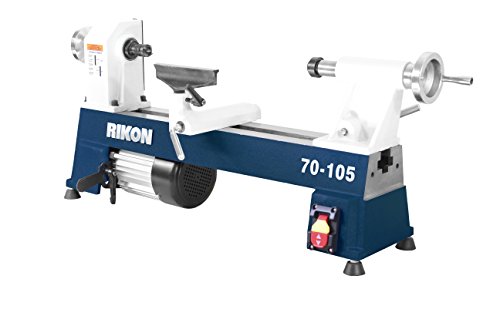
Best Lathe for Pen Turning 2026: WEN vs Rikon 70-105 vs JET Mini Lathes
The lathe is the heart of pen turning, and the first decision is how much to buy. Two specs decide it, electronic variable speed and weight, and they separate a lathe you'll love from one you'll fight. Here are three honest picks, from a best-selling budget mini to a cast-iron value benchmark to JET's buy-once midi.

Best Cordless Drill for Woodworking 2026: Ryobi vs DeWalt vs Milwaukee
A cordless drill is the first power tool most woodworkers buy: it drives screws, bores pilot holes for joinery, and assembles your projects. The trick is choosing the right one for a wood shop without overbuying. Here are three picks, and the battery-ecosystem decision that matters more than the drill itself.
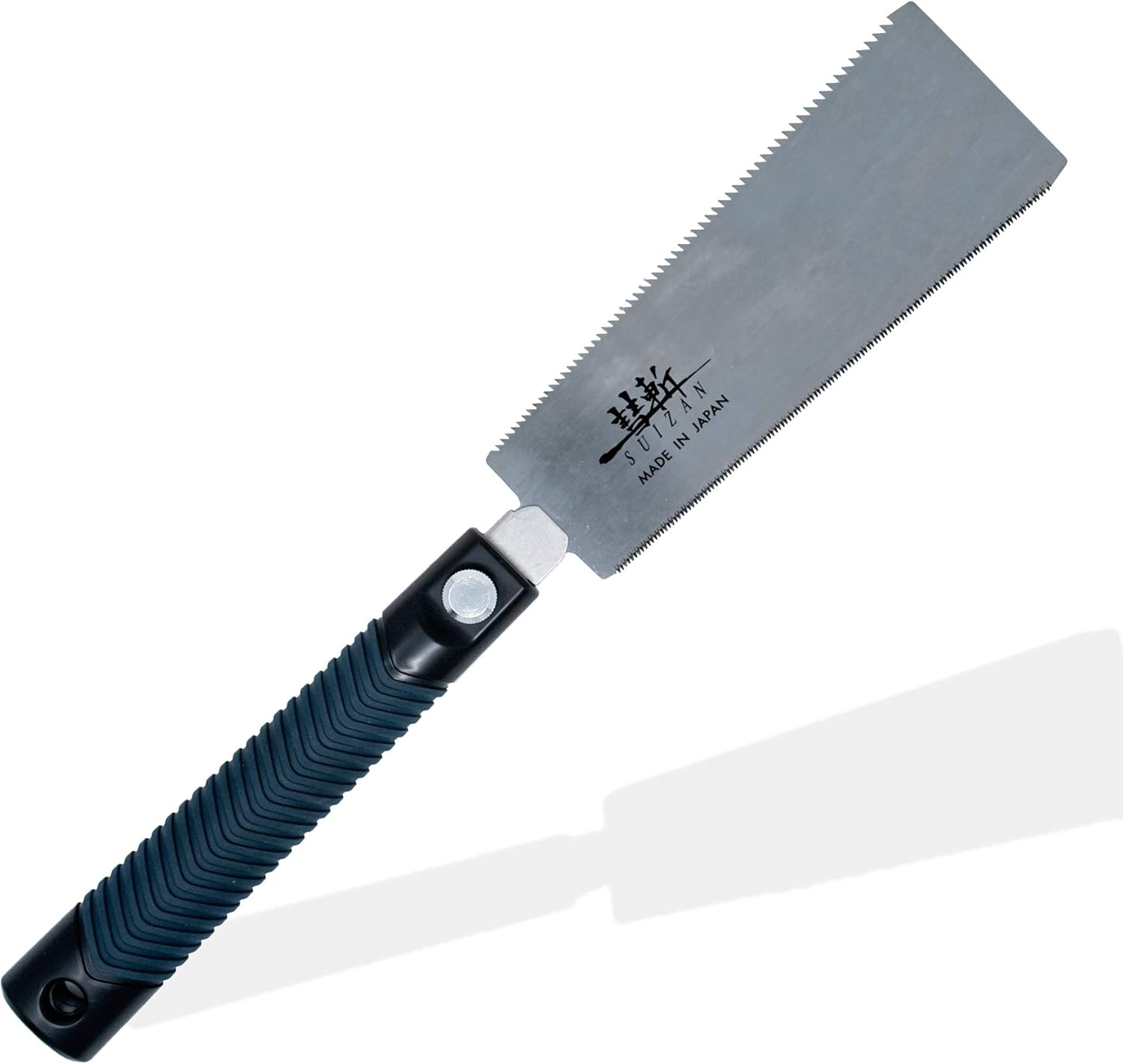
Best Hand Saw for Woodworking 2026: Japanese Pull Saw vs Western
A good hand saw is the most-used tool in beginner woodworking, and the first decision is the stroke: Japanese pull saws cut on the pull (thin kerf, easy control) while Western saws cut on the push (faster through rough stock). Here are three picks and which stroke fits the work you'll actually do.

Best Miter Saw for Woodworking 2026: Metabo vs DeWalt DWS779 vs Festool Kapex
A miter saw makes the fast, accurate, repeatable crosscuts that turn rough boards into furniture parts, the second power tool most woodworkers buy after the drill. Here are three picks, from an honest sub-$160 starter to the finish-carpenter's dream, plus how much saw your woodworking actually needs.

Best Beginner Woodworking Chisels 2026: REXBETI vs Irwin Marples vs Narex
A set of bench chisels is one of the first hand tools every woodworker needs: they pare joints, clean up saw cuts, and do the detail work a saw can't. Here are three beginner picks you can buy on Amazon, from a cheap set that includes its own sharpening stone to a buy-it-once Czech set, plus the four sizes you actually need.

Best Circular Saw for Beginners 2026: SKIL vs DeWalt 20V vs Makita
A circular saw is the workhorse of a beginner's shop, it breaks down plywood and makes the rough cuts a miter saw is overkill for. The first decision is the cord: corded gives you consistent power at the lowest price, cordless gives you go-anywhere freedom for more money. Here are three picks, and the blunt truth that a cheap saw plus a good blade beats an expensive one used carelessly.