Best Easel for Beginners (2026): Tabletop, H-Frame or Neither
An easel is the piece of painting equipment people buy first and need last. Watercolour is usually painted flat or at a shallow angle; small acrylic and oil studies work fine propped against a stack of books. What an easel really buys you is the ability to stand back, see the whole picture at once, and work at a size your table cannot hold.
HobbyStack may earn a commission from links on this page at no extra cost to you. Our picks are chosen on merit; the commission helps fund the research.
- Buy for canvas size. The maximum height an easel holds is the specification that decides everything.
- Tabletop easels are enough for anything up to roughly 16 inches, and cost almost nothing.
- The real benefit of a floor easel is stepping back. You cannot judge a painting from 40cm away.
- H-frame is stable and heavy; A-frame folds away. Pick on whether you have a permanent corner.
- Watercolourists mostly need a shallow tilt, not an upright easel — gravity moves the paint.
 U.S. Art Supply 16" TabletopSmall work, tight spaces$18Check price
 Our pickMont Marte Tilting Studio EaselMost people$180Check price
 MEEDEN Heavy-Duty H-FrameLarge, heavy canvases$190Check price
The three shapes
Tabletop easels sit on a desk and hold small boards and canvases, usually to around 16 inches. They cost very little, store in a cupboard, and are genuinely all you need for studies, small acrylics and most watercolour work.
A-frame (or lyre) easels are the folding three-legged kind. They take up less floor space and fold flat against a wall, which is the whole argument for them, but they are less stable and hold less weight.
H-frame easels are the rectangular studio ones with a wide base. They are heavy and they do not fold, and in exchange they hold large, heavy canvases without any wobble and let you push hard against the surface without the whole thing rocking.
The question that decides it is not really budget. It is whether you have a corner you can leave an easel standing in.
Why standing back is the real feature
Painting close up, you see brushwork. From two metres, you see the picture — the values, whether the composition balances, whether a colour is wrong. Almost every problem a beginner cannot diagnose is visible instantly from across the room and invisible at arm's length.
A table forces you to look down at an angle and to sit close. A floor easel puts the work upright at eye level and lets you walk away from it, which is the single biggest reason to own one.
If you are not ready for that, the cheap version is to prop your board on the mantelpiece and stand back from it every twenty minutes. It works, and it costs nothing.
 Best for small work
U.S. Art Supply 16" Mini Wooden Studio Tabletop Easel
A small wooden H-frame that sits on a desk and holds boards and canvases up to around sixteen inches, which covers studies, small acrylics, and most of what a beginner will actually paint in the first year. It costs about the same as two tubes of decent paint, so it is not really a decision. It folds down to nothing and lives in a drawer between sessions, which matters if you paint at a kitchen table and have to clear it each time. What it cannot do is let you stand back — you are still sitting close, looking down. If you already know you want to paint large, skip it. If you are finding out whether you enjoy painting at all, start here.
What's good
- Costs almost nothing
- Stores flat in a drawer
- Fine up to roughly 16 in canvases
- Good for watercolour at a shallow tilt
What's not
- Cannot hold large canvases
- You still work sitting close
- Light — will shift if you press hard
- Basic finish
 Best for most people
Mont Marte Tilting Studio Wooden Floor Easel. Height
A floor easel whose useful trick is that it tilts — from upright, through an angled position, to nearly flat. That range is what makes it the sensible single easel to own, because it covers oils and acrylics upright and watercolour at a shallow angle where the washes stay where you put them. Height adjustable, so it works sitting or standing. It is a proper piece of furniture: you need somewhere to leave it, and it takes assembling. The frame is lighter than the heavy studio easels here, so very large stretched canvases will move a little under a firm brush. For the sizes most people work at, it is exactly enough.
What's good
- Tilts from upright to nearly flat — suits all media
- Height adjustable for sitting or standing
- Lets you step back from the work
- Reasonable footprint for a floor easel
What's not
- Needs a permanent spot
- Some flex under a heavy hand on big canvases
- Assembly required
- Ten times the tabletop price
 Best for large canvases
MEEDEN Heavy-Duty H-Frame Studio Easel
Solid beech, a wide H-frame base, and enough mass that a large stretched canvas does not move when you work into it firmly. That is the entire point: on lighter easels a big canvas rocks slightly with every stroke, which is fine for delicate work and maddening for anything vigorous. It holds tall canvases and adjusts smoothly. In return it is heavy, it does not fold, and it will occupy its corner permanently — this is furniture, not equipment. It also does not tilt flat, so watercolourists gain less from it than oil and acrylic painters do. Buy it if you have the space and you paint large.
What's good
- Rock solid under a heavy hand
- Takes large, tall canvases
- Solid beech — lasts indefinitely
- Smooth height adjustment
What's not
- Heavy and does not fold
- Needs permanent floor space
- Does not tilt flat for watercolour
- Most expensive here
A stack of books, a chair back, or the mantelpiece will hold a board at a usable angle for nothing. If you are unsure whether painting will stick, spend the easel money on better paint instead — the difference between student and artist-grade pigment will change your paintings far more than what is holding the canvas.
Watercolour is the exception
Watercolour is water moving under gravity. On an upright easel, washes run down the paper and pool at the bottom, which is occasionally a technique and usually an accident.
Most watercolourists work flat or at a shallow angle — somewhere around 10 to 20 degrees — so that washes flow gently rather than sprinting. That is why a tilting easel matters more than an upright one for watercolour, and why a tabletop easel plus a board is often a complete answer.
If you paint in oils or acrylics, none of this applies: those stay where you put them and upright is the natural position.
Before you buy
Decide your largest canvas first. That number picks the easel.
No permanent corner? Buy a tabletop easel or an A-frame that folds.
Watercolourists: prioritise a shallow tilt over an upright frame.
Push the display model. If it rocks in a shop it will rock at home.
Not sure painting will stick? Prop the board on books and buy better paint.
Easel questions
Do I need an easel to start painting?
What is the difference between an H-frame and an A-frame easel?
What easel should I use for watercolour?
How big an easel do I need?
Buy the easel your largest canvas needs, and not before you need one. The Mont Marte tilting studio easel is the one to own if you have a corner for it — it goes from upright for oils to nearly flat for watercolour, which is why it works as a single easel. The U.S. Art Supply tabletop is genuinely enough for small work and costs almost nothing. The MEEDEN H-frame is for large canvases and a heavy hand. And if you are still finding out whether painting sticks, prop it on books and buy better paint.
Ready to actually do it?
The first painting quest takes an evening, and it tells you whether the gear was worth it better than any review can.
Start PaintingThe HobbyStack editorial team researches each guide against manufacturer specifications, published resources and practitioner sources. Every product is checked for availability and described against its current listing before publication, and prices are re-checked when guides are updated.
About our editorial process →More gear guides
All guides
Best Beginner Acrylic Paint Set 2026: Liquitex BASICS and Where to Start
Acrylics are the best paint to start with: fast-drying, water-cleanup, and forgiving, but the cheapest craft-store paints are so thin and chalky they'll put you off. The fix is student-grade acrylics with real pigment, which cost barely more. Here are three sets, from the beginner standard to a pro-quality upgrade.

Best Canvas for Painting (2026): Cotton, Linen, and What Primed Really Means
Almost every cheap canvas says pre-primed, and almost every painter adds more primer anyway. Factory gesso is applied thinly to keep costs down, so paint sinks into the weave, colours dry dull and you use two or three times as much of an expensive tube as you needed to.

Best Graphite Pencils for Beginners (2026): 3 Picks
Graphite pencils come in a range of grades, from hard (H) that make light, thin lines to soft (B) that make dark, smudgy ones. For a beginner, the one spec that actually matters is getting a set that spans that range, roughly 2H to 8B, so you can shade properly instead of pressing harder on one pencil. Any of these three will do that.
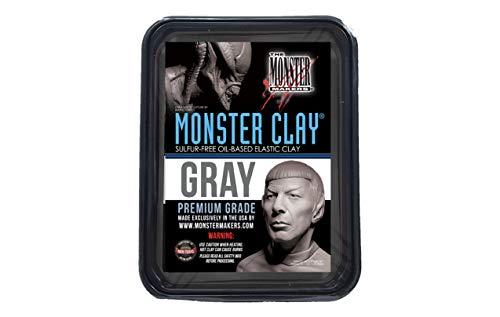
Best Sculpting Clay for Beginners (2026): Oil vs Air-Dry vs Self-Hardening
The right beginner clay depends on one thing: do you want to practice, or keep the result? Oil clay never dries so it is ideal for learning; hardening clay becomes a permanent piece. Here is what to buy at $13 to $35.

Best Calligraphy Starter Kits for Beginners: Dip Pens, Speedball, and the Pilot Parallel
The right starter kit makes the difference between smooth, satisfying letters and a frustrating mess of ink blots and scratchy strokes. Here are the three kits worth buying first, and why a cheap brush-pen bundle is not one of them.

Best Calligraphy Pen Holders (2026): Straight, Oblique and Why It Matters
The holder is the cheapest part of dip-pen calligraphy and the one that decides whether the script you want is even possible. A straight holder is fine for most hands and most styles. Copperplate and Spencerian, with their steep slant, are very hard to write with one — and that is the whole reason the strange-looking oblique holder exists.