Best Sculpting Clay for Beginners (2026): Oil vs Air-Dry vs Self-Hardening
The right beginner clay depends on one thing: do you want to practice, or keep the result? Oil clay never dries so it is ideal for learning; hardening clay becomes a permanent piece. Here is what to buy at $13 to $35.
HobbyStack may earn a commission from links on this page at no extra cost to you. Our picks are chosen on merit; the commission helps fund the research.
- Pick your clay by what you want to do, not by price. Learning and practicing (sculpt, wipe it back, sculpt again) wants a clay that never dries. Making something to keep wants a clay that hardens.
- Our pick for learning: Monster Clay (~$35). An oil and wax based clay that never dries out, so you can work the same block for months, soften it with a little heat, and it holds fine detail. It is sulfur-free, which matters if you ever want to mold a piece later. The clay most character sculptors actually use.
- Cheapest way to start: ReArt Air-Dry Clay (~$13). A soft, non-toxic clay that needs no oven or kiln and dries permanent on its own. More brittle than artist clays, but the honest way to find out whether you enjoy sculpting before spending more.
- For pieces you want to keep: AMACO Stonex Self-Hardening Clay (~$29). An artist-grade white clay that air-hardens without firing and takes paint well, so a finished figure or relief can go on a shelf. Made in the USA, a real step up from craft-store air-dry.
- Skip: air-dry clay if your goal is to learn form (it fights you by drying as you work), and any clay described as a kids' classroom or slime product (fun, but too soft and short-lived to teach you real sculpting).
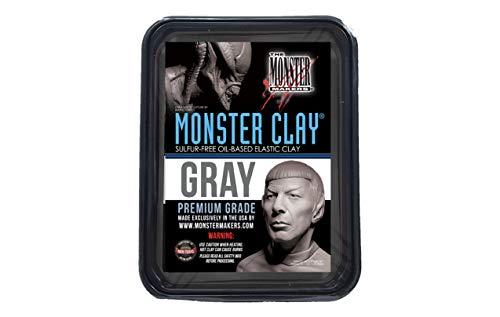 Our pickMonster Clay Premium Grade Modeling ClayBest for learning to sculpt$35Check price
 ReArt Air-Dry Modeling Clay (2.2 lb)Cheapest way to try it$14Check price
 AMACO Stonex™ Self-Hardening ClayBest for pieces you keep$30Check price
The one decision that picks your clay
Beginners overthink brands and underthink the single question that actually matters: do you want to practice, or do you want to keep the result?
That splits sculpting clay into two families, and they behave completely differently.
Non-drying clay (oil-based). This is clay like Monster Clay. It is bound with oils and waxes instead of water, so it never dries or hardens at room temperature. You can work the same block essentially forever: build a figure, learn from it, then squish it back into a ball and start again. Warm it slightly and it turns soft and blendable; let it cool and it firms up to hold crisp detail. This is what you want for learning, because the clay never punishes you for being slow, and it is what professional character and creature sculptors use to make the original that then gets molded and cast. The catch: it never becomes a permanent object. An oil-clay sculpture stays soft clay forever (unless you mold and cast it), so it is a practice and master-making material, not a finished-piece material.
Hardening clay (air-dry and self-hardening). This is clay like ReArt and AMACO Stonex. It is water-based, so as you work it slowly dries, and once fully dry it becomes a solid, permanent object you can paint and display. This is what you want when the goal is a finished piece to keep or give away, with no kiln required. The trade-off runs the other way: the drying works against you while you learn (you are on a clock, and reworking a stiffening surface is frustrating), and dried water-based clay is more brittle than fired pottery, so thin or delicate parts can snap.
There is a third family, polymer clay (Sculpey and similar), which stays soft until you bake it hard in a home oven. It is excellent for small figures and jewelry and worth knowing about, but for someone learning to sculpt form, the non-drying-versus-hardening decision above is the one that matters first.
So the honest recommendation order for a beginner: start on cheap air-dry to see if you like it, move to oil-based clay to actually learn (it removes the time pressure entirely), and reach for a self-hardening artist clay when you want to make something permanent.
 Best for learning to sculpt
Monster Clay Premium Grade Modeling Clay
Monster Clay is the clay to learn on, and it is what a large share of professional character and creature sculptors reach for. Because it is oil and wax based it never dries, so there is zero time pressure: you can work a piece across many sessions, wipe it back and redo a passage, and reuse the same block indefinitely. A little warmth (a heat gun, a lamp, or just warm hands) makes it soft and blendable for building up form; as it cools it firms up and holds remarkably fine detail. Crucially for anyone who might later cast a piece, it is sulfur-free, which means it is compatible with silicone molds. The one thing to be clear about: a Monster Clay sculpture is never a permanent object on its own. It is the ideal material for practicing and for making a master to mold, not for a finished piece you paint and shelve.
What's good
- Never dries out; work the same block for months with no time pressure
- Reusable forever, so practice costs you nothing after the first block
- Softens with gentle heat, then holds crisp fine detail as it cools
- Sulfur-free, so it works with silicone molds if you cast later
- The genuine professional standard for character and creature sculpting
What's not
- Never hardens; a finished piece must be molded and cast to keep it
- Oil clay leaves a slight residue and attracts dust; keep it covered
- Around $35 for a block, more than craft air-dry (but reusable forever)
 Cheapest way to try it
ReArt Air-Dry Modeling Clay (2.2 lb)
ReArt Air-Dry Clay is the honest low-risk way to find out whether sculpting is for you. It is a soft, non-toxic, water-based clay that needs no oven, kiln, or special equipment: shape it, and it air-hardens into a permanent piece you can paint. For a first head, hand, or small figure it does the job, and at around $13 there is nothing lost if you decide the hobby is not sticking. Be realistic about the trade-offs of any cheap air-dry: it starts drying while you work, so you are on a clock, and once dry it is more brittle than fired clay, so thin parts can crack. Keep pieces chunky, work reasonably quickly, and mist it with water if it stiffens too soon.
What's good
- Under $15, the cheapest real way to start sculpting
- No kiln or oven; air-hardens into a permanent, paintable piece
- Non-toxic and soft, easy for a complete beginner to shape
- Fine for a first finished piece while you decide if you enjoy the hobby
What's not
- Dries as you work, so there is time pressure while you learn
- More brittle than fired clay; thin or delicate parts can snap
- Not reusable; once it hardens, that block is spent
 Best for pieces you keep
AMACO Stonex™ Self-Hardening Clay
AMACO Stonex is the pick when the goal is a permanent piece and you do not have a kiln. It is an artist-grade, self-hardening white clay (made in the USA) that air-dries to a solid, durable result and takes paint, from acrylics to temperas, cleanly. Compared with bargain craft air-dry, it works smoother, holds detail better, and dries tougher, which is why it sits in the premium slot here even though it costs less than the oil clay: 'premium' means it is the best choice for its job, which is making a finished object you can decorate and display, not the most expensive material on the page. You can rework it with a little water while it is still damp, then let it cure hard.
What's good
- Self-hardens to a durable, permanent piece with no kiln or firing
- Takes acrylics, temperas, and school paints well for a finished look
- Smoother and tougher when dry than bargain craft air-dry clay
- Made in the USA, a genuine artist-grade material at a fair price
What's not
- Water-based, so like all air-dry it dries as you work
- Not reusable once cured; and thin parts still want care
- For learning form, oil clay is easier; this shines for finished pieces
The clay is only half of a first sculpting kit, and the other half is cheap. A basic wire-loop and ribbon tool set (around $12) does most of the shaping and refining that fingers cannot, and for anything standing up you want a simple wire armature (aluminum wire twisted to a rough skeleton) so the clay has something to hold onto. Clay plus a loop tool set plus a little armature wire is the whole beginner starting point, for well under $60 with the oil clay.
Before your first sculpt
Match the clay to your goal. Want to learn and practice without pressure? Oil clay (Monster Clay). Want a finished piece to keep and paint? Self-hardening (AMACO Stonex). Just testing the waters? Cheap air-dry (ReArt).
Build an armature for anything that stands. A twist of aluminum wire in a rough skeleton stops legs and necks sagging or cracking, and means you use far less clay. Essential for figures, optional for busts and reliefs.
Work big to small. Block in the large masses and get the proportions right before you touch any detail. Beginners lose hours detailing a face that was the wrong shape to begin with.
With air-dry, keep it damp and covered. A spray bottle and a plastic bag over work-in-progress buys you time against the clock. With oil clay you have no clock, which is exactly why it is easier to learn on.
Warm oil clay before you fight it. If Monster Clay feels stiff, do not force it. Warm it with a lamp, a heat gun on low, or just your hands, and it turns soft and cooperative.
Common questions about sculpting clay
What clay do professional sculptors actually use?
Oil-based vs air-dry clay: which should a beginner buy?
Does Monster Clay ever dry or harden?
Can I sculpt without a kiln or oven?
Why is the self-hardening clay the 'premium' pick when it costs less than the oil clay?
Ready to actually do it?
The first sculpting quest takes an evening, and it tells you whether the gear was worth it better than any review can.
Start SculptingThe HobbyStack editorial team researches each guide against manufacturer specifications, published resources and practitioner sources. Every product is checked for availability and described against its current listing before publication, and prices are re-checked when guides are updated.
About our editorial process →More gear guides
All guides
Best Beginner Acrylic Paint Set 2026: Liquitex BASICS and Where to Start
Acrylics are the best paint to start with: fast-drying, water-cleanup, and forgiving, but the cheapest craft-store paints are so thin and chalky they'll put you off. The fix is student-grade acrylics with real pigment, which cost barely more. Here are three sets, from the beginner standard to a pro-quality upgrade.

Best Canvas for Painting (2026): Cotton, Linen, and What Primed Really Means
Almost every cheap canvas says pre-primed, and almost every painter adds more primer anyway. Factory gesso is applied thinly to keep costs down, so paint sinks into the weave, colours dry dull and you use two or three times as much of an expensive tube as you needed to.

Best Easel for Beginners (2026): Tabletop, H-Frame or Neither
An easel is the piece of painting equipment people buy first and need last. Watercolour is usually painted flat or at a shallow angle; small acrylic and oil studies work fine propped against a stack of books. What an easel really buys you is the ability to stand back, see the whole picture at once, and work at a size your table cannot hold.
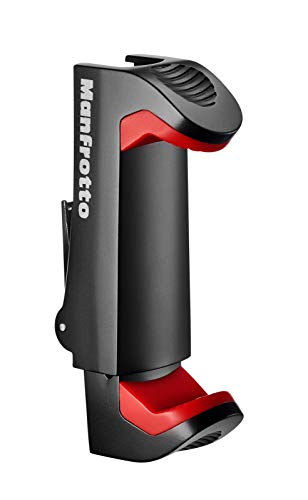
Best Phone Mount for Stop Motion (2026): Any Movement Between Frames Shows
Stop motion is hundreds of still frames played in sequence, and the camera has to be in exactly the same place for every one of them. A mount that shifts by a millimetre between frames produces a jitter you cannot edit out, and it is far more visible than any flaw in the animation itself.

Best Calligraphy Starter Kits for Beginners: Dip Pens, Speedball, and the Pilot Parallel
The right starter kit makes the difference between smooth, satisfying letters and a frustrating mess of ink blots and scratchy strokes. Here are the three kits worth buying first, and why a cheap brush-pen bundle is not one of them.

Best Calligraphy Pen Holders (2026): Straight, Oblique and Why It Matters
The holder is the cheapest part of dip-pen calligraphy and the one that decides whether the script you want is even possible. A straight holder is fine for most hands and most styles. Copperplate and Spencerian, with their steep slant, are very hard to write with one — and that is the whole reason the strange-looking oblique holder exists.