Best Canvas for Painting (2026): Cotton, Linen, and What Primed Really Means
Almost every cheap canvas says pre-primed, and almost every painter adds more primer anyway. Factory gesso is applied thinly to keep costs down, so paint sinks into the weave, colours dry dull and you use two or three times as much of an expensive tube as you needed to.
HobbyStack may earn a commission from links on this page at no extra cost to you. Our picks are chosen on merit; the commission helps fund the research.
- Add a coat or two of gesso even to pre-primed canvas. It saves paint and stops colours sinking.
- Panels for studies and small work. Stretched for anything you intend to keep or hang.
- Cotton for practice, linen for work you want to last. Linen is stronger and finer.
- Oil primed is for oils. Acrylic primed takes both.
- Buy in bulk packs for practice. Painting badly on expensive canvas is inhibiting.
 Artkey boards, 12 packStudies$14Check price
 Our pickArteza stretched, 12 packMost painting$32Check price
 Centurion linen, 6 packWork you keep$67Check price
Cotton, linen, and why the weave matters
Cotton duck is what almost all affordable canvas is made of. It is cheap, takes primer well and is perfectly good for study and practice. It also stretches and slackens with humidity, and its weave is relatively coarse and irregular.
Linen is made from flax. It is stronger, its threads are finer and more even, and it holds tension far better through humidity changes. Its surface is smoother and more consistent, which shows on detailed work and on thin glazes where a coarse weave interrupts the paint. It also lasts much longer, which is why paintings intended to survive are on linen.
The honest position: linen is better and most people should still start on cotton, because the difference matters far less than the practice does, and expensive supports make beginners cautious.
Weight tells you the thickness. A 10 oz canvas is standard; heavier canvas resists dents and holds tension better.
Then panel versus stretched.
- Panels are canvas glued to board. Rigid, cheap, stack flat, no risk of poking through, and they take heavy scrubbing. Ideal for studies. Harder to frame conventionally and they can warp in damp.
- Stretched canvas is fabric over a wooden frame. It has the give painters expect, hangs without framing if the sides are painted, and is what people expect a painting to be. Bulkier, dearer and easier to damage.
Most painters use panels to practise and stretched canvas for anything they intend to keep.
Priming, and why you should do more of it
Gesso is the barrier between your paint and the fabric. Without enough of it, the canvas absorbs the medium out of your paint. The results are specific and recognisable:
- Colours dry noticeably duller than they looked wet, called sinking in
- You use far more paint to get coverage
- The surface is rough and drags the brush
- Oil eventually rots the fabric it touches, which is the serious one
Factory priming is thin. It exists so the canvas can be sold as pre-primed, not so it performs. One or two extra coats of gesso, sanded lightly between them with fine paper, transforms how a cheap canvas takes paint and pays for itself in paint saved.
Sand between coats. A light pass with 220 grit knocks down the texture the roller leaves and gives a far nicer surface.
Tint the ground. Painting on brilliant white makes every colour look dark by comparison and makes judging values hard. A thin wash of raw umber or grey over the gesso gives you a mid-tone to work from and is what most representational painters do.
Oil primed versus acrylic primed matters. Acrylic gesso takes both oil and acrylic paint. Oil-primed canvas takes oils only — acrylic will not bond to it properly and will eventually peel. The Centurion here is oil primed, so it is an oil painter's canvas specifically.
 Best for studies
Artkey Canvas Boards for Painting 8x10 Inch 12 Pack
Twelve rigid 8x10 panels for the price of a single stretched canvas, which is the right economics for practice. Rigid board takes scrubbing, palette knife work and heavy correction without the fabric bouncing, and panels stack flat so a year of studies fits in a drawer. Primed at 10 oz weight, though like most cheap canvas it benefits from another coat of gesso. Awkward to frame conventionally, and they can warp in a damp room.
What's good
- Twelve panels for the price of one stretched canvas
- Rigid, so it takes scrubbing and knife work
- Stacks flat, which studies quickly demand
- Cheap enough that you paint freely on them
What's not
- Thin factory priming needs another gesso coat
- Awkward to frame conventionally
- Can warp in a damp room
- No give, which some painters dislike
 Best for most painting
ARTEZA Stretched Canvas for Painting
Twelve stretched cotton canvases, which is the format most people actually want to paint on and the one that hangs without framing if you paint the sides. Stretched fabric has the slight give that painters expect under a brush, and pre-primed cotton takes acrylics and oils alike. Buying twelve at once matters more than it sounds, because a stack of canvases in the corner is what stops you being precious about starting.
What's good
- Stretched, so it hangs without framing
- The give under the brush most painters prefer
- Twelve at once removes the fear of starting
- Pre-primed for both acrylics and oils
What's not
- Cotton slackens with humidity changes
- Factory priming is still thin
- Bulkier to store than panels
- Corner can dent if knocked
 Best for work you keep
Centurion Deluxe Professional Oil Primed Linen Stretched
Oil-primed linen at 11 oz, and both halves of that matter. Linen has finer, more even threads than cotton, holds tension through humidity and lasts far longer, which is why paintings meant to survive are on it. The smoother surface shows on detail and thin glazes where cotton weave interrupts the paint. Being oil primed, it takes oils only — acrylic will not bond properly to an oil ground and will eventually peel off.
What's good
- Linen holds tension where cotton slackens
- Finer, more even surface for detail and glazes
- Lasts far longer than cotton
- Professionally oil primed, ready to paint
What's not
- Oils only — acrylic will not bond and will peel
- Over four times the Artkey panels per surface
- Six pieces rather than twelve
- Intimidating to practise on
Acrylic paint does not bond properly to an oil ground. It sits on top rather than keying into it, and over months to years it lifts and peels away in sheets, taking the painting with it. Acrylic gesso accepts both oil and acrylic paint, so it is the safe default. If a canvas does not say which priming it has, assume it is acrylic primed, and check before buying if you intend to work in oils on linen.
Looking after canvases
Store them upright and separated. Stacked face to face, canvases mark each other, especially before the paint has fully cured. Oils take months to be genuinely hard, not the days they take to feel dry.
Keep them off exterior walls. Damp behind a canvas grows mould on the back, which shows through as spotting on the front and cannot be removed.
Do not lean anything on the face. Stretched canvas dents easily, and a dent that is painted over is permanent.
Slack canvas can be tightened. Most stretched canvases have small wooden wedges in the corners of the frame. Tapping them gently outward re-tensions the fabric. Lightly misting the back with water also shrinks cotton back to tension, though it is a temporary fix.
Varnish oils only when genuinely cured, which is months rather than weeks. Varnishing early traps solvents and clouds.
Paint the sides if you intend to hang stretched canvas unframed, and do it before you are finished with the palette rather than after.
Keep a few small panels ready-gessoed. The friction of preparing a surface is what stops a lot of painting sessions before they start.
Before you buy
Panels for practice, stretched for anything you keep.
Add a coat or two of gesso whatever the label says.
Check oil primed versus acrylic primed before ordering linen.
Buy bulk packs so you are not precious about starting.
Tint the ground a mid tone rather than painting on white.
Canvas questions
Do I need to prime a pre-primed canvas?
What is the difference between cotton and linen canvas?
Canvas panel or stretched canvas?
Can I use acrylics on oil-primed canvas?
The Arteza stretched twelve pack is the sensible buy: the format most people want to paint on, enough of them that you stop being precious about starting, and primed for both oils and acrylics. Take the Artkey panels for studies, because rigid board and a drawer full of them is how you actually improve. Move to Centurion oil-primed linen for work you intend to keep, and only if you paint in oils.
Ready to actually do it?
The first painting quest takes an evening, and it tells you whether the gear was worth it better than any review can.
Start PaintingThe HobbyStack editorial team researches each guide against manufacturer specifications, published resources and practitioner sources. Every product is checked for availability and described against its current listing before publication, and prices are re-checked when guides are updated.
About our editorial process →More gear guides
All guides
Best Beginner Acrylic Paint Set 2026: Liquitex BASICS and Where to Start
Acrylics are the best paint to start with: fast-drying, water-cleanup, and forgiving, but the cheapest craft-store paints are so thin and chalky they'll put you off. The fix is student-grade acrylics with real pigment, which cost barely more. Here are three sets, from the beginner standard to a pro-quality upgrade.

Best Easel for Beginners (2026): Tabletop, H-Frame or Neither
An easel is the piece of painting equipment people buy first and need last. Watercolour is usually painted flat or at a shallow angle; small acrylic and oil studies work fine propped against a stack of books. What an easel really buys you is the ability to stand back, see the whole picture at once, and work at a size your table cannot hold.

Best Graphite Pencils for Beginners (2026): 3 Picks
Graphite pencils come in a range of grades, from hard (H) that make light, thin lines to soft (B) that make dark, smudgy ones. For a beginner, the one spec that actually matters is getting a set that spans that range, roughly 2H to 8B, so you can shade properly instead of pressing harder on one pencil. Any of these three will do that.
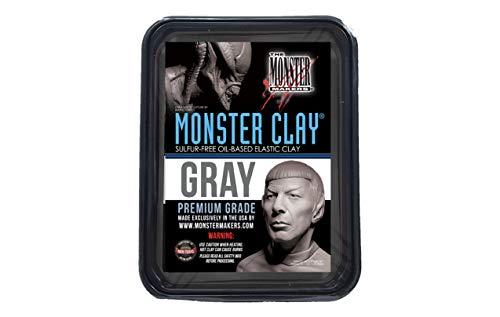
Best Sculpting Clay for Beginners (2026): Oil vs Air-Dry vs Self-Hardening
The right beginner clay depends on one thing: do you want to practice, or keep the result? Oil clay never dries so it is ideal for learning; hardening clay becomes a permanent piece. Here is what to buy at $13 to $35.

Best Calligraphy Starter Kits for Beginners: Dip Pens, Speedball, and the Pilot Parallel
The right starter kit makes the difference between smooth, satisfying letters and a frustrating mess of ink blots and scratchy strokes. Here are the three kits worth buying first, and why a cheap brush-pen bundle is not one of them.

Best Calligraphy Pen Holders (2026): Straight, Oblique and Why It Matters
The holder is the cheapest part of dip-pen calligraphy and the one that decides whether the script you want is even possible. A straight holder is fine for most hands and most styles. Copperplate and Spencerian, with their steep slant, are very hard to write with one — and that is the whole reason the strange-looking oblique holder exists.