Best Flashcards for Language Learning (2026): The Leitner Box Still Wins
Flashcards work, but only if you stop reviewing the ones you already know. That single idea — spacing the easy cards further apart and the hard ones closer together — is what turns a stack of cards from a chore into the most efficient vocabulary tool there is. It was worked out on paper in the 1970s, and a shoebox with dividers still implements it perfectly.
HobbyStack may earn a commission from links on this page at no extra cost to you. Our picks are chosen on merit; the commission helps fund the research.
- The Leitner system is the whole point: cards you get right move to a box reviewed less often, cards you get wrong go back to the front.
- Making the card is part of the learning. Pre-printed sets skip that, which is a real cost.
- Write one word per card and put a sentence on the back, not just a translation.
- A box with dividers is all the technology this needs. Apps do the same maths automatically.
- Paper wins on focus; apps win on portability and on not having to shuffle anything.
 Our pickOxford Index Card Box (4x6)Building your own$10Check price
 500 Colored Index Cards with RingCards you carry$16Check price
 Vis-Ed Vocabulary CardsStarting immediately$20Check price
The Leitner system, which is the actual method
Put five dividers in a box. Every new card starts in box 1.
Review box 1 every day, box 2 every other day, box 3 twice a week, box 4 weekly, box 5 monthly.
When you get a card right, it moves forward one box. When you get it wrong — at any level — it goes straight back to box 1.
That is the entire system, and it is doing something clever: words you know well get reviewed rarely, words you keep forgetting come round constantly, and your daily review time stays roughly constant no matter how many cards you own.
The temptation is to keep reviewing the cards you enjoy getting right. Resist it. Time spent on box 5 cards is time not spent on the words you actually cannot recall, and the whole efficiency of the method comes from that discipline.
Writing a card that works
The most common mistake is a card with one word on each side. It teaches you to recognise a translation pair, which is not the same as being able to use a word.
Better: the target word on the front, and on the back a short sentence using it plus the translation. Sentences carry gender, case, preposition and register — the things a bare word does not.
A few more rules that make a measurable difference. One item per card, so a half-known card is not blocked by an unrelated word. Test in the harder direction — from your language into the target — because recognising a word is far easier than producing it. And write cards yourself: the act of choosing what goes on the card is a large part of why the method works.
Add cards from things you have actually read or heard, not from a frequency list. A word you met in context already has a hook.
 Best for building your own
Oxford Plastic Index Card Box
A plain index card box, and it is the pick because it is the physical form of the Leitner system: add a few dividers and you have the whole method, permanently, with nothing to subscribe to or charge. Four hundred cards is a serious working vocabulary and the box sits on a desk where you will see it, which matters more than it sounds — a box you walk past is a review you actually do, where an app is a notification you dismiss. It holds standard 4x6 cards you buy anywhere. It does no maths for you and it does not fit in a pocket, so this is a desk system rather than a commuting one. That is the trade for the focus it gives you.
What's good
- Implements Leitner exactly, with dividers
- Visible on a desk — prompts the habit
- Takes standard cards from anywhere
- Nothing to subscribe to or charge
What's not
- Not portable
- You do the scheduling yourself
- Cards must be written by hand
- Takes desk space
 Best for cards you carry
500 PCS Colored Index Cards
Blank ruled cards, hole punched, with a binder ring — which is the format that solves the one real weakness of a box, that you cannot take it with you. A ring of thirty cards lives in a coat pocket and turns a bus journey into a review session, and the colours let you separate by topic, by box level, or by gender in languages that have it. Five hundred cards is enough for a long time. You still write everything yourself, which is a feature rather than a chore. The limitation is that a ring is a poor Leitner box: reordering cards on a ring is fiddly, so most people use rings for the daily-review level and keep the longer intervals in a box at home.
What's good
- Pocketable — turns dead time into review
- Colours separate topics or levels
- Five hundred cards lasts a long time
- Ruled, so cards stay legible
What's not
- A ring is awkward to reorder
- Not a full Leitner system on its own
- Still all hand-written
- Rings can come open in a bag
 Best for starting immediately
German Vocabulary Cards Vis-ed
Pre-printed vocabulary cards, sold per language, and the appeal is that you can begin reviewing tonight rather than spending a week writing cards before you learn anything. The selection is sensible and graded, which removes the beginner problem of not knowing which thousand words matter. The honest cost is real, though: writing the card is a substantial part of why flashcards work, because choosing what goes on it forces you to engage with the word. Cards handed to you skip that entirely. They also cannot include words from what you personally have been reading. Best used as a starter deck alongside cards you write, rather than instead of them.
What's good
- Start reviewing immediately
- Sensible graded selection
- Removes the "which words?" problem
- Consistent, legible printing
What's not
- Skips the learning that writing cards provides
- Cannot include words from your own reading
- Sold per language, so no reuse
- Dearest per card here
The instinct is to run the whole stack, because getting cards right feels like progress. It is the opposite of the method. Cards you know belong in the boxes you review weekly or monthly; your daily time should be spent almost entirely on the words you keep forgetting. If a review session feels comfortable, you are reviewing the wrong cards.
Paper or an app
Apps run the same spacing algorithm automatically, sync between devices, and never need shuffling. For most people learning a language seriously, that is genuinely the more efficient tool, and there is no need to be romantic about cardboard.
What paper still does better is focus and making. A box on a desk does not contain a browser, a feed or a notification. And writing a card by hand is slower in a way that helps — you have to decide what the card says.
A sensible hybrid that many people land on: write cards by hand as you meet words, review them on paper for the first week while they are hardest, then transfer the ones that stick into an app for long-term spacing.
The method matters far more than the medium. Spacing beats cramming in either.
Before you buy
Buy dividers with the box. Without them it is a card holder, not a system.
One word per card, with a sentence on the back rather than a bare translation.
Test from your language into the target — production is harder than recognition.
Add words you actually met in reading or listening, not from a frequency list.
Keep a pocket ring for the daily level and the box for longer intervals.
Flashcard questions
What is the Leitner system?
Are paper flashcards better than an app?
What should I write on a flashcard?
How many cards should I add per day?
Buy an index card box, add five dividers, and run the Leitner system — that is the whole method and it costs about ten dollars. Add a pocket ring of blank cards for reviewing on the move. Pre-printed decks are worth it only to get started while you build your own, because writing the card is a real part of why this works. And whatever you buy, stop reviewing the cards you already know.
Ready to actually do it?
The first language learning quest takes an evening, and it tells you whether the gear was worth it better than any review can.
Start Language LearningThe HobbyStack editorial team researches each guide against manufacturer specifications, published resources and practitioner sources. Every product is checked for availability and described against its current listing before publication, and prices are re-checked when guides are updated.
About our editorial process →More gear guides
All guides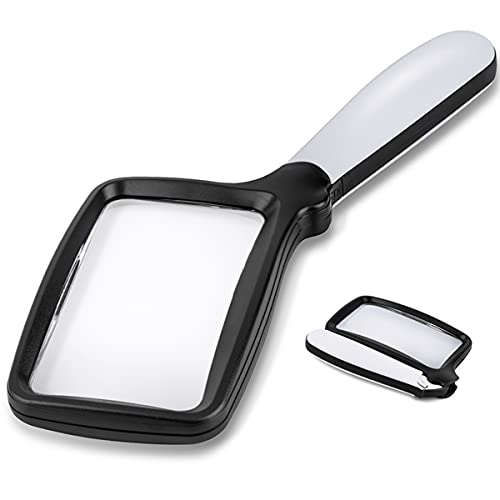
Best Magnifying Glass for Documents (2026): Light Matters More Than Power
Reading faded handwriting on old paper is a lighting problem at least as much as a magnification one. Higher power sounds like the answer and quietly makes things worse — the field of view shrinks, the working distance drops, and you end up examining letters one at a time with your nose on the document. Most people want less magnification and more light than they think.

Best Pottery Tool Set (2026): Six of the Twelve Do Nearly Everything
Open a twelve-piece pottery set and six tools will do nearly all your work: the wire cutter, a wooden rib, a metal rib, a loop trimming tool, a sponge and a needle tool. The rest get picked up once, found to duplicate something, and left in the canister for years.

Long Blade Freediving Fins (2026): Stiffness Is Matched to Your Legs, Not Your Ambition
Long blades are not about speed. A long blade moves a large volume of water per kick, so you cover distance at a slow, unhurried cadence instead of a fast one, and on a breath-hold the thing you are conserving is oxygen. A stiff blade you cannot load properly burns more of it than a soft blade you can.
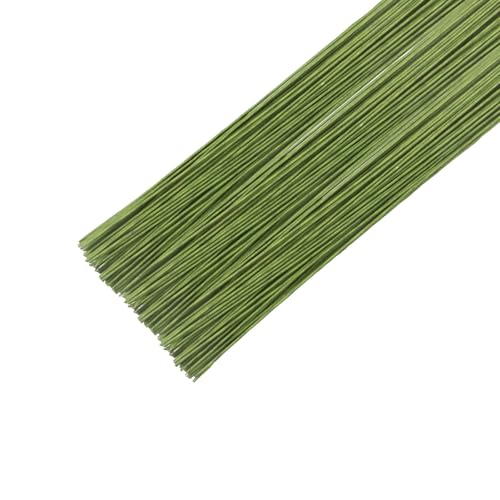
Best Millinery Wire (2026): Gauge Decides Whether the Brim Holds Its Line
Wire gauge runs backwards, so an 18 gauge wire is thicker than a 20. That catches people out in exactly the wrong direction: they buy a high number expecting something substantial, wire a brim with it, and watch the brim sag the first time the hat is picked up.

Best Go Books (2026): Beginners Want Joseki and Need Life and Death
Every beginner reaches for a book of joseki, the memorised corner sequences, because they look like the secret. They are not. Strength at Go comes from reading life and death and recognising good shape, and a player who has memorised openings without those will play twenty moves of professional theory and then lose the group.

Best Pen Turning Chisels (2026): You Will Use Four of the Eight
An eight-piece lathe chisel set is sold as a starter kit, and a pen turner will use about four of them. Pens are small-diameter spindle work, so the roughing gouge, the spindle gouge, the skew and the parting tool do nearly everything, and the bowl gouge stays in the box.