Best Pen for Journaling (2026): Gel, Ballpoint or Fountain
The pen is the only piece of journaling gear that can actually stop you writing. A pen that skips makes you reluctant to start, and ink that bleeds through ruins the other side of the page, which quietly halves the notebook you just bought. None of the fixes are expensive. They mostly come down to matching ink to paper.
HobbyStack may earn a commission from links on this page at no extra cost to you. Our picks are chosen on merit; the commission helps fund the research.
- Bleed-through is a paper problem as much as a pen problem. Thin journal paper will show almost any wet ink.
- A finer tip lays down less ink, so 0.5mm bleeds less than 0.7mm on the same page.
- Gel writes smoothest, ballpoint bleeds least, fountain pens feel best and are fussiest about paper.
- Pigment ink resists water and fading. Worth it if you want the journal to survive being spilled on.
- Test any new pen on the last page of the notebook before you commit to it.
 uni-ball 207 GelArchival notes$6Check price
 Our pickPilot G2Most people$12Check price
 LAMY Safari Fountain PenWriting you look forward to$28Check price
The three kinds of pen, and what each costs you
Ballpoint uses thick oil-based ink pushed out by a rolling ball. It needs the most pressure, feels the least pleasant, and bleeds through the least. On very thin paper it is the safe answer.
Gel suspends pigment in water-based gel. It glides with almost no pressure, the line is darker and more even, and it is what most people mean when they say a pen writes nicely. It puts down more ink, so it is more likely to show through.
Fountain feeds liquid ink to a nib by capillary action. At its best it is the most comfortable of the three, because it needs no pressure at all — the pen writes under its own weight. It is also the pickiest: on absorbent paper the ink feathers into fuzzy lines and soaks through.
Bleed-through, ghosting and feathering
These get used interchangeably and are three different problems.
Ghosting is seeing the writing faintly from the other side. Almost unavoidable on thin paper, and mostly harmless — you can still write on that side.
Bleed-through is ink physically soaking through, leaving dots and blotches. That page is spent.
Feathering is ink spreading along the paper fibres so the line goes furry and letters thicken. It is what makes cheap paper look bad with a good pen.
All three get better with a finer tip and a drier ink, and all three get better with heavier paper. If a journal you love bleeds, use a fine ballpoint in it and keep the gel pen for something else.
 Best for archival notes
uni-ball 207 Retractable Gel Pens
A gel pen with pigment ink rather than dye, which is the reason to choose it over any other cheap gel. Pigment particles sit in the paper fibres instead of dissolving, so the writing resists water and fades far more slowly. Spill tea on a page and the words are still there. For a journal you intend to keep and reread in ten years that is a real advantage, and it costs a couple of dollars over a standard gel. It writes smoothly, the ink is properly black, and the grip is comfortable for long sessions. Like any gel it lays down a wet line, so on thin paper take the finer tip.
What's good
- Pigment ink resists water and fading
- Smooth, dark line
- Cheap enough to keep several
- Comfortable grip for long writing
What's not
- Wetter than a ballpoint, so more show-through
- Needs a moment to dry, which left-handers notice
- Plastic body feels like what it costs
 Best for most people
Pilot G2 Pens, Premium Refillable and Retractable Rolling
The default gel pen, and the one to buy if you do not want to think about it. It is refillable and retractable, the ink flows without skipping, and it comes in several tip widths, which is the part that matters for journaling: the 0.5mm lays down noticeably less ink than the 0.7mm and behaves much better on thin paper. Refills are available everywhere and cost a fraction of a new pen, so a G2 is genuinely a pen you keep rather than replace. It is not exciting. It is the one that will be in the drawer working in five years.
What's good
- Refillable, so it lasts
- Reliable flow, rarely skips
- Multiple tip widths — take 0.5mm for thin paper
- Refills sold everywhere
What's not
- Dye ink is less water resistant than pigment
- Wet line can show through thin pages
- Very common — no novelty
 Best for writing you look forward to
LAMY safari umbra - Fountain Pen
The fountain pen most people start with, and the one most often still in use years later. A steel nib, a moulded grip that puts your fingers in the right place without you thinking about it, and a body robust enough to live in a bag. It takes cartridges out of the box, or a converter so you can use bottled ink, which is where fountain pens get genuinely cheap to run. The appeal is physical: it writes under its own weight, so long sessions do not tire your hand. Take the fine nib for journaling. It puts down less ink, which is what thin journal paper needs, and it is the difference between a pen you love and one that soaks through the page.
What's good
- No pressure needed — easiest on the hand over long sessions
- Grip guides your fingers into position
- Cartridge or bottled ink
- Durable enough for daily carry
What's not
- Fussy about paper — feathers and bleeds on cheap stock
- Needs occasional cleaning
- Can dry out if left unused for weeks
- Not for left-handed underwriters without dry ink
Before committing a new pen to a journal, write a few lines on the very last page and look at the back of it. Thirty seconds tells you whether that pen and that paper get along, and it is the last page rather than the first so a bad result costs you nothing.
If you are left-handed
Most pen complaints from left-handers come down to drying time. Writing left to right means your hand follows the nib across what you have just written, so a wet ink smudges before it has set.
Gel is the worst offender, fountain ink varies enormously by ink rather than pen, and ballpoint is close to immediate. If you want the feel of a gel, take a finer tip: less ink means less drying time. Some inks are sold specifically as quick-drying and are worth seeking out.
Before you buy
Match the pen to your paper, not the other way round — test before you commit.
Take the finer tip. 0.5mm bleeds noticeably less than 0.7mm.
Choose pigment ink if you want the journal to survive a spill.
Buy refillable. A refill costs a fraction of a new pen.
Left-handed? Favour a fine tip or a ballpoint, and look for quick-drying ink.
Paper is measured in gsm. Around 70-80gsm is typical of pocket journals and will ghost with most inks. From about 100gsm you can use almost anything, and at 120gsm and up even a wet fountain pen behaves. If you keep fighting bleed-through, the cheaper fix is often a heavier notebook rather than another pen.
Journaling pen questions
Which pen does not bleed through journal paper?
Is a fountain pen good for journaling?
What is the difference between gel and ballpoint?
Does the pen actually matter for journaling?
Buy the Pilot G2 in 0.5mm if you want one pen that just works and can be refilled forever. Take the uni-ball 207 instead if the journal matters enough that you want water-resistant pigment ink in it. Move to the LAMY Safari with a fine nib when you want writing to feel like something you look forward to, and pair it with paper of about 100gsm or heavier. Whatever you buy, test it on the last page first.
Ready to actually do it?
The first journaling quest takes an evening, and it tells you whether the gear was worth it better than any review can.
Start JournalingThe HobbyStack editorial team researches each guide against manufacturer specifications, published resources and practitioner sources. Every product is checked for availability and described against its current listing before publication, and prices are re-checked when guides are updated.
About our editorial process →More gear guides
All guides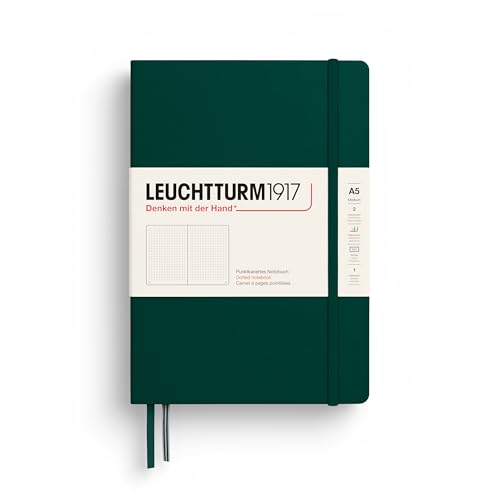
Best Beginner Journal 2026: value 3-pack vs Leuchtturm1917 vs Rhodia
Here is the honest truth about starting a journal: the notebook barely matters. People have filled beautiful journals with a 3 dollar spiral pad, and people have let a 200 dollar leather one sit empty out of fear of ruining it. What keeps you journaling is showing up, not the paper. That said, a notebook that lies flat and does not bleed ink can make the habit feel a little more inviting, and a bad one can quietly annoy you into quitting. So this guide keeps it simple: three real journals people actually buy, from cheap-but-good to a treat you can grow into. Pick one, start writing, and do not overthink it.

Best Beginner Meditation Cushions (2026): 3 Zafus
A zafu is the round cushion you sit on to meditate. It lifts your hips above your knees, which lets your back stack up straight so you can sit still without slumping or going numb. You can start free by folding a firm blanket, and honestly that works fine for a while. The one real choice here is the fill: buckwheat hulls (heavy, firm, adjustable) or foam (lighter, softer, holds its shape). Most people should get buckwheat.
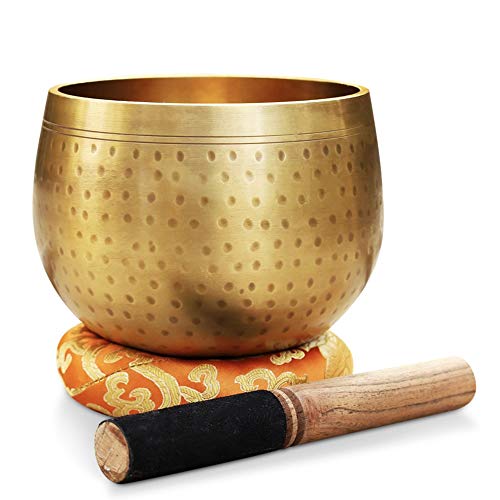
Best Singing Bowl (2026): Size Decides the Note
Singing bowls are sold with a great deal of claim attached, and almost none of it helps you choose one. The things that actually differ between bowls are acoustic and checkable: how big it is, how thick the wall is, whether it was hammered or spun, and how long it rings. Those decide the note you get and whether you enjoy playing it.

Best Yoga Mat for Beginners 2026: Gaiam vs JadeYoga vs Manduka
The only thing that really matters in a beginner yoga mat is grip, a mat that slides turns downward dog into a battle. Thickness and material are the next decisions. Here are three mats that nail it, from an inexpensive Gaiam to a buy-it-for-life Manduka.

Best Beginner Pilates Mats (2026): 3 Picks
A Pilates mat is just a thicker exercise mat, usually 6mm to 12mm, so your spine, hips, and tailbone are not grinding into the floor during roll-ups and bridges. The one spec that actually matters is thickness plus a surface that does not slide when you push into it. Everything else is a nice-to-have.

Best Essential Oil Diffuser for Beginners (2026): 3 Picks for Every Room
A diffuser is the heart of aromatherapy at home, and the kind you want is an ultrasonic diffuser: it disperses a cool mist of water and essential oil without heat, so the oils keep their properties instead of being cooked off. The main things that matter are tank size (how long it runs) and your room size. Here are three good ones, from a tiny bedside unit to a large-room diffuser with oils included.