Best Kayak PFD (Life Jacket) for Beginners (2026): 3 Real Picks
A PFD, or personal flotation device, is the one piece of kayaking gear you never skip, and for paddling you want a specific kind: a US Coast Guard-approved Type III paddling vest cut short and high so it doesn't jam against your kayak's seat back or trap your arms. Any approved vest keeps you afloat; what more money buys is ventilation, better arm freedom, and pockets. The most important thing is simply that you wear it, every time, so it has to be comfortable enough that you actually do. Here are three good ones across the range, plus what actually matters when you choose.
HobbyStack may earn a commission from links on this page at no extra cost to you. Our picks are chosen on merit; the commission helps fund the research.
- Get a paddling-specific Type III PFD. It's cut short and high so it clears your kayak seat and lets your arms move freely.
- It only works if you wear it, so comfort is the spec that matters. A vest that chafes or rides up is one you'll take off.
- Check it's US Coast Guard approved and sized right. Fit is by chest size; it should be snug and not ride up when you lift your arms.
- Ventilation is the main upgrade. Mesh backs and breathable panels keep you cooler on long, warm paddles.
 Stearns Adult Classic Series Life Vest (Type III)An approved, comfortable vest for the least money$35Check price
 Our pickOnyx MoveVent Dynamic Paddle VestThe comfortable, ventilated vest you'll actually wear$69Check price
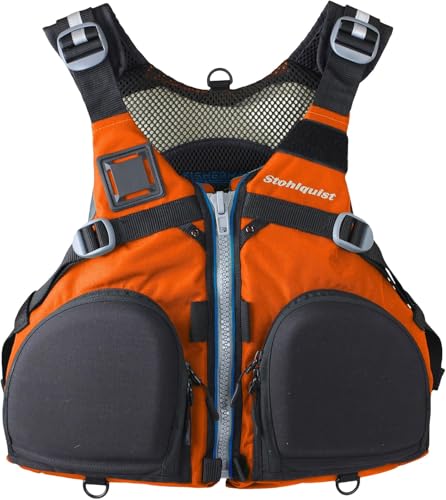 Stohlquist Fisherman Lifejacket (PFD)All-day comfort, fit, and storage$137Check price
The reason a kayak PFD is a specific thing, not just any life jacket, is the seat. A kayak has a seat back that a bulky, long life vest jams against, pushing the foam up around your neck and making paddling miserable, so paddling PFDs are cut shorter in the back and higher, with the flotation placed to clear the seat and leave your shoulders and arms free to rotate. All of them here are US Coast Guard-approved Type III vests, the standard for paddling: they keep a conscious person afloat and let you move, as opposed to the bulkier Type I offshore vests that turn an unconscious person face-up but are far too restrictive to paddle in. Beyond the type, the details that matter are fit and ventilation. Fit is by chest size and has to be snug (a loose vest rides up over your face in the water), and ventilation, usually a mesh lower back and breathable panels, is what keeps you from cooking on a warm afternoon.
So choose by how long and how often you paddle, and remember the only PFD that saves you is the one you're wearing. If you paddle occasionally and mostly want an approved, comfortable vest for the least money, a basic Coast Guard-approved Type III does the job safely. If you paddle regularly, a ventilated paddling-specific PFD with a mesh back and good arm freedom is the one most people should buy: cooler, less restrictive, and comfortable enough that you'll actually keep it on. And if you're out for hours or want fishing-friendly pockets and the best fit, a premium paddling PFD adds high-back ventilation, adjustable panels, and storage. Whichever you pick, make sure it's Coast Guard approved, sized to your chest, and snug enough that it won't ride up, then wear it every single time.
 Best budget start
Stearns Adult Classic Series Life Vest (Type III)
The affordable, safe way to never paddle without a PFD. The Stearns Adult Classic is a US Coast Guard-approved Type III vest from a long-trusted name in flotation, with three adjustable buckles and an open-sided cut that gives your arms reasonable freedom, all for the price of a couple of tank fills of gas. For occasional paddling, calm water, and anyone who just needs a properly approved, comfortable-enough vest without spending much, it does exactly what a PFD must do: keep you afloat and let you move. The trade-offs are what you'd expect at the price, less ventilation than a paddling-specific vest so it runs warm on hot days, and a more basic cut that isn't quite as free as a dedicated paddling PFD. But it is genuinely safe and genuinely cheap, which beats an expensive vest you leave at home.
What's good
- US Coast Guard-approved Type III
- Trusted flotation brand, adjustable fit
- Open sides give reasonable arm freedom
- Costs a fraction of a paddling-specific vest
What's not
- Less ventilation, runs warm on hot days
- Basic cut, not as free as a paddling PFD
 Best for most people
Onyx MoveVent Dynamic Paddle Vest
The PFD most kayakers should buy, because it's built for paddling and comfortable enough that you'll actually keep it on. The Onyx MoveVent Dynamic is a US Coast Guard-approved Type III cut specifically for paddling: shorter and higher so it clears your kayak seat, with mesh-ventilated lower panels that keep you cooler on warm days and sculpted foam that leaves your shoulders and arms free to rotate through each stroke. It has a couple of pockets and adjustable side straps for a snug fit, and it's the kind of vest you forget you're wearing, which is the whole point, since the only PFD that saves you is the one that's on. It costs more than a basic vest but far less than a premium one, and for regular paddling it's the sweet spot of comfort, ventilation, and price. For most beginners getting into kayaking, this is the one to buy.
What's good
- Paddling cut clears the kayak seat back
- Mesh-ventilated back keeps you cooler
- Free shoulder and arm movement for paddling
- Comfortable enough that you'll keep it on
What's not
- Costs more than a basic life vest
- Fewer pockets than a fishing-specific PFD
 Best for long days
Stohlquist Fisherman Lifejacket (PFD)
The step up for people who are on the water for hours, or who want fishing-friendly storage and the best fit. The Stohlquist Fisherman is a US Coast Guard-approved Type III built for serious paddling comfort: a high-back design that keeps the foam above high kayak seats, generous ventilation to stay cool through a long day, an adjustable fit system that dials in snugly across the chest, and multiple pockets sized for tackle, tools, or snacks. From a respected paddlesports brand, it's the vest you notice least on a full-day trip, which is exactly what you want when comfort is the difference between wearing it and taking it off. The catch is simply cost: it's the most expensive option here and more PFD than an occasional paddler needs. But if you already know you'll be out often and long, buying comfort and fit at this level pays off every trip. Just getting started? The MoveVent above is plenty.
What's good
- High-back design clears tall kayak seats
- Excellent ventilation for long days
- Adjustable fit and multiple pockets
- Respected paddlesports brand, buy-once
What's not
- Most expensive option here
- More PFD than an occasional paddler needs
A PFD only works if it's Coast Guard approved, sized to your chest, snug, and actually on. Try it on and lift your arms: it should not ride up over your face. Loosen it and it's useless; leave it in the hatch and it's worse. Wear it every time, even on calm water and even if you can swim, because most paddling deaths are people who weren't wearing one.
Before you buy
Buy a paddling-specific (Type III) vest, not a bulky offshore one. It clears your seat and lets you paddle.
Size by chest measurement and check it doesn't ride up when you raise your arms.
Prioritise ventilation if you paddle in warm weather; a mesh back keeps you from overheating.
Wear it every time. The only PFD that saves you is the one that's on.
Common questions
What kind of life jacket do I need for kayaking?
Does a kayak PFD have to be Coast Guard approved?
How should a kayak life jacket fit?
Do I really need to wear it the whole time?
For most kayakers, the Onyx MoveVent Dynamic is the PFD to buy: a paddling-specific, ventilated Type III that's comfortable enough you'll actually keep it on. The Stearns Classic is a safe, approved vest if you paddle occasionally and want to spend the least, and the Stohlquist Fisherman is worth it if you're out for hours or want fishing pockets. Whichever you pick, size it snug, make sure it's Coast Guard approved, and wear it every time.
Ready to actually do it?
The first kayaking quest takes an evening, and it tells you whether the gear was worth it better than any review can.
Start KayakingThe HobbyStack editorial team researches each guide against manufacturer specifications, published resources and practitioner sources. Every product is checked for availability and described against its current listing before publication, and prices are re-checked when guides are updated.
About our editorial process →More gear guides
All guides
Best Beginner Kayak (2026): 3 Stable Sit-On-Tops to Start Paddling
For a first kayak, the easy answer is a sit-on-top: you sit on top of it rather than inside, so it feels stable, it will not fill with water, and if you do tip over you can just climb back on. What matters most for a beginner is stability, weight (can you carry it and get it on your car), and a comfortable seat. Here are three good ones, from a paddle-included starter to a supremely comfy do-it-all boat.

Best Beginner Ski Boots (2026): 3 Comfortable, Forgiving Picks
Ski boots matter more than skis for a beginner, and the thing that matters most is fit, not the brand or the flex number. You want a soft, forgiving flex and a boot that is snug but not painful, because a boot that fits badly ruins the whole day. Here are three good beginner boots, from a soft and roomy starter to a moldable boot you can grow into, plus how to get the size right.

Best Ski Gloves (2026): Waterproof, Warm, and Still Able to Buckle a Boot
Cold hands end a ski day earlier than tired legs do, and the usual response is to buy the thickest glove available. That is the wrong lever. Warmth comes from dry insulation and a cuff that seals, and a glove so bulky you cannot buckle a boot or hold a pole properly ends up coming off, which is when hands actually get cold.
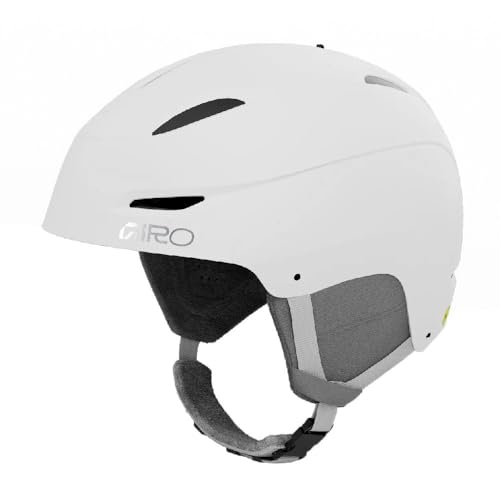
Best Ski Helmet for Beginners (2026): Fit, MIPS and When to Replace It
A ski helmet is the one piece of kit where the cheap option and the expensive option protect you to the same certified standard. What the money buys is fit, comfort, ventilation and rotational-impact technology — and of those, fit is the one that actually changes how well it works. A helmet that moves on your head is doing a fraction of its job.

Best Inflatable Paddle Board for Beginners (2026): 3 Picks That Come With Everything
For a beginner, an inflatable paddle board (an iSUP) is almost always the right call over a hard board: it is more stable, more forgiving if you bang it, and it packs down into a backpack you can keep in a closet or a car boot. The good news is that most beginner iSUPs come as a complete package, board, pump, paddle, leash, and carry bag, so one purchase gets you on the water. What separates them is build quality and how wide and stable the board is. Here are three that come with everything you need, from an affordable all-rounder to a premium board built to last for years.

Best PFD for Paddle Boarding (2026): The Belt Pack Only Works If You Are Awake
A paddle board counts as a vessel once you leave a surfing or swimming area, which means a Coast Guard approved flotation device has to be with you. The real decision is not whether to carry one, it is whether you choose something that floats you automatically or something you have to activate yourself.