Best Inflatable Paddle Board for Beginners (2026): 3 Picks That Come With Everything
For a beginner, an inflatable paddle board (an iSUP) is almost always the right call over a hard board: it is more stable, more forgiving if you bang it, and it packs down into a backpack you can keep in a closet or a car boot. The good news is that most beginner iSUPs come as a complete package, board, pump, paddle, leash, and carry bag, so one purchase gets you on the water. What separates them is build quality and how wide and stable the board is. Here are three that come with everything you need, from an affordable all-rounder to a premium board built to last for years.
HobbyStack may earn a commission from links on this page at no extra cost to you. Our picks are chosen on merit; the commission helps fund the research.
- For beginners, inflatable beats hard. An iSUP is more stable, more forgiving of bumps and drops, and packs into a backpack, no roof rack or big storage space needed.
- Nearly all of these come as a complete package. Expect the board, a pump, a paddle, a leash, and a carry bag in the box, so one buy gets you paddling.
- Width is stability. A wider board (32 to 34 inches) is much easier to balance on as a beginner, so favour width over a sleek, tippy racing shape while you learn.
- The price mostly buys build quality. Cheaper boards are fine for calm water and learning; pricier ones use stiffer, tougher construction that lasts longer and paddles better.
 Roc 10'6" Inflatable Paddle Board PackageAn affordable, stable board to learn on$180Check price
 Our pickAqua Marina Fusion Inflatable SUP PackageThe better-built board most should buy$289Check price
 THURSO Surf Waterwalker 126 Inflatable SUPA tougher, stiffer board to keep for years$449Check price
Start with why inflatable is the beginner-friendly choice. A modern inflatable SUP is pumped up rock-hard and is remarkably rigid, and for a beginner it has real advantages over a traditional hard board: it is more forgiving if you fall on it or knock it against a dock, it is softer to land on, and it deflates down to the size of a large backpack you can store in a closet and carry onto a bus or into a car boot, no roof rack required. The trade-off, that a hard board is a little stiffer and faster, simply does not matter while you are learning to stand and balance. On top of that, iSUPs almost always come as a full package: the board, a pump to inflate it, an adjustable paddle, an ankle leash, a repair kit, and a backpack to carry it all. That means one purchase puts everything you need on the water, which is exactly what a beginner wants.
What actually separates beginner boards is shape and build quality. For stability, the single most important number is width: a wider board is far easier to balance on, so a beginner wants something in the 32 to 34 inch range, and an 'all-around' shape (rounded nose, generous width) rather than a narrow, pointy touring or racing board. Length and volume matter too, as they affect how much weight the board carries and how it glides, but width is what keeps you dry while you learn. Build quality is where your money goes: cheaper boards use single-layer construction that is perfectly fine for calm lakes and getting started, while pricier boards use double-layer or wood-composite construction that is noticeably stiffer, tougher, and longer-lasting, and paddles better as you improve. So the honest way to choose is to be realistic about how much you will use it: an affordable all-rounder is plenty to find out if you love paddleboarding, and it is worth stepping up in build quality once you know you do.
 Best budget board
Roc 10'6" Inflatable Paddle Board Package
The board that proves you do not need to spend a lot to get on the water. The Roc 10'6" is one of the best-selling beginner iSUPs for good reason: it is a wide, stable, all-around shape that is easy to balance on while you learn, and it comes as a complete package, board, pump, adjustable paddle, ankle leash, repair kit, and a carry backpack, so one affordable purchase gets you paddling with nothing else to buy. Its single-layer construction is not the stiffest on the market, and serious paddlers will eventually want something tougher, but for calm lakes, slow rivers, and figuring out whether you love paddleboarding, it is genuinely all you need and a huge amount of board for the money. If you are dipping a toe in and do not want to overspend before you know you are hooked, this is the sensible, low-risk place to start.
What's good
- Very affordable for a complete, ready-to-paddle package
- Wide, stable all-around shape that is easy to learn on
- Comes with pump, paddle, leash, and backpack
- One of the best-selling, most-reviewed beginner boards
What's not
- Single-layer build is less stiff than pricier boards
- Accessories (paddle, pump) are basic
 Best for most beginners
Aqua Marina Fusion Inflatable SUP Package
The board most beginners should buy, because it is a real step up in brand and build without a big jump in price. Aqua Marina is an established, dedicated paddleboard company rather than a generic seller, and the Fusion is their popular all-around model: a stable, beginner-friendly shape with noticeably better materials and finish than the cheapest boards, so it feels stiffer underfoot and should last longer. It comes as a complete package too, with the board, a pump, an adjustable paddle, a leash, a repair kit, and a backpack, so you are still getting everything in one buy. This is the sweet spot for someone who is fairly sure they will keep paddling and wants a board they will not quickly outgrow, but who does not want to pay premium prices yet. Stable enough to learn on, well enough built to keep, it is the safe recommendation for most people.
What's good
- Established paddleboard brand, not a generic seller
- Stiffer, better-finished build than budget boards
- Complete package with pump, paddle, leash, and bag
- Stable all-around shape you will not quickly outgrow
What's not
- Costs more than the cheapest boards
- Not as tough as premium wood-composite builds
 Best to grow into
THURSO Surf Waterwalker 126 Inflatable SUP
The board for someone who already knows they love paddleboarding and wants one they will keep for years. THURSO Surf is a respected specialist brand, and the Waterwalker uses premium dual-layer, wood-composite construction that is noticeably stiffer and tougher than budget single-layer boards, which means it feels more solid and stable underfoot, paddles more efficiently, and stands up to far more use and abuse over time. It is a comfortable, stable 10'6" all-around shape that is still very beginner-friendly, and it comes with an upgraded package: a better carbon-blend or aluminium paddle, a good pump, a leash, and a quality roller backpack. It is the most expensive option here and more board than a casual once-a-summer paddler needs, but if you are confident you will paddle often and want a genuinely well-built board that will last, the Waterwalker is a lovely buy-once choice that beginners still find easy to ride.
What's good
- Premium wood-composite build is stiffer and tougher
- Feels more solid and paddles more efficiently
- Upgraded paddle, pump, and roller backpack
- A buy-once board that lasts for years
What's not
- The most expensive option here
- More board than a casual, occasional paddler needs
If you take one number away, make it width. A wider board is dramatically more stable and easier to balance on, which is exactly what you need while you are learning to stand and paddle. Aim for something around 32 to 34 inches wide in an 'all-around' shape, with a rounded nose and plenty of volume. Avoid narrow, pointy touring or racing boards to start, they are faster for experienced paddlers but tippy and frustrating for beginners. All three boards here are stable all-around shapes chosen with that in mind.
Which to buy: just want to try paddleboarding without spending much? The Roc 10'6", an affordable, stable, complete package. Fairly sure you will keep at it and want a better-built board from a real paddleboard brand? The Aqua Marina Fusion is the sweet spot most people should own. Know you will paddle often and want a premium board that lasts for years? The THURSO Surf Waterwalker's tougher wood-composite build is worth it. All three come with the pump, paddle, leash, and bag you need to get on the water on day one.
Before you buy
Always wear the leash and, where required, a flotation device. The ankle leash keeps your board with you if you fall (it is a big floating raft you never want drifting away), and many places legally require a personal flotation device on a paddleboard.
Check the weight capacity covers you plus any gear or a dog. Boards list a max rider weight; staying well under it keeps the board rigid and stable, so heavier paddlers should size up in length and volume.
Learn to pump it up efficiently. Inflating to the recommended pressure (usually around 12 to 15 PSI) is what makes the board stiff and stable, a soft, under-inflated board feels wobbly, so pump it fully firm.
Rinse and dry it before it goes away. A quick rinse after salt or dirty water and drying it before rolling it up stops mildew and helps the board last, then it stores easily in its backpack.
For almost every beginner, inflatable is the better choice. An iSUP is more forgiving if you fall on it or knock it, softer to learn on, and packs into a backpack you can store in a closet and carry anywhere, no roof rack or garage needed. A hard (solid) board is slightly stiffer and faster and preferred by some experienced paddlers and surfers, but that small performance edge is irrelevant while you are learning balance, and hard boards are a hassle to store and transport. Unless you already know you want to race or surf, start inflatable.
Beginner paddleboard questions
Should a beginner get an inflatable or hard paddle board?
What size paddle board should a beginner get?
Which inflatable paddle board should a beginner buy?
Do inflatable paddle boards come with everything I need?
Are cheap inflatable paddle boards any good?
How stable are inflatable paddle boards?
For most beginners the Aqua Marina Fusion is the pick: it is a stable, beginner-friendly board from an established paddleboard brand, better built than the cheapest options but not premium-priced, and it comes with everything you need. If you just want to try the sport without spending much, the Roc 10'6" is an affordable, stable, complete package that is hard to beat for the money. If you know you will paddle often and want a tougher board to keep for years, the THURSO Surf Waterwalker's premium wood-composite build is worth it. Whichever you choose, favour a wide all-around shape, wear your leash, and pump it up firm.
Ready to actually do it?
The first stand-up paddleboarding quest takes an evening, and it tells you whether the gear was worth it better than any review can.
Start Stand-up PaddleboardingThe HobbyStack editorial team researches each guide against manufacturer specifications, published resources and practitioner sources. Every product is checked for availability and described against its current listing before publication, and prices are re-checked when guides are updated.
About our editorial process →More gear guides
All guides
Best PFD for Paddle Boarding (2026): The Belt Pack Only Works If You Are Awake
A paddle board counts as a vessel once you leave a surfing or swimming area, which means a Coast Guard approved flotation device has to be with you. The real decision is not whether to carry one, it is whether you choose something that floats you automatically or something you have to activate yourself.

Best SUP Leash (2026): The Right One Depends on the Water, Not the Board
A paddleboard blown away from you across open water is faster than you can swim, which is why a leash is the single most important safety item in the sport. But the ankle leash that keeps you safe on a lake is the one that can kill you in a river, and that difference is the most important thing on this page.

Best Beginner Kayak (2026): 3 Stable Sit-On-Tops to Start Paddling
For a first kayak, the easy answer is a sit-on-top: you sit on top of it rather than inside, so it feels stable, it will not fill with water, and if you do tip over you can just climb back on. What matters most for a beginner is stability, weight (can you carry it and get it on your car), and a comfortable seat. Here are three good ones, from a paddle-included starter to a supremely comfy do-it-all boat.

Best Kayak PFD (Life Jacket) for Beginners (2026): 3 Real Picks
A PFD, or personal flotation device, is the one piece of kayaking gear you never skip, and for paddling you want a specific kind: a US Coast Guard-approved Type III paddling vest cut short and high so it doesn't jam against your kayak's seat back or trap your arms. Any approved vest keeps you afloat; what more money buys is ventilation, better arm freedom, and pockets. The most important thing is simply that you wear it, every time, so it has to be comfortable enough that you actually do. Here are three good ones across the range, plus what actually matters when you choose.

Best Beginner Bike Helmets (2026): 3 Safe Picks
A helmet is the one piece of cycling gear you should never skip, and the good news is a great one doesn't cost much. The thing to look for is MIPS, a liner that helps with the angled hits that cause most head injuries. All three picks below have it, from a cheap first lid to a lighter, better-vented upgrade.
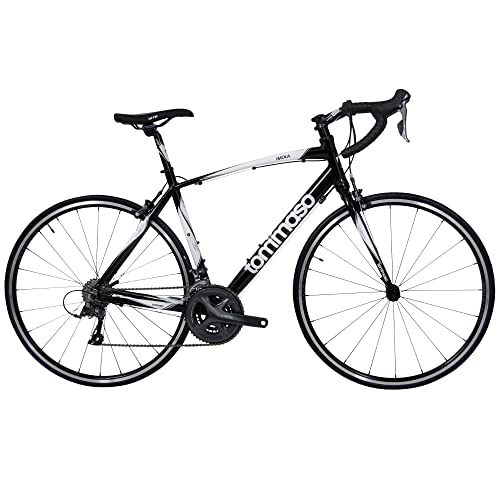
Best Beginner Road Bike (2026): 3 Real Picks You Can Actually Buy Online
A good first road bike is less about the brand on the frame and more about a few basics: a light aluminum frame, a Shimano drivetrain that shifts cleanly, and a fit that suits you. Quality road bikes are surprisingly scarce and pricey on Amazon, so it pays to skip the no-name bargains and stick to real brands. Here are three you can genuinely buy, from an affordable Schwinn to a carbon-fork Tommaso to grow into.