Long Blade Freediving Fins (2026): Stiffness Is Matched to Your Legs, Not Your Ambition
Long blades are not about speed. A long blade moves a large volume of water per kick, so you cover distance at a slow, unhurried cadence instead of a fast one, and on a breath-hold the thing you are conserving is oxygen. A stiff blade you cannot load properly burns more of it than a soft blade you can.
HobbyStack may earn a commission from links on this page at no extra cost to you. Our picks are chosen on merit; the commission helps fund the research.
- Long blades mean fewer, slower kicks for the same distance. That saves oxygen.
- Match stiffness to your leg strength, not your ambition. Too stiff wastes air.
- Full foot pockets are sized over a thin neoprene sock. Buy for that, not bare feet.
- Kick from the hip with straight legs. Bending the knee stalls a long blade.
- Never walk in them. Carry them to the water and put them on there.
 Our pickCressi Gara Professional LDStarting out$111Check price
 Cressi Gara 2000 HFStronger legs$120Check price
 Mares Razor ProA different fit$139Check price
Why length, and why not stiffness
A fin blade is a lever that moves water. A longer blade displaces more water per stroke, so you travel further per kick.
On scuba that is a convenience. On a breath-hold it is the whole point, because your oxygen budget is fixed the moment you leave the surface. Fewer, slower, larger kicks use less oxygen than many small fast ones, and a relaxed cadence also keeps your heart rate and therefore your consumption down.
That is why freediving and spearfishing fins are 80 to 100cm long where a snorkelling fin is 40.
Then stiffness, which is where people go wrong. Blades come in soft, medium and hard, and the instinct is that stiffer equals more powerful.
A blade only generates thrust if you can load it, bending it against the water through the stroke. A blade stiffer than your legs can load does not bend, so it does not spring back, and you are left dragging a rigid paddle. That costs oxygen and gives you cramp.
So: soft or medium for most people starting out, and stiffer only once your legs are conditioned. Heavier divers and those with strong legs load stiffer blades; lighter divers almost never should.
Material follows the same axis. Plastic or technopolymer is the standard, durable and forgiving, and what all three fins here use. Fibreglass is lighter with better spring. Carbon is the stiffest and most efficient, the most expensive, and genuinely fragile — a carbon blade levered against a rock can break.
Start in plastic. It survives the learning.
Foot pockets, sizing and technique
Freediving fins are full foot, meaning the pocket encloses the whole foot rather than using an adjustable strap over a boot. That gives a direct energy transfer, which is what you want, and it makes sizing critical.
You size them over a thin neoprene sock, which is not optional kit. A sock prevents blisters on a long swim, adds a little warmth, and takes up the small amount of slack a pocket needs to grip without crushing.
So: buy for your foot plus a 1.5 to 3mm sock, which usually means going up a size or two from your shoe size. A pocket that is too tight restricts circulation and causes cramp, which is both miserable and, on a breath-hold, dangerous. Too loose and the fin moves independently of your foot and you lose power through the slop.
Then the kick, which long blades punish you for getting wrong.
Kick from the hip with almost straight legs, in a slow wide arc. The blade does the bending.
Bending the knee stalls it. A bicycle-style kick works with short fins and with a long blade it just churns water, wastes air and goes nowhere. This is the single most common fault.
Point your toes and keep ankles relaxed so the blade can flex. Stiff ankles fight the fin.
Slow down. New freedivers kick far too fast. A long blade wants a cadence that feels almost lazy.
And never walk in them. An 80cm blade levered against the ground while you take a step is how tips snap and foot pockets tear. Carry them, wade in, and put them on in the water.
 Best for starting out
Cressi Gara Professional LD Long Blade Full Foot Pocket Fins
The softer blade in Cressi's Gara line, and softer is genuinely the right answer for most people starting out rather than a compromise. A blade you can load through the full stroke returns energy; one stiffer than your legs can bend is a rigid paddle that costs oxygen and gives cramp. Full foot pocket, so size it over a thin neoprene sock. Experienced divers with conditioned legs will outgrow it.
What's good
- Softer blade is loadable by untrained legs
- Returns energy instead of dragging
- Full foot pocket gives direct power transfer
- Cheapest of the three and the Gara line is proven
What's not
- Strong legs will outgrow the softness
- Plastic rather than fibreglass or carbon
- Full foot sizing needs care over a sock
- Currently stocked thinly
 Best for stronger legs
Cressi-Sub GARA 2000 HF Longblade Freediving Fins - Scuba Fins
The Gara 2000 HF is the fin a great many spearos own, with a stiffer and more hydrodynamic blade than the LD, which suits conditioned legs and heavier divers. Stiffer returns more energy per stroke if you can load it, and if you cannot it just makes you tired, so this is a fin to buy once you know your legs can bend it. Full foot pocket, so size over a sock. A proven design that has been in the water for decades.
What's good
- Stiffer blade returns more energy to strong legs
- More hydrodynamic profile than the LD
- One of the most widely used freediving fins
- Decades of proven design
What's not
- Too stiff for untrained legs, which wastes oxygen
- Barely dearer than the LD, which tempts the wrong choice
- Plastic blade, not fibreglass
- Stocked thinly in some sizes
 Best for a different fit
Mares Unisex Adult Razor Pro Full Foot Swim Fins
Mares cut their foot pockets differently from Cressi, and that is the main reason to consider these: fin fit is anatomical and a pocket that pinches one person suits another perfectly. If Cressi pockets have never been comfortable on your foot, trying a different maker solves more than buying a dearer blade would. Long blade, full foot, built for freediving and spearfishing. Dearest here without being a materially better blade.
What's good
- Different pocket shape, which solves real fit problems
- Long blade built for freediving and spearfishing
- Mares build quality throughout
- Worth trying if Cressi pockets pinch
What's not
- Dearest without a materially better blade
- Different sizing again, so measure carefully
- Still plastic rather than fibreglass
- Stocked thinly
Shallow water blackout kills experienced freedivers. Hyperventilating before a dive lowers carbon dioxide so the urge to breathe arrives late or not at all, and you can lose consciousness on the ascent with no warning at all. Dive one-up-one-down so somebody is always watching the diver in the water, breathe normally before a dive, never push a breath-hold alone, and take a freediving course before you go deep with a gun.
Looking after them, and the rest of the setup
Rinse in fresh water after salt, and dry out of direct sun. UV embrittles plastic blades and it is the main thing that ages them.
Store them flat or hanging, never leaning with weight on the blade tips, which puts a permanent curve in them. Many divers keep them in the bag they came in, blade to blade.
Never leave them in a hot car. Heat plus pressure is how a blade takes a set it will not lose.
Check the pocket junction where blade meets foot pocket. That is where fins fail, and a small split there grows.
Wear socks, always. They prevent blisters, which on a long swim are genuinely trip-ending, and they make sizing work.
Weight yourself properly. Fins change your trim, and you want neutral buoyancy at around ten metres rather than at the surface, so you float up without effort from depth.
Learn the duck dive before you worry about the fins. A clean, efficient entry from the surface saves more oxygen than any blade upgrade.
Expect to upgrade stiffness, not length. As your legs condition over a season or two, a stiffer blade starts to make sense. The length stays the same.
Before you buy
Softer blades for untrained legs. Stiffness is earned.
Size the foot pocket over a 1.5 to 3mm neoprene sock.
Start in plastic. Carbon is fragile and expensive.
Try a different brand if a pocket pinches, before buying a dearer blade.
Buy the socks at the same time. They are not optional.
Long blade fin questions
Why are freediving fins so long?
Should I buy a soft or stiff blade?
How do I size full foot fins?
Why do my long fins feel like hard work?
Start with the Cressi Gara Professional LD. The softer blade is genuinely the right choice for untrained legs, because a blade you can load returns energy and one you cannot just costs you oxygen. Move to the Gara 2000 HF once a season of diving has conditioned your legs. Try the Mares Razor Pro if Cressi pockets pinch your foot. And buy neoprene socks before you size anything.
Ready to actually do it?
The first spearfishing quest takes an evening, and it tells you whether the gear was worth it better than any review can.
Start SpearfishingThe HobbyStack editorial team researches each guide against manufacturer specifications, published resources and practitioner sources. Every product is checked for availability and described against its current listing before publication, and prices are re-checked when guides are updated.
About our editorial process →More gear guides
All guides
Best Spearfishing Mask (2026): Low Volume Is the Whole Point
On a breath-hold dive every bit of air you own is in your lungs, and a mask takes some of it away from you. The deeper you go the harder the mask squeezes onto your face, and the only way to relieve it is to blow air out of your nose into the mask. A smaller mask asks for less of that air.

Best Spearfishing Wetsuit (2026): Open Cell Seals to Skin and Hates Fingernails
A spearfishing wetsuit is not a surfing wetsuit in camouflage. The good ones are open cell, meaning the inside is raw neoprene that seals directly against your skin with no lining at all. That makes them far warmer and considerably more fragile, and it means you cannot get into one without lubricant.

Best Backpacking Sleeping Pad (2026): R-Value Decides This, Not Thickness
The ground takes more heat off you overnight than the air does, which is why people in expensive sleeping bags still wake up cold. The number that fixes it is R-value, and since 2020 it has been a standardised measurement, so for the first time you can compare one brand against another honestly.
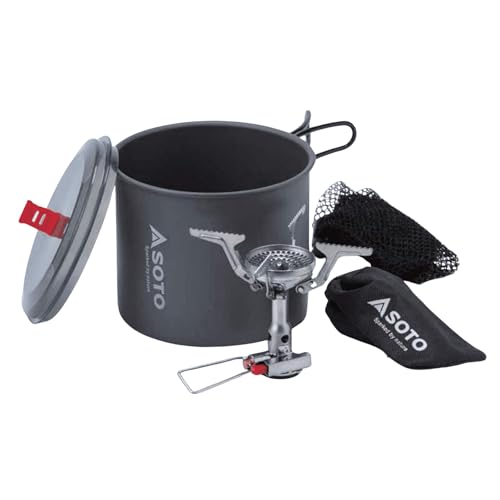
Best Backpacking Stove (2026): Boil Water Fast or Actually Cook
Almost every thru-hiker eats food that only needs boiling water, which makes "how fast does it boil and how little fuel does it use" the question that matters. But if you cook rather than rehydrate, the fastest stove here is also the one that cannot hold a simmer, and that trade is the whole decision.

Best Beginner Hiking Backpack 2026: Osprey Daylite vs Talon vs Atmos
The right hiking backpack depends on one number: how long you plan to be out. Day hike → 20–30L. Overnight → 33–45L. Multi-day → 50–65L. Get the volume wrong and you're either cramming gear into too little space or hauling empty weight all day. Here are three Osprey packs, each sized for a different stage of hiking, that will outlast your beginner phase.

Best Beginner Hiking Boots 2026: Merrell Moab 3 vs Salomon X Ultra 4
Your first hiking boots need to do three things: not blister you, stay dry on wet trails, and grip technical terrain. The Merrell Moab 3 Waterproof checks all three for around $130. Here are three real boots: a non-waterproof breathable option, the waterproof all-rounder, and a stiffer upgrade for rocky terrain, each with a confirmed Amazon link.